Emergency Vet, Same-Day Visit, or Monitor at Home? How to Choose Fast When Your Pet Is Sick
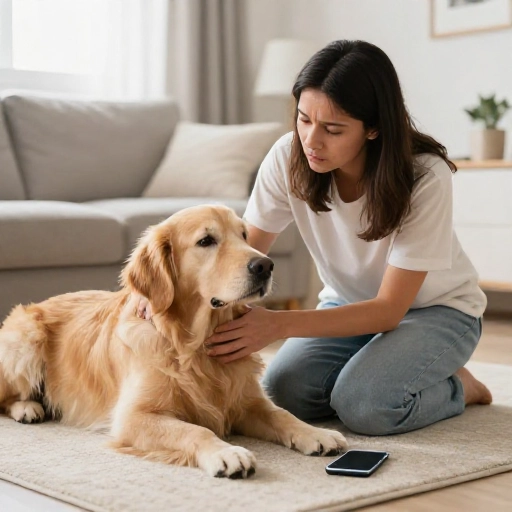
It’s 9:47 p.m. My dog is pacing, panting, and giving me that look. My brain spins: emergency vet, same-day visit tomorrow, or wait and watch? I’ve been there. If you’re there right now, take a breath. You’re not alone, and you can make a smart call.
There’s no one-size-fits-all answer. It depends on symptoms, how fast they’re getting worse, your pet’s age, and what your vet can offer. I use a simple triage mindset: protect breathing, stop bleeding, check gums, and trust my gut when something feels very wrong.
This guide walks through the signs I look for, when I drive straight to the emergency clinic, when I book a same-day appointment, and when I stay home with a notepad and a timer. Use it as a starting point, not a replacement for professional veterinary advice.
1. Start With a 60-Second Gut Check Before You Panic
Before I Google anything, I stop and look at my pet. Are they breathing comfortably? Standing normally? Interested in me? A pet who is alert, breathing easily, and annoyed by my fussing is often in a different category than one who is hiding, limp, or staring at the wall.
I ask myself three questions: Is this getting worse fast? Is my pet in pain I can’t control? Would I be devastated if I waited and something bad happened? If the answer to any is yes, I lean toward urgent care.
My gut is data. It’s built from every normal day I’ve spent with my pet. If something feels off in a way I can’t explain, I call a vet. That call costs nothing and buys clarity.
2. Emergency Vet Now: The Red Flags I Never Ignore
Some symptoms don’t wait for morning. I go straight to the emergency vet if I see trouble breathing, choking, bluish gums, collapse, seizures that won’t stop, major bleeding, or a swollen, hard abdomen.
- Repeated vomiting with a bloated belly
- Straining to pee with no urine coming out
- Suspected poisoning or eating something toxic
- Heatstroke, especially in flat-faced breeds
- Eye injury or sudden blindness
I don’t call first if my pet is struggling to breathe or unconscious. I call the clinic while someone else drives, or I have a passenger call. Minutes matter.
If I’m unsure, I still go. Emergency vets would rather see a pet who turns out fine than treat one who waited too long.
3. Same-Day Visit: The Smart Middle Ground for Stable Pets
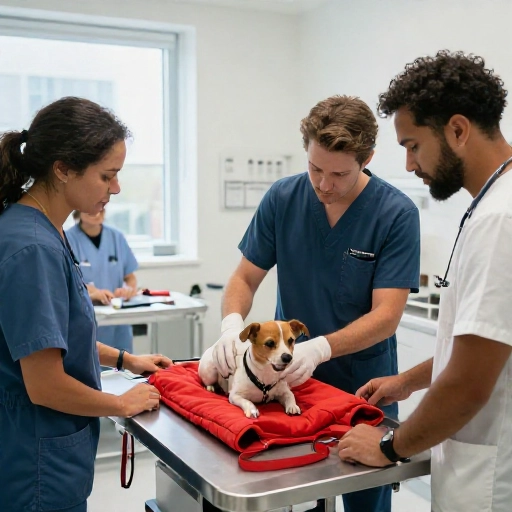
A same-day visit is my go-to when my pet is uncomfortable but stable. Think limping, mild diarrhea, a small cut, ear shaking, or a low appetite that started today. These aren’t 3 a.m. emergencies, but they shouldn’t wait a week either.
I call as soon as the clinic opens and say: “My pet has [symptom] since [time]. They are stable but I’d like a same-day sick visit.” I mention if they’re a senior, a puppy, or have a chronic condition.
Same-day visits can save money, keep me with my regular vet, and avoid the emergency room wait. The key is being honest about symptoms so the front desk can triage me correctly.
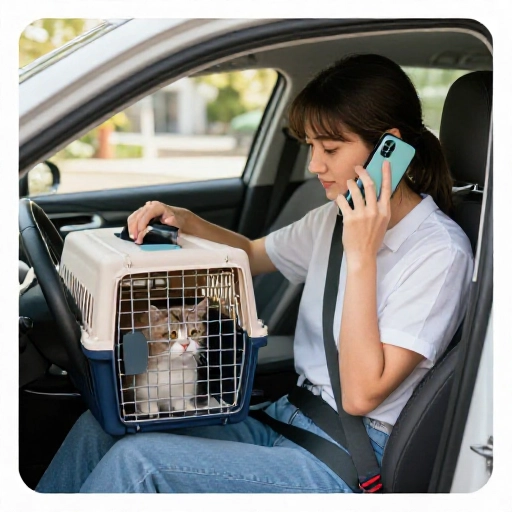
4. Monitor at Home: Only When It’s Mild, Stable, and Planned
Monitoring at home is not “ignore it and hope.” It’s an active plan with a timer. I only choose it when my pet is eating, drinking, breathing normally, and acting mostly like themselves. Mild itching, a single soft stool, or a small scrape can sometimes be watched.
I set a 2-hour check-in alarm. I note energy, appetite, water intake, pee, poop, and pain level. If anything gets worse, I stop monitoring and call the vet.
I never monitor at home if my pet is a baby, a senior, pregnant, or has a condition like diabetes, kidney disease, or heart disease. Those pets can crash fast.

5. My 5-Point Triage: Breathing, Gums, Consciousness, Pain, Bleeding
I use this quick check when I’m panicking. It helps me decide fast.
- Breathing: normal rate, no straining, gums pink
- Circulation: press gum, color returns in 1–2 seconds
- Consciousness: alert, responds to name, no confusion
- Pain: whining, pacing, guarding, not wanting to be touched
- Bleeding: pressure stops it within a few minutes
If one point is off, I call the vet. If two or more are off, I go to emergency. If all are normal, I still write down what I see and recheck in 30 minutes.
This isn’t a diagnosis. It’s a way to cut through panic and get my pet help faster.
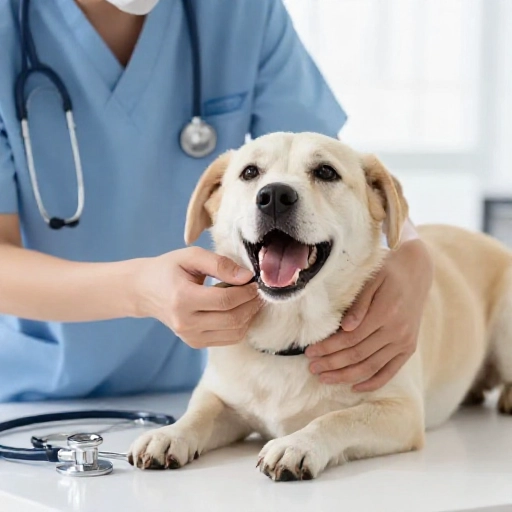
6. Call First—Even If You’re Already in the Car
Calling the vet or emergency clinic does two things: it lets them prepare, and it tells me if I should come. I say: “I’m 10 minutes away. My dog is vomiting and his belly looks bloated.” Short and specific.
I ask: Should I come now? Can you see us? Is there a wait? What should I do on the way? Should I bring the pill bottle or the chewed plant?
If they say come, I go. If they say call my regular vet, I do. If I can’t reach anyone, I default to the emergency clinic for serious signs.
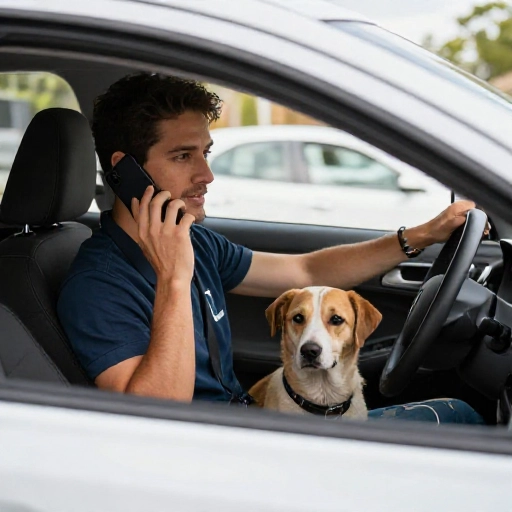
7. Time-Sensitive Conditions Where Hours Change Everything
Some conditions go from “maybe” to “life-threatening” in hours. I don’t wait on these.
- Bloat/GDV: retching, drooling, hard belly
- Urinary blockage: straining, no pee, crying
- Poisoning: chocolate, xylitol, grapes, lilies, antifreeze
- Heatstroke: heavy panting, wobbling, bright red gums
- Seizures: cluster seizures or one lasting over 3 minutes
- Trauma: hit by car, fall, dog fight
For these, I skip the wait-and-see. I call the emergency vet while I leash my pet and grab my keys.
Even if my pet seems okay after a trauma, internal injuries can hide. I get them checked.
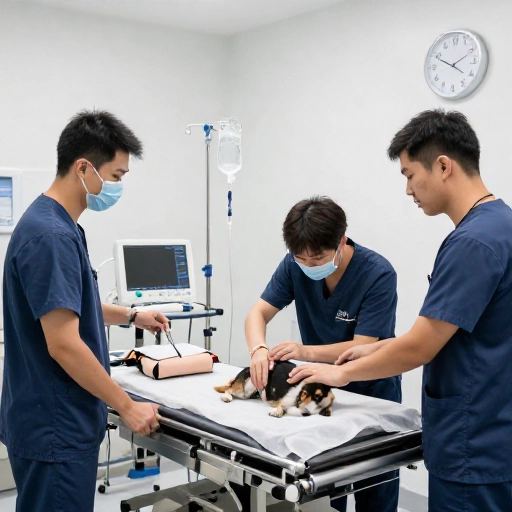
8. How to Snag a Same-Day Vet Appointment Fast
Same-day slots disappear early. I call right when the clinic opens. If I can’t get through, I use their app or portal if they have one, then call again in 15 minutes.
I’m flexible: I’ll take any vet in the practice, not just my favorite. I ask to be put on a cancellation list. I say I can arrive in 20 minutes if a spot opens.
If my regular vet is fully booked, I call nearby clinics. A same-day visit with a new vet is better than an emergency room bill for a mild issue—if my pet is stable.
9. At-Home Monitoring: What to Track and What to Avoid
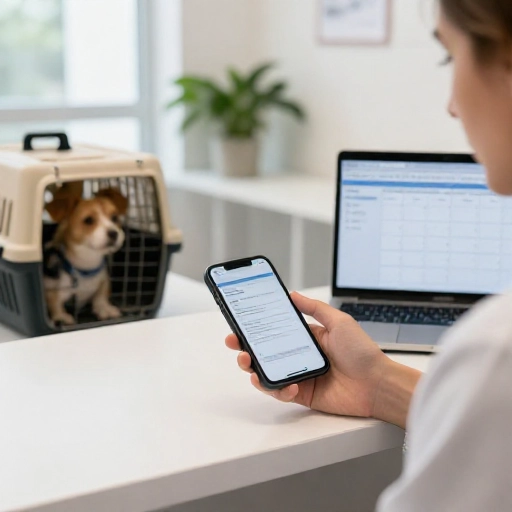
When I monitor at home, I become a note-taker. I write down the time, symptom, and anything that changed. I keep the note on my phone so I can read it to the vet.
I track appetite, water, pee, poop, energy, gum color, breathing rate, and pain. I check every 1–2 hours. I don’t poke or prod a painful area, and I don’t give human meds unless my vet says so.
I avoid the “wait until tomorrow” trap if my pet is not improving. If I’m up at 2 a.m. worried, that’s a sign to call the vet.

10. Money, Guilt, and Making the Call Without Freezing
Emergency care can be expensive. I get it. But guilt and money can make me freeze. I try to separate the decision into two parts: medical urgency and financial reality.
I ask the clinic for an estimate before treatment. I ask about payment plans, CareCredit, or pet insurance. I ask if a same-day visit is safe. If it’s an emergency, I focus on stabilizing first, then figure out the rest.
I remind myself: choosing a same-day visit or monitoring at home isn’t neglect if my pet is stable and I have a plan. Choosing the ER isn’t overreacting if my pet is suffering. I can make a good decision with the info I have.

Conclusion: Trust Your Gut and Get Help Early
If you remember one thing, make it this: breathing, bleeding, bloating, and blocked pee are emergency words. When in doubt, call. A vet can help you sort emergency vet vs. same-day visit vs. monitor at home in minutes.
My rule: if I’m asking the internet at 2 a.m., I should be calling a vet. If my pet is stable and it’s daytime, I book same-day. If it’s mild and my pet is normal, I monitor with a timer and a plan.
You know your pet best. Combine that knowledge with professional advice, and you’ll make the right call.
FAQ: Emergency Vet, Same-Day Visit, or Monitor at Home?
Q: How do I know if it’s a true emergency?
A: True emergencies include trouble breathing, collapse, seizures, heavy bleeding, a hard swollen belly, straining to pee with no urine, suspected poisoning, or heatstroke. If you see these, go to the emergency vet now.
Q: Can I wait until morning to see my regular vet?
A: Only if your pet is stable, breathing normally, and not in severe pain. If symptoms are getting worse or your pet is a puppy, senior, or has a chronic illness, call an emergency clinic.
Q: What if I can’t afford the emergency vet?
A: Call and ask for an estimate. Ask about payment plans, pet insurance, or lower-cost clinics. Be honest. Many vets will help you find options or tell you if a same-day visit is safe.
Q: Is monitoring at home ever okay?
A: Yes, for mild, stable issues like a single soft stool or a small scrape. Set a timer, track symptoms, and call the vet if anything changes. Never monitor breathing trouble or a bloated belly at home.
Q: Should I call the vet before I go to the ER?
A: Yes, if you can. Calling helps the clinic prepare and tells you if you should come in. But if your pet is struggling to breathe, unconscious, or bleeding heavily, go first and call on the way.