What to Buy Before Bringing Your Puppy Home: 10 Puppy Essentials You’ll Actually Use
When I decided to bring my puppy home, my heart was ready way before my apartment was. I had a name picked out, a camera roll full of puppy photos, and zero clue how much one tiny dog could actually need.
If you’re in the same spot, take a breath. You don’t have to buy the entire pet store. You just need a smart puppy shopping list that covers safety, feeding, potty training, and comfort for the first few weeks.
Here are the 10 things I’d buy before bringing a puppy home — practical, tested, and way less overwhelming than scrolling through a hundred “must-have” lists.
1. A Cozy Crate and Puppy-Safe Bedding
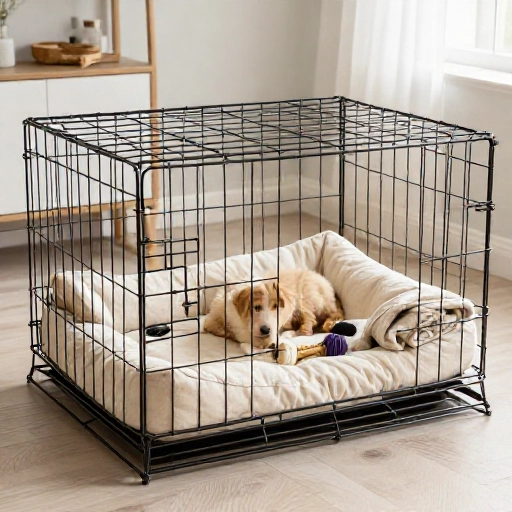
A crate isn’t a cage — it’s a little den where your puppy can feel safe. I bought one that was just big enough for my puppy to stand up, turn around, and lie down comfortably. If it’s too huge, potty training gets confusing because they can sleep in one corner and pee in another.
For bedding, I skipped the giant fluffy bed at first. Puppies chew, dribble, and have accidents. Instead, I used:
- A washable crate pad
- A soft fleece blanket
- A snuggle toy with a heartbeat
I also kept a second blanket that smelled like the breeder’s home. That familiar scent made the first night so much easier.
2. Puppy Food, Treats, and the Right Bowls
Ask your breeder or rescue what food your puppy is eating right now. Suddenly switching foods is a fast track to an upset tummy. I bought the same brand first, then slowly mixed in a new food over a week or two if I wanted to change it.
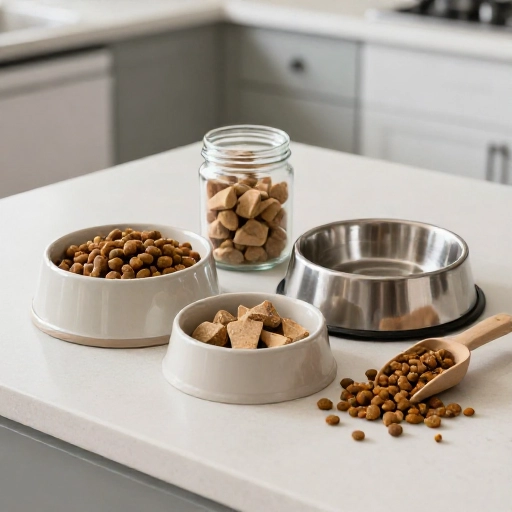
For bowls, I like stainless steel or ceramic because they’re easy to clean and don’t hold smells. Look for shallow, non-slip bowls — deep ones can bother a puppy’s whiskers.
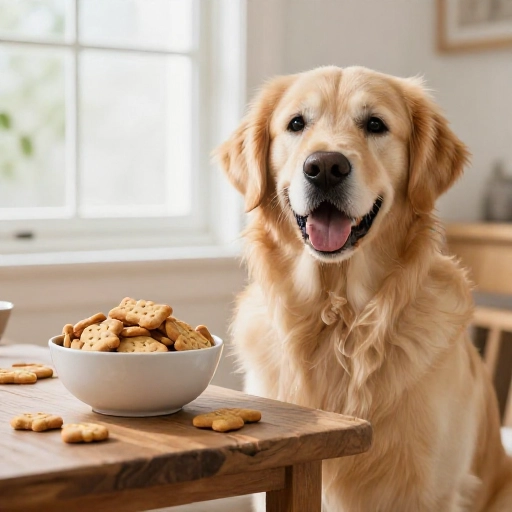
Treats should be tiny and soft. I stocked up on pea-sized training treats, freeze-dried liver, and a few chews for crate time. A treat pouch made training way more convenient.
3. Potty Training Supplies That Save Your Sanity
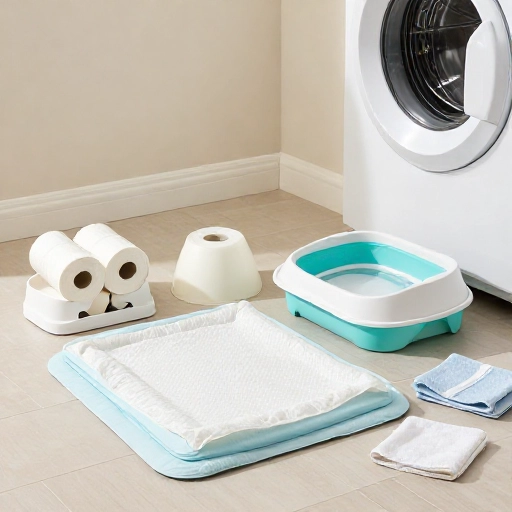
Potty training is less about stuff and more about timing, but the right supplies help. I bought puppy pads for nighttime and emergency indoor moments, plus a pack of poop bags for walks.
An enzyme cleaner is non-negotiable. Regular cleaner might make the spot look clean, but the smell stays behind and tells your puppy, “This is the bathroom.” Enzyme cleaner actually breaks down the odor.
I also grabbed a small bell for the door and a shallow plastic bin to hold everything. Having a potty station by the door kept me from scrambling at 2 a.m.
4. A Good Collar, Harness, Leash, and ID Tag
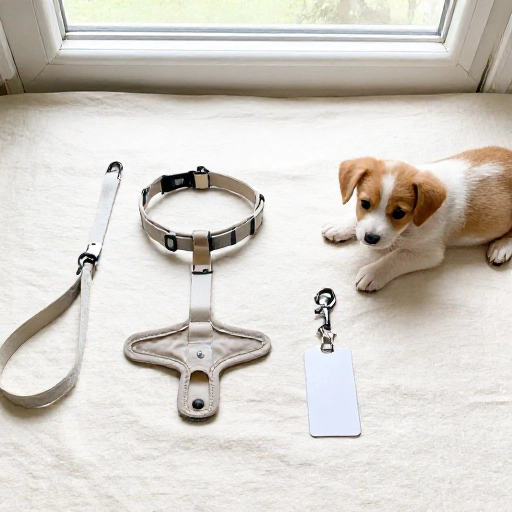
Your puppy needs a collar with an ID tag from day one — even if they’re only in the backyard. I chose an adjustable collar that fit snugly but still let me slide two fingers underneath.
For walks, I prefer a harness over a collar. A harness takes pressure off the neck, which matters for tiny growing bodies. A 4-to-6-foot leash is perfect for everyday walks and training.
The ID tag should have your phone number and maybe “microchipped” on the back. I also kept a backup tag in my car because I lose things.
5. Toys for Teething, Chewing, and Brain Work
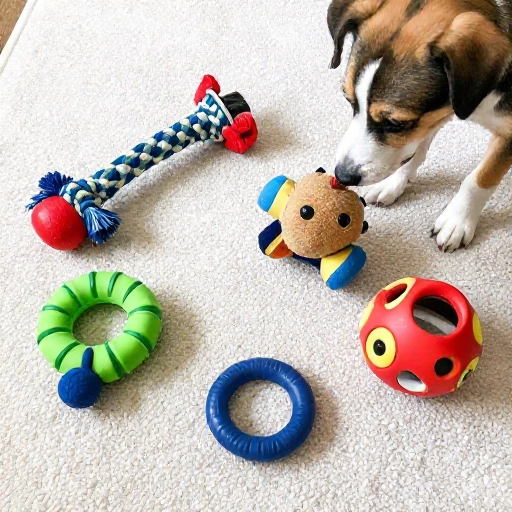
Puppies explore the world with their mouths, so toys are not optional. I bought a mix of soft plush toys, rubber chew toys, a tug rope, and a puzzle toy that drops treats.
Teething puppies need safe things to chew. Avoid hard antlers, hooves, and bones that can crack teeth. Rubber toys you can stuff with treats are a lifesaver when you need 20 minutes to yourself.
I rotate toys every few days. When I bring an old toy back out, it feels brand new again. This one trick saved me from buying a new toy every week.
6. Grooming Basics for a Fresh, Happy Puppy
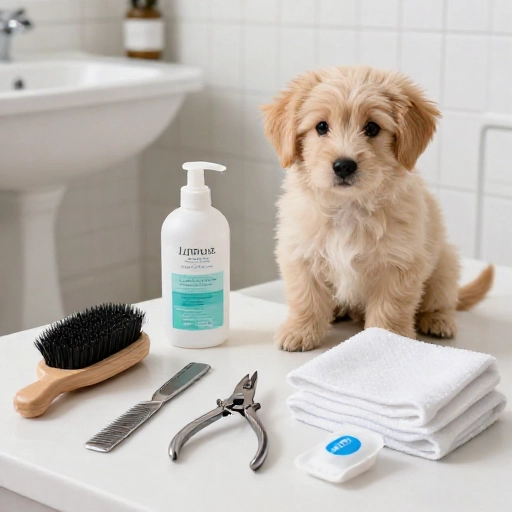
You don’t need a full grooming salon at home, but a few basics make a big difference. I bought puppy-safe shampoo, a soft brush, nail clippers, and a toothbrush with dog toothpaste.
Start handling your puppy’s paws, ears, and mouth early. I did one-minute sessions with treats, and now nail trims are much less dramatic.
Keep a towel or two just for your puppy. After muddy walks or baths, you’ll be glad you have them within reach.
7. Puppy Health and Safety Must-Haves
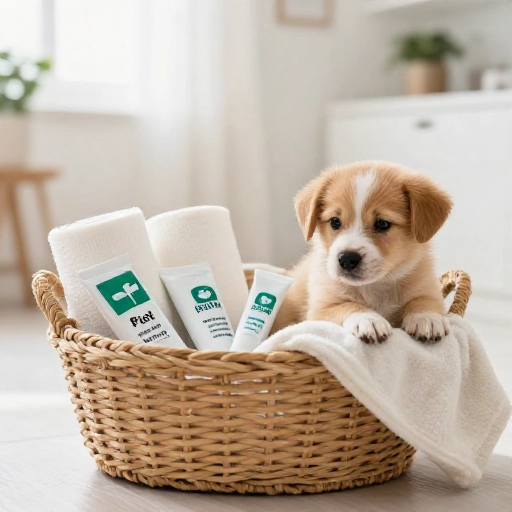
Before bringing my puppy home, I set up a first aid kit with gauze, vet wrap, styptic powder, a thermometer, and saline solution. I also saved my vet’s number and the nearest emergency clinic in my phone.
Flea, tick, and heartworm prevention should be chosen with your vet. Don’t guess with over-the-counter products — some are not safe for puppies.
I kept a folder for vaccination records, microchip info, and vet receipts. It sounds boring, but it’s so helpful when you need to board or travel.
8. Training Tools for Manners and Good Habits
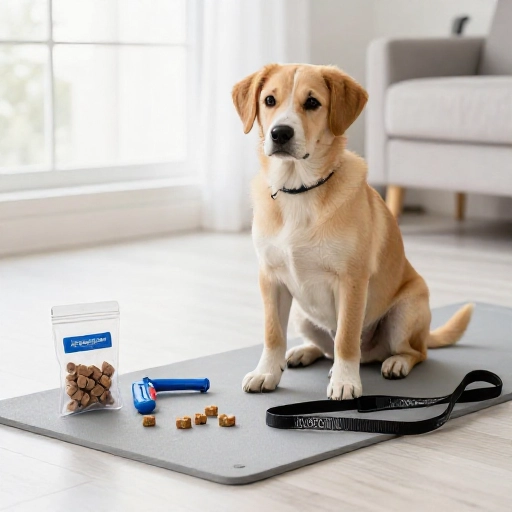
Training starts the moment your puppy comes home. I used a clicker, a treat pouch, and a long line for safe outdoor practice. A puzzle feeder also slowed down fast eaters and kept my puppy busy.
For the first week, I focused on name recognition, potty breaks, and gentle handling. Short sessions — two to five minutes — worked way better than long ones.
I also bought a few chews specifically for crate time. They helped my puppy learn that the crate is a good place, not a punishment.
9. Cleaning Supplies for Accidents and Messes
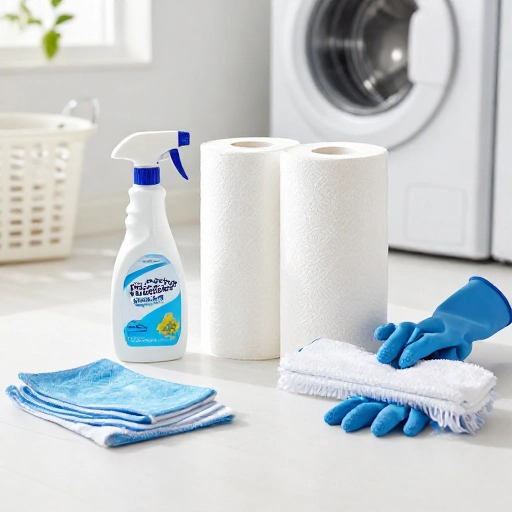
Puppies are messy. I accepted that early and stocked up on enzyme cleaner, paper towels, gloves, and a trash can with a lid. Having a “puppy cleanup caddy” in each room made accidents less chaotic.
For laundry, I used a pet-safe detergent and washed bedding often. A waterproof mattress protector for the crate pad saved me from replacing it twice.
I also kept a small handheld vacuum near the door for muddy paw prints and kibble crumbs. It’s one of those things you don’t think about until you need it.
10. Puppy Gates, Playpen, and Home Setup
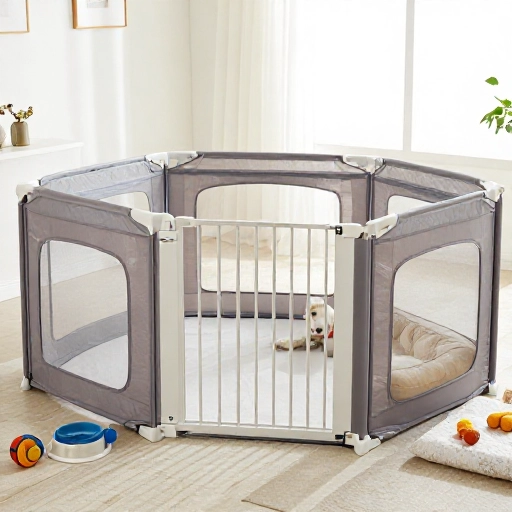
Before my puppy arrived, I walked through my home at puppy height. I moved cords, locked cabinets, and picked up anything small enough to swallow. Baby gates and an exercise pen gave me safe zones without shutting my puppy in a bathroom.
A playpen is great for short breaks, phone calls, or when you need to cook. I put a bed, water bowl, and a few toys inside so it felt like a happy little apartment.
I also bought a trash can with a locking lid and cord protectors for the TV area. Trust me — a bored puppy can turn a phone charger into confetti in seconds.
Final Thoughts: Start Simple, Then Adjust
Bringing a puppy home is exciting, overwhelming, and wonderful all at once. You don’t need to buy every single thing on the internet. Start with the essentials above, keep your receipts, and see what your puppy actually likes.
The best puppy shopping list is the one that helps you build a safe, calm routine. A crate, good food, potty supplies, a few toys, and a cozy spot to nap will get you through the first week. Everything else can wait until you know each other better.
FAQ: What to Buy Before Bringing Your Puppy Home
Q: What is the absolute must-buy before bringing a puppy home?
A: A crate, puppy food, two bowls, a collar with ID, a leash, potty pads or bags, enzyme cleaner, and a few safe toys. Those cover safety, feeding, potty training, and comfort.
Q: How much should I spend on puppy supplies?
A: It depends on your budget and your puppy’s size. You can start small and upgrade later. Spend more on safety items like a crate, harness, and vet-recommended prevention, and less on fancy beds or too many toys.
Q: Should I buy puppy pads or train outside right away?
A: If you have a safe outdoor space and your puppy has started vaccines, outdoor potty training is great. Puppy pads can help for nighttime, apartments, or bad weather. Just be consistent with whatever you choose.
Q: What toys are unsafe for puppies?
A: Skip hard antlers, hooves, cooked bones, and toys with small parts that can pop off. Also avoid ropes if your puppy swallows strings. Always supervise new toys.
Q: Do I need a harness and a collar?
A: Yes, I think so. The collar holds the ID tag, and the harness is for walks and training. A harness is gentler on a puppy’s neck, especially if they pull.