10 Best Dog Treats for Clicker Training That Your Pup Will Actually Work For
I still remember the first time I picked up a clicker. My dog stared at me like I’d lost my mind, and honestly, I wasn’t sure I was doing it right either. What changed everything for us wasn’t the clicker itself — it was the treat in my hand.
Here’s the thing nobody tells you at the start: clicker training only works when your dog thinks the reward is worth the effort. If you’re using a boring biscuit, you’re basically asking your dog to run a marathon for a cracker. But the right treat? That’s when the magic happens.
After years of trial, error, and a lot of slobbery pockets, I’ve narrowed it down to ten treats that genuinely keep my dogs focused and excited to learn. Whether you’ve got a chihuahua or a labrador, there’s something on this list for you.
1. Freeze-Dried Beef Liver — The Classic That Never Fails
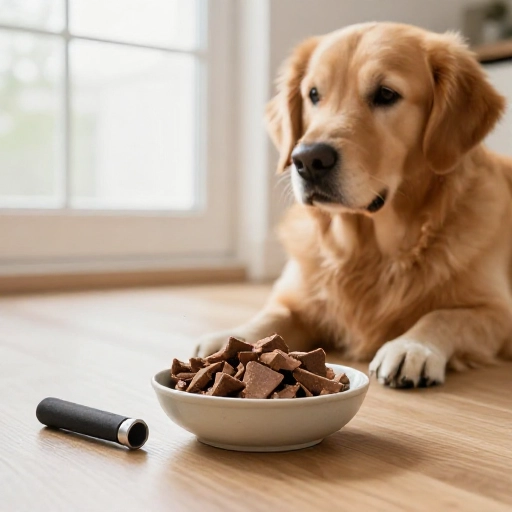
If I could only pick one treat for clicker training, it would be freeze-dried liver. Every single time. The smell is strong (in a good way, at least to dogs), it breaks apart easily, and it doesn’t crumble into dust in your pocket.
The reason liver works so well is the aroma. Dogs rely heavily on scent, so a treat that smells like actual meat grabs their attention instantly, even in a busy park with squirrels everywhere.
I love that freeze-dried liver is a single-ingredient treat too. No fillers, no weird additives, just meat. It’s perfect for dogs with sensitive stomachs or allergies. Just keep an eye on portion sizes since it’s rich.
- Great for: high-distraction environments
- Break into pea-sized pieces to make it last longer
- Store in an airtight container so it stays fresh
2. Soft Chicken Training Bits — Easy to Chew, Fast to Eat
Speed matters more than most people realize. In clicker training, you want your dog to eat the treat and get back to work quickly. Treats that take thirty seconds to chew break the rhythm of the session.
Soft chicken training bits are my go-to for this exact reason. They’re chewy, they smell great, and my dogs swallow them almost instantly. That means more repetitions per session, which means faster learning.
They’re also easy to tear into tiny pieces. I buy the small cubes and cut each one into quarters, so a single bag lasts me weeks.
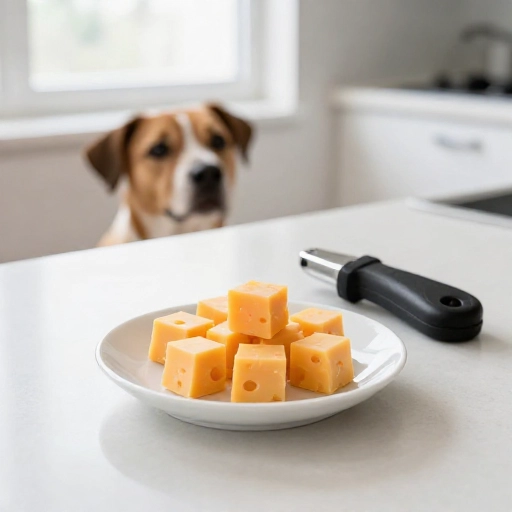
3. Cheese Cubes — The Emergency High-Value Reward
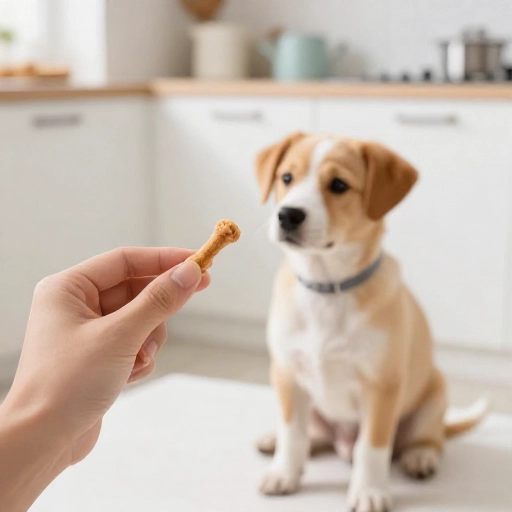
I keep a small container of cheese cubes in my training pouch for those moments when my dog just isn’t feeling it. Maybe it’s a windy day, maybe there’s a reactive dog nearby — whatever the reason, cheese cuts through the noise.
Please use it in moderation though. Too much cheese means an upset stomach, and nobody wants to deal with that at 2am. I save it for breakthrough moments or tough new skills.
Sharp cheddar is usually the winner. It’s pungent enough to get attention, and it holds its shape in a pocket without turning into mush.
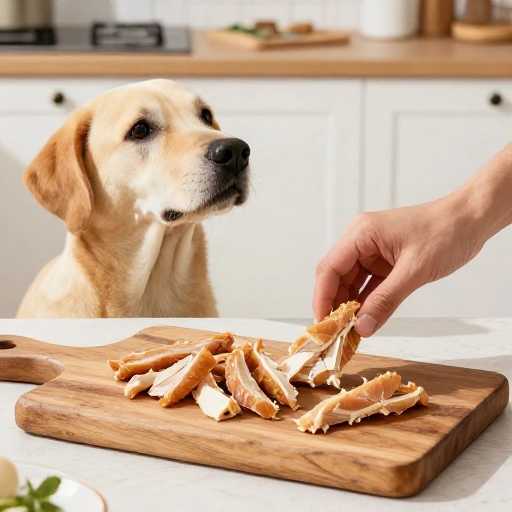
4. Dehydrated Chicken Breast — Clean and Simple
Dehydrated chicken strips are the treat I recommend to friends who want something healthy but still exciting. It’s just chicken, dried out until it’s chewy, and dogs go absolutely wild for it.
The best part? You can make it yourself in the oven if you’re feeling ambitious. Slice chicken breast thin, bake it low and slow, and you’ve got a batch of training treats for way less than store-bought.
I usually tear it into small shreds since a full strip would be way too much during rapid-fire clicking.
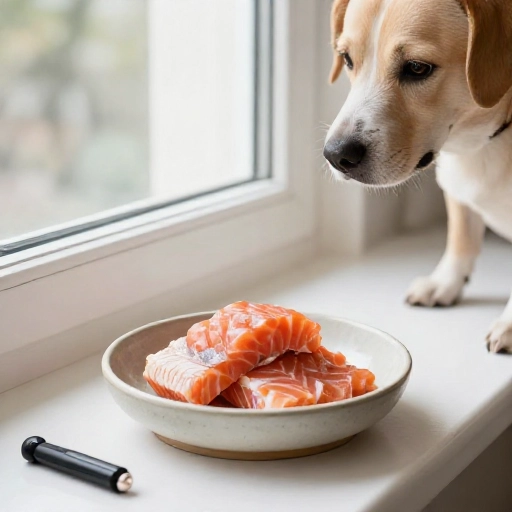
5. Salmon Skin Bites — Perfect for Sensitive Tummies
One of my dogs had a rough patch with digestion a couple years back, and salmon bites saved our training sessions. Fish is gentle on most dogs’ stomachs while still being high value.
The omega-3s are a nice bonus too. Shiny coat, healthy skin, happy dog. It’s one of those rare treats that feels like you’re doing something good beyond just rewarding behavior.
Fair warning: these smell fishy. Your car will know. But if your dog is picky or has allergies, it’s absolutely worth it.
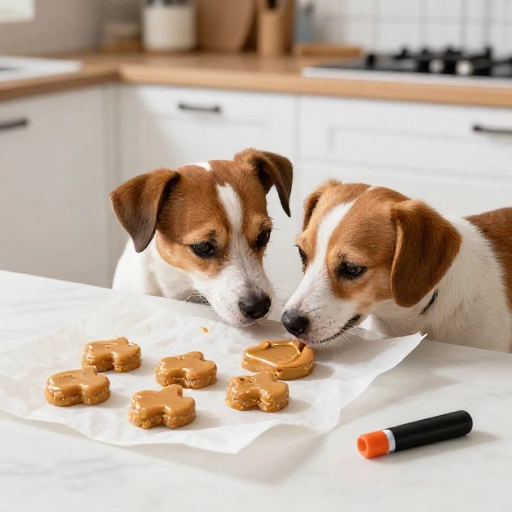
6. Peanut Butter Drops — For the Picky Eaters
Some dogs are weirdly unmotivated by meat. I know, it sounds strange, but it happens. For those dogs, peanut butter drops are a game changer.
Make sure the peanut butter you use has no xylitol. That ingredient is toxic to dogs and it’s showing up in more products than you’d expect. Always read the label carefully.
You can freeze small dollops on a baking sheet for a cool summer treat, or just buy ready-made training drops that don’t leave your fingers sticky.
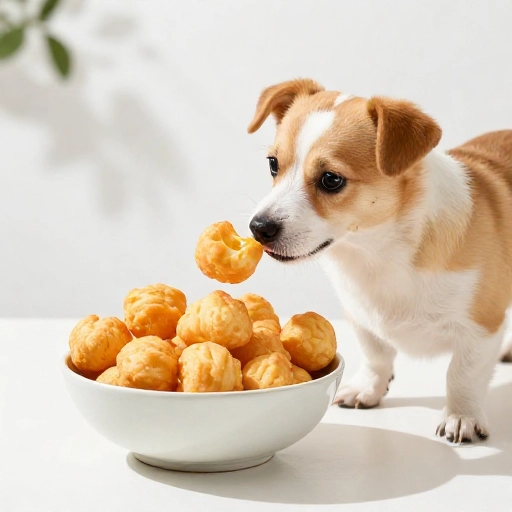
7. Cheddar Cheese Puffs — Light, Airy, and Fast
Before you roll your eyes, hear me out. Those light cheese puffs you find in the pet aisle are actually fantastic for clicker training because they’re mostly air. Your dog gets the taste and smell without filling up.
This matters during long sessions. If your dog eats too much dense food, they’ll lose interest partway through. Airy treats keep the motivation high without the food coma.
Plus they’re low in calories, which is a real concern if you’re training a small breed or a dog on a diet.
8. Turkey Bites — Lean Protein That Keeps Energy Up
Turkey is lean, digestible, and most dogs absolutely love it. I use turkey bites during longer training sessions when I know we’ll be working for fifteen or twenty minutes straight.
Because it’s lower in fat than beef or cheese, it’s a safer option for dogs prone to pancreatitis or weight gain. You get the high value without the risk.
Look for brands that use real turkey as the first ingredient and skip anything loaded with artificial preservatives.
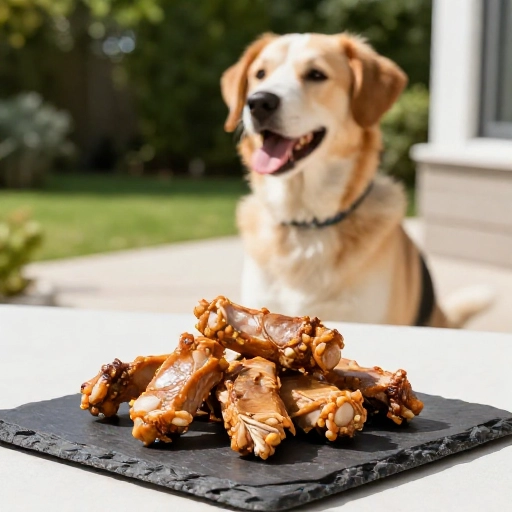
9. Sweet Potato Chews — The Plant-Based Option
Not every dog can handle meat-based treats, and that’s completely fine. Sweet potato chews are a fantastic alternative that still gets tails wagging.
They’re naturally sweet, which appeals to a lot of dogs, and they’re packed with fiber and vitamins. Just make sure the ones you buy are soft enough to break into small pieces.
Hard jerky-style sweet potato is great for chewing, but during clicker training you want small, quick bites. Soft baked cubes work best.
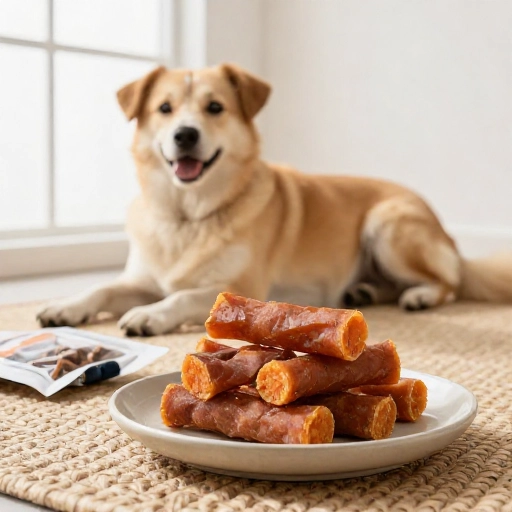
10. Mini Meatballs — The Homemade Hero
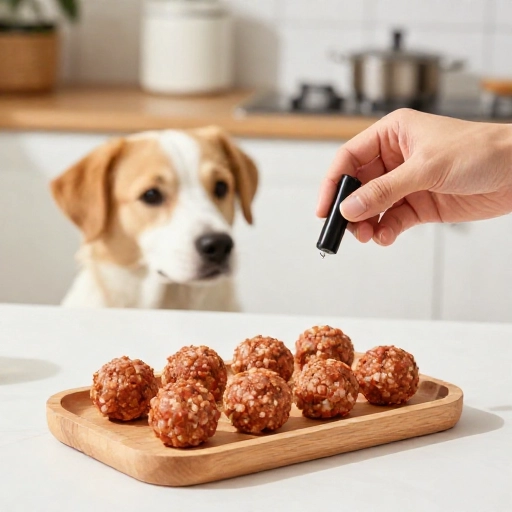
When I really want to blow my dog’s mind, I make mini meatballs. Plain ground beef or turkey, baked, no seasoning, cut into tiny pieces. That’s it.
It sounds like extra work, and honestly, it is a little. But the look on my dog’s face when the meatballs come out is worth every minute. This is the treat I save for teaching brand-new behaviors or fixing stubborn problems.
Make a big batch, freeze them in small portions, and pull them out when you need something special.
How I Pick the Right Treat for Each Session
Over time I’ve learned that variety keeps training fresh. I rotate treats so my dog never knows exactly what’s coming, which keeps the excitement alive.
For easy skills in a quiet room, I use lower-value treats like sweet potato or cheese puffs. For hard skills or distracting environments, out come the liver, cheese, and meatballs.
Also, cut everything small. Pea-sized is the sweet spot. Your dog cares about the taste, not the volume, and small pieces mean you can do way more repetitions without overfeeding.
Frequently Asked Questions
Can I use kibble for clicker training?
You can, and it works well for easy behaviors at home. But if your dog ignores kibble, don’t fight it. Step up to something smellier and more exciting.
How many treats should I give per session?
Aim for a session of five to ten minutes with twenty to thirty tiny pieces. That’s plenty. Always subtract those calories from your dog’s daily meals.
What if my dog isn’t food motivated at all?
Try higher-value options first — liver, cheese, meatballs. If that still doesn’t work, a favorite toy can be used as a reward instead of food.
Are store-bought treats okay, or should I make my own?
Both work. Store-bought is convenient and consistent. Homemade lets you control ingredients, which is great for dogs with allergies.
How do I keep treats from getting gross in my pocket?
Use a dedicated training pouch. It keeps everything clean, accessible, and stops your jacket from smelling like a butcher shop.
Final Thoughts
Clicker training is really just a conversation between you and your dog. The click marks the moment they got it right, and the treat says “yes, that’s exactly what I wanted.”
The treats on this list have all earned their place through hundreds of training sessions with my own dogs. You don’t need all ten, but finding two or three that your dog truly loves will make a massive difference.
Start with liver or soft chicken bits, keep your pieces small, and watch how quickly your dog starts offering behaviors just to earn that click. It’s honestly one of the most rewarding things about having a dog.