21 Puppy Care Tips Every First-Time Owner Should Know (I Wish I Knew These Sooner!)
Bringing home a puppy is one of the most exciting — and overwhelming — things you’ll ever do. I still remember the first night with my puppy, sitting on the floor at 2 a.m. wondering if I was doing anything right. If that sounds familiar, you’re in the right place.
I’ve made plenty of mistakes so you don’t have to. These 21 puppy care tips are the ones I wish someone had handed me before I brought my little fur tornado home. They cover the basics, the messy stuff, and the little habits that make a huge difference.
Whether you’re picking up your puppy next week or you just survived day one, these tips will help you feel calmer, more prepared, and way more confident. Let’s dive in.
1. Puppy-Proof Your Home Before They Arrive
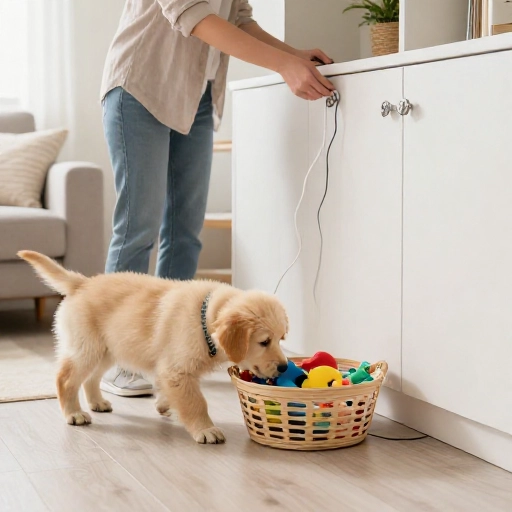
I learned the hard way that puppies explore the world with their mouths. Anything on the floor is fair game — shoes, phone chargers, remote controls, even socks. Before you bring your puppy home, get down on their level and look around.
Move trash cans behind cabinets, tape down loose wires, and put medications, cleaning supplies, and small objects up high. Block stairs with baby gates and close doors to rooms you don’t want them in.
It’s also smart to secure heavy furniture and hide houseplants, since many are toxic to dogs. A quick puppy-proofing session now saves you a stressful vet visit later.
2. Set Up a Cozy Crate or Safe Zone
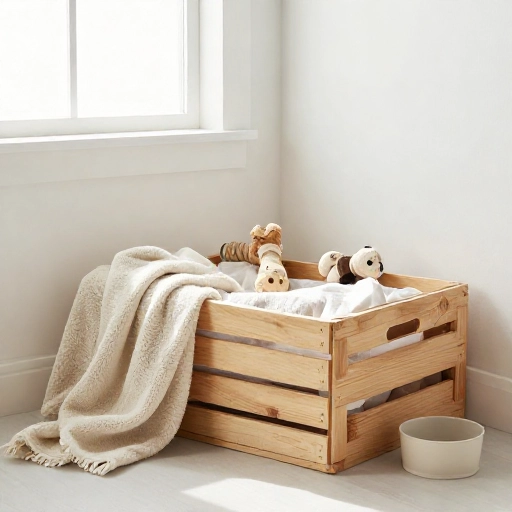
A crate isn’t a cage — it’s a bedroom. I wish I’d known that sooner. Puppies feel safer in a small, cozy space they can call their own. Set up a crate with soft bedding, a chew toy, and maybe a shirt that smells like you.
Put it in a quiet corner where your puppy can still see and hear the family. Never use the crate for punishment. Instead, make it a happy place with treats and praise.
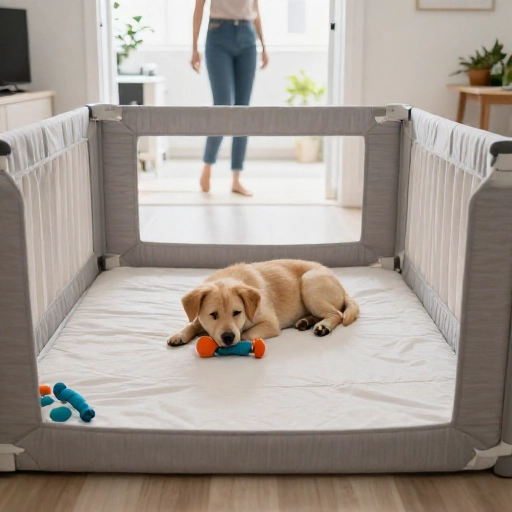
If you’re not into crates, create a small puppy-proofed pen or room. The goal is a safe zone where they can relax without getting into trouble.
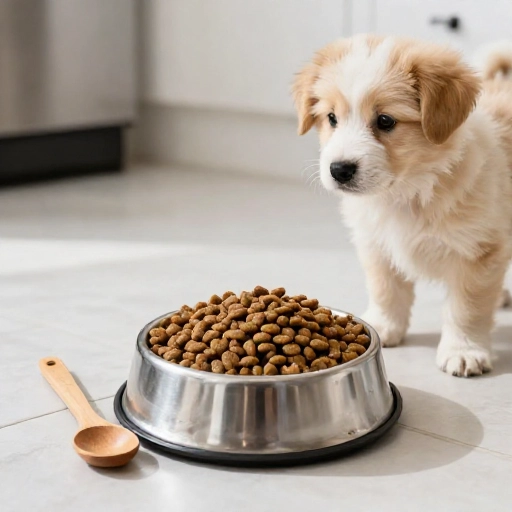
3. Pick a Quality Puppy Food (And Stick With It)
Not all puppy food is created equal. Look for a brand that meets AAFCO standards and lists a named meat as the first ingredient. I asked my vet for recommendations, and that saved me hours of confusing research.
Puppies need more calories, protein, and fat than adult dogs. So feed a formula specifically made for puppies, or one labeled for “all life stages.”
Once you find a food that works, stick with it. Sudden changes cause tummy troubles. If you must switch, do it slowly over 7–10 days, mixing a little more new food each day.
4. Feed on a Schedule, Not Free-Feeding
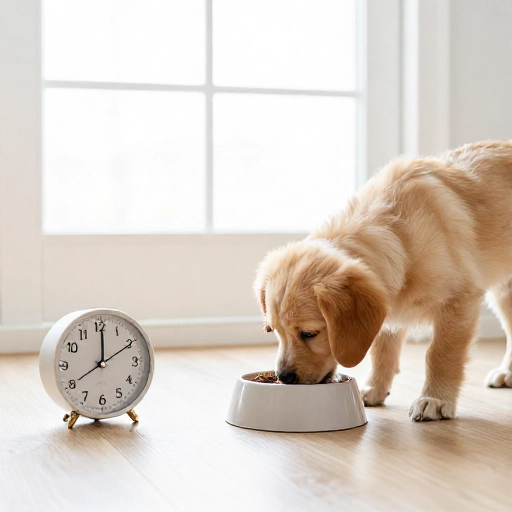
I used to leave food out all day, thinking my puppy would eat when hungry. Big mistake. Free-feeding makes potty training harder and can lead to picky eating or weight gain.
Instead, feed your puppy 3–4 small meals a day until they’re about 6 months old, then switch to 2 meals. Pick up the bowl after 15–20 minutes.
A schedule helps you predict when they’ll need to go out, which is a game-changer for potty training. It also builds routine and trust.
5. Watch Their Body Condition, Not Just the Bowl
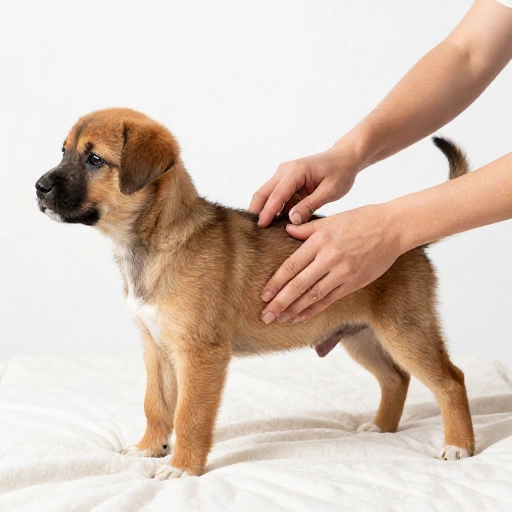
Puppy food bags give general guidelines, but every puppy is different. I learned to check my puppy’s body condition instead of obsessing over exact cup amounts.
You should be able to feel their ribs easily without seeing them. From above, they should have a visible waist. If ribs are hidden under fat, cut back a little. If they’re too prominent, add a bit more.
Ask your vet to show you how to do a body condition score. It’s a simple skill that keeps your puppy healthy for life.
6. Start Potty Training on Day One
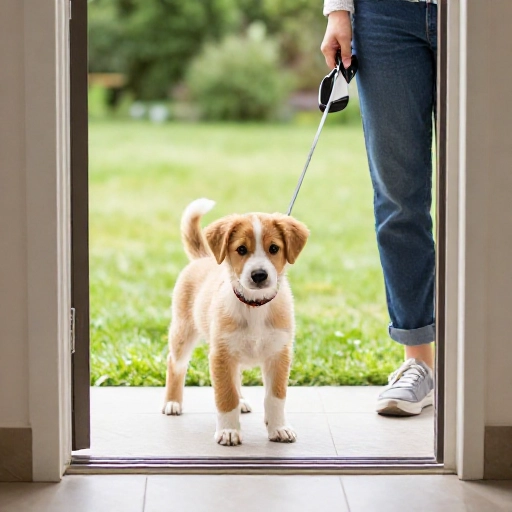
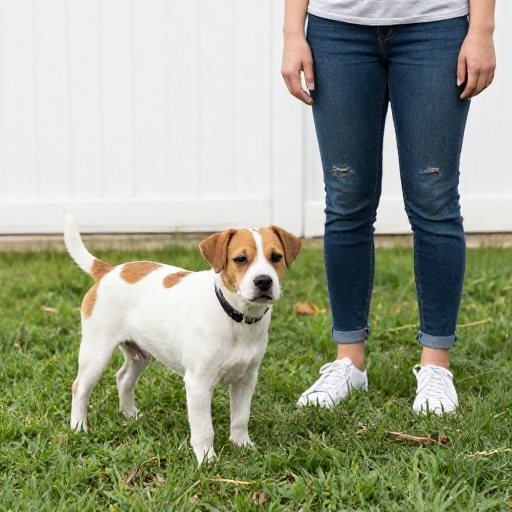
Potty training doesn’t wait for your puppy to “settle in.” Start the moment you get home. Take them out every 1–2 hours, plus after eating, drinking, playing, and napping.
Choose one potty spot and always take them there on a leash. Wait quietly for 5–10 minutes. If they go, throw a party — praise, treats, the works.
If they don’t go, bring them inside but watch them closely, then try again in 10 minutes. Accidents happen. Never punish — just clean up with an enzymatic cleaner and move on.
7. Keep Potty Breaks Frequent and Boring
I used to chat with my puppy during potty breaks, and he’d get distracted and forget to go. Now I keep it boring: no play, no petting, no eye contact until they finish.
Stand in one spot, say a gentle cue like “go potty,” and wait. Once they go, reward them like crazy. Then you can play.
At night, set an alarm for every 2–3 hours for the first few weeks. It’s exhausting, but it teaches your puppy that outside is the place to go.
8. Crate Train Slowly and Positively
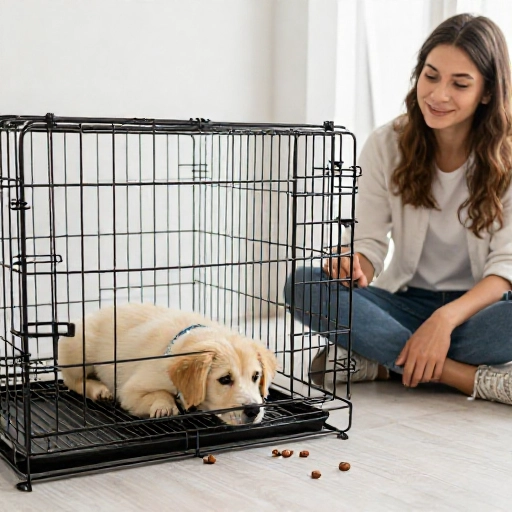
Crate training works best when you go slow. Start by feeding meals near the crate, then inside with the door open. Toss treats in randomly so it feels like a magic treat box.
Next, close the door for just a few seconds while they eat, then open it. Gradually build up to minutes. Never rush this — a bad crate experience sets you back.
If your puppy whines, wait for a pause before letting them out. Otherwise, they learn that whining opens the door. Be patient and consistent.
9. Use the Socialization Window Wisely
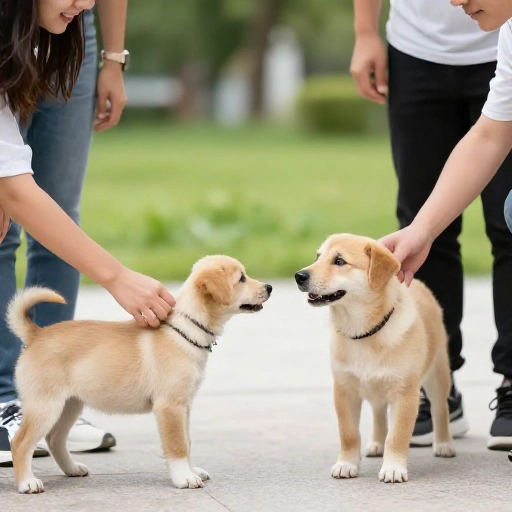
Between 3 and 14 weeks, puppies are like little sponges. What they experience now shapes how they feel about the world later. I made sure to introduce my puppy to new sights, sounds, and surfaces every day.
Invite friends over, carry them around the neighborhood, play fireworks sounds at low volume, and let them walk on grass, tile, and gravel. Keep it positive with treats and praise.
Until they’re fully vaccinated, avoid dog parks and unknown dogs. But don’t lock them inside — just be smart about where you go.
10. Teach Bite Inhibition Early
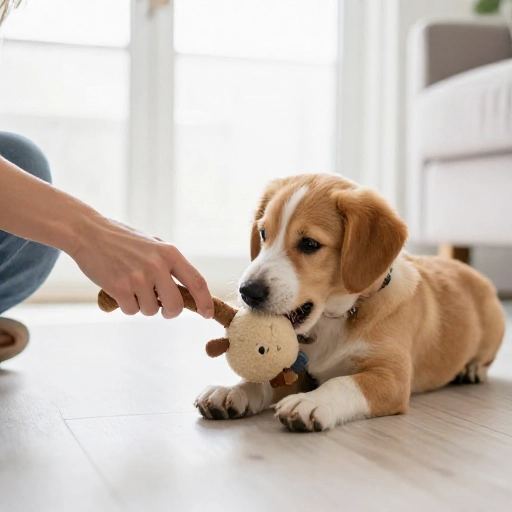
Puppy teeth are sharp, and those little nips hurt. But biting is normal. What matters is teaching them to be gentle. When they bite too hard during play, yelp loudly and stop playing for 10 seconds.
If they keep biting, redirect to a toy. Say “yes” and reward when they chew the toy instead. Consistency is key — everyone in the house must do the same thing.
Never hit or hold their mouth shut. That creates fear and can make biting worse. Patience and redirection work best.
11. Handle Paws, Ears, and Mouth Daily
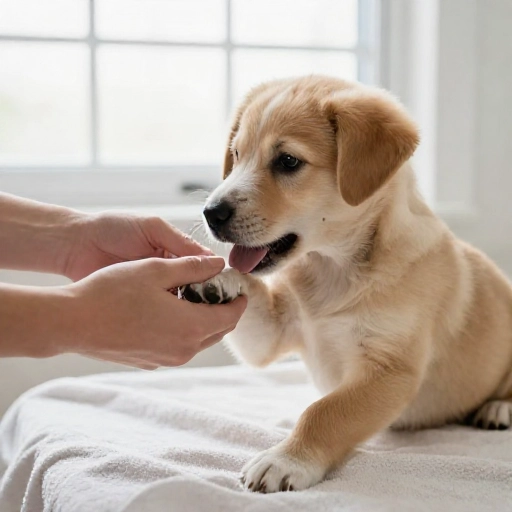
I wish I’d touched my puppy’s paws every day from the start. It makes nail trims and vet visits so much easier. Gently hold each paw for a few seconds, then give a treat. Do the same with ears and mouth.
Look inside their ears, lift their lips to check teeth, and touch their tail. Keep sessions short and happy. Pair every touch with something good.
If your puppy pulls away, don’t force it. Go slower, use higher-value treats, and try again later. This is about building trust, not winning a fight.
12. Keep Training Sessions Short and Fun
Puppies have tiny attention spans. I learned that 5-minute sessions, 2–3 times a day, work way better than one long frustrating class. Always end on a win.
Teach basic cues like sit, down, come, and leave it. Use tiny treats and lots of praise. If your puppy loses focus, take a break and play.
Training should feel like a game, not a chore. Short, positive sessions build a puppy who loves to learn.
13. Reward What You Like (Positive Reinforcement)
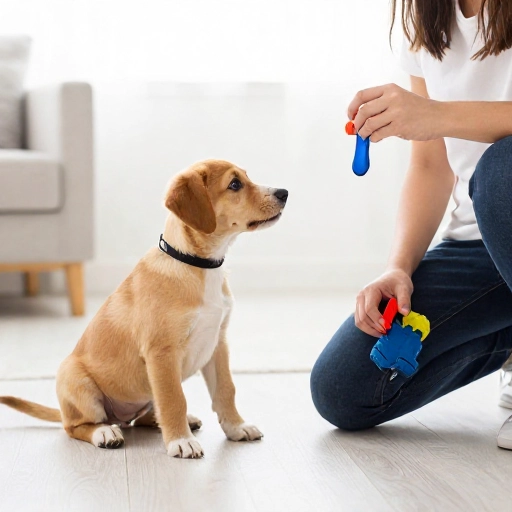
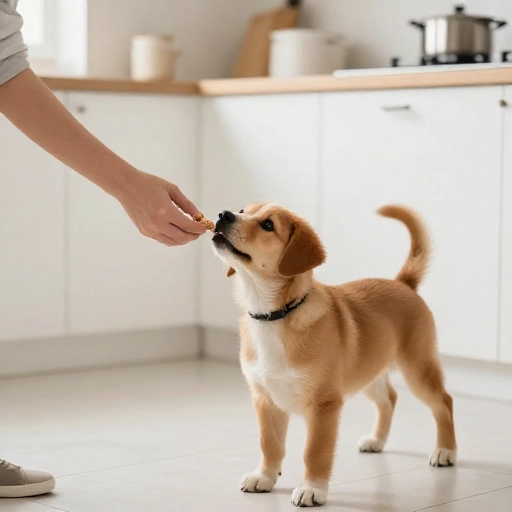
Punishment teaches fear. Rewards teach behavior. Every time your puppy does something you like — sitting quietly, chewing a toy, coming when called — mark it with a “yes” and a treat.
I keep treats in my pocket all day. That way I can reward good behavior instantly. The more you reward, the more that behavior repeats.
Ignore the stuff you don’t like (as long as it’s not dangerous). Turn away, cross your arms, and wait. Then reward the moment they stop.
14. Provide Lots of Safe Chew Toys
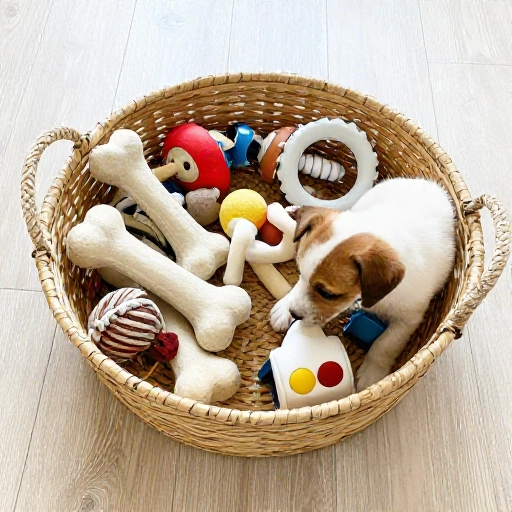
Puppies chew to explore, relieve teething pain, and burn energy. If you don’t give them something to chew, they’ll choose your shoes. I learned that the hard way.
Offer a variety: rubber toys, rope toys, puzzle toys, and edible chews made for puppies. Rotate them every few days so they feel new.
Avoid cooked bones, antlers, and hard plastic that can crack teeth. Always supervise, and replace toys as soon as they get worn out.
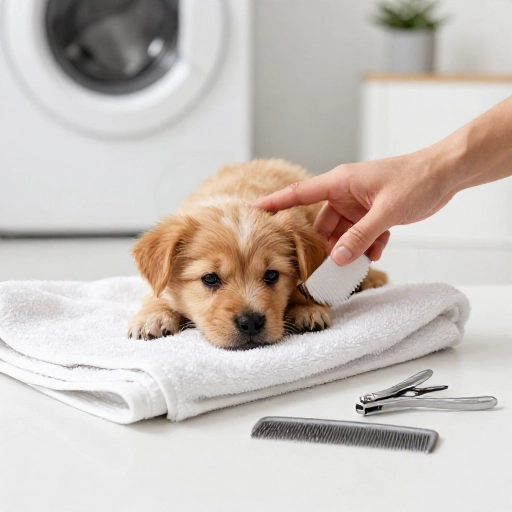
15. Start Grooming Habits Right Away
Even short-haired puppies need grooming. I started brushing my puppy for just 2 minutes a day, with treats. Now he actually enjoys it.
Get them used to nail clippers, toothbrush, and bath time early. Touch their paws, turn on the clippers near them, and reward calm behavior.
If you wait until they’re older, grooming becomes a wrestling match. A little daily practice now saves you a lot of stress later.
16. Stick to the Vet Schedule
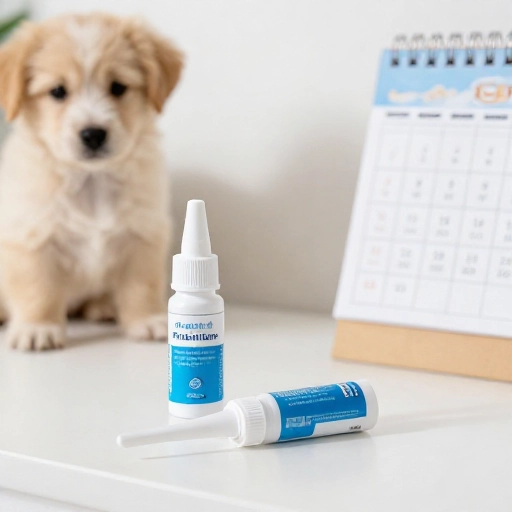
Puppies need a series of vaccines, deworming, and checkups. I marked every appointment on my calendar and never skipped one. It’s the easiest way to prevent serious illness.
Your vet will also check for parasites, heart murmurs, and other issues. Ask questions — no question is too small. Write them down before you go.
Keep a folder with vaccine records, microchip info, and vet notes. You’ll need it for daycare, boarding, and travel.

17. Stay on Top of Parasite Prevention
Fleas, ticks, heartworms, and intestinal worms are no joke. I use monthly preventatives recommended by my vet, and I’ve never had a problem.
Even indoor puppies can get parasites from grass, other animals, or mosquitos. Don’t skip winter — many parasites are year-round.
Check your puppy’s poop for worms, and watch for scratching, hair loss, or lethargy. If something seems off, call your vet.
18. Soothe Teething Pain
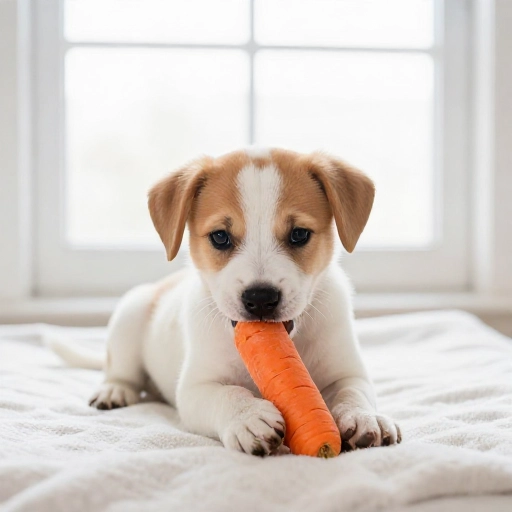
Teething puppies are uncomfortable. Their gums are sore, and they want to chew everything. I kept frozen carrots, chilled washcloths, and puppy-safe chew toys in the freezer.
Wet a washcloth, twist it, freeze it, and give it to your puppy. The cold numbs their gums. Just watch that they don’t swallow pieces.
If your puppy is really struggling, ask your vet about safe pain relief. Never give human medications without asking.
19. Respect Their Sleep Needs
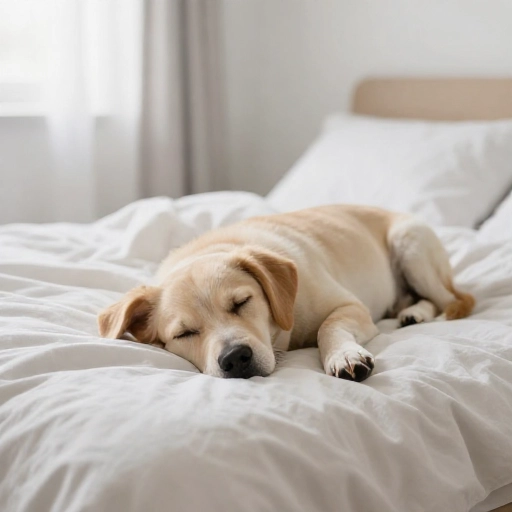
Puppies sleep 18–20 hours a day. That’s not laziness — it’s how they grow and process the world. I learned to enforce nap time in the crate when my puppy got bitey and wild.
A tired puppy is a cranky puppy. If they’re zooming around and nipping, they probably need a nap. Put them in their safe zone and let them snooze.
Don’t feel guilty about quiet time. A well-rested puppy is a happy, well-behaved puppy.
20. Practice Alone Time Early
Separation anxiety is real, and it’s heartbreaking. I started leaving my puppy alone for just a few seconds, then minutes, while I was still home. I’d walk to another room and come back.
Slowly build up to 30 minutes, then an hour. Give them a frozen stuffed toy to keep them busy. Don’t make a big deal when you leave or return.
If your puppy panics, drools, or destroys things, talk to your vet or a trainer. Early practice prevents bigger problems later.
21. Build an Emergency Kit and Learn Warning Signs
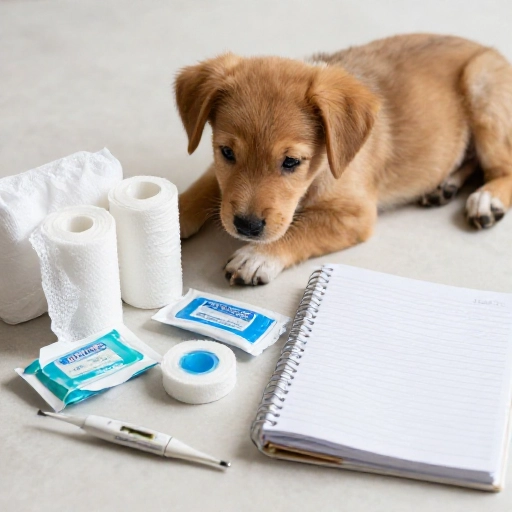
I keep a puppy first-aid kit with gauze, vet wrap, antiseptic wipes, a thermometer, and hydrogen peroxide (for emergencies only, ask your vet first). It stays in a labeled box.
Know the signs that mean “call the vet now”: vomiting, diarrhea, refusal to eat, lethargy, trouble breathing, pale gums, or seizures. Trust your gut.
Save your vet’s number and an emergency clinic’s number in your phone. Minutes matter in an emergency. Being prepared gives you peace of mind.
Final Thoughts on Puppy Care
Bringing home a puppy is a wild ride, but you don’t have to be perfect. I’ve made plenty of mistakes, and my puppy still turned out amazing. What matters is showing up, being consistent, and showering them with love.
Start with these 21 tips, take it one day at a time, and celebrate the small wins. Before you know it, you’ll have a happy, healthy dog who thinks you’re the best thing in the world.
Frequently Asked Questions
How often should I take my puppy out to potty?
Every 1–2 hours during the day, and every 2–3 hours at night for the first few weeks. Puppies have tiny bladders and no control yet.
When can my puppy meet other dogs?
After they’re fully vaccinated, usually around 16 weeks. Until then, socialize them with healthy, vaccinated dogs in safe environments, or carry them in public.
What should I feed my puppy?
A high-quality puppy food that meets AAFCO standards. Ask your vet for a recommendation based on your puppy’s size, breed, and health needs.
How do I stop my puppy from biting?
Yelp and stop playing when they bite too hard. Redirect to a chew toy and reward gentle behavior. Be consistent and never punish physically.
Do puppies need training classes?
Yes, puppy classes are great for socialization and basic obedience. They also help you learn how to communicate with your puppy. Look for positive-reinforcement classes.