7 Nutritious Homemade Dog Food Recipes Your Pitbull Will Absolutely Devour
Let’s be real for a second—Pitbulls are basically furry garbage disposals with legs. They’ll eat anything you put in front of them, including that sock they stole from the laundry basket. But just because they will eat anything doesn’t mean they should. As a proud pitbull parent, I know you want your muscular, goofy, cuddle-loving companion to live a long, healthy life. That starts with what’s in the bowl.
I’ve spent countless weekends in my own kitchen, experimenting with recipes that keep my pup’s coat shiny, his joints strong, and his tail wagging. Homemade dog food isn’t just a fun hobby—it’s a way to control exactly what goes into your dog’s body. No mystery meats, no weird fillers, no preservatives. Just real, wholesome ingredients that fuel their big hearts and even bigger personalities. Ready to become your pitbull’s favorite chef? Let’s dive into these seven crowd-pleasing recipes that are as nutritious as they are delicious.
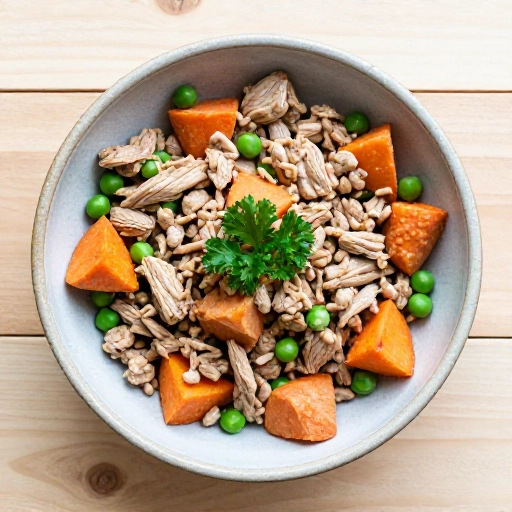
1. Lean Turkey & Sweet Potato Power Bowl
This is the recipe I make on Sundays to meal-prep for the week. It’s packed with lean protein to maintain that impressive muscle mass pitbulls are known for, while sweet potatoes provide slow-burning energy and digestive-friendly fiber. The best part? My dog does a happy dance the second he smells it simmering on the stove.
- 1 lb lean ground turkey (93% lean or higher)
- 1 large sweet potato, peeled and cubed
- 1/2 cup green beans, chopped
- 1/4 cup carrots, finely shredded
- 1 tbsp olive oil
- Heat olive oil in a large skillet over medium heat. Add ground turkey and cook until fully browned, breaking it apart with a spatula.
- Steam or boil sweet potato cubes until fork-tender, about 10 minutes. Drain well.
- Combine turkey, sweet potato, green beans, and carrots in a large bowl. Mix thoroughly and let cool completely before serving.
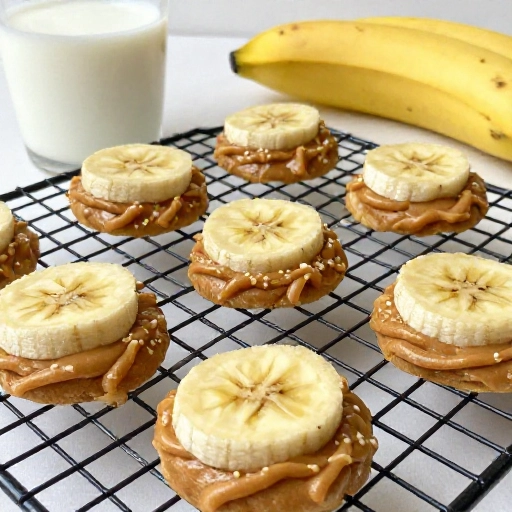
2. Peanut Butter & Banana Crunchy Biscuits
If your pitbull is anything like mine, they’d sell their soul for a spoonful of peanut butter. These biscuits are perfect for training sessions or just because you love seeing that happy, drooly face. Bananas add natural sweetness and potassium, while oats provide steady energy for all that zoomie time.
- 2 ripe bananas, mashed
- 1/2 cup natural peanut butter (xylitol-free!)
- 1 1/2 cups whole wheat flour (or oat flour for sensitive tummies)
- 1/2 cup rolled oats
- 1 egg
- Preheat oven to 350°F. Mix mashed bananas, peanut butter, and egg in a bowl until smooth.
- Stir in flour and oats until a stiff dough forms. Roll out on a floured surface to 1/4-inch thickness.
- Cut into bone shapes or simple squares. Bake for 20-25 minutes until golden and firm. Cool on a wire rack.
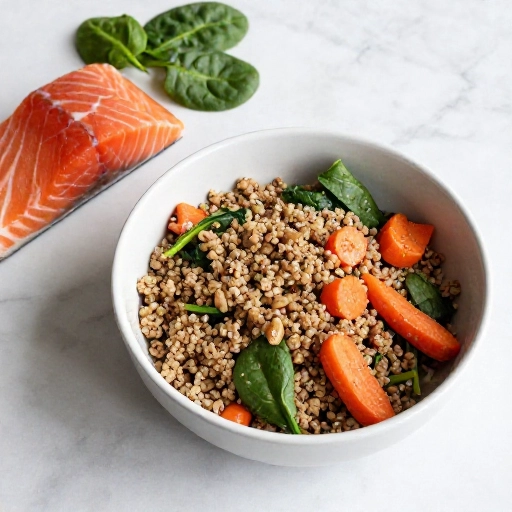
3. Salmon & Spinach Skin Shine Meal
Pitbulls have short, sleek coats that deserve extra shine. This recipe is loaded with omega-3 fatty acids from salmon, which work wonders for skin health and can even help with seasonal allergies. Spinach adds iron and vitamins while keeping the meal light and easy to digest.
- 2 salmon fillets (about 1 lb total), skin removed
- 2 cups fresh spinach, chopped
- 1 cup cooked quinoa
- 1/2 cup pumpkin puree (unsweetened)
- 1 tbsp coconut oil
- Bake salmon at 375°F for 12-15 minutes until flaky. Let cool, then flake into small pieces, checking for any bones.
- Steam spinach for 2-3 minutes until wilted. Drain excess water.
- Combine salmon, spinach, quinoa, pumpkin, and coconut oil. Mix gently and refrigerate.
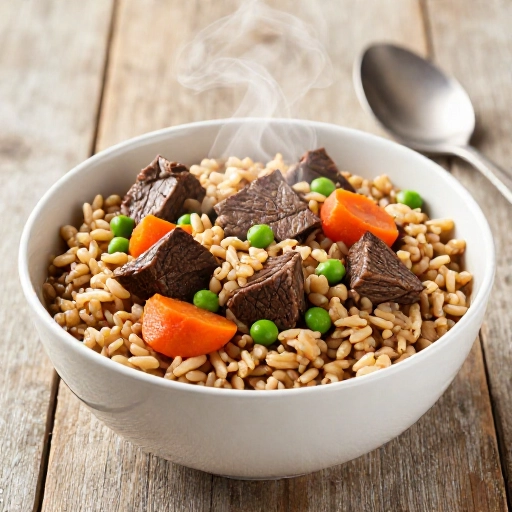
4. Beef & Brown Rice Hearty Stew
This one’s a winter favorite in our house. It’s like a warm hug in a bowl for your pup. Lean beef provides iron and B vitamins for strong blood and energy, while brown rice and peas offer complex carbs that keep them full and satisfied between meals. Perfect for active pits who need extra calories.
- 1 lb lean ground beef (90% lean)
- 1 cup brown rice, uncooked
- 1/2 cup frozen peas
- 1/2 cup carrots, diced
- 3 cups low-sodium beef broth
- Brown ground beef in a large pot over medium-high heat. Drain excess fat.
- Add rice, broth, carrots, and bring to a boil. Reduce heat, cover, and simmer for 30 minutes.
- Stir in peas and cook for another 5 minutes. Let cool completely before serving.
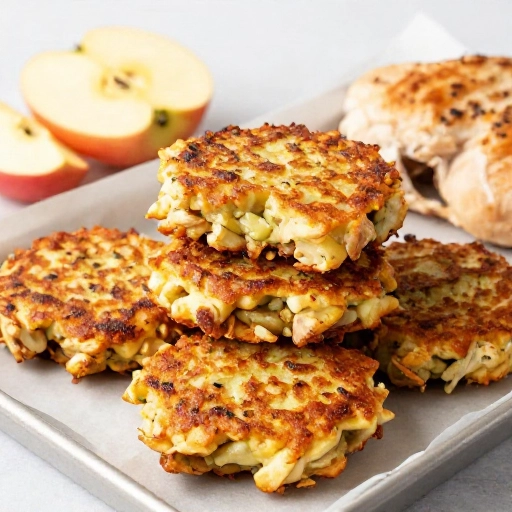
5. Chicken & Apple Freezer Fritters
These little fritters are my secret weapon for picky eaters and for hiding supplements. Apples add a sweet crunch that dogs love, while chicken provides lean protein for muscle repair after those intense fetch sessions. Make a big batch and freeze them for later—they thaw in minutes.
- 1 lb ground chicken
- 1 apple, peeled and finely grated
- 1/2 cup oat flour
- 1 egg
- 1/4 cup fresh parsley, chopped (great for breath!)
- Combine all ingredients in a bowl and mix until well incorporated.
- Scoop tablespoons of mixture and shape into small patties.
- Pan-fry in a lightly oiled skillet over medium heat for 3-4 minutes per side until cooked through. Cool and serve or freeze.
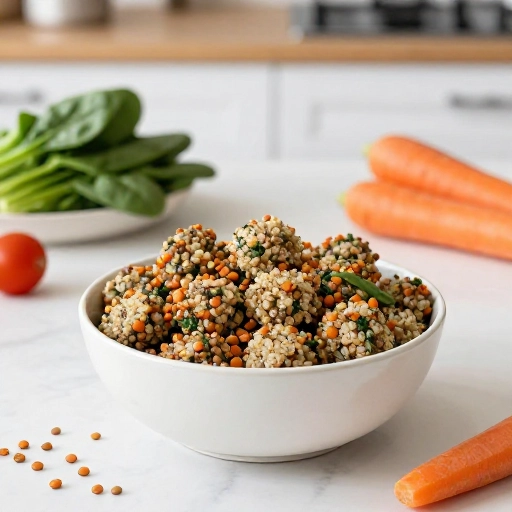
6. Veggie-Loaded Lentil & Quinoa Power Bites
Who says pitbulls can’t enjoy meatless Mondays? These plant-based bites are fantastic for dogs with sensitive stomachs or those needing a lighter option. Lentils are full of plant protein and fiber, while zucchini and bell peppers add a rainbow of antioxidants to support their immune system.
- 1 cup cooked lentils
- 1 cup cooked quinoa
- 1/2 cup zucchini, grated and squeezed dry
- 1/4 cup red bell pepper, finely diced
- 1/4 cup plain Greek yogurt
- Preheat oven to 350°F. Combine all ingredients in a food processor and pulse until well mixed but still slightly chunky.
- Roll into 1-inch balls and place on a baking sheet lined with parchment paper.
- Bake for 15-18 minutes until firm to the touch. Let cool completely before serving.
Tips & Safe Baking Guidelines
Before you go full chef mode in your kitchen, let me share some hard-earned wisdom. I’ve learned these the not-so-easy way, and I want to save you from the same mistakes. First, always let homemade food cool completely before serving. Hot food can burn your dog’s mouth, and let me tell you, a pitbull with a burnt tongue is not a happy camper.
When it comes to storage, most of these recipes will keep in an airtight container in the fridge for 3-4 days. For longer storage, portion them into zip-top bags or ice cube trays and freeze for up to 3 months. Just thaw overnight in the fridge before serving. And always consult your vet before making major changes to your dog’s diet, especially if they have existing health conditions.
A few safety rules I never break: absolutely no xylitol (a sweetener toxic to dogs), no onions or garlic, and no grapes or raisins. Keep things simple and stick to dog-safe ingredients. Also, remember that treats and meal toppers should only make up about 10% of your dog’s daily caloric intake—the rest should be a complete and balanced diet.
Final Thoughts: Your Pitbull’s New Favorite Meals
I’ll be honest—cooking for your dog takes a little extra time and effort. But when you see the way they look at you after tasting something you made with your own two hands, it’s completely worth it. The tail wags, the happy grunts, the way they lick the bowl clean like it’s their last meal—that’s the good stuff. Start with one recipe this weekend and see how your pup responds. You might just discover that homemade dog food becomes your new favorite way to show love.
Frequently Asked Questions
How much homemade dog food should I feed my pitbull?
It depends on your dog’s weight, age, and activity level. A general rule of thumb is about 2-3% of their ideal body weight in food per day, split into two meals. For a 60-pound pitbull, that’s roughly 1.2 to 1.8 pounds of food daily. Start with the lower end and adjust based on their energy and weight.
Can I feed my pitbull homemade food every day?
You can, but it’s important to ensure the meals are nutritionally complete and balanced. I recommend consulting with a veterinary nutritionist to make sure your recipes include all the necessary vitamins and minerals. Many pet parents use homemade food as a supplement or rotation alongside high-quality commercial food.
Are there any ingredients I should absolutely avoid?
Yes—never feed your dog onions, garlic, grapes, raisins, chocolate, macadamia nuts, or anything containing xylitol. Also avoid excessive salt and highly processed foods. When in doubt, look it up before serving.
How do I know if my pitbull has a food allergy?
Common signs include itchy skin, excessive scratching, ear infections, or digestive issues like diarrhea. If you suspect an allergy, try a limited-ingredient diet and introduce new foods one at a time. Keeping a food diary can help you pinpoint triggers.
Can puppies eat these homemade recipes?
Puppies have different nutritional needs than adult dogs, including more protein and calcium for growth. These recipes can be given as occasional treats, but for their main diet, you’ll want to use a formulation specifically designed for puppies. Check with your vet for guidance.