Are Tibetan Mastiffs Dangerous? Why?

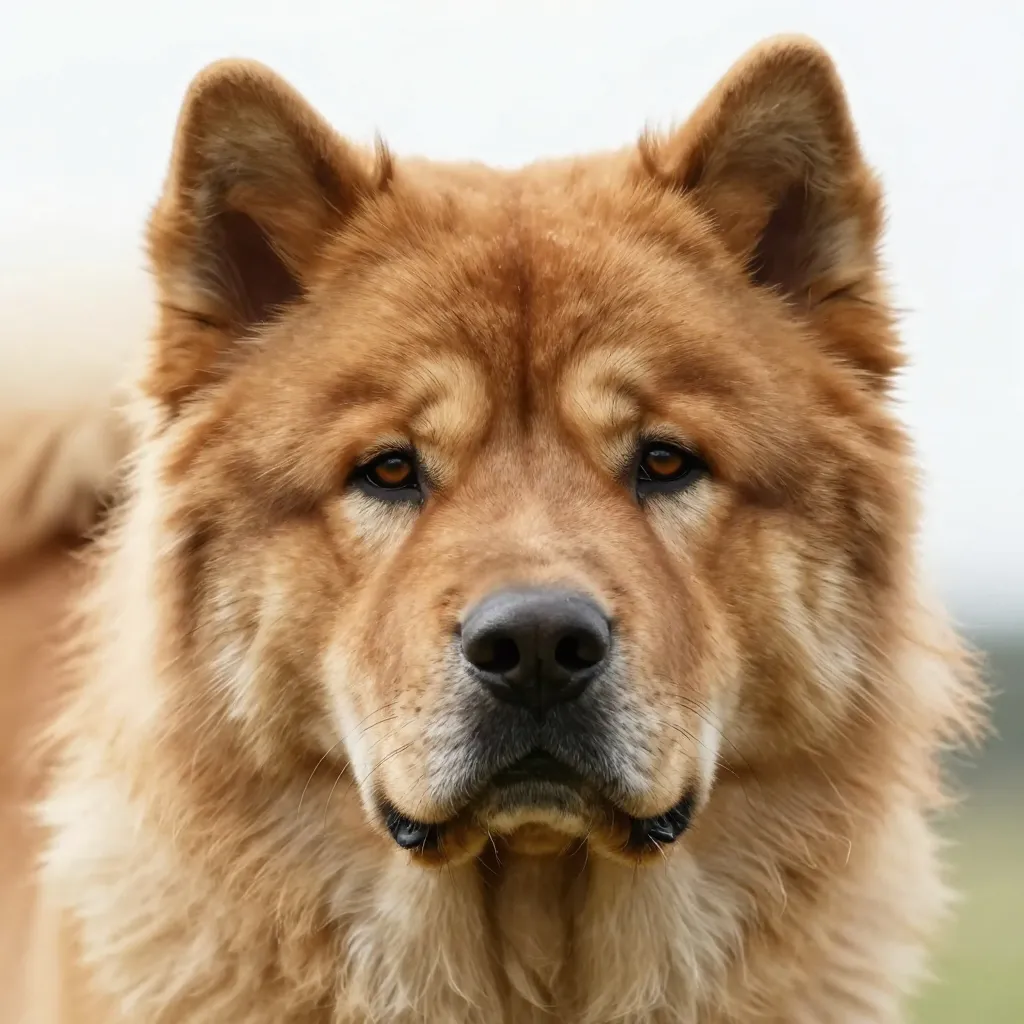
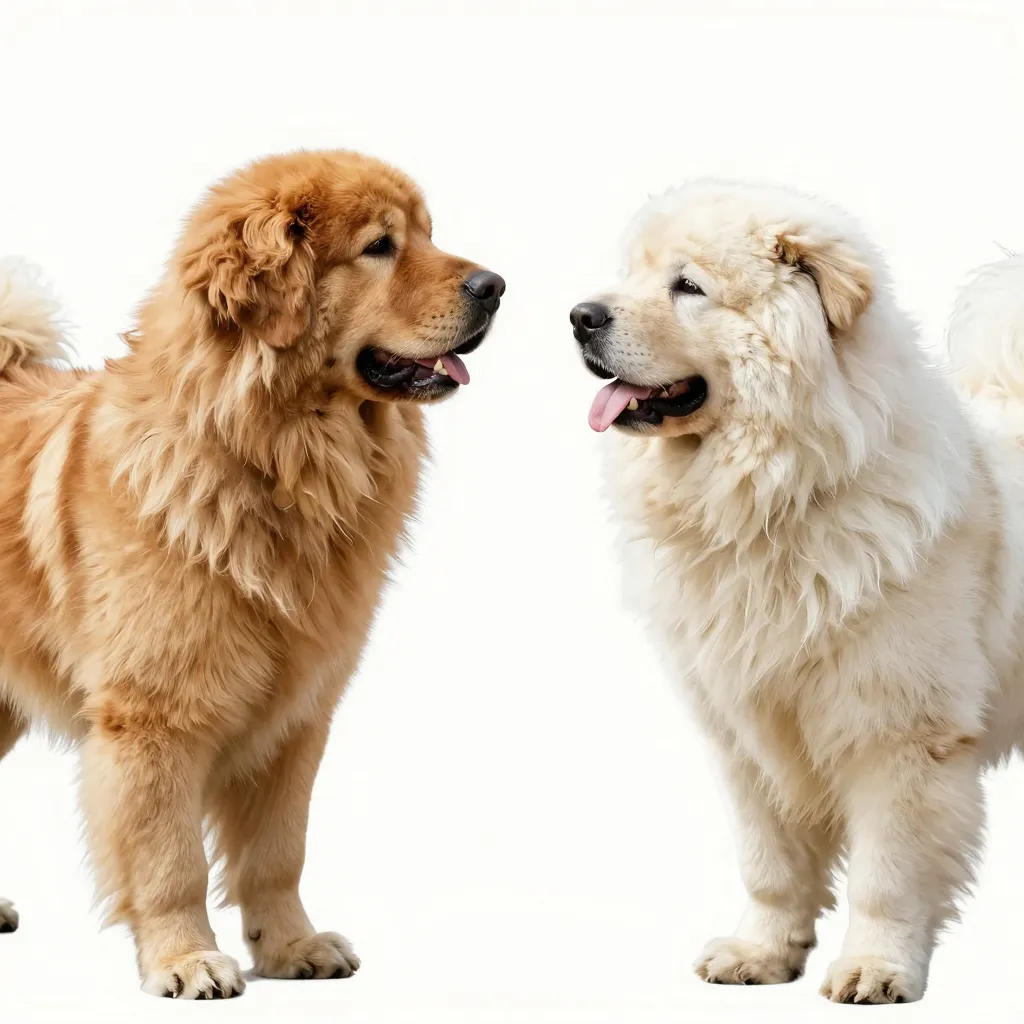
I’ve always been fascinated by the Tibetan Mastiff. They look like a lion mixed with a bear, wrapped in a massive fur coat. But when I first saw one in person, I honestly felt a chill. Their size is intimidating, and that deep bark can shake your bones. So, the big question is: are these giant dogs actually dangerous?
The short answer is yes, they can be. But it’s not because they are mean or evil. It’s about their history, their instincts, and how they are raised. A Tibetan Mastiff is not a golden retriever. They were bred to guard livestock against wolves and snow leopards in the Himalayas. That job is baked into their DNA.
Let’s get real about what makes them tick. If you understand why they act the way they do, you can see the danger isn’t random. It’s predictable. And that’s the key to staying safe.
Their Guarding Instinct is Off the Charts
This is the biggest reason. Tibetan Mastiffs were created to be independent guardians. They don’t need a human telling them what to do. They assess threats themselves. If a stranger walks onto the property, the dog decides if that person is a friend or an enemy.
This instinct is powerful. They don’t give warnings like other dogs. A bark can be a final notice, not a first one. If they decide you are a threat, they will act without hesitation. That’s dangerous if you are not prepared for it.
You can’t train this out of them. It’s who they are. You have to manage it, not change it.
They Are Not Naturally Friendly to Strangers
I love that most dogs want to say hi to everyone. A Tibetan Mastiff does not share that feeling. They are aloof, reserved, and suspicious of people they don’t know. This isn’t shyness. It’s a deep mistrust.
If a delivery person or a friend walks into the yard, the dog sees an intruder. This is where bites happen. The dog isn’t playing. It’s protecting its territory. You can’t expect them to wag their tail at a guest.
This makes them a serious liability if you have frequent visitors or live near a busy street. Every new person is a potential problem.
Their Size and Strength Make Any Attack Severe
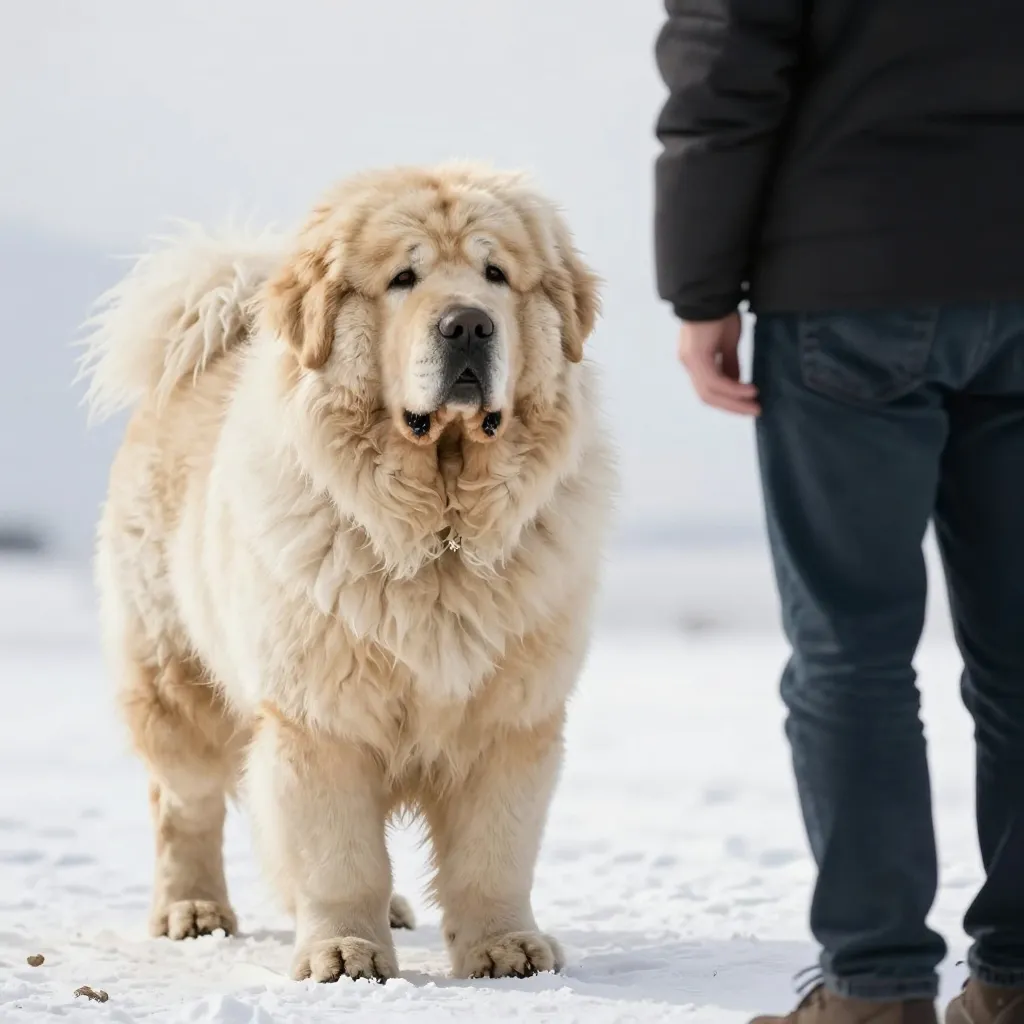
Let’s talk numbers. A male Tibetan Mastiff can weigh over 150 pounds. That is a huge animal. They have thick bones, powerful jaws, and a bite force that can crush bones. Even a playful nip from a dog this size can send a person to the hospital.
If a Tibetan Mastiff decides to attack, it is very hard to stop them. They are built to fight off wolves. An average adult human is no match for them. This is why any aggression is extremely dangerous. A small dog biting your ankle is annoying. This dog biting your arm is life-changing.
You are not going to wrestle them away. You have to prevent the situation before it starts.
They Have a Strong Prey Drive
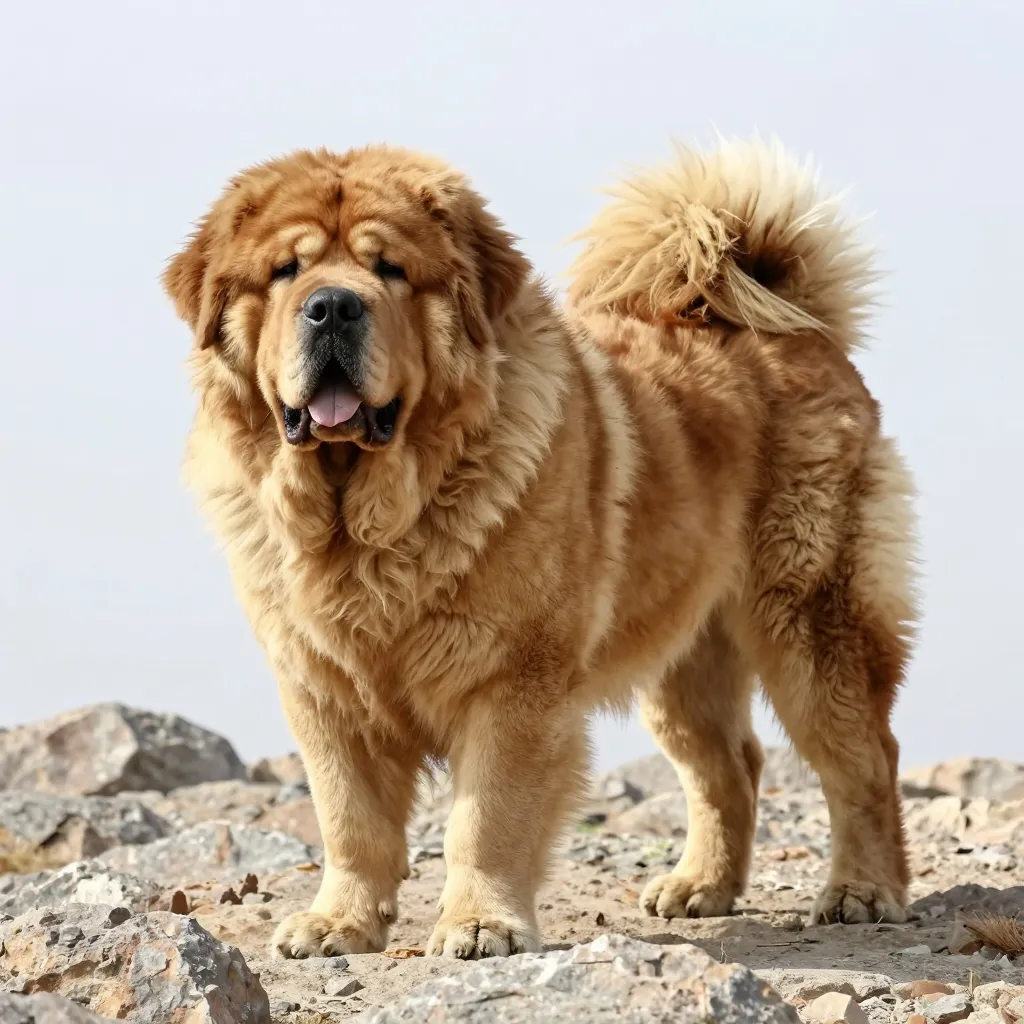
Many people forget this. Tibetan Mastiffs were also used to hunt and track. They have a strong instinct to chase small animals. This includes cats, squirrels, and even small dogs. If they see something running, they might react.
This prey drive can also apply to children if the child runs and screams. The dog might not be trying to hurt the child. It could be triggering an instinct to chase. But the result is the same. A large dog chasing a toddler is a disaster waiting to happen.
You have to be very careful around small, fast-moving creatures. This is not a dog for a home with hamsters or pet rabbits.
They Are Stubborn and Hard to Train
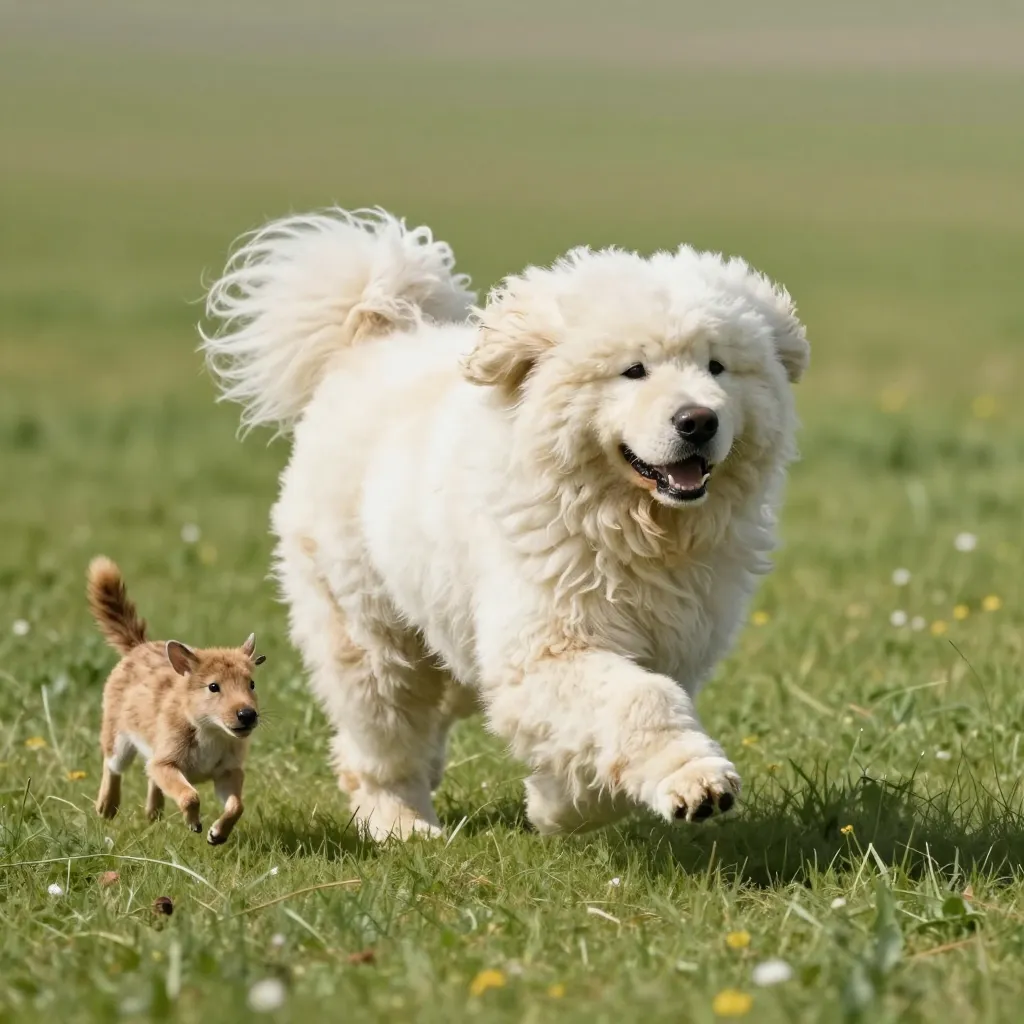
I have trained many dogs. Tibetan Mastiffs are a different beast. They are not eager to please like a Labrador. They think for themselves. They might look at you and decide your command is not worth doing. This is called “selective hearing.”
If you cannot control a dog, that dog is dangerous. A strong, stubborn dog that won’t listen is a recipe for trouble. You need to be an experienced, confident trainer. A first-time owner will likely fail to establish leadership.
Without solid obedience, you cannot manage their guarding instincts. That is a scary combination.
They Need a Specific Type of Owner
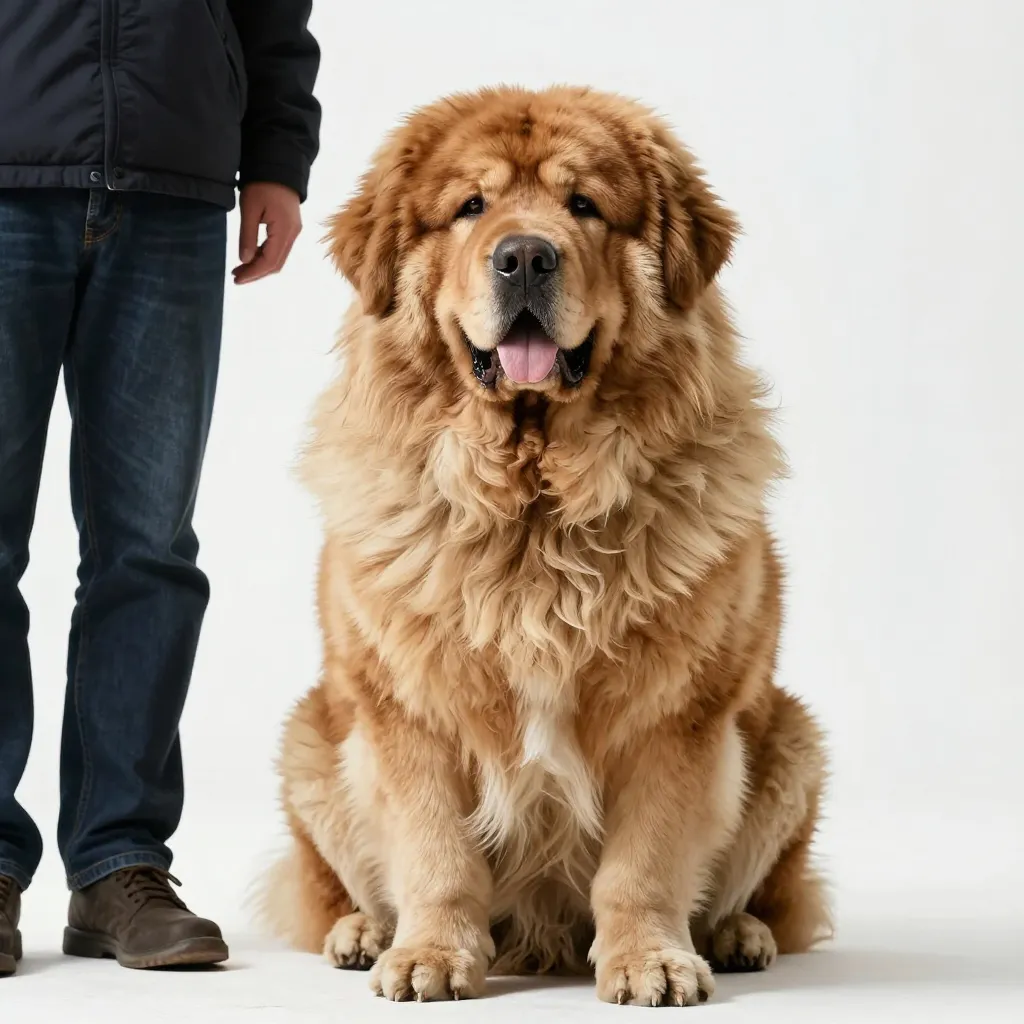
This is not a family pet. It is a working dog for experienced handlers. The owner must be calm, firm, and consistent. You cannot be scared of your own dog. If the dog senses fear, it will take charge. That is when problems happen.
You also need a proper setup. A tiny apartment with a Tibetan Mastiff is a disaster. They need space, a secure fence, and a job to do. Boredom makes them frustrated. A frustrated Mastiff is a destructive and aggressive Mastiff.
If you get this dog without understanding the responsibility, you are setting yourself up for failure. And that failure can be dangerous for others.
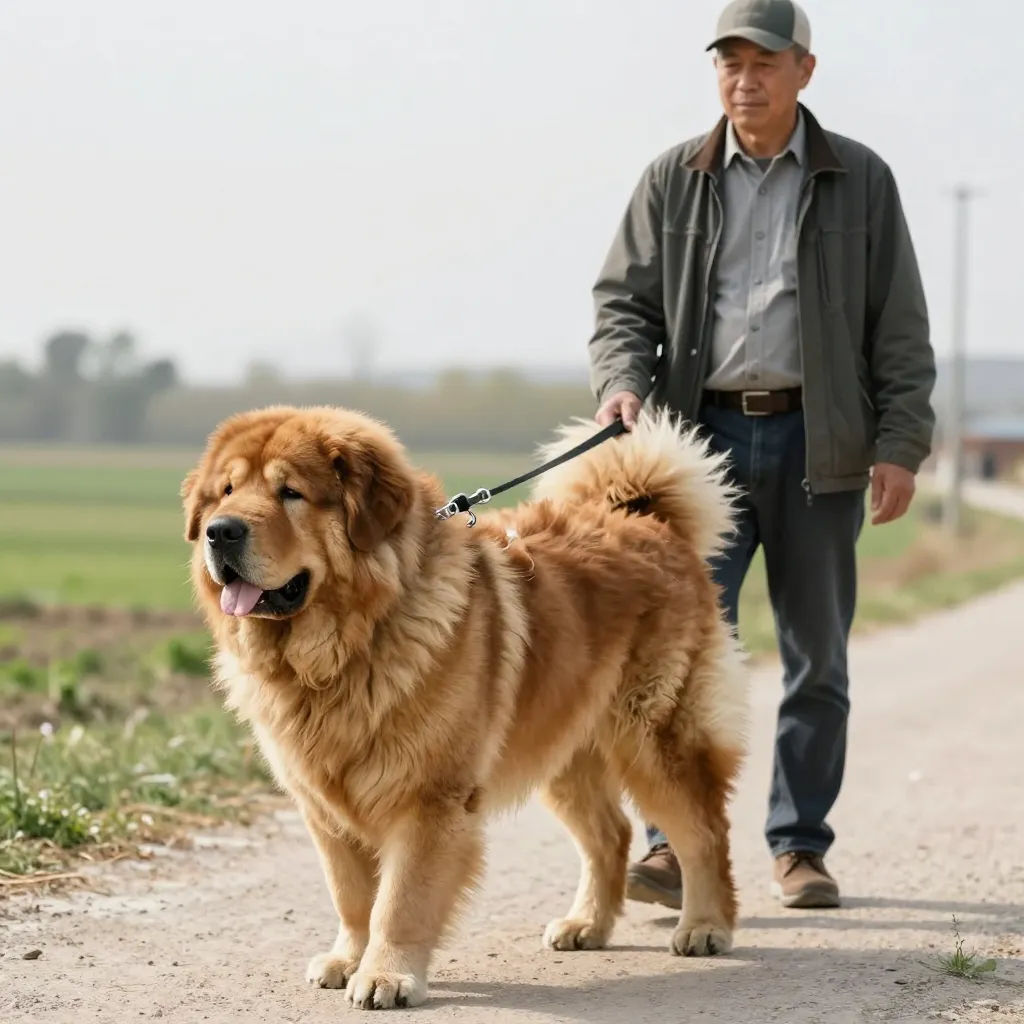
Socialization is Extremely Difficult
Most breeders and owners will tell you that socializing a Tibetan Mastiff is a lifelong job. You have to expose them to people, places, and other dogs constantly. But even with perfect socialization, they will never be a “dog park” dog.
They can become dog-aggressive, especially with same-sex dogs. They have a natural dominance that leads to fights. Socializing them is about teaching them to tolerate, not to be friendly. It is a lot of work.
If you skip this step, the dog becomes reactive. That reactivity is a bite risk. It is not a casual thing you can do on weekends.
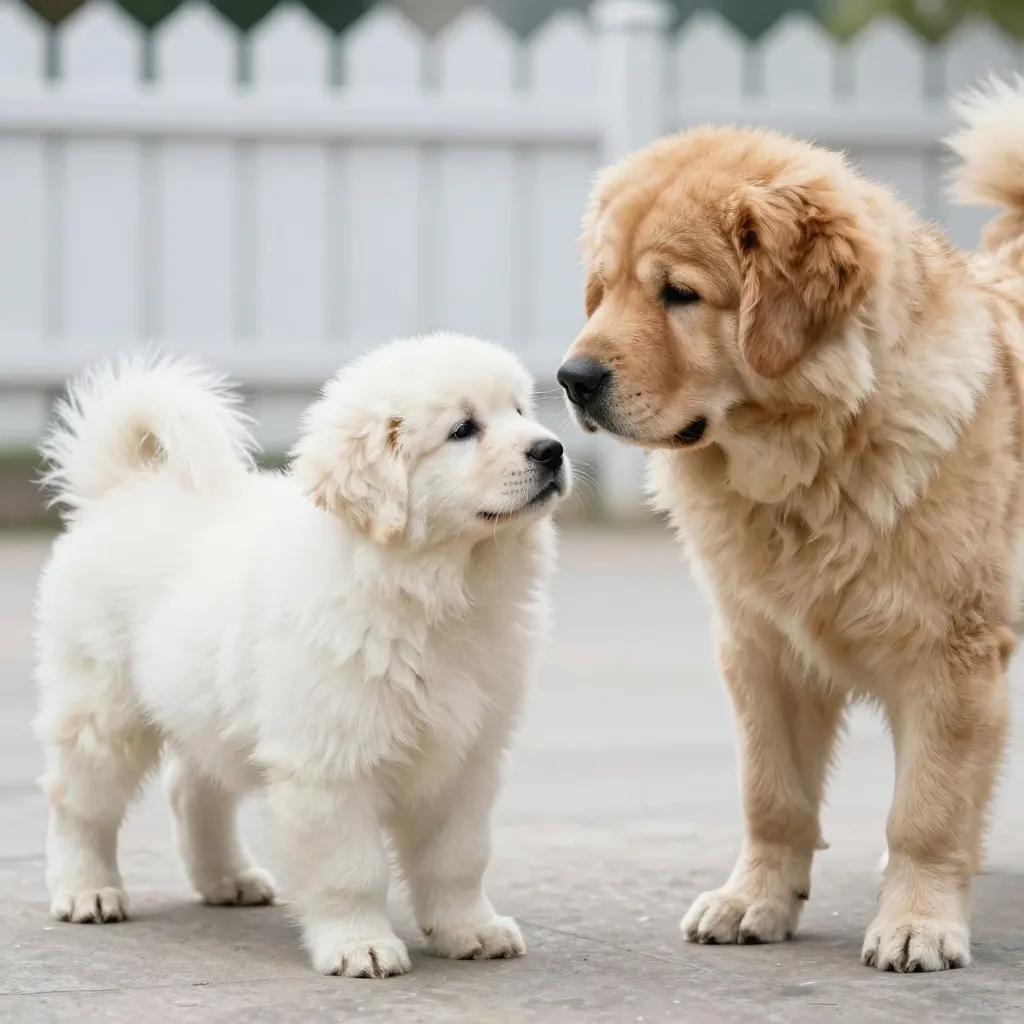
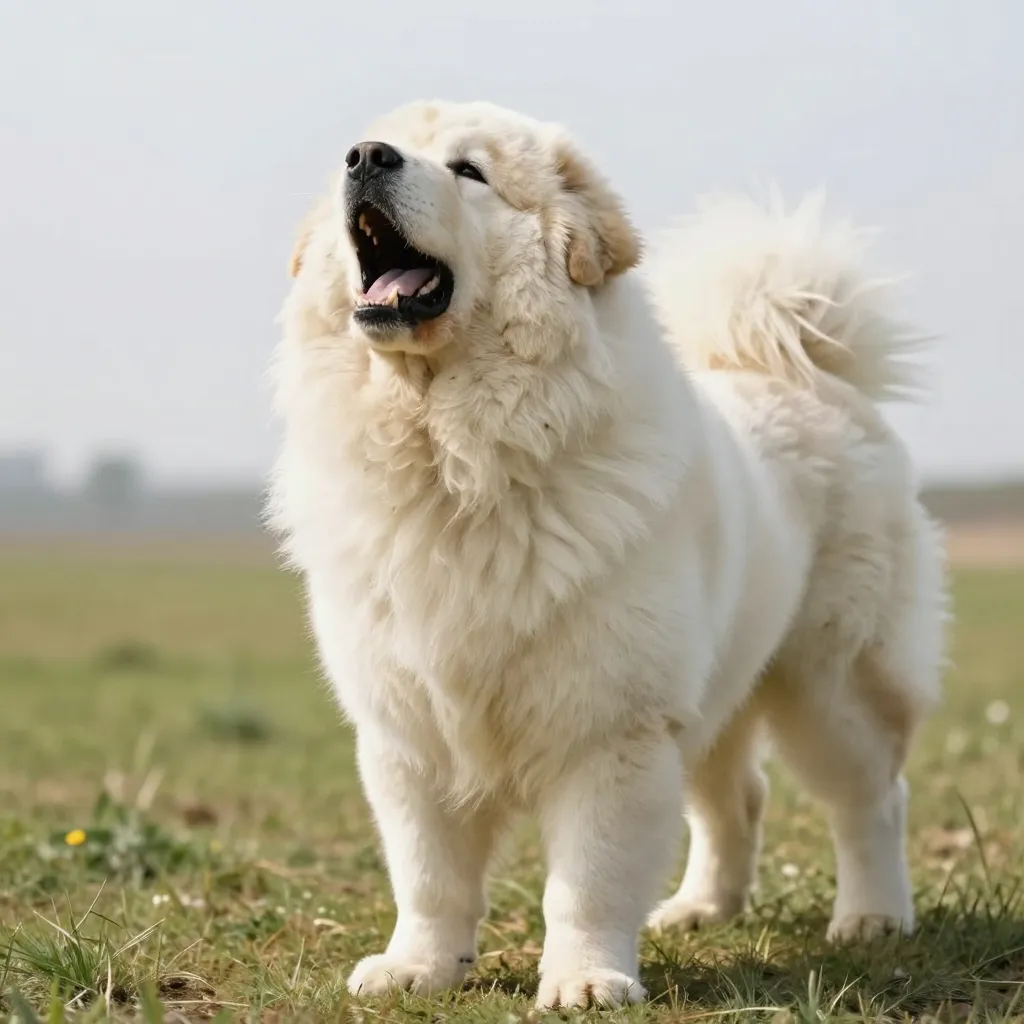
Their Bark is a Weapon
A Tibetan Mastiff has a deep, booming bark that can be heard from a distance. They bark a lot, especially at night. This is their job. They are alerting you to everything. But for neighbors, it can be a nightmare.
More importantly, the bark is a warning. If they stop barking and go silent, that’s when you should be worried. They are moving into attack mode. The bark is not just noise. It is a signal that the dog is on high alert.
Living with this constant alertness is exhausting. It creates a stressful environment for everyone in the house.
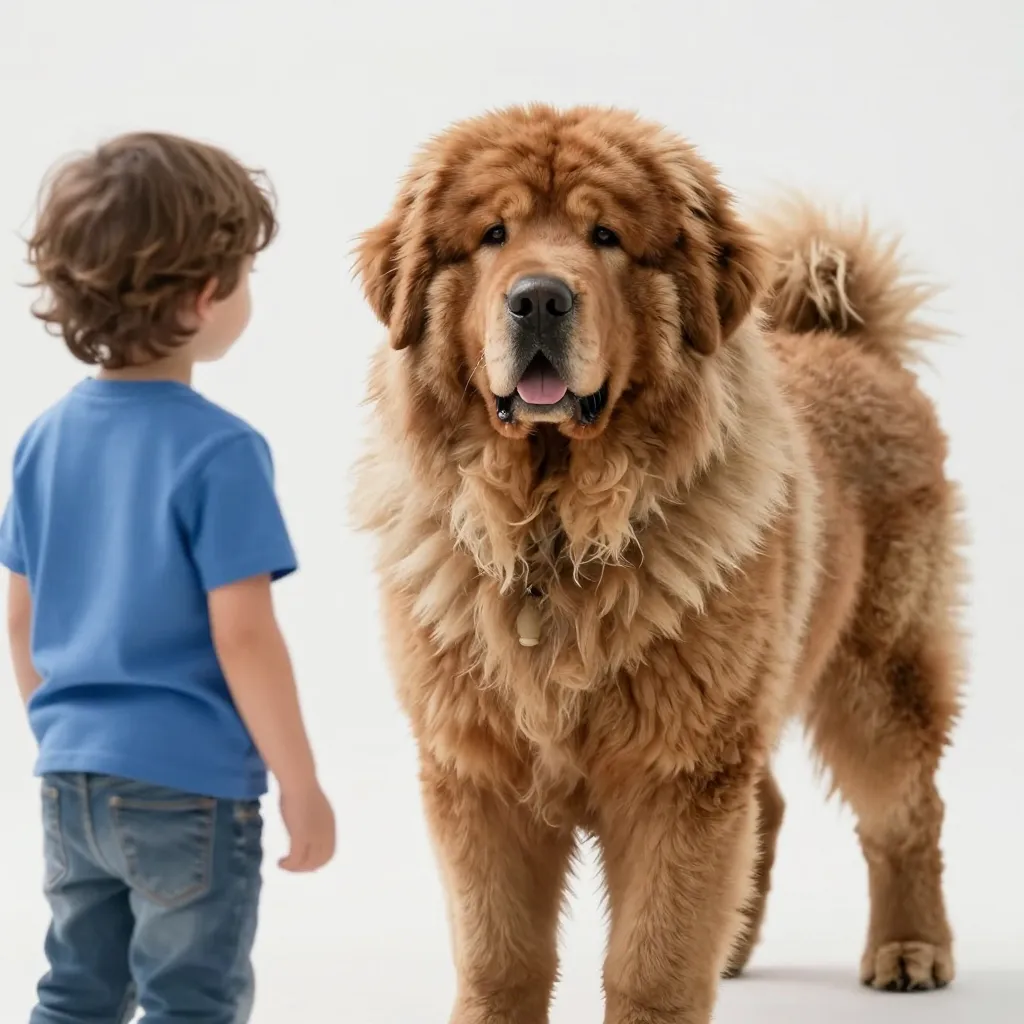
They Are Not a Good Fit for Families with Young Kids
I have seen some Tibetan Mastiffs live peacefully with children. But it is the exception, not the rule. The problem is that kids are unpredictable. They run, scream, and grab. A Mastiff might see this as a threat or a challenge.
Because of the dog’s size, even a minor correction can hurt a child. A bump or a snap can cause serious injury. Most breeders will not place a puppy in a home with toddlers. That tells you everything you need to know.
If you have kids, get a different breed. It is not worth the risk.
They Have a High Prey Drive Towards Other Dogs
I mentioned prey drive earlier, but it deserves a separate point. Tibetan Mastiffs can be very intolerant of other dogs, especially strange dogs. They see them as rivals or threats. This is not a dog you can take to a busy park.
If you have another dog at home, introductions must be done very carefully. Same-sex aggression is common. You might end up with two dogs that cannot live together. That is a heartbreaking and stressful situation.
This dog is best as an only pet. Adding another animal is a gamble.
Conclusion
So, are Tibetan Mastiffs dangerous? Yes, they can be. But it is not because they are monsters. It is because of their powerful guarding instincts, immense size, and independent nature. They were not bred to be a cuddly lap dog. They were bred to protect.
If you are an experienced owner with a large property and no small children, a Tibetan Mastiff can be a loyal protector. But for most people, this dog is too much to handle. The danger comes from a mismatch between the dog’s needs and the owner’s lifestyle. Respect the breed, or choose a safer companion.
[[IMG:IMG12]]
FAQ
Will a Tibetan Mastiff attack without warning?
Often, yes. They are not like other dogs that give clear warning signs. They might be still and silent, then react quickly. This makes them unpredictable to people who don’t know the breed.
Can training make a Tibetan Mastiff safe?
Training helps, but it cannot remove their natural instincts. You can manage them, but you cannot make them a friendly, goofy dog. They will always be guarded and suspicious.
Are female Tibetan Mastiffs less dangerous than males?
Females are often smaller and slightly less dominant, but they still have the same guarding instincts. A female can be just as dangerous as a male. Do not assume any Mastiff is safe based on gender.
Is it safe to have a Tibetan Mastiff with other dogs?
It depends on the individual dogs. Many Mastiffs are dog-aggressive, especially with same-sex dogs. It is a risk that requires careful management and supervision.
Why do people keep such a dangerous dog?
Because they are incredible guardians. For the right person, they are loyal, brave, and protective. They are not for everyone, but for experienced owners, they are a powerful companion.