12 Homemade Dog Foods to Soothe Digestion (Vet-Approved & Easy Recipes)
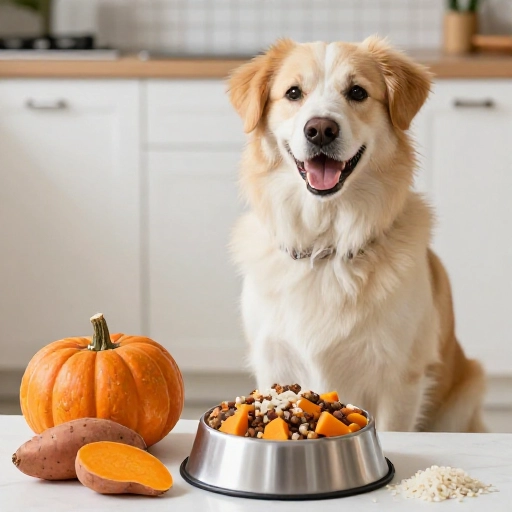
Is your furry best friend dealing with an upset tummy? Watching your pup struggle with gas, loose stools, or a lack of appetite is heartbreaking. You want to help, but commercial dog foods can sometimes make things worse with fillers and artificial ingredients.
The good news? You can take control of your dog’s health right in your own kitchen. These 12 homemade recipes focus on simple, whole ingredients that are gentle on the stomach and packed with nutrition. Think boiled chicken, soothing pumpkin, and fluffy white rice—the ultimate comfort food for a sensitive pup. Let’s get cooking and turn that sad tail into a happy, wagging one!
Why Make Homemade Food for Your Dog’s Digestion
When your dog has a sensitive stomach, every ingredient matters. Commercial kibble often contains complex carbohydrates and preservatives that are hard for some pups to break down. Homemade meals give you complete control over what goes into their bowl. You can eliminate common triggers like soy, corn, and artificial flavors, replacing them with easily digestible proteins and fibers.
These recipes are designed to be bland yet nutritious. They help to firm up stools, reduce inflammation in the gut, and provide much-needed hydration. Plus, the simple act of serving a warm, freshly cooked meal can encourage a picky eater to dive right in. It’s a simple, loving way to support your dog’s overall well-being.
These 12 recipes are not just about fixing a problem; they’re about preventing future tummy troubles. By rotating between these gentle meals, you can keep your dog’s digestive system balanced and strong. Your vet will thank you for the clean ingredients, and your dog will thank you with sloppy kisses.
Kitchen Equipment & Tools You’ll Need
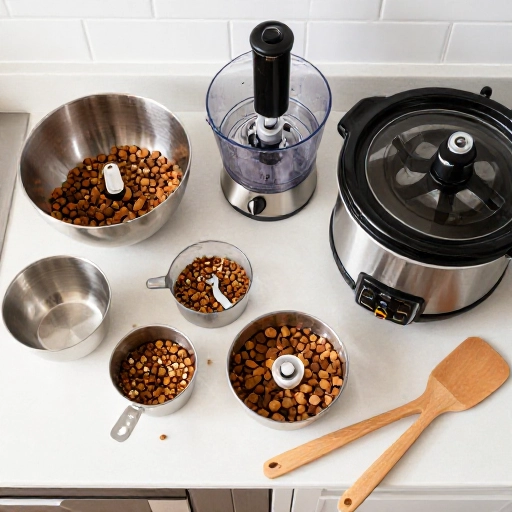
You don’t need a fancy culinary school setup to cook for your canine companion. Most of these recipes come together with basic kitchen staples. However, having the right tools on hand makes the process faster and cleaner. Here’s what I recommend having ready before you start.
- A Large Stockpot or Dutch Oven: Perfect for boiling chicken, making broths, and batch-cooking grains.
- A Reliable Meat Thermometer: Ensures proteins are cooked to a safe internal temperature without overcooking them into dry, tough pieces.
- A Food Processor or Blender: Essential for pureeing pumpkin, sweet potatoes, and leafy greens into a smooth, digestible texture.
- Sharp Knife & Cutting Board: You’ll be dicing veggies and shredding meat—a good set makes prep a breeze.
- Measuring Cups & Spoons: Accuracy is key to ensuring your dog gets the right balance of nutrients.
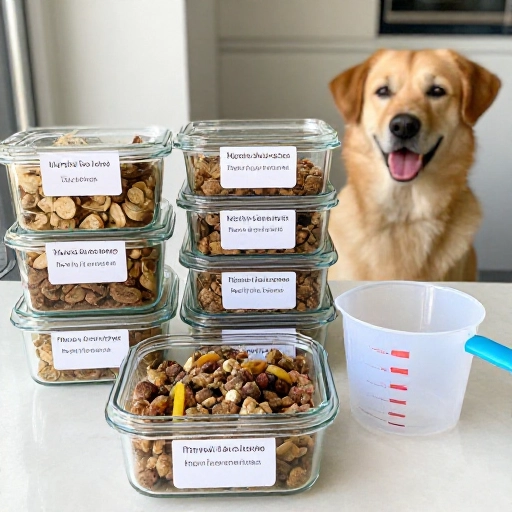
- Airtight Glass Containers: For storing portions in the fridge or freezer. Glass won’t absorb odors like plastic can.
Once you have these tools on standby, you’re ready to whip up a storm of healthy goodness. It takes less than 30 minutes of active prep for most of these recipes, and the peace of mind is priceless.
Ingredients List & Safe Substitutions
Choosing the right ingredients is the most critical step. We’re focusing on lean proteins, simple carbs, and gut-friendly veggies. Here are the core components you’ll see across these 12 recipes, along with safe swaps if your pup has specific allergies or preferences.
- Lean Proteins: Boneless, skinless chicken breast, ground turkey (93% lean), or lean ground beef. Substitute: Boiled white fish (cod, haddock) or scrambled eggs for a protein change.
- Simple Carbs: White rice (easier to digest than brown), plain pasta, or rolled oats. Substitute: Cooked quinoa or mashed potatoes for a different texture.
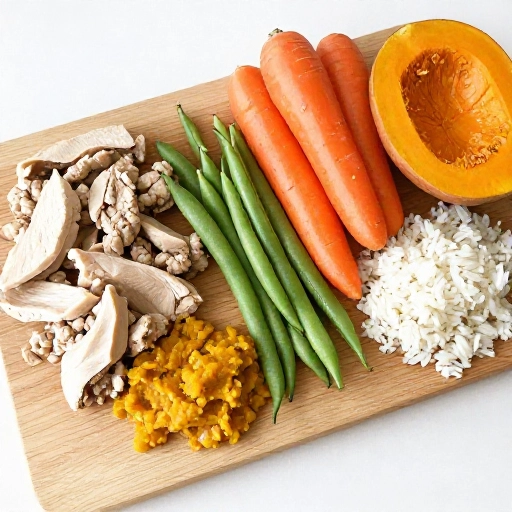
- Gut-Soothing Veggies: Canned pure pumpkin (not pie filling!), boiled sweet potatoes, or cooked carrots. Substitute: Cooked zucchini or green beans for extra fiber.
- Healthy Fats: A splash of olive oil or a spoonful of plain canned pumpkin adds moisture and healthy fats. Substitute: A tiny bit of unsalted bone broth for flavor and hydration.
- Probiotic Boosters: A dollop of plain, unsweetened Greek yogurt (if your dog tolerates dairy) or a sprinkle of psyllium husk powder.
Always introduce new ingredients slowly. Start with a small amount and watch how your dog reacts over 24 hours. When in doubt, keep it simple. The fewer ingredients, the easier it is for your dog’s stomach to handle.
Step-by-Step Instructions: The 12 Soothing Recipes
Here is the heart of the article! I’ve broken these down into 12 simple, tummy-friendly combinations. Each recipe serves about 2-3 meals for a 20-pound dog, so adjust portion sizes based on your pup’s weight and activity level.
1. Classic Chicken & Rice: Boil 2 cups of white rice in 4 cups of water until soft. In a separate pot, boil 1 lb of chicken breast until fully cooked. Shred the chicken and mix with the rice. This is the ultimate bland diet.
2. Turkey & Pumpkin Porridge: Brown 1 lb of ground turkey in a pan. Drain the fat. Stir in 1 cup of canned pumpkin and 1/2 cup of cooked rice. The pumpkin is a magic bullet for both diarrhea and constipation.
3. Beef & Sweet Potato Stew: Boil 1 lb of lean ground beef and drain. Add 2 cups of cubed sweet potatoes and cover with water. Simmer until the potatoes are fork-tender. Mash slightly before serving.
4. Fish & Oatmeal Bowl: Poach 1 lb of white fish in water until it flakes easily. Cook 1 cup of rolled oats according to package directions. Mix the flaked fish with the oats and a splash of olive oil.
5. Egg & Cottage Cheese Scramble: Scramble 3 eggs with a tiny bit of water. Let cool. Mix with 1/2 cup of low-fat cottage cheese and 1/4 cup of cooked pasta. Great for a protein-packed, gentle meal.
6. Chicken & Carrot Mash: Boil 1 lb of chicken breast and 3 large carrots until both are very soft. Shred the chicken and mash the carrots. Mix together with a little of the cooking water to create a smooth, easy-to-eat texture.
7. Turkey & Green Bean Medley: Brown 1 lb of ground turkey. Steam 1 cup of fresh or frozen green beans until very soft. Chop the beans and mix with the turkey and 1/2 cup of cooked quinoa.
8. Beef & White Rice Bake: Mix 1 lb of cooked ground beef with 2 cups of cooked white rice. Place in a baking dish with 1/2 cup of water. Cover and bake at 350°F for 15 minutes to meld the flavors.
9. Chicken & Spinach Puree: Boil 1 lb of chicken. Steam 2 cups of fresh spinach until wilted. Puree the spinach with 1/2 cup of water. Shred the chicken and mix with the green puree and 1 cup of cooked rice.
10. Lamb & Potato Comfort: Boil 1 lb of lean ground lamb. Drain well. Boil 2 large russet potatoes until soft. Mash the potatoes and mix with the lamb. This is great for dogs with chicken or beef allergies.
11. Fish & Pumpkin Delight: Poach 1 lb of cod. Mix the flaked fish with 1 cup of canned pumpkin and 1/2 cup of cooked white rice. The pumpkin helps bind everything together nicely.
12. Turkey & Zucchini Noodles: Brown 1 lb of ground turkey. Spiralize or finely chop 2 zucchinis. Sauté the zucchini in a dry pan for 3-4 minutes until soft. Mix with the turkey and a pinch of turmeric (optional, for inflammation).
Remember, always let the food cool completely before serving. Warm food can cause burns, but room temperature is perfect for a sensitive stomach.
Feeding Guidelines, Serving Size & Storage Tips
Knowing how much to feed is just as important as knowing what to feed. A good rule of thumb is to feed about 1/2 cup of food per 10 pounds of body weight per meal, but this varies. Puppies and very active dogs need more, while seniors need less.
Start by replacing 25% of their regular kibble with the homemade food. Over 4-5 days, slowly increase the homemade portion while decreasing the kibble. This transition period prevents shocking their system. For a dog with an active flare-up, start with only the homemade food in smaller, more frequent meals (3-4 times a day).
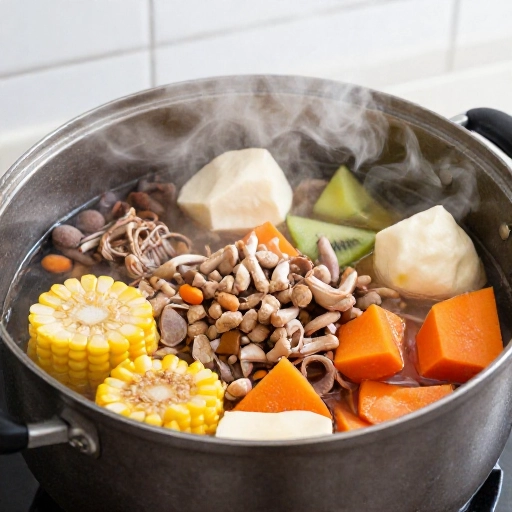
Storage: Store leftovers in airtight glass containers in the refrigerator for up to 3 days. For longer storage, portion the food into freezer-safe bags or silicone molds and freeze for up to 2 months. Thaw overnight in the fridge before serving. Never microwave the food, as it can create hot spots that burn your dog’s mouth.
Keep an eye on your dog’s energy levels and stool quality. You should see an improvement within 48 hours. If not, consult your vet. These recipes are excellent for maintenance, but they are not a replacement for professional veterinary advice.
Final Verdict & Summary
These 12 homemade dog foods are a game-changer for pups with sensitive stomachs. They are simple, affordable, and made with love. The beauty of these recipes is their flexibility; you can mix and match the proteins and carbs based on what you have in the fridge and what your dog enjoys most.
You’ll likely notice a shinier coat, more energy, and significantly happier bathroom breaks. Cooking for your dog is one of the most direct ways to show you care. You know exactly what’s in their bowl—no mystery ingredients, no hidden fillers, just pure, wholesome nutrition.
Start with the classic Chicken & Rice recipe to see how your dog responds. Once they’re feeling better, you can confidently explore the other variations. Here’s to happy tummies and wagging tails!
Frequently Asked Questions (FAQ)
How long can I feed my dog this homemade food?
You can feed these recipes as a long-term diet, but it’s best to rotate the proteins and veggies to ensure a broad range of nutrients. If your dog has a chronic condition, work with your vet to create a complete, balanced plan. For short-term tummy issues, feed until symptoms resolve, usually 3-5 days.
Can I use brown rice instead of white rice?
For an acute upset stomach, white rice is better because it’s lower in fiber and easier to digest. Brown rice is healthier long-term, but it can be too harsh on a gut that’s already inflamed. Stick to white rice when your dog is showing symptoms.
Is canned pumpkin safe for dogs?
Absolutely! Pure canned pumpkin (100% pumpkin, not pie filling) is a superfood for dogs. It’s high in soluble fiber, which helps absorb excess water in the intestines and firm up stools. It’s also great for relieving constipation.
Can I add supplements to these meals?
Yes, you can add a high-quality fish oil supplement for omega-3 fatty acids, which reduce inflammation. A probiotic powder is also a great addition to support gut flora. Always ask your vet for the correct dosage based on your dog’s weight.
What if my dog refuses to eat the homemade food?
Try warming it up slightly (just to room temperature) to enhance the aroma. You can also hand-feed the first few bites to get them interested. If they still refuse, try a different protein source. Some dogs are picky about fish, for example, but will gobble up turkey.