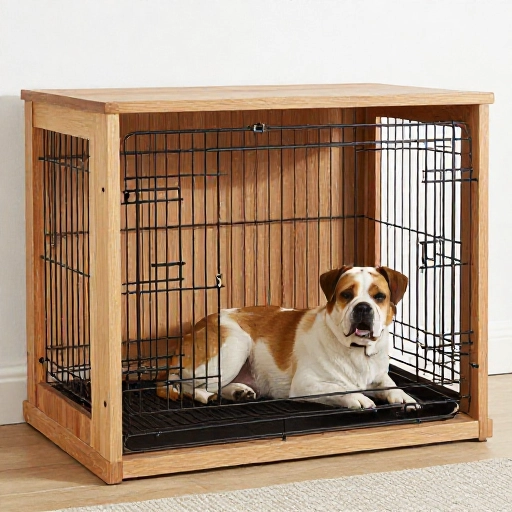
Is Your Puppy Eating the Best? Find Out Now!
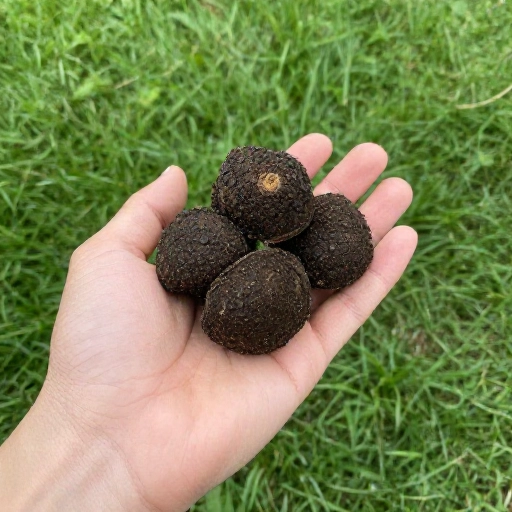
Bringing a new puppy home is pure joy, but the food aisle can feel overwhelming fast. Every bag promises shiny coats and endless energy. But how do you actually know if you’re making the right choice for your little furball?
I have been there—staring at ingredient lists, second-guessing every purchase. It turns out there are simple ways to check if your puppy’s diet is truly supporting their growth. Let’s walk through the signs together.
1. Check Their Stool Quality Daily
Your puppy’s poop tells you more than any label ever will. A healthy diet produces firm, chocolate-brown logs that are easy to pick up. If you are seeing loose, watery, or extremely hard stools, something is off.
Yellow or greenish poop can mean food is passing too fast. Very dark, almost black stool might indicate too much iron or even an intolerance. Pay attention to consistency over a few days, not just one accident.
2. Look at Their Coat and Skin
A puppy eating well will have a soft, shiny coat. Dull, brittle fur or dry, flaky skin often points to missing nutrients. Omega-3 and omega-6 fatty acids are key for that glow.
You should also check for excessive scratching. If your pup is constantly biting their paws or rubbing their face, their food might not agree with them. Healthy skin means fewer vet visits for allergies.

3. Watch Their Energy Levels
Puppies are naturally bouncy, but there is a difference between playful and wired. If your puppy has constant energy spikes followed by crashes, the food could be too high in simple carbs or sugar.
Good nutrition gives steady energy for training, play, and naps. You should see calm curiosity, not frantic zoomies followed by a total collapse. Balanced meals make for a balanced puppy.

4. Read the First Five Ingredients
Ingredients are listed by weight. The first five make up the bulk of the food. Look for a named protein source like chicken meal or salmon, not vague “meat meal” or “poultry by-product.”
Whole grains or vegetables should follow, not corn syrup or artificial colors. If you cannot pronounce half the list, reconsider. Simple, whole ingredients are usually better for growing bodies.
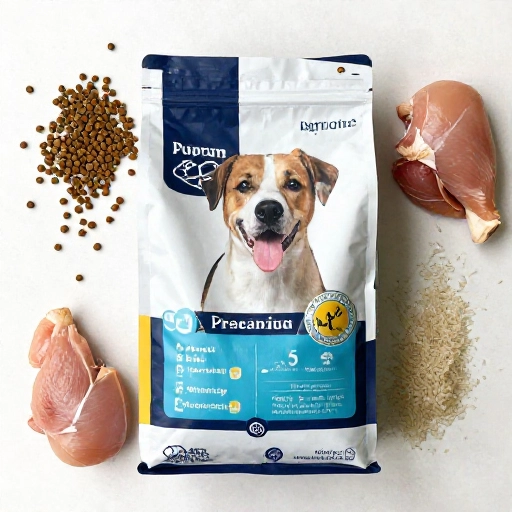
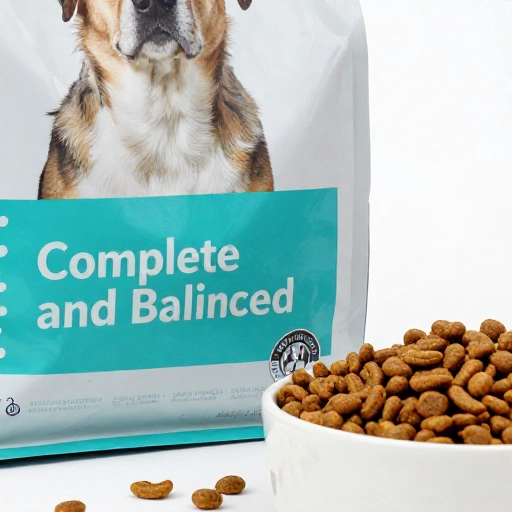
5. Check for Complete and Balanced Labeling
Look for an AAFCO statement on the bag. This tells you the food meets nutritional standards for growth. Without it, you are guessing. Puppy food should specifically say “for growth” or “all life stages.”
Adult food lacks the right calcium and phosphorus ratios for bone development. Feeding the wrong formula can lead to joint problems later. Always stick with a labeled puppy recipe until they reach maturity.
6. Pay Attention to Their Breath
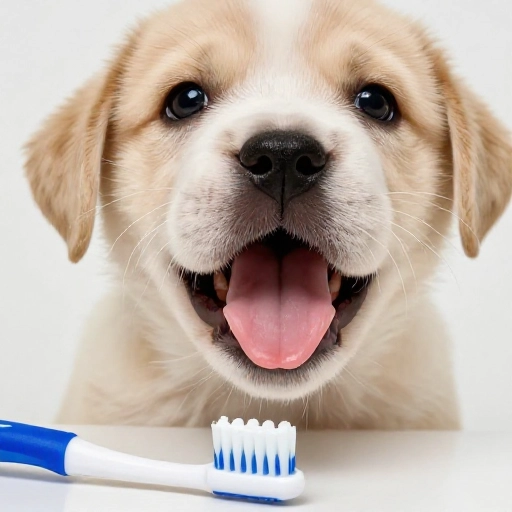
Puppy breath is cute, but foul breath is not. If your pup’s breath smells rotten or metallic, it could be a sign of poor digestion or low-quality ingredients. Healthy food leaves fresh, mild breath.
Also check for excessive gas. Some gas is normal, but constant stinky toots mean the food is hard on their stomach. A good diet should not make your living room smell like a barn.
7. Observe Their Appetite Enthusiasm
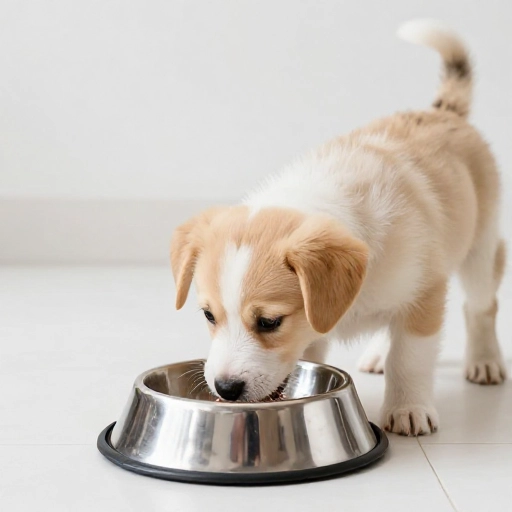
A puppy who loves mealtime is usually eating the right stuff. If they turn their nose up, pick at food, or eat reluctantly, the taste or texture might be off. Some pups are picky, but consistent disinterest is a red flag.
On the flip side, if they inhale every meal like they are starving, the food may lack nutrients. Quality food keeps them satisfied longer. You should see happy excitement, not desperation.
8. Look for Proper Growth Rate
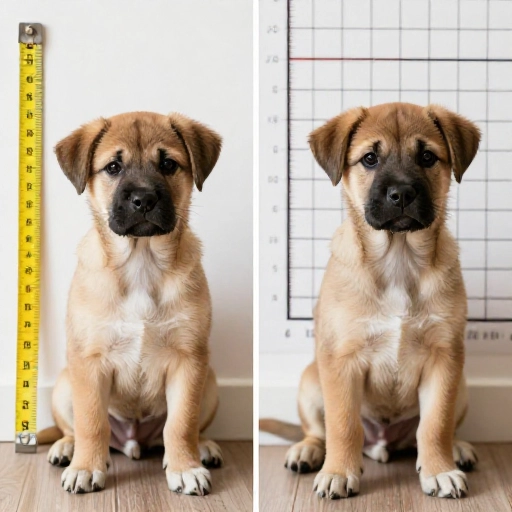
Puppies grow fast, but too fast is dangerous. If your puppy is gaining weight rapidly or looks chunky, the food may be too calorie-dense. You should be able to feel their ribs without pressing hard.
Slow growth can also be a problem. If your pup seems smaller than breed expectations, they might not be getting enough protein or fat. A healthy puppy grows steadily, not in extreme bursts.
9. Try a Simple Rotation
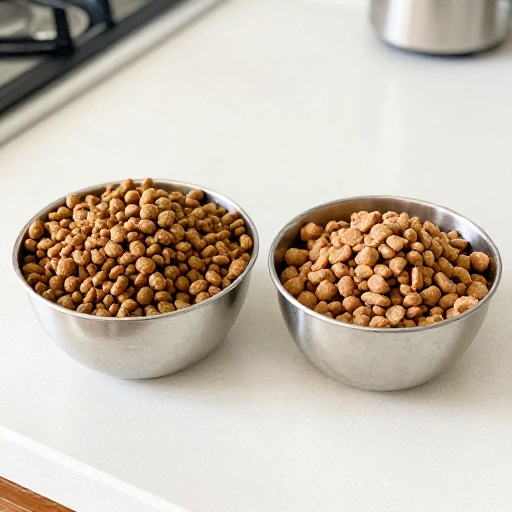
Feeding the same food forever can lead to nutrient gaps or boredom. Rotating between two or three high-quality proteins (like chicken, beef, and fish) can provide a wider nutrient profile. Do this slowly over a week.
This also helps prevent pickiness. If your pup learns that food changes are normal, they are less likely to refuse new meals. Just keep an eye on their digestion during the switch.
10. Trust Your Gut and Their Tail
You know your puppy best. If they seem happy, have bright eyes, and wag their tail during mealtime, you are likely on the right track. No food is perfect for every dog, so adjust as needed.
When in doubt, ask your vet for a recommendation based on breed and age. But most of the time, your puppy’s daily behavior is the best guide. A happy pup means a good bowl.

Conclusion
Your puppy’s food is the foundation of their health. By watching their poop, coat, energy, and appetite, you can quickly tell if you have found the right match. Trust your observations more than fancy marketing.
Making small changes now can save you stress and vet bills later. Keep it simple, keep it balanced, and keep loving on that pup. You have got this.
Frequently Asked Questions
How often should I switch my puppy’s food?
Only switch when you notice signs of intolerance or after checking with your vet. Gradual changes over 7 days help avoid stomach upset.
Can I feed my puppy adult dog food?
No, adult food lacks the right nutrients for growth. Always feed a labeled puppy formula until they reach their adult size.
What is the most important ingredient in puppy food?
High-quality animal protein should be the first ingredient. Look for named meats like chicken, lamb, or salmon.
How much should I feed my puppy per day?
Follow the bag guide based on weight and age, but adjust if your puppy seems too thin or too heavy. Your vet can give a personalized amount.
Should I add supplements to my puppy’s diet?
Only if your vet recommends it. Most complete puppy foods already have all the vitamins and minerals needed for healthy growth.