My 14 Day Dog Training Plan for Beginners
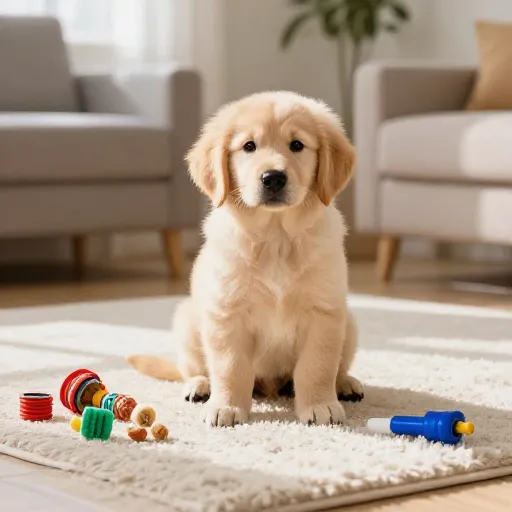
Bringing home a new dog is one of the most exciting times, but it also comes with a lot of questions. I remember feeling completely overwhelmed when I started training my first pup. Where do you even begin? How do you keep it simple without missing the important stuff?
That’s why I created this 14 day dog training plan for beginners. It’s designed to be gentle, practical, and actually doable. You won’t need fancy equipment or hours of practice each day. Just a handful of treats, a little patience, and a willingness to have fun with your dog.
Let’s get started. This plan will build a strong foundation for a lifetime of good behavior and a deeper bond with your furry friend.
Day 1: Focus on the Name Game
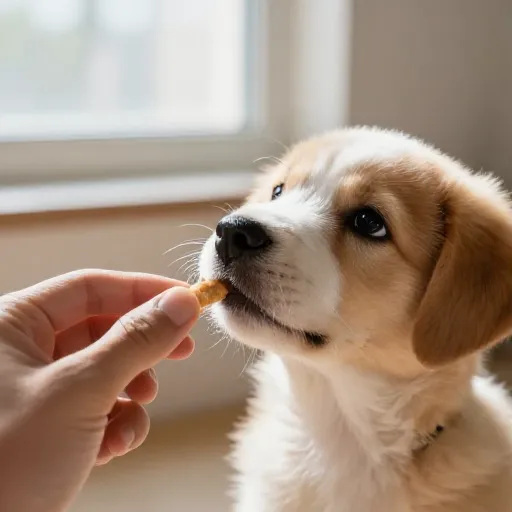
Before anything else, your dog needs to know their name. This is the foundation for all future training. Start by saying their name in a happy, excited voice. The moment they look at you, mark it with a word like “yes!” and give them a tiny treat.
Repeat this in short, one-minute sessions throughout the day. Do it in different rooms and when there are mild distractions. You want your dog to learn that hearing their name means good things happen.
Keep it fun and low pressure. If your dog doesn’t look at you, try making a kissy sound or clapping gently. You’re just teaching them to tune into you.
Day 2: Introduce “Sit”
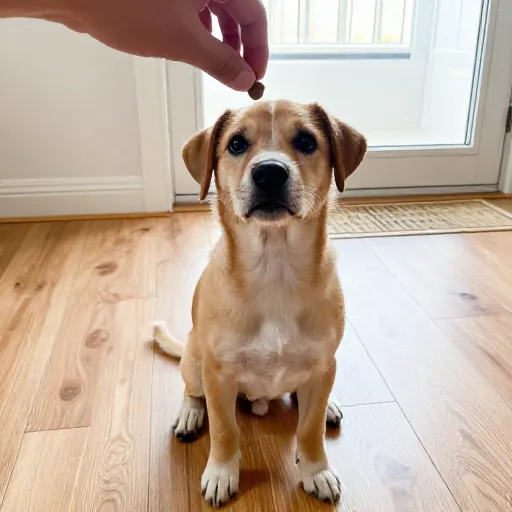
“Sit” is the easiest and most useful cue to start with. Hold a treat close to your dog’s nose and slowly lift it up and back over their head. Most dogs will naturally sit down to follow the treat. The moment their bottom touches the floor, say “yes!” and give them the treat.
If your dog doesn’t sit, that’s okay. Gently guide them or wait a few seconds. Sometimes they need to figure it out. Practice five times in a row, then take a break.
Repeat this a few times a day. You want your dog to start offering the sit without you even asking, just because they know it pays off.
Day 3: Crate Training Basics
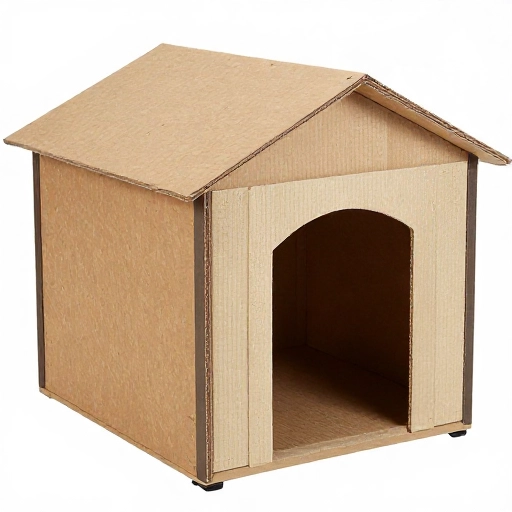
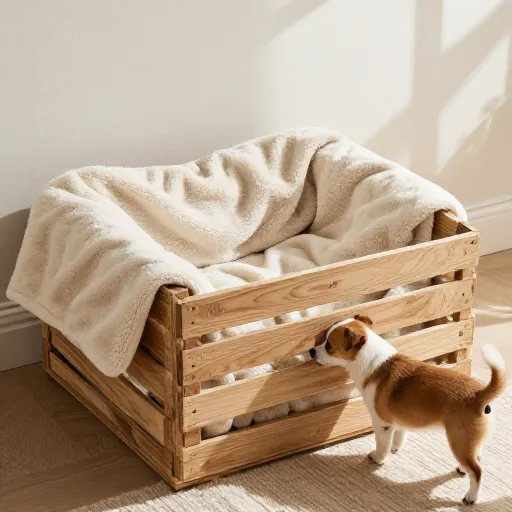
Crate training helps your dog feel safe and secure. Place the crate in a quiet corner with a soft blanket inside. Toss a few treats in and let your dog explore on their own. Don’t close the door yet.
Once they go in willingly, close the door for just five seconds, then open it. Gradually increase the time. Feed their meals inside the crate so they associate it with good things.
Never use the crate as punishment. It should be their cozy den. If your dog whines, wait for a quiet moment before letting them out. This teaches them that calm behavior opens the door.
Day 4: Leash Walking Without Pulling
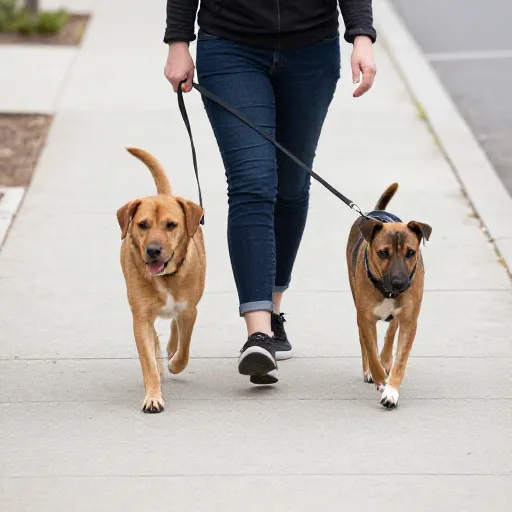
Start indoors or in a quiet backyard. Hold the leash loosely and let your dog wander. The moment the leash goes slack, mark it with a “yes” and give a treat. If your dog pulls, stop moving and wait. Don’t yank the leash.
You want your dog to learn that pulling makes you stop, but walking nicely earns treats and forward movement. Keep sessions short, just a few minutes at a time.
This is a slow process. Be patient. Even small steps in the right direction are wins. Your dog is learning to pay attention to you, not just the world around them.
Day 5: Hand Targeting (Touch)
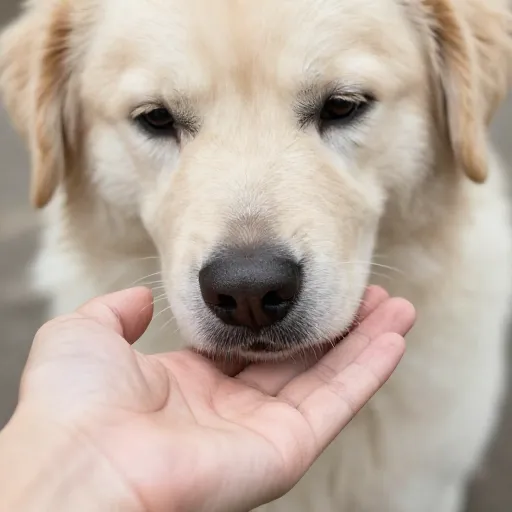
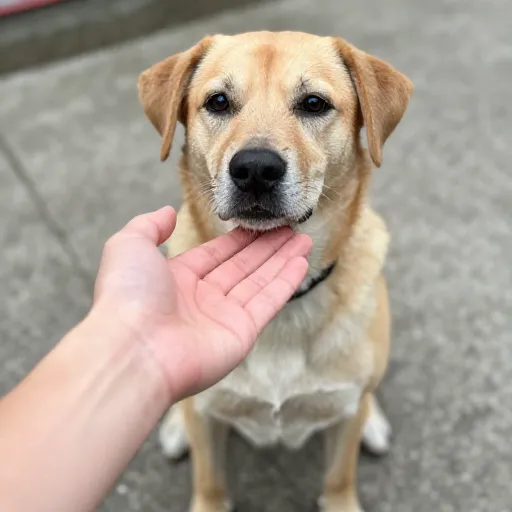
Hand targeting is a game that builds focus. Hold your flat palm out a few inches from your dog’s nose. Most dogs will naturally sniff it. The second their nose touches your hand, say “yes!” and give a treat.
Repeat this until your dog eagerly touches your hand. Then, start moving your hand slightly to different positions. This teaches your dog to follow your hand and builds a strong foundation for other cues.
It’s also a great way to redirect your dog from unwanted behavior. If they’re chewing something they shouldn’t, ask for a touch and reward them for coming to you.
Day 6: The “Down” Cue
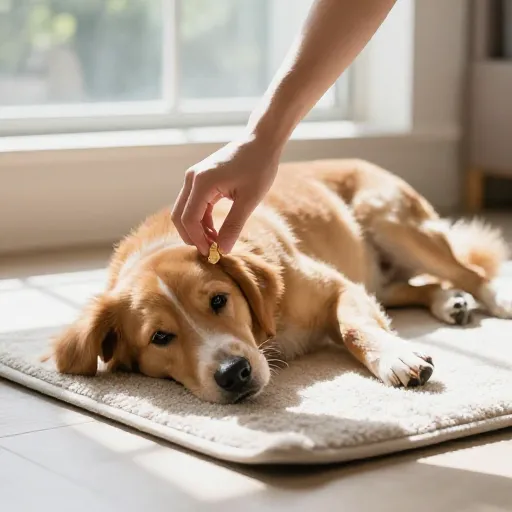
Start with your dog in a sit. Hold a treat in your closed fist and lower it straight down to the floor between their paws. Most dogs will follow the treat and lie down. The moment their elbows touch the ground, mark it and give the treat.
If your dog pops back up, that’s okay. Just try again. Some dogs find “down” harder than “sit.” Keep sessions short and always end on a successful attempt, even if you have to help them a little.
Practice in different spots around the house. The more you practice, the faster your dog will learn to drop on cue.
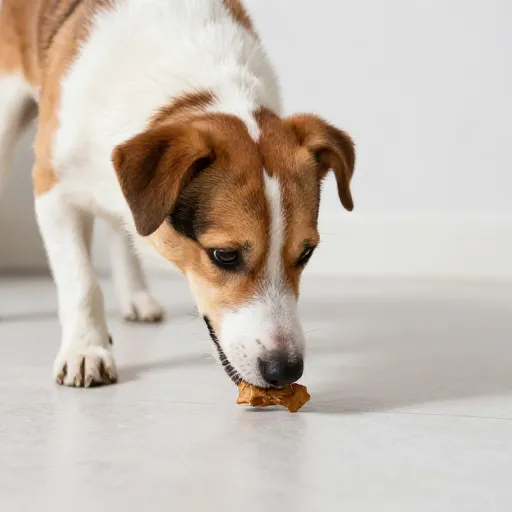
Day 7: Leave It
Place a low-value treat on the floor and cover it with your hand. When your dog sniffs or paws at it, wait. The moment they look away from your hand, say “yes!” and give them a different treat from your other hand.
Repeat until your dog looks away immediately. Then, try uncovering the treat slightly. If they go for it, cover it again. This teaches them that ignoring something earns a better reward.
This is a lifesaver for walks. You can use it to stop your dog from eating things off the ground. Practice with different objects and in different rooms.
Day 8: Come When Called
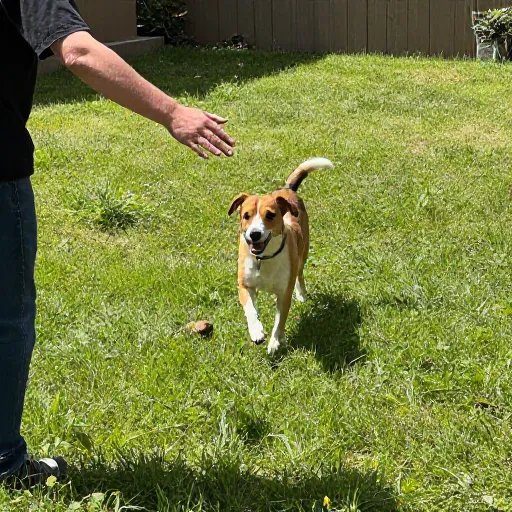
Start in a small, boring room. Say your dog’s name followed by “come!” in a super happy voice. When they come to you, mark it and give a big reward, like a piece of chicken or cheese. Make it the best thing ever.
If your dog doesn’t come, don’t repeat the cue. Instead, make silly noises or run away a few steps to encourage them. Never punish your dog for not coming, even if they took forever.
Practice this a few times a day, always making it fun. Eventually, you can try it in the backyard or with mild distractions. Always reward generously.
Day 9: Settle on a Mat
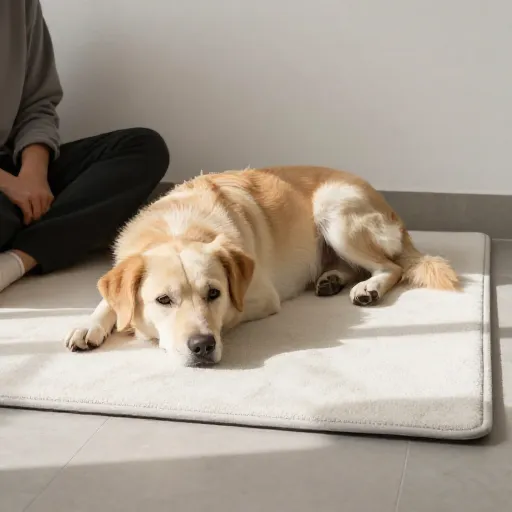
Place a mat or towel on the floor. Toss a treat on it and let your dog eat it. Then, toss another. Once your dog stays on the mat for a few seconds, say “yes!” and give a treat while they’re still on the mat.
Gradually increase the time they need to stay on the mat to earn a treat. Start with three seconds, then five, then ten. This teaches your dog to relax in one spot.
Use this during meals, when you’re watching TV, or when guests come over. It’s a wonderful way to teach calmness without needing to crate your dog.
Day 10: Loose Leash Walking Outside
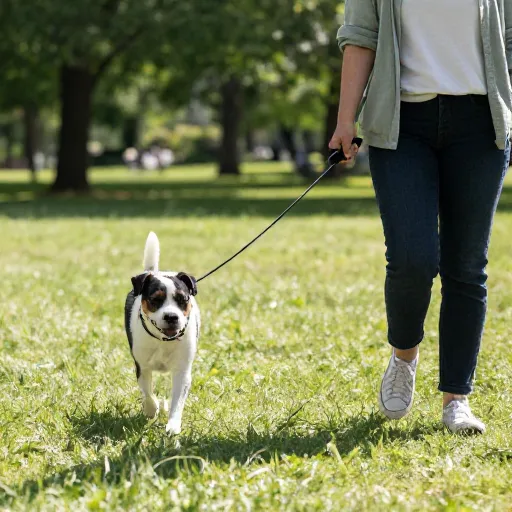
Now take your leash training outside. Start in a quiet area, like your driveway or a calm sidewalk. Use the same technique from Day 4. Stop when the leash tightens, move forward when it’s loose.
Reward your dog frequently for checking in with you. Every time they look back at you, say “yes!” and give a treat. This builds their focus on you even in distracting environments.
Keep walks short, maybe five minutes. It’s better to have multiple short, successful walks than one long, frustrating one. Your dog is learning to walk with you, not drag you.
Day 11: Polite Greetings
Jumping up is natural for dogs, but we can teach a better way. When you come home, ignore your dog completely until all four paws are on the floor. No eye contact, no talking, no touching. The moment they calm down, quietly say “yes” and give attention.
Practice with family members and friends. Ask them to do the same. If your dog jumps, the person should turn away and become boring. Only when your dog sits or stands calmly do they get pet.
This takes consistency. Every single person must follow the same rule. Your dog will quickly learn that calm behavior earns them the greeting they want.
Day 12: Drop It
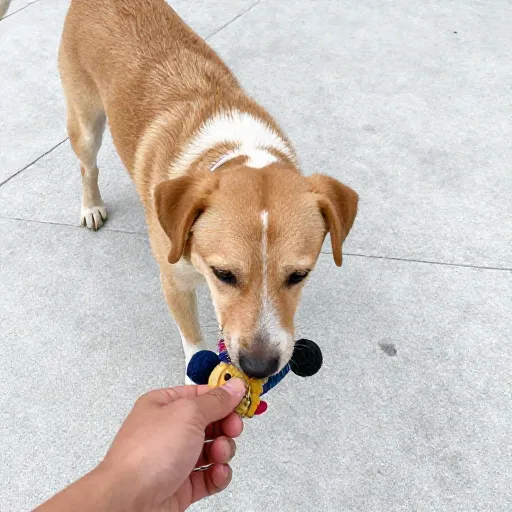
Trade your dog for something better. If they have a toy or a sock in their mouth, hold a high-value treat near their nose. When they open their mouth to take the treat, say “drop it” and give the treat. Then, give the item back to them.
Practice with different objects. You want your dog to learn that dropping something earns a reward and they often get the item back. This prevents resource guarding and makes play safer.
Never chase your dog to take something away. That turns it into a game. Instead, always trade. Your dog will start dropping things eagerly because they trust you.
Day 13: Stay (Short Duration)
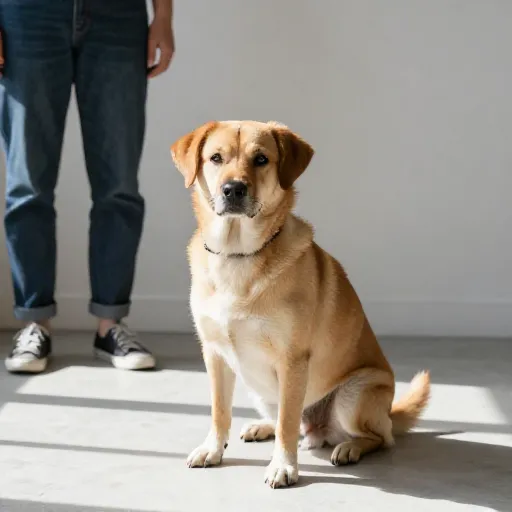
Start with your dog in a sit or down. Say “stay” in a calm voice, hold your hand up like a stop sign, and take one small step back. Immediately step forward and reward. If your dog moves, just try again with a smaller step.
Gradually increase the distance and duration. Practice for just a few seconds at a time. Always return to your dog to reward them, don’t call them to you. This teaches them to stay put until you release them.
Use a release word like “free” or “okay” to end the stay. This is a building block for impulse control and safety in real-life situations.
Day 14: Putting It All Together
Today is about practice in real life. Try a short walk with loose leash skills, then practice a “sit” before crossing the street. Use “leave it” if your dog spots something interesting. End with a “settle” on their mat while you have a cup of coffee.
Don’t worry if everything isn’t perfect. Training is a journey, not a destination. Celebrate the small wins and be proud of how far you and your dog have come in just two weeks.
Keep practicing these skills daily. The more consistent you are, the more natural they will become for your dog. You’ve built an amazing foundation for a happy, well-behaved companion.

Conclusion
This 14 day plan is just the beginning. The real magic happens when you keep showing up for your dog every day. Training strengthens your bond, builds trust, and makes life together so much smoother.
Remember, every dog learns at their own pace. Some will pick up cues in a day, others might take a week. That’s totally okay. You’re not behind schedule, you’re just on your dog’s timeline. Keep it positive, keep it fun, and you’ll both succeed.
Frequently Asked Questions
How long should each training session be?
Keep sessions super short, especially with a beginner dog. Aim for two to five minutes, two to three times a day. Short, frequent sessions are way more effective than one long, boring session. Your dog will stay excited and focused.
What treats should I use?
Use small, soft treats that your dog can eat quickly. Think tiny pea-sized pieces of chicken, cheese, or commercial training treats. The treats should be high value so your dog is motivated. Keep them special and only use them during training.
My dog isn’t getting it. What should I do?
Take a break and come back later. Sometimes dogs need time to process. Make sure you’re in a quiet, distraction-free space. Break the cue down into smaller steps. For example, if “down” is hard, reward just a head dip toward the floor first.
Can I train an older dog with this plan?
Absolutely! This plan works for dogs of any age. Older dogs might learn a little slower, but they can still master every cue. The same principles of patience, positive reinforcement, and consistency apply. It’s never too late to teach an old dog new tricks.
What if my dog loses interest in treats?
Try different treats or use their regular kibble if they’re food motivated. You can also use play or praise as a reward. Some dogs prefer a game of tug or a belly rub over food. Find what your dog loves most and use that as their training reward.
[[IMG:IMG16]]