15 Foods Dogs Should Never Eat (A Practical Guide for Pet Parents)
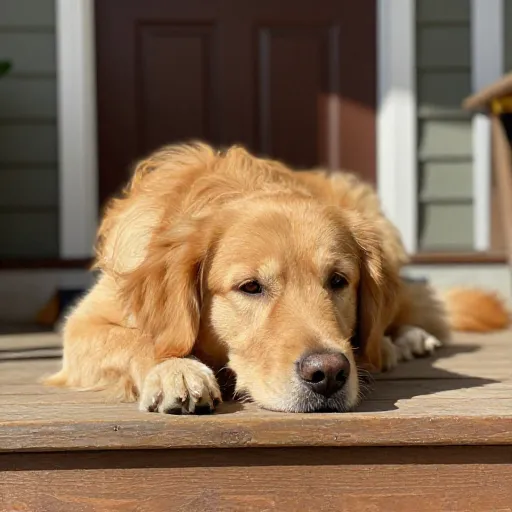
I remember the first time my golden retriever, Bailey, gave me those big puppy eyes while I was chopping an onion for dinner. It’s so easy to slip them a little something from the table, especially when they look at you like you’re the whole world. But I learned the hard way that not all human food is safe for our furry friends.
Some foods that are perfectly healthy for us can cause serious health issues in dogs—from an upset tummy to kidney failure. I’ve spent years researching and talking to vets, and I want to share what I’ve learned so you can keep your pup safe without feeling paranoid. This isn’t a scare tactic list; it’s a practical guide to help you make smart choices at the dinner table.
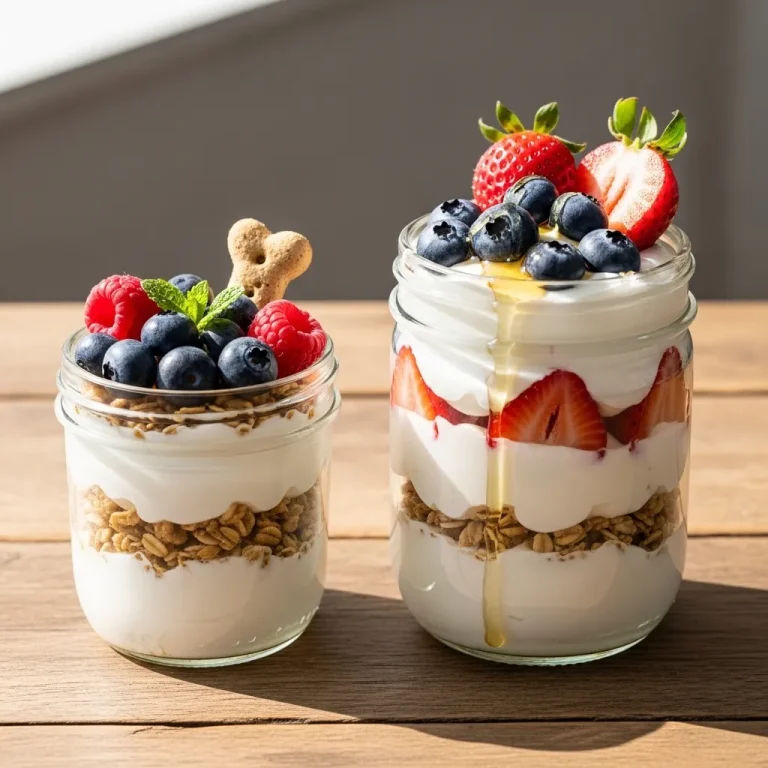
Below, I break down the most common dangerous foods, why they’re risky, and what to do if your dog sneaks a bite. Remember, when in doubt, stick to dog-safe treats like plain cooked carrots or apple slices (without seeds).
1. Chocolate: The Classic Danger
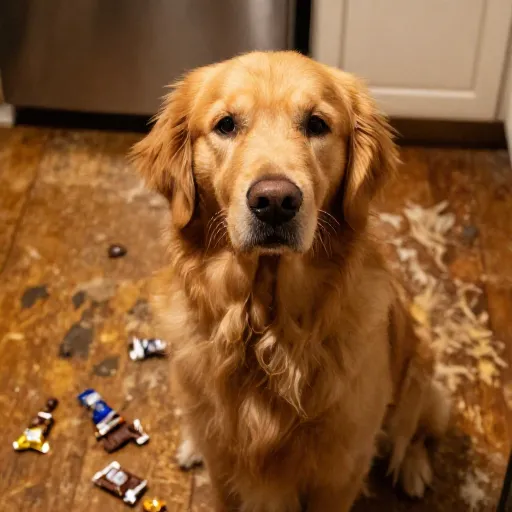
Chocolate contains theobromine and caffeine, two stimulants that dogs can’t metabolize well. Dark chocolate and baking chocolate are the most dangerous because they have higher concentrations. Even a small amount can cause vomiting, diarrhea, rapid breathing, and in severe cases, seizures.
If your dog eats chocolate, call your vet immediately. The amount matters, but it’s better to be safe. Keep chocolate bars, cocoa powder, and even chocolate-covered raisins out of reach. I keep a small emergency kit with activated charcoal (vet-approved) just in case.
Remember, white chocolate has very little theobromine, but it’s still high in fat and sugar, so it’s not a good idea either.

2. Grapes and Raisins: Small but Mighty Dangerous
Grapes and raisins are a total mystery to researchers—no one knows exactly why they cause kidney failure in some dogs. But the risk is real. Even a single grape can be toxic to a small dog. Symptoms include vomiting, lethargy, and loss of appetite within 12–24 hours.
I’ve made it a rule in my house: no grapes or raisins ever enter the kitchen. They’re in so many snacks like trail mix, granola bars, and cookies. Always check labels. If your dog eats any, don’t wait for symptoms—call the vet right away.
Some dogs eat grapes with no issues, but it’s not worth the gamble. Stick to blueberries or strawberries as safe fruit treats.

3. Onions and Garlic: Allium Family Trouble
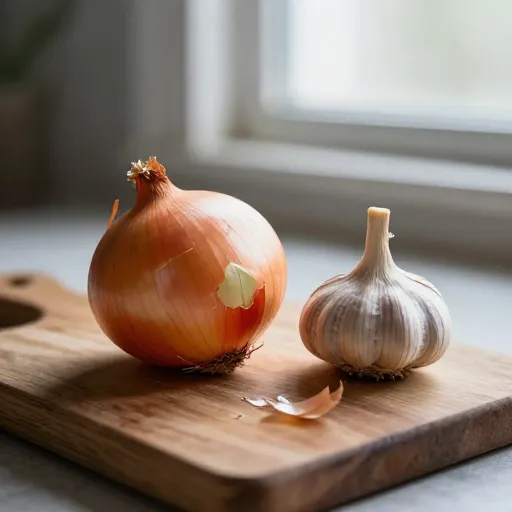
Onions, garlic, leeks, and chives can damage a dog’s red blood cells, leading to anemia. This applies to all forms—raw, cooked, powdered, or even in soups and sauces. Garlic is more potent than onions, but both are risky. Symptoms might not show up for a few days, but watch for weakness, pale gums, and dark urine.
I avoid feeding my dog anything seasoned with onion or garlic powder. That includes many human foods like pasta sauces, stir-fries, and even some baby foods. If you cook for your dog, keep it plain. A tiny amount of garlic once might not cause harm, but regular exposure builds up.
If your dog eats a large amount, especially of concentrated forms like garlic powder, get veterinary help. Prevention is the best medicine here.
4. Xylitol: The Hidden Sweetener
Xylitol is a sugar substitute found in sugar-free gum, candies, baked goods, and even some peanut butters. It causes a rapid release of insulin in dogs, leading to dangerously low blood sugar within 30 minutes. Symptoms include vomiting, weakness, and seizures. It can also cause liver failure.
Always check the ingredient list of peanut butter before giving it to your dog. Many natural brands are xylitol-free, but some “low-sugar” versions contain it. I only buy peanut butter that explicitly says “no xylitol” on the label.
Keep gum and mints in closed purses or high cabinets. Dogs are clever and can sniff out these treats. If you suspect ingestion, get to the vet immediately—this is an emergency.
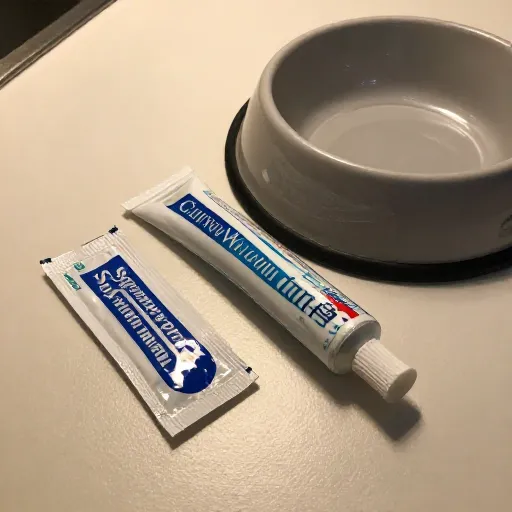
5. Avocado: The Pit and Skin Problem
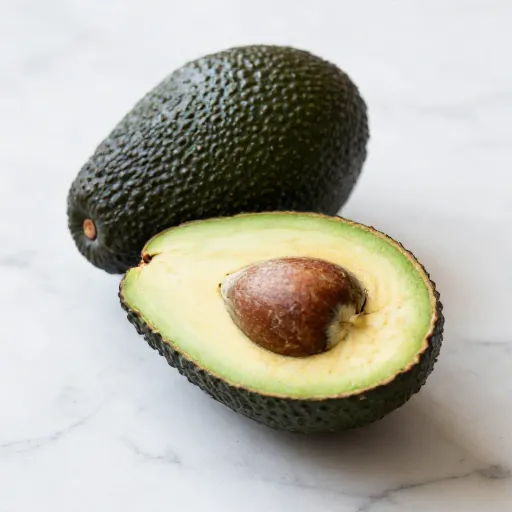
Avocado contains persin, a fungicidal toxin that can cause vomiting and diarrhea in dogs. The biggest risk is the pit itself, which can cause choking or an intestinal blockage. The flesh has less persin, but it’s still high in fat, which can lead to pancreatitis in sensitive dogs.
I avoid giving avocado entirely, even though some dogs eat small amounts of the flesh without issues. The pit is the real danger because it’s large and hard. If you have an avocado tree, pick up fallen fruit immediately. Also, guacamole often contains onions and garlic, making it doubly dangerous.
If your dog eats a small amount of avocado flesh, monitor them. If they eat the pit, call the vet for guidance on possible blockage.
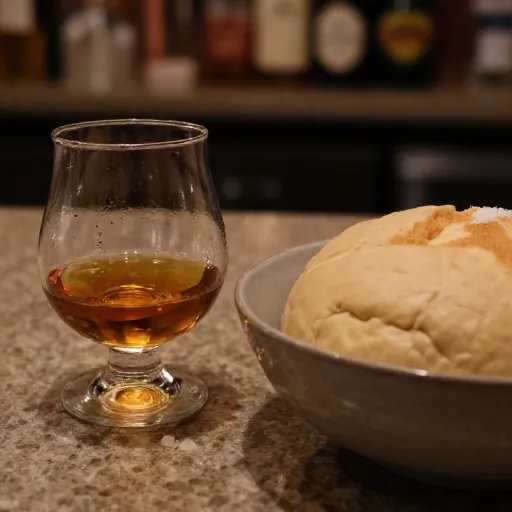
6. Alcohol and Yeast Dough: A Double Threat
Alcohol can cause alcohol poisoning in dogs, even in small amounts. Symptoms include vomiting, disorientation, and breathing problems. Yeast dough is even trickier—it rises in the warm, moist environment of the stomach, producing gas that can cause bloat (a life-threatening condition). The yeast also ferments and produces alcohol.
Never leave drinks unattended around dogs, especially at parties. Keep raw bread dough out of reach. If your dog eats raw dough, watch for a swollen belly and signs of distress. Immediate vet care is necessary.
Cooked bread is generally safe in tiny amounts, but it’s empty calories. Stick to dog-safe treats instead.
7. Macadamia Nuts: A Strange Reaction
Macadamia nuts cause a unique reaction in dogs: weakness in the back legs, tremors, vomiting, and hyperthermia. The exact toxin isn’t known, but symptoms usually appear within 12 hours and can last for a day or two. Even a small number of nuts can affect a dog.
Keep macadamia nuts, and any cookies or candies containing them, far away. I once had a friend whose dog got into a bag of macadamia nuts and couldn’t walk for 24 hours. It was scary, but she recovered with supportive care.
Other nuts like almonds and walnuts are less toxic but can still cause choking or gastrointestinal upset. Avoid giving nuts altogether.

8. Cooked Bones: Not a Safe Treat
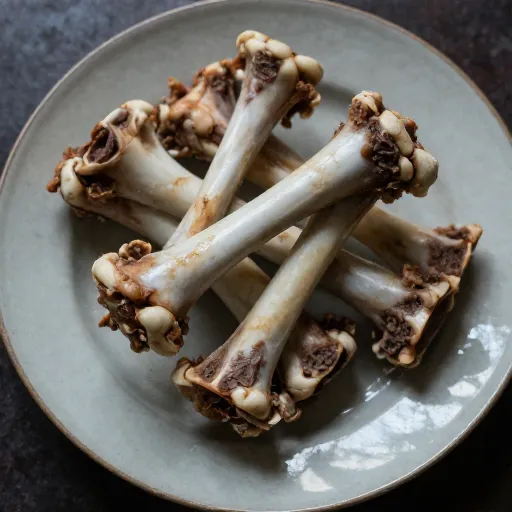
Cooked bones, especially from poultry, can splinter and cause serious damage to a dog’s mouth, throat, or intestines. They can also cause constipation or perforations. Raw bones are safer if they are large and meaty, but even then, supervision is key. I’ve seen too many emergency vet visits from cooked bone ingestion.
Never give your dog leftover chicken bones, rib bones, or T-bone steaks. Instead, offer raw bones from a reputable butcher, or use durable rubber chew toys with treats inside. Always supervise any bone chewing session.
If your dog swallows a large piece of cooked bone, watch for vomiting, gagging, or lack of appetite. Call your vet for advice.
9. Caffeine: Similar to Chocolate
Caffeine is found in coffee, tea, energy drinks, and some medications. It’s a stimulant that can cause restlessness, rapid breathing, heart palpitations, and seizures in dogs. It’s even more dangerous than chocolate in some ways because it’s absorbed quickly.
Keep coffee grounds, tea bags, and energy drinks out of reach. I’ve had to move my coffee canister to a high shelf after Bailey tried to lick the grounds. Even small amounts can cause problems. If your dog ingests caffeine, contact your vet or a pet poison hotline.
Decaf coffee still contains some caffeine, so it’s not safe either. Stick to water or dog-safe broth.

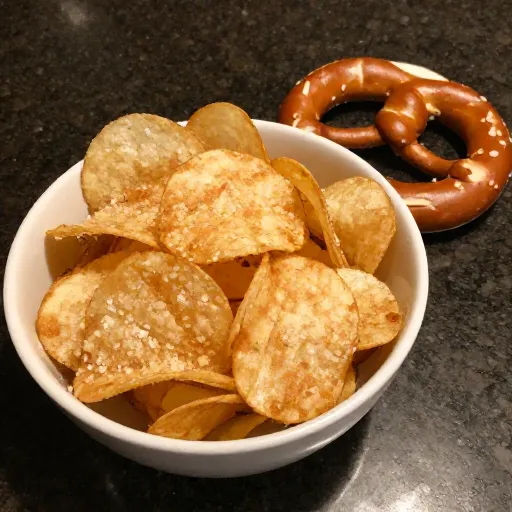
10. Salty Snacks and Chips
Too much salt can cause sodium ion poisoning in dogs. Symptoms include vomiting, diarrhea, tremors, and even seizures. Salty snacks like chips, pretzels, and popcorn are high in salt and often contain other dangerous ingredients like onion powder or garlic.
I avoid giving my dog any salty human snacks. Instead, I offer plain, air-popped popcorn (no salt, no butter) as an occasional treat. But even that is high in fiber, so it’s not for every dog. The best rule is to keep human snack foods to yourself.
If your dog drinks a lot of water after eating salty food, that’s a sign. Monitor them and call the vet if they seem disoriented or weak.
Conclusion
Knowing what foods are dangerous is one of the easiest ways to protect your dog. I’ve made mistakes in the past, but now I always double-check before sharing anything from my plate. The key is prevention: keep harmful foods out of reach, read labels, and have a plan for emergencies.
Your dog’s health is worth the extra caution. When in doubt, ask your vet or call a pet poison hotline. And remember, the best treats are the ones made specifically for dogs—they’re safe, tasty, and designed for their digestive systems.
Stay informed, stay calm, and give your pup an extra belly rub for me.
[[IMG:IMG12]]
FAQ: Foods Dogs Should Never Eat
Q: What should I do if my dog eats chocolate?
Call your vet or a pet poison hotline immediately. The amount and type of chocolate matter, but it’s better to be safe. If the vet recommends inducing vomiting, follow their instructions exactly.
Q: Are all nuts bad for dogs?
Macadamia nuts are the most dangerous, but almonds, walnuts, and pecans can cause choking or stomach upset. Peanuts (unsalted, no shells) are generally safe in moderation, but always check for xylitol in peanut butter.
Q: Can dogs eat fruit like apples or bananas?
Yes, many fruits are safe. Apples (without seeds or core), bananas, blueberries, and strawberries are great treats. Avoid grapes, raisins, and citrus fruits in large amounts. Always wash and remove any pits or seeds.
Q: Is it safe to give my dog raw meat or eggs?
Raw diets can be controversial. Raw meat may contain bacteria like salmonella, and raw eggs can cause biotin deficiency over time. If you choose raw, consult your vet for safe handling and balanced nutrition. Cooked meat is generally safer and easier to digest.
Q: How can I train my dog to stop begging for human food?
Consistency is key. Never give in to begging, even once. Teach a “place” command where they go to a mat during meals. Offer them a dog-safe treat in their bowl when you eat, so they learn that good things come from their own spot, not your plate.