Signs Your Dog Is Sick
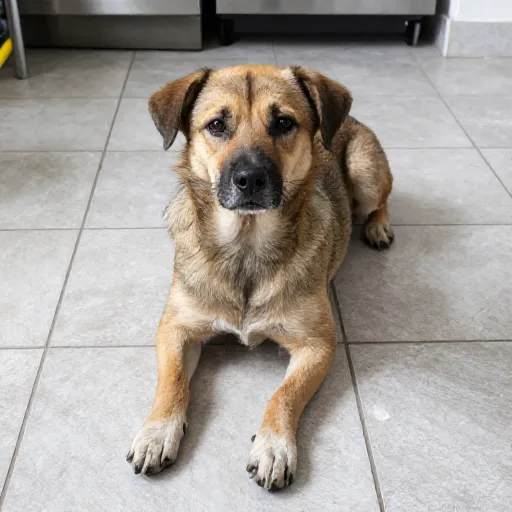
Watching your dog closely is one of the most important things you do as a pet parent. Our dogs can’t tell us when something feels off, so we have to rely on reading their behavior and physical cues. I’ve learned over the years that catching a problem early can make all the difference.
Sometimes it’s something small, like a skipped meal or a quieter afternoon. Other times, it’s more obvious. Either way, knowing what to look for gives you peace of mind and helps your pup get the care they need fast. Here are the key signs your dog might be sick.
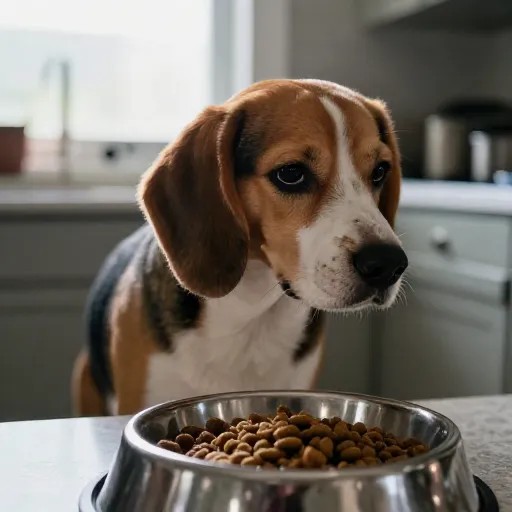
Loss of Appetite
If your dog suddenly turns their nose up at their food, pay attention. A healthy dog usually loves mealtime, so skipping more than one meal is a red flag. It could be something simple like an upset stomach, but it can also signal pain, infection, or dental issues.
Try offering a bland meal like boiled chicken and rice. If they still refuse or start vomiting, call your vet. Also watch if they drink less water than normal—that can be just as serious.
Lethargy or Hiding
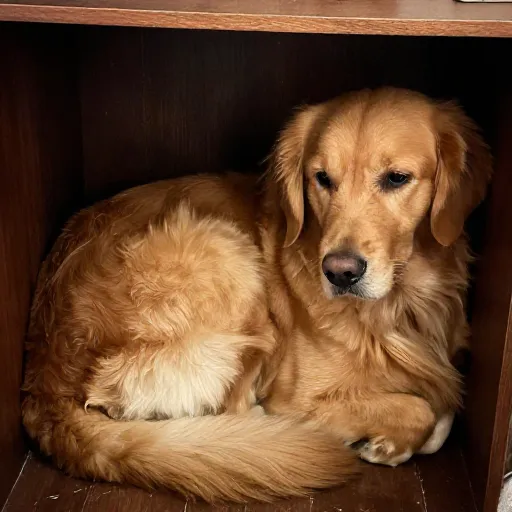
Is your normally bouncy dog suddenly sleeping all day or hiding under the bed? That’s not normal. Dogs often hide when they don’t feel well because it’s an instinct to protect themselves when they’re vulnerable.
Take note if they don’t greet you at the door or seem uninterested in their favorite toy or walk. Lethargy that lasts more than a day deserves a call to your vet. It could be anything from a mild virus to something more serious like heart disease.
Vomiting or Diarrhea
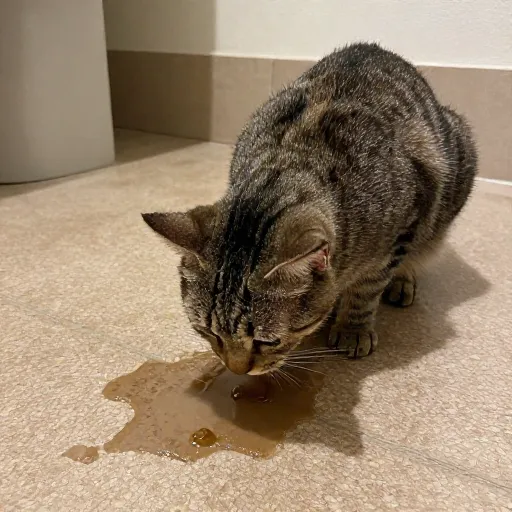
An occasional throw-up might just be from eating too fast or something weird in the yard. But repeated vomiting or diarrhea is a problem. This can quickly lead to dehydration, especially in small dogs or puppies.
- Watch for blood in the vomit or stool.
- Note how often it happens (more than twice in 24 hours is concerning).
- Check if your dog seems weak or has a dry nose.
If diarrhea lasts more than a day or vomiting won’t stop, see your vet right away.
Changes in Thirst or Urination
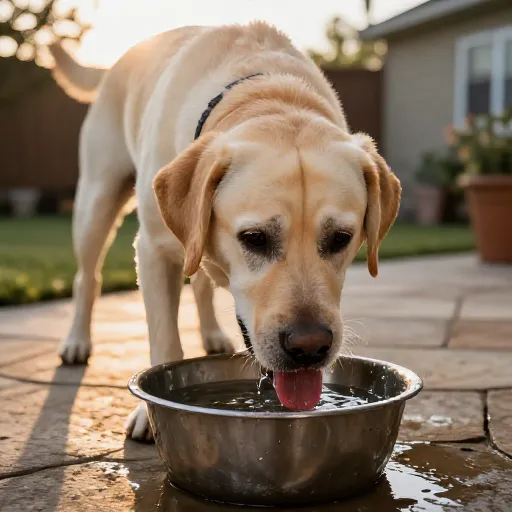
Drinking way more water than usual can be a sign of diabetes, kidney disease, or a urinary tract infection. On the flip side, drinking very little can mean nausea or pain. Both need attention.
Also keep an eye on how often they pee. Accidents in the house, straining to pee, or cloudy urine are all signs something might be wrong. A simple urine test can often give you answers quickly.
Limping or Stiffness
Dogs are good at hiding pain, so limping is a clear signal something hurts. It might be a small sprain, a thorn in their paw, or something more chronic like arthritis. Don’t just wait for it to pass.
Check their paws and legs gently for swelling, cuts, or heat. If they refuse to put weight on a leg or cry out when touched, get them checked. Early treatment for joint issues can slow down long-term damage.
Changes in Breathing
Heavy panting after exercise is normal, but panting when resting or breathing that looks labored is not. Watch for coughing, wheezing, or noisy breathing. These can point to respiratory infections, heart problems, or allergies.
Count their breaths per minute while they sleep. More than 30 breaths a minute is a red flag. If their gums look pale or blue, that’s an emergency—go to the vet immediately.
Skin Issues or Excessive Scratching
Constant scratching, licking paws, or rubbing against furniture often means allergies, fleas, or a skin infection. You might see red patches, bumps, or even hair loss. Don’t ignore it—itchy skin is miserable for your dog.
Check their ears too. If they smell bad or have dark discharge, they might have an ear infection. A quick vet visit can get them relief with medication or a diet change.
Behavior Changes
If your sweet dog suddenly growls or snaps, something is wrong. Pain can make even the gentlest dog irritable. They might also become clingy, restless, or unusually quiet. Trust your gut—you know their normal personality best.
Sudden aggression, anxiety, or confusion (like getting stuck in corners) can also be signs of cognitive decline in older dogs. Keep a journal of what you notice so you can share it with your vet.

Weight Loss or Gain
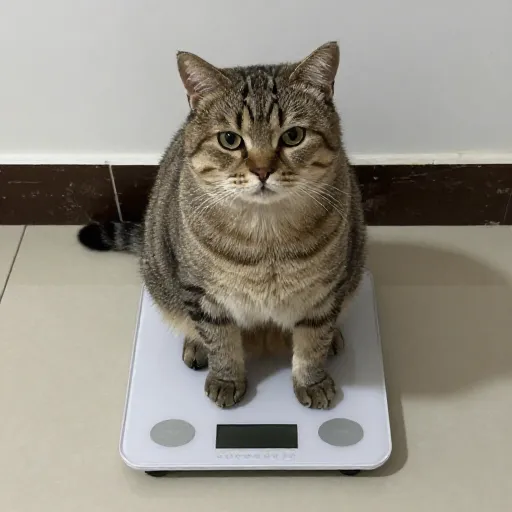
Notice your dog’s ribs sticking out more than usual? Unexplained weight loss can indicate parasites, thyroid issues, or even cancer. On the other hand, rapid weight gain could mean a metabolic problem or fluid retention.
Weigh your dog regularly and keep an eye on their body condition. If their appetite hasn’t changed but their weight has, it’s time for a checkup. Your vet can run simple blood tests to get to the bottom of it.
Bad Breath or Drooling
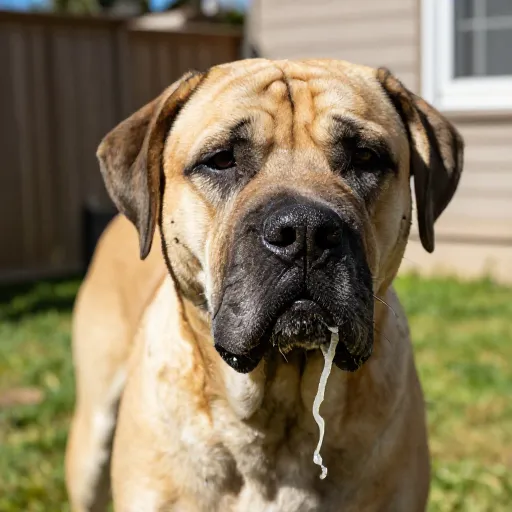
Dog breath is never minty fresh, but if it suddenly smells foul, that’s a problem. Dental disease is common and can lead to infections that affect their heart and kidneys. Excessive drooling or pawing at the mouth can mean a tooth abscess or something stuck in their teeth.
Check their gums for redness, swelling, or bleeding. Regular teeth brushing helps, but if the smell is strong or they’re drooling more than usual, a dental cleaning at the vet might be needed.
Conclusion
You know your dog better than anyone. When something feels off, trust that feeling and don’t wait too long to act. Many health issues are much easier to treat when caught early. Keep an eye on these signs, stay calm, and always reach out to your vet when you’re unsure. A little attention today can keep your best friend healthy and happy for years to come.
Frequently Asked Questions
How can I tell if my dog has a fever without a thermometer?
If your dog’s ears feel hot, their nose is dry, or they seem shivery and tired, they might have a fever. But the only accurate way is with a pet thermometer. Never guess—it’s worth picking one up for your home kit.
When should I take my dog to the emergency vet?
Go immediately if your dog is struggling to breathe, has seizures, collapses, is bleeding heavily, or has eaten something toxic. Also go if they can’t stand or have been vomiting for more than a few hours.
Can stress make my dog act sick?
Yes, stress can cause vomiting, diarrhea, loss of appetite, and hiding. Big changes like moving, new pets, or loud noises can trigger it. If your dog seems sick but checks out fine at the vet, stress might be the cause.
Is it normal for older dogs to sleep more?
Older dogs do sleep more, but a sudden increase in sleep or difficulty waking up is not normal. It could mean arthritis pain, organ issues, or cognitive decline. A vet check can help rule out serious problems.
What should I do if my dog stops eating for a day?
Try offering boiled chicken and rice or a small treat. If they still refuse food after 24 hours, or if they also have vomiting or diarrhea, call your vet. Puppies and small dogs can get dehydrated fast, so don’t wait too long.