12 Genius DIY Pet Food Storage Container Projects That Keep Kibble Fresh and Your Home Organized
I used to leave the giant dog food bag rolled up in the corner of the pantry, and honestly, it looked messy and invited bugs. Once I started making my own pet food storage containers, everything changed. These DIY projects are not only cute but also practical for keeping kibble fresh, measuring portions, and hiding ugly packaging.
Whether you have a tiny apartment or a big mudroom, there’s a project here for you. Most of these ideas use affordable supplies you can find at thrift stores or hardware shops, and they take less than a weekend. Let’s get into my favorite ways to store dog and cat food without sacrificing style.
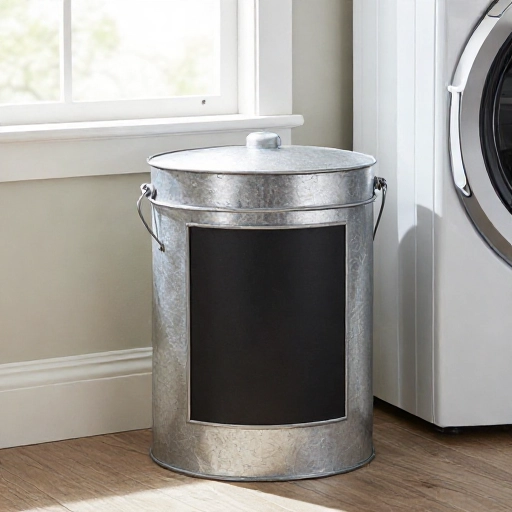
1. Chalkboard-Labeled Galvanized Trash Can
I found a vintage-looking galvanized trash can at a flea market for ten dollars, and it became the perfect home for a big bag of dog food. I added a chalkboard sticker on the front and wrote “Dinner Time” with a chalk marker.
You can add a rubber seal around the lid if you want it more airtight. I keep a metal scoop in a small bucket inside the lid, which keeps everything together.
This is my favorite option if you need to store 30+ pounds of kibble and want something that looks good in the kitchen, not like pet clutter.
2. Rolling Airtight Bin with Built-In Scoop Holder
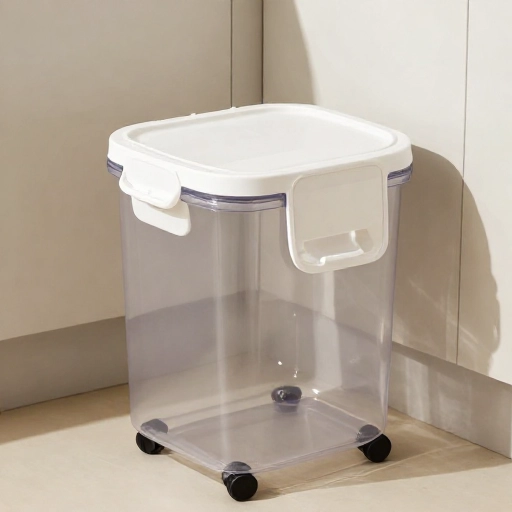
A rolling storage container with a snap-lock lid is a game changer for heavy pet food bags. I picked up a 25-pound capacity container from a home goods store and added adhesive hooks to the side for a measuring cup.
What I love most is how easy it is to roll it from the pantry to the feeding station. No more dragging a ripped bag across the floor.
To customize, spray paint the lid with chalk paint and add a small plastic scoop holder inside the rim. This helps anyone in the house see exactly how much food is left at a glance.
3. Clear Cereal Dispenser Wall for Easy Pouring
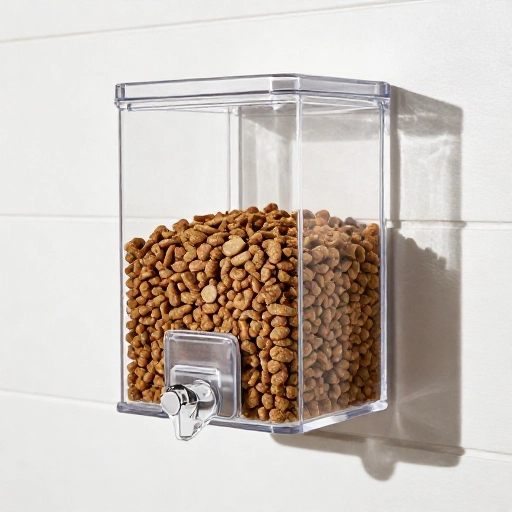
If you feed smaller kibble or freeze-dried raw, you can turn ordinary plastic cereal dispensers into a pet food station. I mounted two clear containers on the pantry wall with heavy-duty Command strips.
Fill one with dog kibble and one with cat food, then use the twist spout to pour into bowls without opening lids. The clear design lets you monitor food levels without guessing.
Add a small whiteboard clip label under each dispenser so everyone knows which pet gets which food. This is especially helpful in busy households or if you have pets with different diets.
4. Mason Jar Treat Bar with Custom Lids
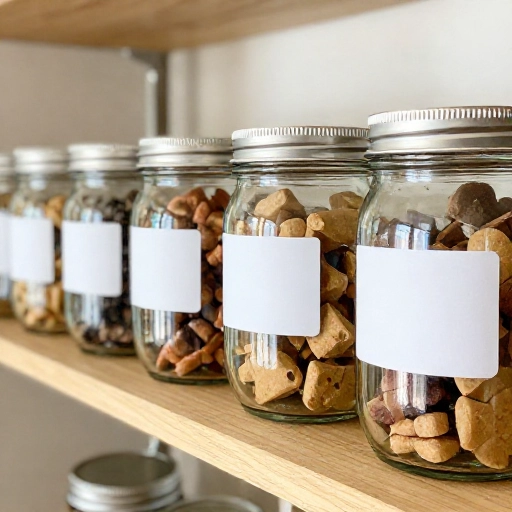
I am slightly obsessed with a row of mason jars on a wooden shelf for treats. These are perfect for small training treats, dental chews, or even freeze-dried chicken.
I painted the metal lids with chalkboard paint and wrote the treat name on each one. A half-gallon jar holds plenty for a week, and the glass keeps smells contained.
You can add a small wooden scoop tied with twine to the shelf for easy grabbing. It looks like a little pet bakery in my kitchen, and guests always comment on it.
5. Upcycled Kitty Litter Bucket with Vinyl Decal
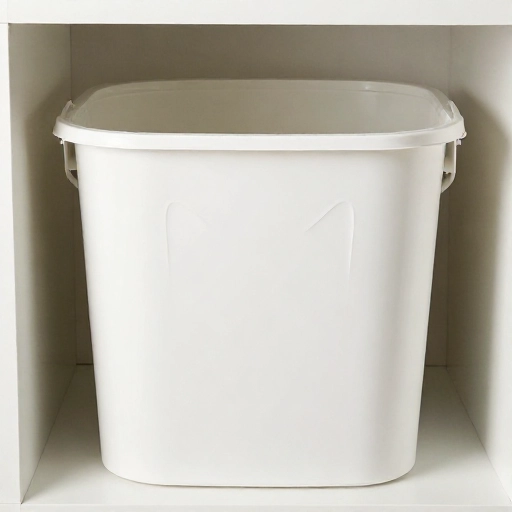
Those large plastic kitty litter buckets are surprisingly strong and have a tight-fitting lid, so don’t throw them away. I cleaned one thoroughly, let it dry in the sun, and removed the paper label with a little oil.
Then I cut a vinyl decal with my Cricut that says “Cat Food” and a little paw print. The bucket holds about 15 pounds of kibble and stacks well in the laundry room.
For extra freshness, line the inside with a large food-safe plastic bag before filling. The handle makes it easy to carry from the car to the pantry.
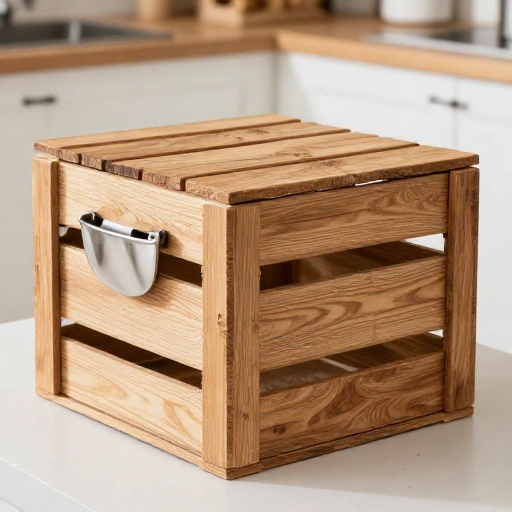
6. Wooden Crate with Flip-Top Lid and Magnetic Scoop
I gave an old wooden crate from a craft store a farmhouse makeover and turned it into a pet food storage box. I attached a hinged wooden lid with a small latch to keep curious noses out.
Inside, I placed a large food-safe plastic bin that fits perfectly. A magnetic scoop sticks right to the inside of the lid, so I never have to dig around for it.
This one works best for medium-sized bags around 10 to 15 pounds. It sits right by the back door and looks like intentional decor, not a pet supply.
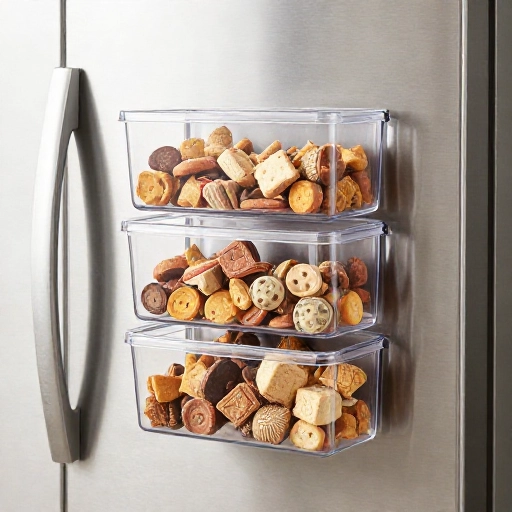
7. Magnetic Fridge Bins for Freeze-Dried Treats
For small pets or tiny portions, those clear magnetic fridge bins are underrated. I use two slim magnetic bins on the side of the refrigerator to hold freeze-dried liver treats and small training bites.
The magnetic backing keeps them off the counter and easy to grab during training sessions. I added a few small scoops inside each bin so I can reward my dog quickly.
Because they are clear, I can see when I need to refill, and the lids snap shut to keep treats from getting stale. It’s such a simple fix for daily clutter.
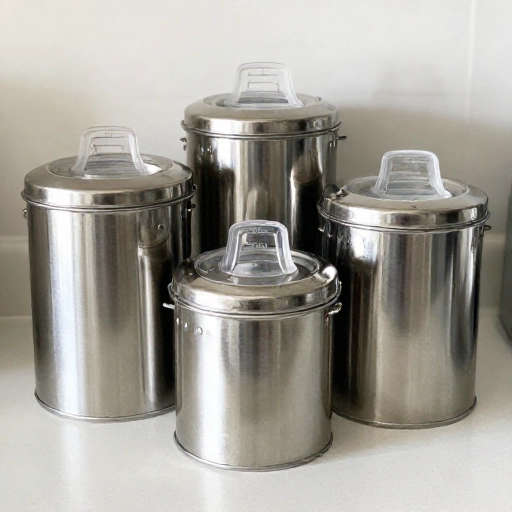
8. Coffee Canister Set with Measuring Cup Lids
Old large coffee canisters are the perfect size for storing about five pounds of cat food or small dog kibble. I cleaned out several metal canisters and spray painted the outside with matte white paint.
Then I used a food-safe adhesive to attach a little measuring cup to the inside of the lid. Now when I open the canister, the measuring cup is right there.
I labeled each canister with acrylic paint pens for the pet’s name and feeding amount. They stack neatly on a shelf and keep food fresh because the lids fit tightly.
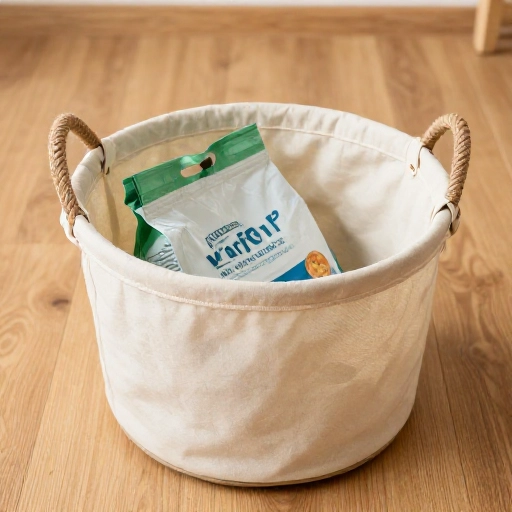
9. Soft Rope Basket with Washable Canvas Liner
For a softer, more decorative look, I used a large rope basket as the outer shell for pet food storage. You can find these at home stores in lots of colors and textures.
I sewed a simple canvas liner with a drawstring closure that sits inside the basket. The liner is washable, which helps if there are crumbs or oils from the kibble.
This is not fully airtight, so I only use it for food I will go through within two weeks. It works best for smaller bags and looks beautiful next to a woven pet bed.
10. PVC Pipe Wall-Mounted Dispenser for Small Kibble
This one is for the handy pet parents. I made a DIY wall-mounted pet food dispenser using a wide PVC pipe and a funnel-shaped end piece.
I cut the pipe to about 18 inches, attached a removable cap on top, and secured the whole thing to the wall inside the pantry with pipe straps. At the bottom, I added a slide valve to release food into a bowl.
It is surprisingly sleek and saves floor space. I painted the PVC with chalk paint so I can write the refill date right on the side.
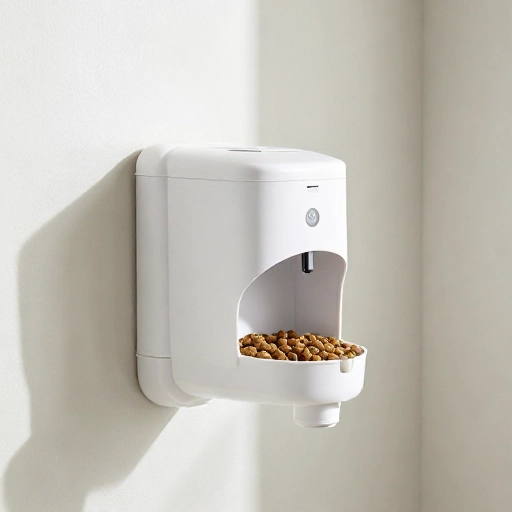
11. Decoupaged Five-Gallon Bucket with Wheeled Base
Five-gallon buckets are the workhorses of DIY pet food storage, but they can look plain. I decoupaged one with pretty floral paper napkins and sealed the outside with a clear acrylic sealer.
Then I placed the bucket on a small rolling plant caddy with wheels so I can push it under a shelf when not in use. The lid snaps on tightly, keeping bugs and moisture out.
I added a small plastic scoop tied to the handle with a cotton string. Now it is both functional and cheerful in my pantry corner.
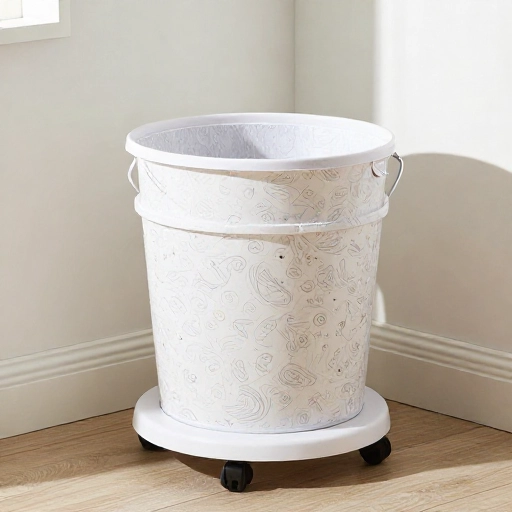
12. Pull-Out Cabinet Bin with Built-In Funnel
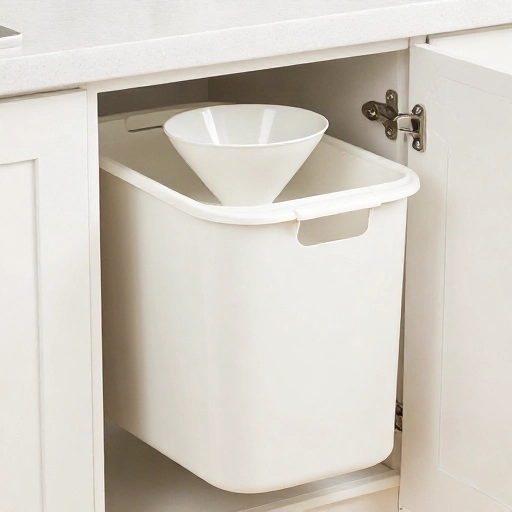
If you have a lower cabinet you don’t use much, you can turn it into a hidden pet food station. I found a large plastic bin with a built-in pour spout and placed it inside the cabinet on a slide-out drawer track.
I attached a small funnel to the inside of the cabinet door with a hook. When it is time to feed, I pull out the drawer, open the spout, and let the kibble pour straight into the bowl.
This keeps the food completely out of sight and off the floor. I added a small magnetic whiteboard on the cabinet door to track my dog’s feeding schedule.
Conclusion
These pet food storage DIY projects have honestly made my home feel calmer and more organized. Whether you repurpose a bucket, build a wall dispenser, or just dress up a trash can, you are not only making life easier but also protecting your pet’s food from pests and staleness.
Pick one project that fits your space and budget, and start small. You can always add more containers or upgrade to a bigger system later. Happy building, and give your furry helper a little treat for supervising.
FAQ
Q: Are DIY pet food containers safe for storing kibble long-term?
A: Yes, as long as the container is food-safe, clean, and has a tight-fitting lid. Avoid containers that previously held non-food chemicals unless they are thoroughly cleaned and lined with a food-safe bag.
Q: How often should I clean DIY pet food storage containers?
A: I deep clean mine every time I refill them, or at least once a month. Leftover oils and crumbs can go rancid, so wipe down the inside with warm soapy water and dry completely before refilling.
Q: Can I store pet food in the original bag inside a container?
A: Absolutely. In fact, I often keep the kibble in the original bag and place the whole bag inside a larger decorative container. This preserves any manufacturer packaging details and adds a second barrier against moisture.
Q: What is the best DIY container for storing a large bag of dog food?
A: A galvanized metal trash can with a lid or a food-safe five-gallon bucket with a snap-on lid works well. For maximum freshness, choose a container with a rubber gasket seal and keep it in a cool, dry place.
Q: How do I keep pests out of DIY pet food containers?
A: Use containers with tight-fitting or gasket-sealed lids, store them off the floor if possible, and never leave food open. Adding bay leaves or a small food-safe desiccant pack inside can help deter insects, but the best defense is a sealed lid.