14 Ways to Stop Your Dog’s Bad Habits (That Actually Work)

Let’s be honest—our dogs aren’t perfect. I’ve had my fair share of shredded pillows, midnight barking fits, and leash-pulling disasters. But here’s the thing: your dog isn’t being spiteful. They’re just being a dog, and most bad habits come from boredom, anxiety, or a simple misunderstanding of the rules.
I’ve tried countless training methods, some that worked beautifully and others that left me frustrated. After lots of trial and error (and a few chewed-up shoes), I’ve found 14 strategies that really do make a difference. These are practical, gentle, and designed to strengthen your bond—not break it.
Ready to turn that mischievous pup into a well-mannered companion? Let’s dive into these proven ways to stop bad habits for good.
1. Swap the Behavior, Don’t Just Say “No”
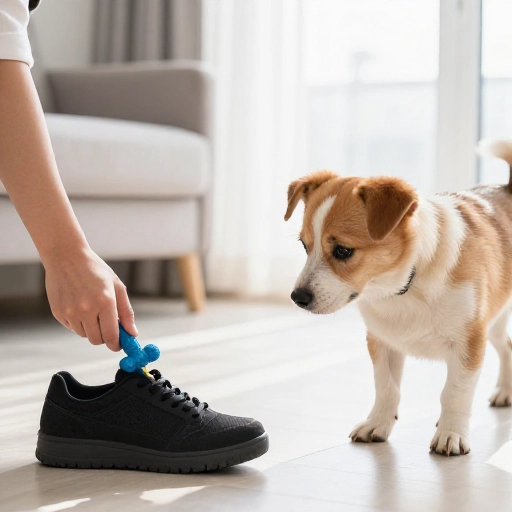
When your dog chews your favorite sneakers, telling them “no” rarely works. They don’t understand why that specific shoe is off-limits. Instead, redirect that energy. Hand them a toy or a bully stick the moment you catch them chewing something they shouldn’t.
Every time they choose their toy over your furniture, reward them with praise. Over time, they learn that chewing the right thing brings treats and attention. It’s a simple swap that changes everything.
2. Exercise Before You Expect Good Behavior
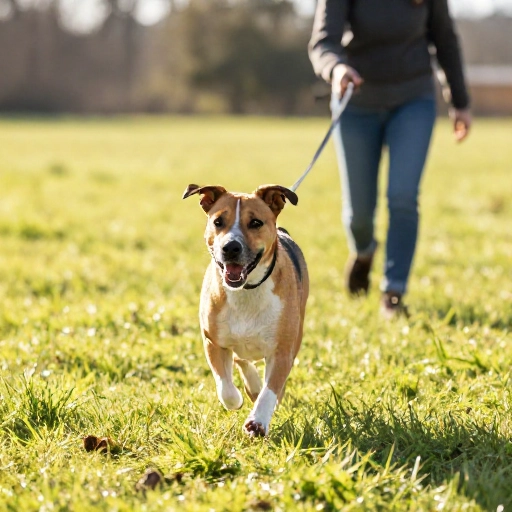
A tired dog is a well-behaved dog. I learned this the hard way after a hyperactive pup destroyed my couch cushions. Now, I make sure my dog gets at least 30 minutes of vigorous exercise before any training session or quiet time.
Think of it this way: if your dog has pent-up energy, they’ll find an outlet—whether that’s barking, digging, or jumping. A good walk, run, or fetch session burns off that steam and makes them much more receptive to learning.
3. Ignore the Bad, Reward the Good
Dogs repeat behaviors that get attention, even negative attention. If your dog barks for treats, pushing them away or yelling actually reinforces the barking. Instead, completely ignore the behavior. Turn your back, walk away, or leave the room.
Once they stop, even for a second, rush over with a treat and calm praise. They quickly learn that quiet behavior gets rewards, while barking gets nothing. It’s simple but takes serious patience.

4. Teach “Leave It” as a Lifesaver
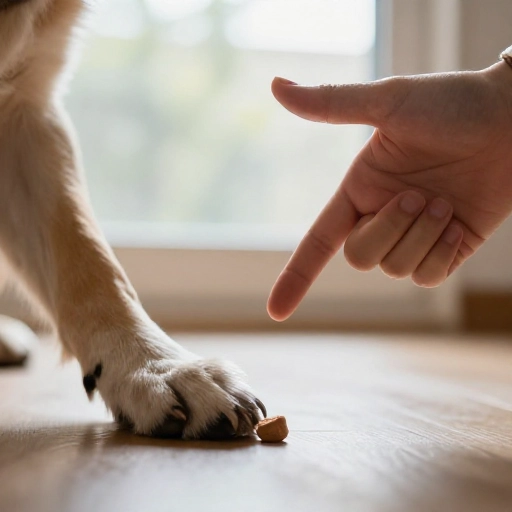
This command has saved me from countless dropped snacks and dangerous objects. Start by holding a treat in your closed fist. Let your dog sniff, lick, and paw at it. The moment they pull back, say “yes!” and give them a different treat from your other hand.
Practice this daily, gradually moving to more tempting items on the floor. Once they master it, you can use “leave it” for everything from dropped pills to stolen socks. It’s one of the most practical commands you’ll ever teach.
5. Create a Calm Space for Separation Anxiety
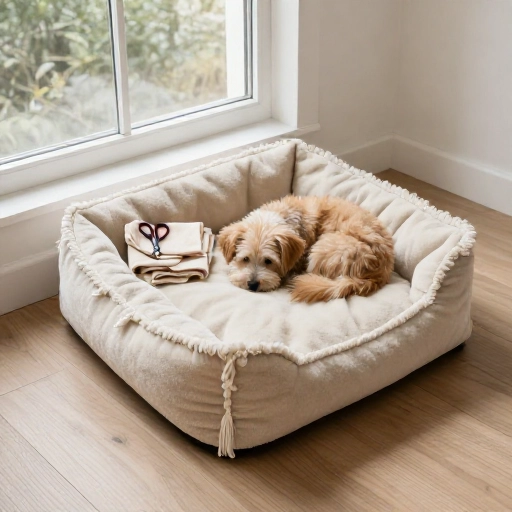
If your dog howls or destroys things when you leave, they might have separation anxiety. I found that creating a cozy “den” with a crate or a quiet corner helps a lot. Leave them with a stuffed Kong or a puzzle toy to keep their mind busy.
Start by leaving for just a few minutes, then gradually increase the time. Always stay calm when you leave and return—no big emotional goodbyes. This teaches your dog that your absence is no big deal.

6. Use High-Value Treats for Stubborn Habits
Not all treats are created equal. For really ingrained habits like jumping on guests or pulling on leash, you need something irresistible. Think small pieces of cheese, cooked chicken, or freeze-dried liver.
When your dog chooses to do the right behavior—like sitting instead of jumping—reward them with that special treat immediately. The higher the value, the faster they’ll learn to repeat that good choice.

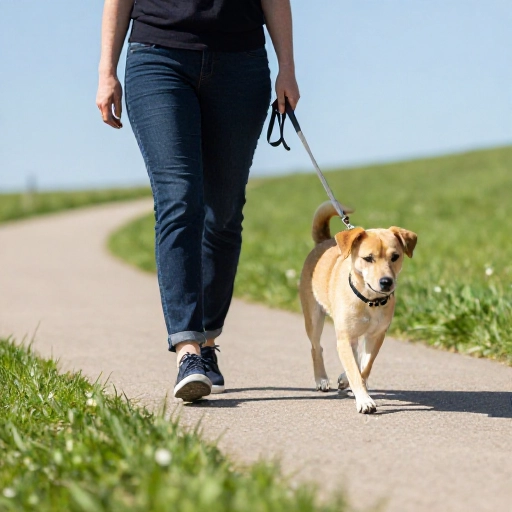
7. Stop Leash Pulling by Changing Direction
Leash pulling is one of the most frustrating habits, but you don’t need a special harness to fix it. Every time your dog pulls, stop walking. Don’t move an inch until the leash is loose. Then, turn and walk the other way.
Your dog quickly learns that pulling makes walks stop, while walking nicely makes them continue. It’s a game of patience, but after a few days, most dogs start checking in with you instead of dragging you down the street.
8. Manage the Environment to Prevent Bad Habits
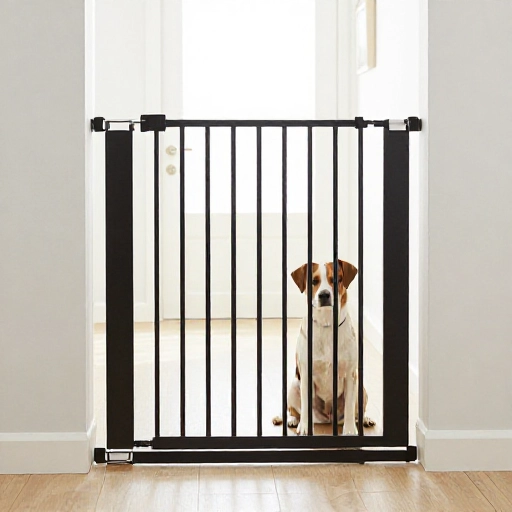
Sometimes the easiest solution is prevention. If your dog raids the trash, get a can with a locking lid. If they jump on counters, keep food out of reach. If they dig in the yard, give them a designated digging pit with loose soil.
Setting your dog up for success is kinder than constantly correcting them. Remove the temptation, and you remove the habit. Plus, it saves your sanity and your furniture.
9. Teach an Incompatible Behavior
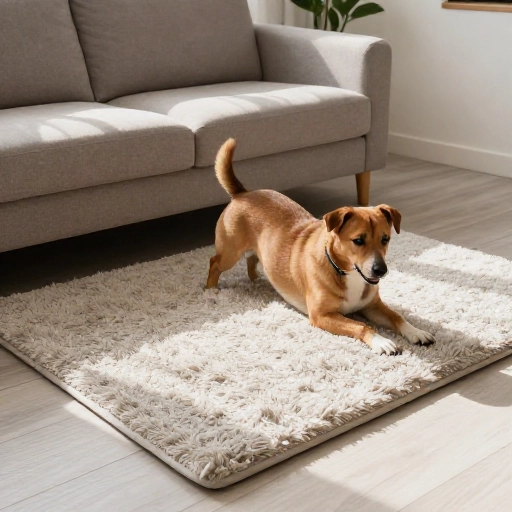
Instead of just stopping a bad habit, teach your dog something that physically can’t happen at the same time. For example, if your dog jumps on visitors, teach them to go to their bed and stay there when someone knocks.
When a guest arrives, ask your dog to “go to bed” and reward them for staying. They can’t jump and lie down at the same time. This replaces a bad habit with a good one, which is much easier for your dog to understand.
10. Be Consistent with Everyone in the House
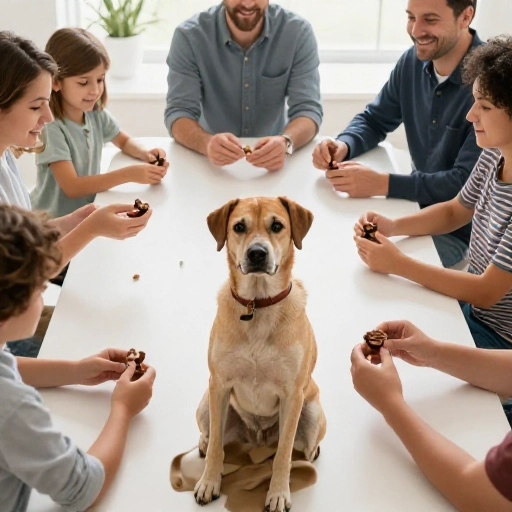
This is a big one. If you don’t allow your dog on the couch but your partner secretly lets them up, your dog gets confused. Consistency is key for any training to stick. Sit down with your family and agree on the rules.
Write them down if you have to. The same commands, the same rewards, the same consequences. Dogs thrive on routine, and mixed signals only make bad habits stronger. Everyone must be on the same page.
11. Use a Calm, Firm Voice—Never Yell
Yelling doesn’t teach your dog anything except that you’re scary. Dogs respond much better to a calm, authoritative tone. When you need to correct a behavior, say “eh-eh” or “ah-ah” in a low, firm voice, then quickly redirect.
After the correction, immediately show them what you want instead. For example, if they’re jumping, say “off” calmly, then ask for a sit. Rewarding the sit reinforces the good behavior far more than yelling ever could.
12. Practice Short, Frequent Training Sessions
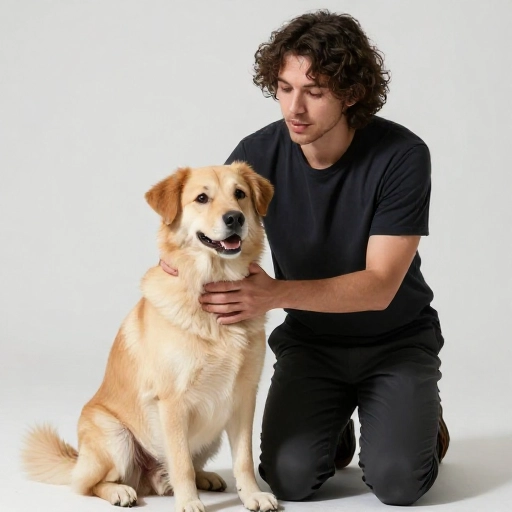
Long training sessions bore both you and your dog. Instead, aim for 5-minute sessions, three to five times a day. This keeps your dog engaged and excited to learn. I usually do one session before breakfast, one after our walk, and one before dinner.
End each session on a positive note with a command they know well. This builds confidence and keeps training fun. A few minutes of focused practice each day beats an hour of frustration every time.

13. Address the Root Cause of Barking
Barking is communication, not defiance. Is your dog bored? Anxious? Alerting you to something? Before you try to stop the barking, figure out why they’re doing it. A bored dog needs more exercise; an anxious dog needs comfort and routine.
Once you know the cause, you can address it directly. For alert barking, thank your dog and then ask for quiet. For boredom barking, provide more mental stimulation like puzzle toys or sniffing games. Treat the cause, not just the symptom.
14. Celebrate Small Wins and Be Patient
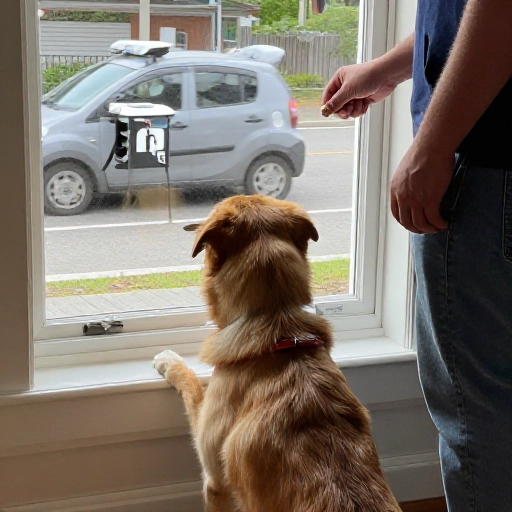
Behavior change takes time. Your dog isn’t going to stop pulling on leash overnight or suddenly ignore every squirrel. Celebrate the small victories—a loose leash for one block, a quiet morning without barking, a day without chewing something off-limits.
Every time you notice a good behavior, reward it. Positive reinforcement builds momentum. And remember, your dog is trying their best. With patience, consistency, and love, those bad habits will fade away, replaced by a stronger, happier bond between you.

Conclusion
Stopping bad habits isn’t about punishment or dominance—it’s about communication and understanding. Every dog is different, so don’t be afraid to mix and match these strategies until you find what works for your pup. Some habits fade quickly, while others take weeks or months. That’s okay.
The most important thing is to stay calm, stay consistent, and always end training sessions on a positive note. Your dog wants to please you; they just need clear guidance. With these 14 strategies, you’re well on your way to a happier, more peaceful home.
Now go grab a treat and give your dog a scratch behind the ears—they’re doing their best, and so are you.
Frequently Asked Questions
Q: How long does it take to stop a bad habit in a dog?
A: It depends on the habit and your dog’s personality. Simple habits like jumping might improve in a few days with consistent training. More ingrained behaviors like separation anxiety or aggression can take weeks or months. Patience is everything.
Q: What if my dog doesn’t respond to treats?
A: Try different rewards—some dogs prefer toys, playtime, or even a game of tug. Find what your dog truly loves. For some, a squeaky ball is more motivating than a piece of steak. Experiment until you find their “currency.”
Q: Is it ever okay to use a spray bottle or shock collar?
A: I don’t recommend punishment-based tools. They can create fear and damage your relationship. Positive reinforcement methods are more effective long-term and build trust. If you’re struggling, consider working with a certified positive-reinforcement trainer.
Q: My dog knows the command but doesn’t obey. Why?
A: This usually means the behavior isn’t proofed in different environments. Practice in new places with more distractions, and use higher-value rewards. Also, check if your dog is tired, hungry, or stressed—sometimes they’re just not in the right headspace.
Q: Can older dogs learn to stop bad habits?
A: Absolutely! Old dogs can learn new tricks. It might take a bit more patience because they’ve practiced the bad habit longer, but the same principles apply. Consistency and positive reinforcement work at any age—your senior pup can definitely change.