15 Clever Cat Cafe Designs for Small Spaces
I’ve always believed you don’t need a mansion to create a magical spot for cats. Some of the coziest, most playful cat cafes I’ve seen are tucked into tight corners, tiny apartments, or narrow storefronts. The trick is working with every inch—turning walls into playgrounds and furniture into hideaways.
Whether you’re dreaming of opening a tiny cat cafe or just want to give your own feline friend more fun in a small home, these 15 ideas are pure gold. They’re practical, space-saving, and full of personality. Let’s dive into designs that prove small spaces can be big on charm.
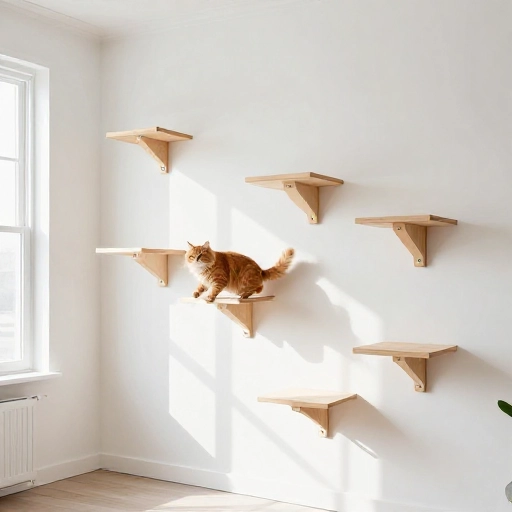
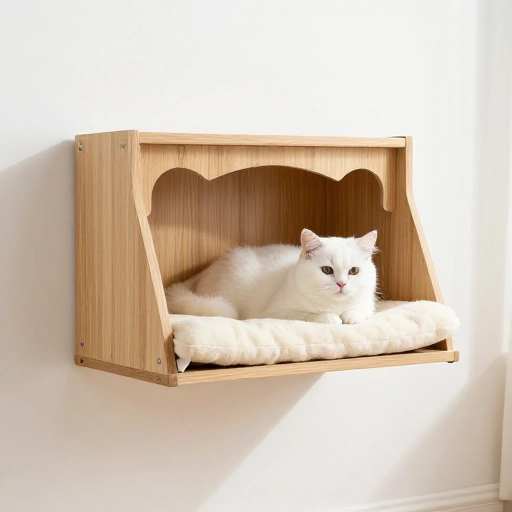
1. Wall-Mounted Cat Shelves as Vertical Playgrounds
When floor space is tight, look up. Wall-mounted shelves turn bare walls into a cat highway. I love staggered designs that let cats leap from one level to the next. Add a few cozy cushions and you’ve got a three-dimensional playground that frees up your floor for seating.
Use floating shelves with a grippy surface so paws don’t slip. You can even paint them to match your cafe’s color scheme. It’s an instant conversation starter and a cat’s dream come true.
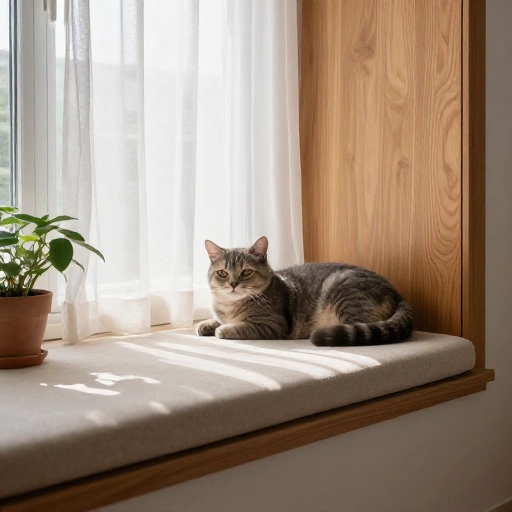
2. Window Perch Benches with Built-In Lounging
Windows are prime real estate. Build a low, wide bench right under the window and top it with a soft mat. Cats love watching the world go by, and guests can sit next to them. It’s a two-for-one that makes a small space feel larger.
I’ve seen cafes use this trick to create a sunny “cat lounge” without adding a single piece of furniture. Just make sure the bench is sturdy enough for both cats and humans.
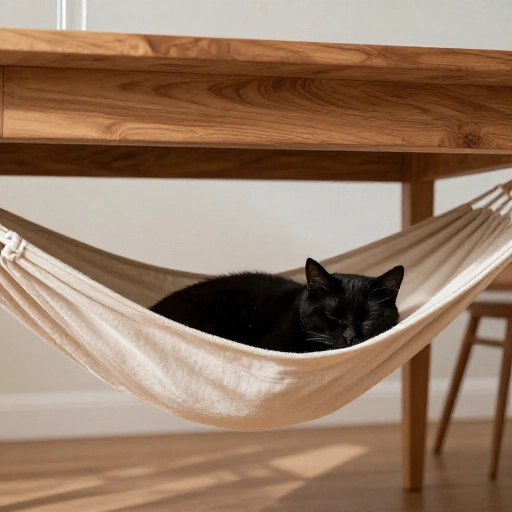
3. Under-Table Hammocks for Hidden Naps
Tables aren’t just for cups and saucers. Attach a simple fabric hammock underneath each table. Cats can curl up for a snooze right where the action is, but out of the way. Guests love peeking down to find a sleepy feline swaying gently.
Use breathable cotton or mesh so cats stay cool. It’s a brilliant way to use dead space and keep cats close without crowding.
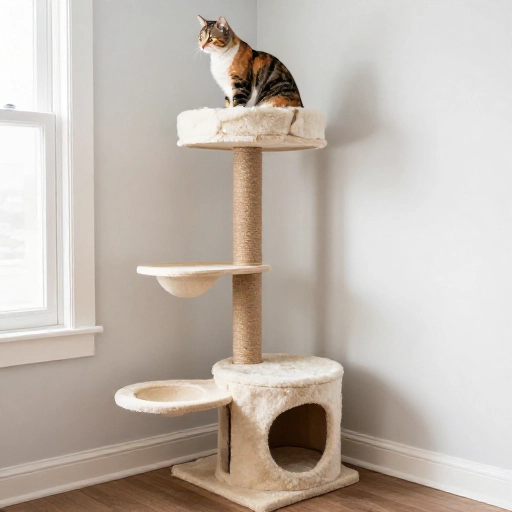
4. Corner Cat Towers That Fit Like a Glove
Awkward corners become cat central with a custom corner tower. These triangular units pack scratching posts, perches, and hidey-holes into an otherwise wasted spot. I recommend one with a sisal rope wrap for claw sharpening.
Look for designs that taper upward so they don’t overwhelm the room. A corner tower can be the tallest piece in your cafe without blocking sightlines.
5. Fold-Down Cat Beds on Wall Panels
Think of a fold-down desk, but for cats. Mount a cushioned panel on the wall that flips down when a cat wants to nap and folds flat when not in use. This keeps floors clear and gives cats a private spot.
I’ve added these near reading nooks in small cafes. They’re easy to clean and add a playful, surprise element. Cats quickly learn to nudge them open.
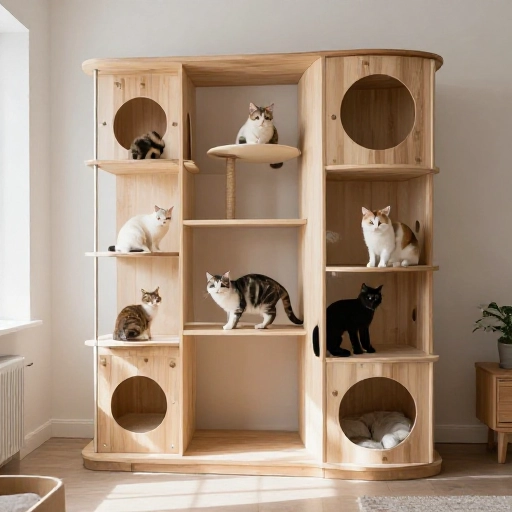
6. Multi-Level Cat Condos as Room Dividers
In a small cafe, you often need to separate zones. Use a tall, open cat condo as a room divider. Cats can climb, perch, and peek through while guests get a sense of privacy. It’s functional and adorable.
Choose one with multiple cubbies and scratching surfaces. It becomes a living sculpture that changes with the cats’ moods.
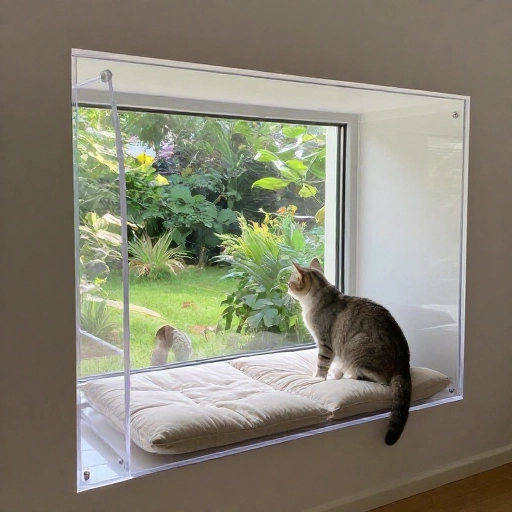
7. Built-In Window Tunnels for Outdoor Views
If you have a window that gets good light, install a clear acrylic tunnel that extends slightly outside (safely enclosed). Cats can lounge in a sunbeam or watch birds. Inside, the tunnel connects to a perch or shelf.
This trick makes a tiny cafe feel bigger by visually connecting indoors with outdoors. Just secure it well and check local safety rules.
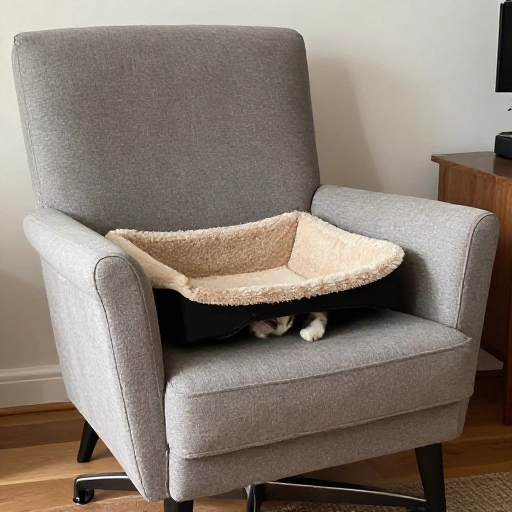
8. Sling Chairs for Cats Under Regular Seats
Under each human chair, attach a small fabric sling. Cats can hop in and out while guests sit above. It’s like a built-in hammock that uses the gap between chair legs. I’ve tested this in my own home—cats adore the cozy, enclosed feel.
Use washable fabric and make sure slings are low enough not to bump legs. It turns every seat into a potential cat hideout.
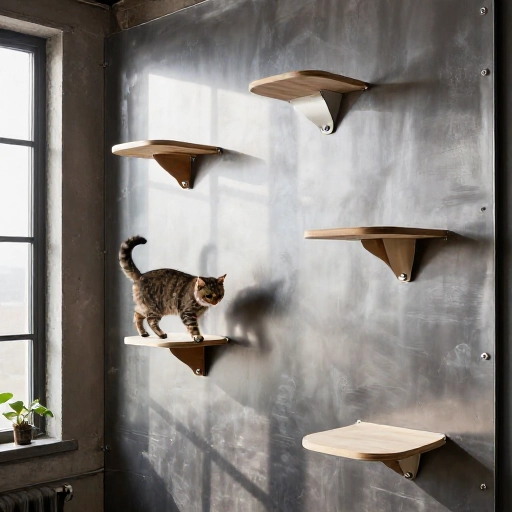
9. Magnetic Cat Ledges on Metal Walls
If you have a metal wall or can install a metal strip, magnetic ledges are a game-changer. These shelves attach with strong magnets and can be rearranged anytime. Cats love the stability, and you can change the layout weekly.
This is perfect for renters or temporary spaces. No drilling needed, just a strong magnetic base. It’s modern, clean, and endlessly flexible.
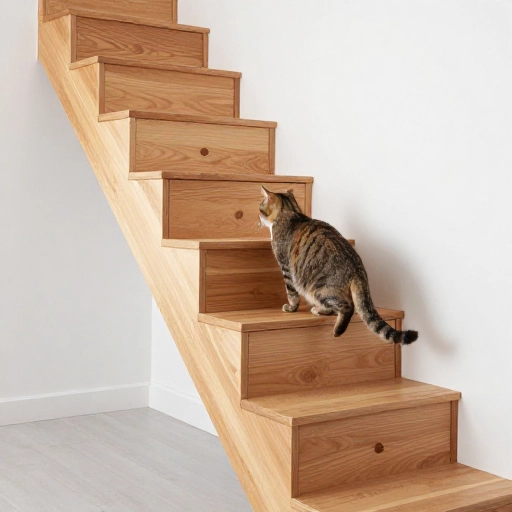
10. Staircase Cat Steps with Storage
Short on floor space? Build cat steps that double as storage cubbies. Each step can be a small drawer or bin for toys, treats, or cafe supplies. Cats climb up to a high perch while you stash clutter below.
I love this for narrow rooms. It’s like a bookshelf that also serves as a cat gym. Paint it a bright color to make it a focal point.
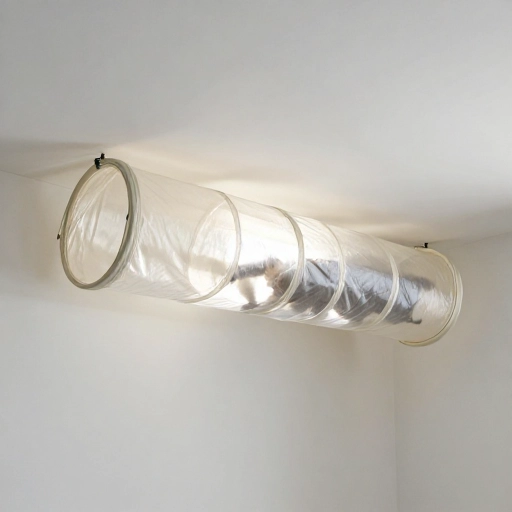
11. Ceiling-Mounted Cat Tunnels
Suspending clear or mesh tunnels from the ceiling creates a sky bridge. Cats can crawl from one side of the room to the other without touching the floor. It’s a showstopper and frees up all ground space for tables.
Use lightweight materials and secure hooks rated for weight. Guests will watch cats zoom overhead, and it adds a sense of playful architecture.
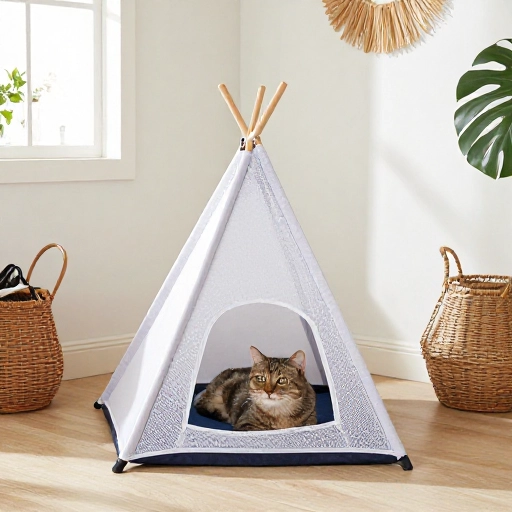
12. Pop-Up Cat Tents for Temporary Spots
Not every design has to be permanent. Keep a few pop-up cat tents that you can set up in corners or on empty tables. They fold flat when not needed. Cats love the enclosed, den-like feel.
I use these in my own small space for travel or visitors. They’re cheap, portable, and add a whimsical touch. Just toss them in the wash regularly.
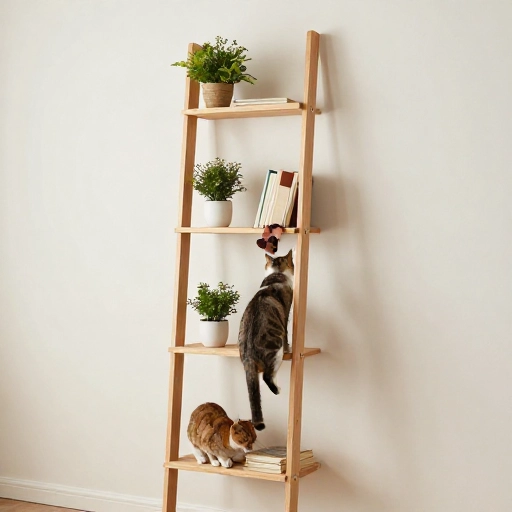
13. Ladder Shelves for Climbing and Display
A simple leaning ladder shelf does double duty. Cats can climb the rungs, and you can display plants, books, or cat toys on the shelves. Choose one with wide, flat steps so paws don’t slip.
Lean it against a wall at a gentle angle. It creates a vertical path without taking up much depth. Plus, it looks effortlessly stylish.
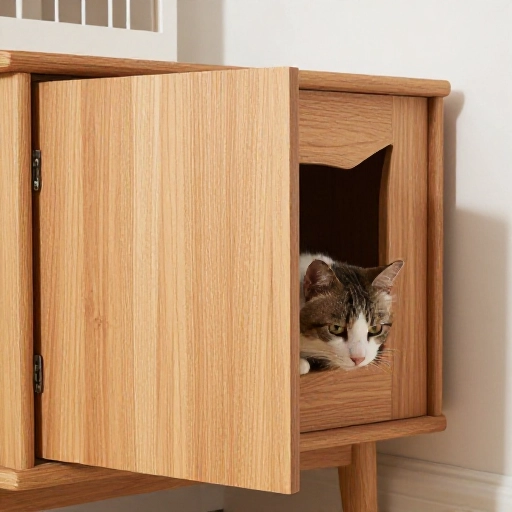
14. Hidden Cat Doors Inside Furniture
Convert a low cabinet or side table into a secret cat room. Cut a small circular opening in the side and add a soft bed inside. Cats can slip in and out, and guests might not even notice the hideaway.
This works wonders in tight spots where you need storage and a cat cave. Paint the door flap to blend in or make it a cute accent.
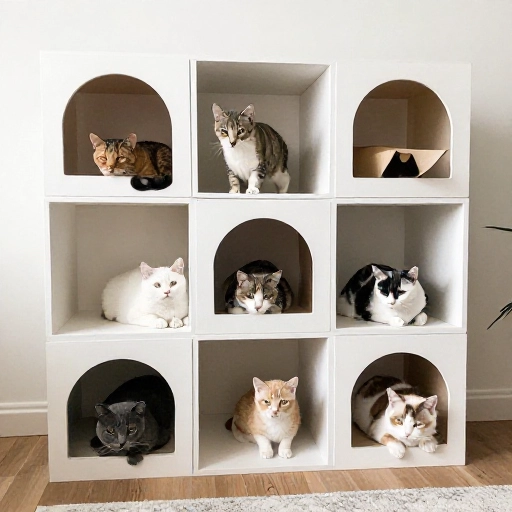
15. Modular Cube Systems for Endless Play
Use interlocking cube shelves that you can stack in different configurations. Each cube can be a bed, a tunnel, or a perch. Rearrange them as your space or cats’ preferences change. It’s like a cat jungle gym that grows with you.
I recommend cubes with removable dividers. You can create a multi-room castle in a corner, then flatten it for storage. It’s the ultimate flexible solution.
Conclusion: Small Space, Big Heart
Designing a cat-friendly space doesn’t require a huge footprint. It takes a bit of creativity and a willingness to use every nook. From wall shelves to pop-up tents, these 15 ideas prove that small cat cafes can be just as cozy and fun as sprawling ones.
Start with one or two ideas that fit your space best. Your cats will thank you, and your guests will never want to leave. Remember, the best designs are the ones that make both humans and felines feel at home.
Frequently Asked Questions
1. How do I keep a small cat cafe from feeling cramped?
Use vertical space for climbing and perching. Keep floor furniture minimal and choose multi-functional pieces like storage steps or window benches. Light colors and good lighting also make a room feel bigger.
2. What’s the best material for cat furniture in a cafe?
Durable, washable materials like microfiber, canvas, and sisal rope are top choices. Avoid delicate fabrics that snag easily. Everything should be easy to wipe down or machine wash.
3. Can I mix cat designs with a modern cafe look?
Absolutely. Sleek floating shelves, metal accents, and neutral colors blend beautifully with modern decor. Choose cat furniture that looks like art rather than pet gear. Many designs now come in minimalist styles.
4. How many cats can fit in a small space comfortably?
It depends on your square footage and the cats’ personalities. A good rule is one cat per 50-70 square feet of accessible space. Provide plenty of vertical territory so cats can choose their own spots.
5. Are these designs safe for all cat ages?
Most are, but always check stability for kittens and seniors. Avoid high ledges without soft landing zones. Provide ramps or steps for older cats. Supervise new setups to ensure all cats feel confident using them.