Looking for the Best Family Dog? Start Here!
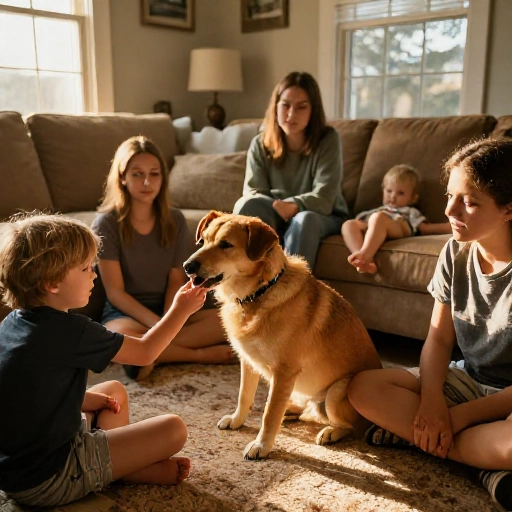
I still remember standing in the shelter lobby, heart racing, wondering if I was about to pick the “right” family dog. Every dog looked adorable. Every breed description sounded perfect. But the best family dog isn’t about picking the most popular breed—it’s about finding the dog that fits your real life.
In this post, I’m sharing the exact things I wish I’d known before bringing a dog home. We’ll talk about energy, size, kids, grooming, training, budget, and the questions that actually matter. Think of this as your starting map, not a rulebook.
By the end, you’ll feel more confident about what to look for—and what to politely ignore. Let’s find a dog that makes your family feel more whole, not more stressed.
1. Start With Your Real Life, Not a Breed List
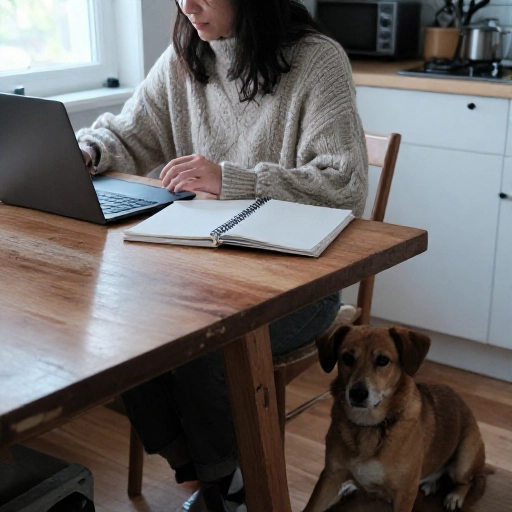
Before I scroll through cute puppy photos, I like to get brutally honest about my daily routine. How many hours is the dog home alone? Do I have a fenced yard or just a balcony? Who will walk in the rain, snow, or after a long workday?
Those answers matter more than breed rankings. A dog that needs a job and a dog that loves napping rarely fit the same family.
I also think about noise, visitors, and kids’ ages. A quiet apartment with a toddler is a very different home than a busy farm with teenagers. The best family dog starts with the life you already have.
2. Match Energy Levels (Kid Energy Counts Too)
High-energy dog plus exhausted parents can lead to chewed furniture and frazzled nerves. Low-energy dog plus wild kids can lead to a dog that hides under the table.
I try to match the dog’s daily exercise needs to what my family can realistically provide. A brisk walk, backyard fetch, or puzzle toy might be enough for one dog—and barely a warm-up for another.
If your kids are young, remember they add chaos, noise, and unpredictable movement. A moderately active dog often handles that better than a dog that needs a marathon every day.

3. Size Matters More Than You Think
I used to think small dogs were automatically easier. Then I watched a tiny pup get accidentally stepped on during a family game night. Small can mean fragile with toddlers.
Big dogs bring their own challenges: they can knock kids over, take up the car, and cost more for food and meds. Giant breeds may have shorter lifespans and higher vet bills.
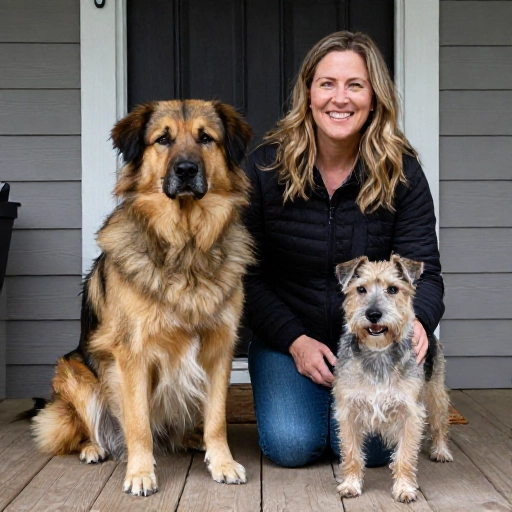
For many families, a medium-sized dog is the sweet spot—sturdy enough for kids, manageable on a leash, and flexible in smaller homes. But size is personal, so measure your space and your arms.
4. Temperament Beats Breed Reputation
Breed tendencies are real, but they’re not destiny. I’ve met gentle pit mixes and grumpy golden retrievers. The individual dog’s history, socialization, and personality matter just as much.
When I’m looking for a kid-friendly dog, I watch for a soft, relaxed body, a willingness to move away instead of snapping, and curiosity without overwhelming pushiness.
If you’re adopting, ask the foster or shelter staff how the dog acts around kids, strangers, and other animals. A good temperament can make an average breed match feel like a perfect one.

5. Think About Grooming Before You Fall in Love
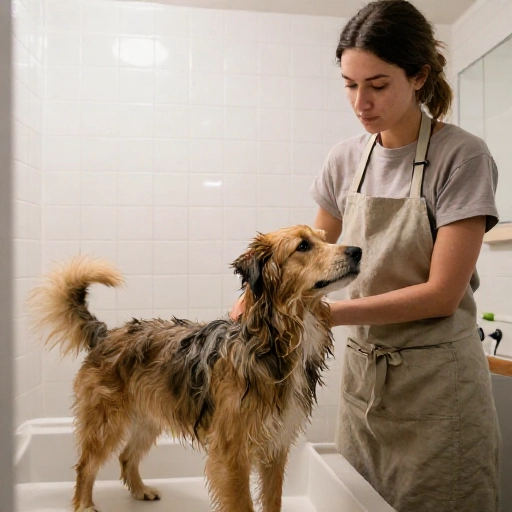
That fluffy coat is gorgeous until it’s matted. I learned the hard way that some dogs need brushing several times a week, plus professional trims every six to eight weeks.
If you hate hair everywhere, a heavy-shedding breed may not be your best family dog. If you won’t commit to daily brushing, a doodle or double-coated breed can quickly become a grooming bill.
Short-coated dogs usually need less brushing, but they still shed, bathe, and need nail trims. The real question is simple: what grooming routine will I actually keep up with?
6. Training and Socialization Are Non-Negotiables
A family dog isn’t born polite—he’s trained that way. I always budget time for puppy classes or adult obedience, even if the dog seems easygoing.
Everyone in the family should use the same cues for sit, down, stay, come, and off. Mixed signals confuse dogs and make kids less safe.
Socialization means calm exposure to kids, strollers, bikes, vacuum cleaners, and visitors. It’s not about meeting every dog in town; it’s about learning that the world is safe and predictable.

7. Consider Age: Puppy vs Adult vs Senior
Puppies are adorable, but they bite, potty inside, chew shoes, and need constant supervision. If your family is already stretched thin, a puppy can push everyone to the edge.
Adult dogs often come with known personalities, house training, and basic manners. That’s a huge plus for families with young kids or busy schedules.
Senior dogs can be mellow and loving, but they may need pain management, special food, and extra vet visits. I think of age as a lifestyle match, not a ranking.
8. Budget for More Than Food and Toys
I used to underestimate the real cost of a dog. Food and toys are just the beginning. There are vaccines, spay or neuter, flea and tick prevention, heartworm meds, and yearly checkups.
Then come the surprises: torn ACLs, ear infections, swallowed socks, and emergency visits. Training classes, boarding, and grooming add up too.
I like to set aside a pet emergency fund or compare pet insurance before adoption. A dog you can afford to keep healthy is a dog you can love without constant money stress.

9. Adoption, Breeder, or Foster-to-Adopt?
Rescue and shelter dogs can make incredible family dogs. Many have been fostered, so the foster family can tell you how the dog handles kids, crates, and car rides.
If you go through a breeder, look for health testing, clean conditions, and a willingness to let you meet the puppy’s parents. A good breeder asks you questions too.
Foster-to-adopt is a middle path I love. You get a trial period to see how the dog fits your family before making it official. That extra time can prevent a heartbreaking mismatch.
10. Meet the Dog More Than Once (and Involve the Kids)
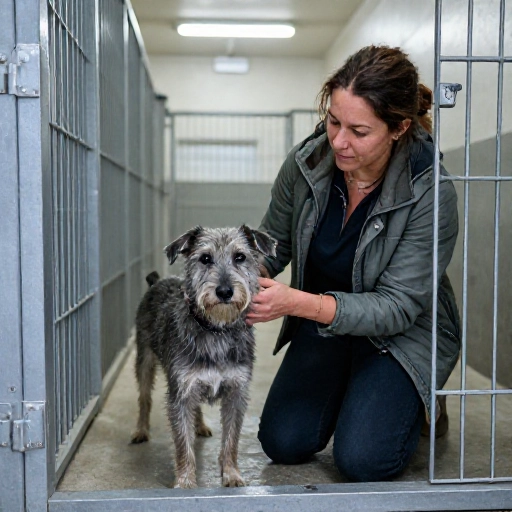
First meetings can be misleading. A scared dog may shut down, and a wild dog may seem playful when he’s actually overstimulated. I always ask for a second visit or a walk.
Bring the kids if the shelter allows, but keep it calm. I watch how the dog responds to their movement, noise, and gentle petting. I also watch my kids—are they respectful, or do they need more coaching?
Ask about the dog’s behavior in a home, not just in a kennel. A dog who is relaxed on the couch with a foster family is often a better bet than one who only looks good in a noisy shelter lobby.
Final Thoughts
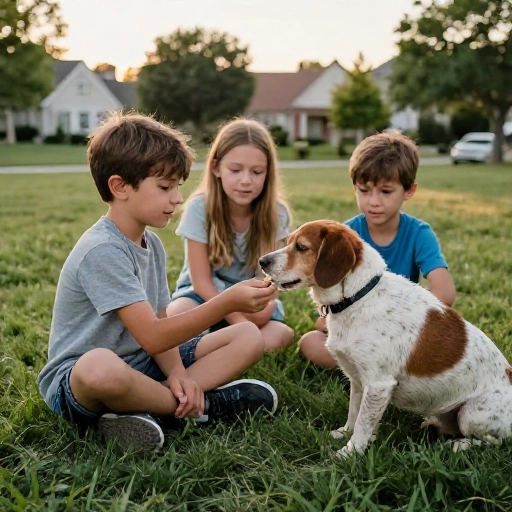
The best family dog isn’t the one with the fanciest breed name or the cutest puppy photo. It’s the dog whose energy, size, grooming needs, and temperament fit your real daily life.
Take your time. Ask lots of questions. Trust the quiet moments, not just the exciting first meeting. When the fit is right, adding a dog feels less like a project and more like welcoming a new family member.
FAQ
Q: What is the best family dog breed for kids?
A: There’s no single best breed. Labs, golden retrievers, poodles, Cavalier King Charles spaniels, and many mixed breeds can be wonderful. Temperament, training, and individual personality matter more than the label.
Q: Is a puppy or an adult dog better for a family?
A: It depends on your time and patience. Puppies need constant supervision and training. Adult dogs often have known personalities and may already be house-trained, which can be easier for busy families.
Q: How do I know if a dog is good with kids?
A: Watch for relaxed body language, soft eyes, and a willingness to walk away when overwhelmed. Ask shelter or foster families about kids, and always supervise early interactions.
Q: Can a family dog live in an apartment?
A: Yes, many can. Check pet policies, breed or size restrictions, noise levels, and nearby potty spots. A medium-energy or lower-energy dog often adapts well with enough walks and mental games.
Q: How much should I budget for a family dog?
A: Monthly costs vary widely, but plan for food, vet care, prevention, grooming, training, and emergencies. Many families spend a few hundred dollars a month, and it’s smart to have a separate pet savings fund.