Find Your Perfect Pup: 8 Best Dog Breeds for First-Time Owners!
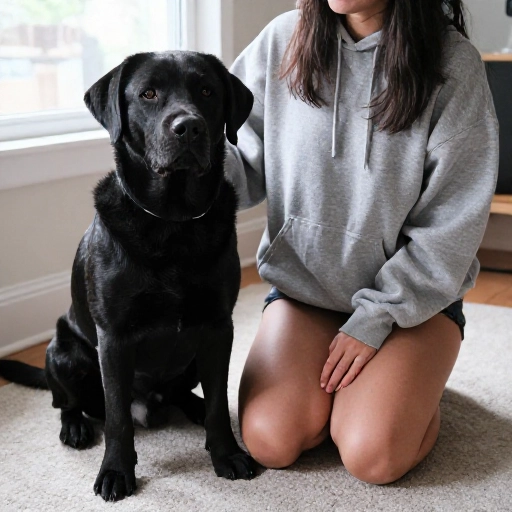
Bringing home your first dog is a big, exciting, slightly messy adventure. I still remember wondering if I’d pick a pup that matched my energy, my home, and my budget—not just my Instagram feed.
The truth? The “best” breed is the one that fits your real life. A dog who loves long hikes might struggle in a tiny apartment, and a couch potato might not thrive with a marathon-running family.
Below are 8 dog breeds I’d happily recommend to first-time owners. They’re generally forgiving, trainable, and full of heart—with a few honest notes on what to expect.
1. Labrador Retriever: The Classic Family Favorite
Labs are patient, eager to please, and usually great with kids and other pets. For a first-time owner, that eagerness makes training feel less like a battle and more like teamwork.
They need daily exercise—think brisk walks, fetch, or swims—and they’ll happily eat anything not nailed down. I’d budget for sturdy toys and a good vacuum.
They shed. A lot. But if you want a loyal, silly, go-anywhere companion, a Lab is hard to beat.
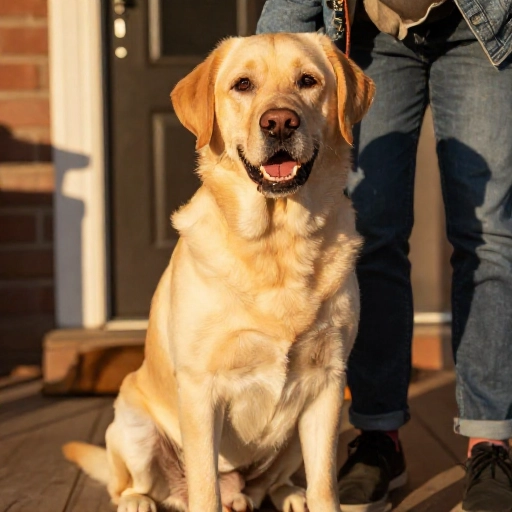
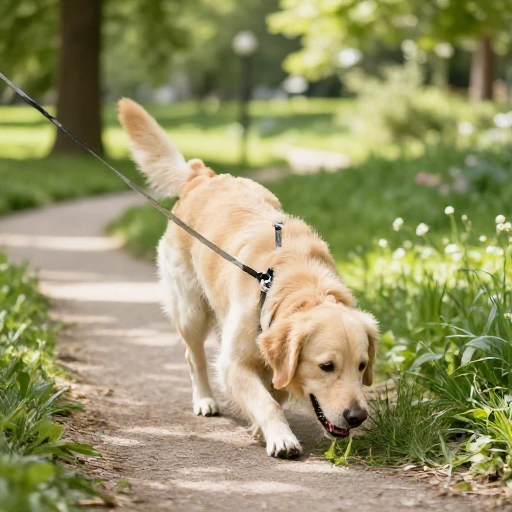
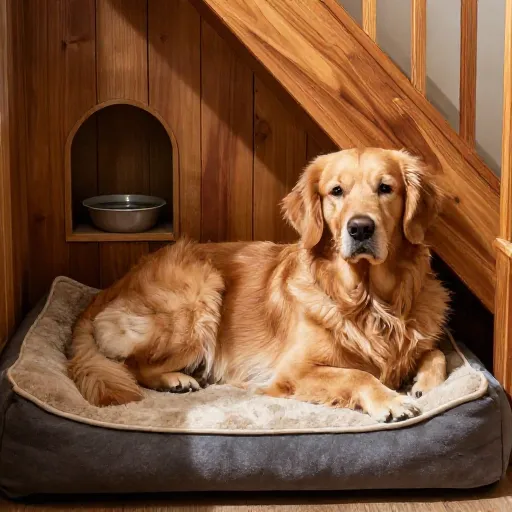
2. Golden Retriever: Sweet, Social, and Ready to Please
Goldens are the friends who remember your birthday and always bring snacks. They’re gentle, highly trainable, and usually love everyone they meet.
They do best with regular activity and company. A bored golden can turn into a cheerful shredder of cushions.
Grooming matters—brush a few times a week, and expect seasonal shedding. If you want a dog who makes strangers smile, this is a solid pick.
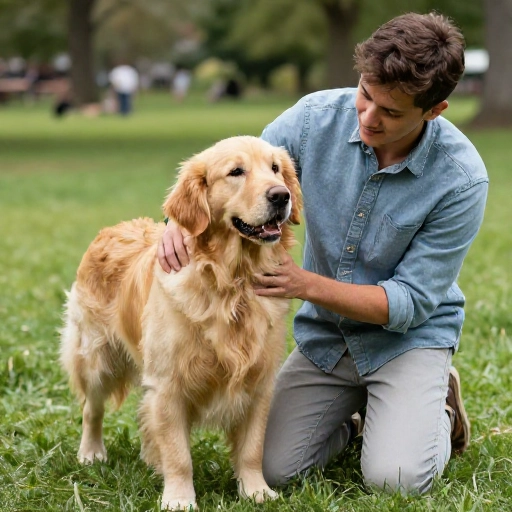
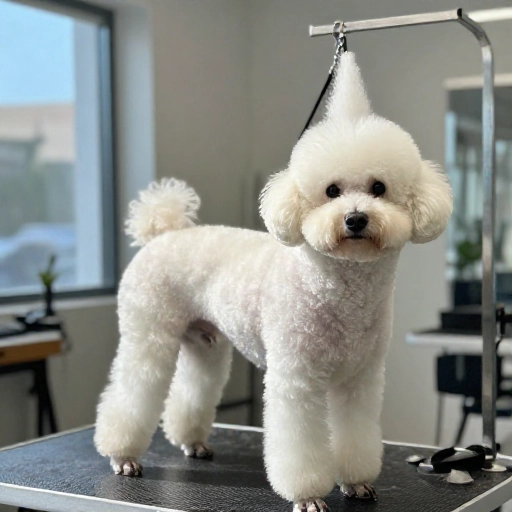
3. Poodle: Smart, Stylish, and Surprisingly Athletic
Poodles come in toy, miniature, and standard sizes, so you can match energy and space. They’re incredibly smart, which means they learn fast—and also notice when you’re inconsistent.
Their curly coats need regular brushing and professional trims, but they shed less than many breeds. That’s a win for allergy-prone homes.
I love poodles for first-timers who want a dog that can learn tricks, join walks, and keep them laughing.
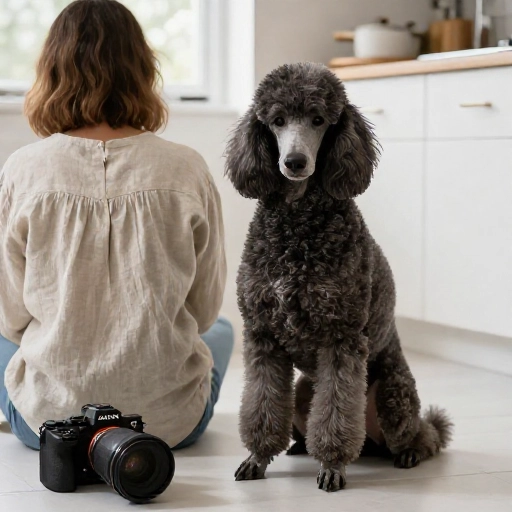
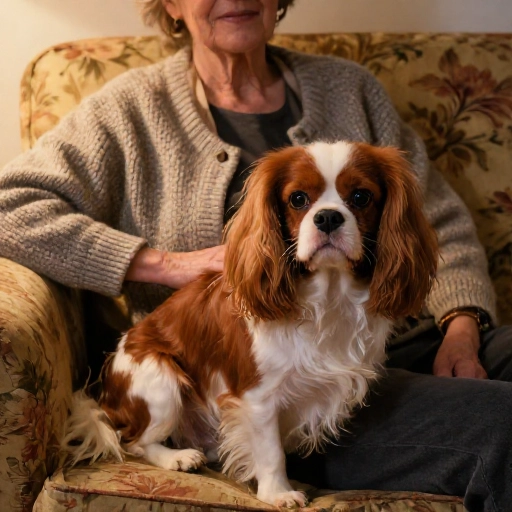
4. Cavalier King Charles Spaniel: The Lap-Loving Sweetheart
Cavaliers are affectionate, gentle, and happy with a cozy spot on the sofa. They’re small enough for apartments but sturdy enough for family walks.
They adore people and can struggle with being alone for long hours. If you work from home or can arrange a midday check-in, they’ll thrive.
Health testing matters with this breed, so choose a responsible breeder or rescue. A well-cared-for cavalier is pure sunshine.
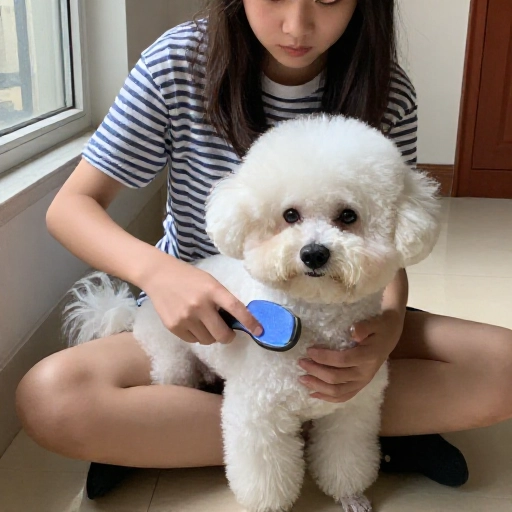
5. Bichon Frise: Cheerful, Fluffy, and Low-Shedding
Bichons are little clouds with big personalities. They’re playful, affectionate, and generally good with kids and other dogs.
Their coats are low-shedding but high-maintenance. Plan on brushing every other day and regular grooming appointments.
They’re smart and enjoy training games. Keep sessions short and positive, and they’ll learn quickly.
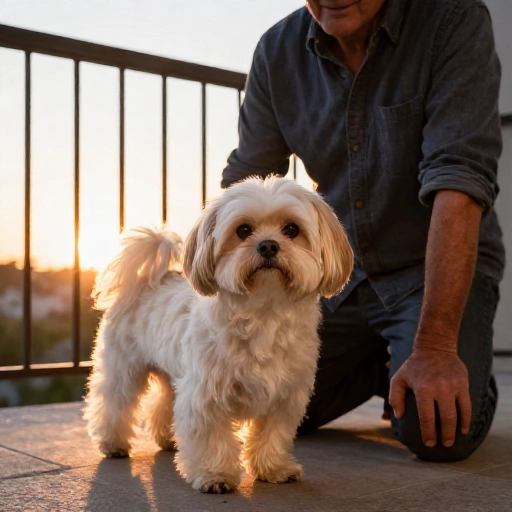
6. Havanese: A Tiny Companion with a Big Heart
Havanese dogs are social, springy, and happiest when they’re near their people. They adapt well to apartments and smaller homes.
They need daily walks and playtime, but not hours of running. Mental puzzles and cuddle breaks are their love language.
Their long, silky coats need brushing, though many owners keep them in a shorter puppy cut. They’re a lovely choice for first-timers who want a true sidekick.
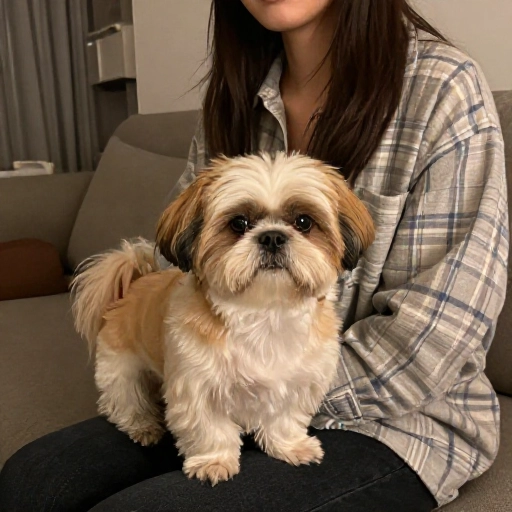
7. Shih Tzu: Calm, Cute, and Apartment-Friendly
Shih Tzus are bred to be companions, and they take that job seriously. They’re usually calm, friendly, and content with short walks and lots of lap time.
They can be a little stubborn with training, so keep it positive, consistent, and treat-filled. Early socialization helps them feel confident.
Their coats need daily brushing unless clipped short. They’re a great match for slower-paced homes and first-time owners who want a low-energy buddy.
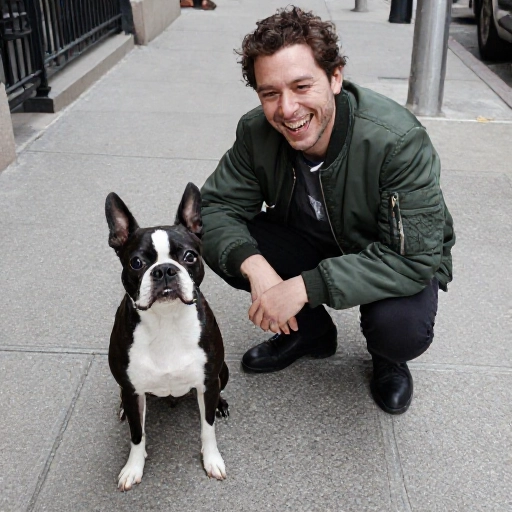
8. Boston Terrier: The Compact Comic with City Smarts
Boston Terriers are lively, funny, and compact—perfect for apartment living. They’re smart, relatively easy to train, and love being part of the action.
They have short noses, so they can overheat in hot weather and may snore. Keep walks early or late in summer.
They’re social with people and usually fine with other pets when introduced properly. If you want a small dog with a big personality, a Boston could be your match.
Final Thoughts: Your Perfect Pup Is Out There
There’s no magic breed that fits every first-time owner. The best match comes down to energy, grooming, alone time, and how much training you’re ready to do.
Meet the dog if you can. Ask about temperament, health, and daily needs. A rescue group or responsible breeder can help you find a pup who fits your real life—not just your Pinterest board.
Take your time, trust your gut, and get ready for muddy paws and a whole lot of love.
FAQ: First-Time Dog Owner Questions
Q: What is the easiest dog breed for a first-time owner?
A: Many first-timers do well with Labrador Retrievers, Golden Retrievers, Poodles, and Bichon Frises. The “easiest” depends on your lifestyle and how much grooming or exercise you want.
Q: How much exercise does a first dog need?
A: Most need 30–60 minutes daily, but breeds like Shih Tzus and Boston Terriers may need less. Always match activity to the breed, age, and health of your dog.
Q: Are small dogs easier than big dogs?
A: Not automatically. Small dogs can be harder to housetrain, while big dogs need more space and exercise. Temperament and training matter more than size.
Q: Should I adopt or buy from a breeder?
A: Both can work. Rescue groups often know temperament, and responsible breeders health-test their dogs. Meet the dog and ask lots of questions before deciding.
Q: What should I buy before bringing my dog home?
A: Start with a crate, bed, food, bowls, leash, collar, ID tag, toys, and a vet appointment. Add grooming tools based on your dog’s coat type.