10 Secure Cat Tunnels & Enclosures For Your Yard That Your Indoor Cat Will Absolutely Love
My cat spent the first three years of her life staring out the window like a tiny prisoner. I felt awful about it. But I also wasn’t about to let her roam the neighborhood where the coyotes and the speeding delivery vans hang out.
Then I discovered cat tunnels and yard enclosures, and honestly? It changed everything. She now spends hours outside every day, sniffing grass, chasing bugs, and napping in the sun — all without me worrying she’ll disappear over the fence.
Below are ten setups I’ve either tried myself, helped friends build, or researched obsessively before buying. Some are cheap and easy, some are a weekend project, but all of them keep your cat safely contained while letting them feel like a wild little explorer.
1. Pop-Up Play Tunnels That Fold Flat In Seconds
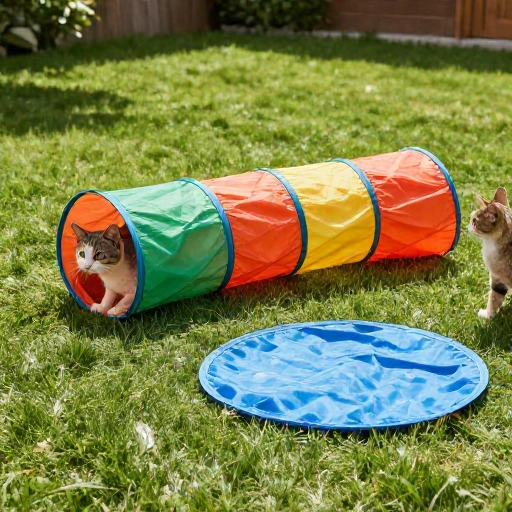
This is the beginner move, and it’s the one I recommend to basically everyone. Pop-up tunnels are made of springy wire covered in nylon or mesh, and they collapse down to the size of a dinner plate.
They’re perfect for a first taste of the outdoors. Set one up on the patio, toss a few treats inside, and let your cat figure it out at their own pace. Most cats get brave within about ten minutes.
The catch? They’re not escape-proof on their own. A determined cat can push through a zipper or flip the whole thing. So I only use mine with a human nearby, or clipped to a sturdier enclosure.
Still, for the price of a couple of coffees, they’re a fantastic starting point. Look for ones with mesh panels so your cat can see out — it makes them way less nervous.
2. Screened Catio Kits You Can Assemble In An Afternoon
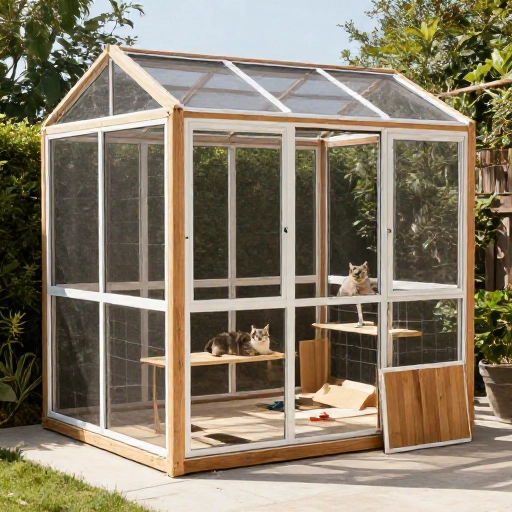
A catio is basically a screened-in patio just for your cat, and it’s the gold standard for yard safety. You can buy kits that arrive in flat boxes with panels, connectors, and instructions that actually make sense.
I helped my neighbor put up a 6-foot by 4-foot kit last spring. We had it standing before lunch, and her two cats moved in like they’d won the lottery.
Things I’d look for in a kit:
- Powder-coated steel or aluminum framing, not flimsy plastic
- Wire mesh with openings under 1 inch so nothing can reach in
- A roof panel — cats climb, and so do raccoons
- A lockable door with a real latch, not a twist tie
Place it on level ground or a paved pad. If the soil is soft, anchor the corners with stakes. A cat can’t lift a properly anchored catio, but a strong wind sometimes can.
3. Window-Mounted Catio Boxes For Small Spaces
Not everyone has a big yard. If you’ve got a window and about three feet of clearance, you can still give your cat real outdoor time.
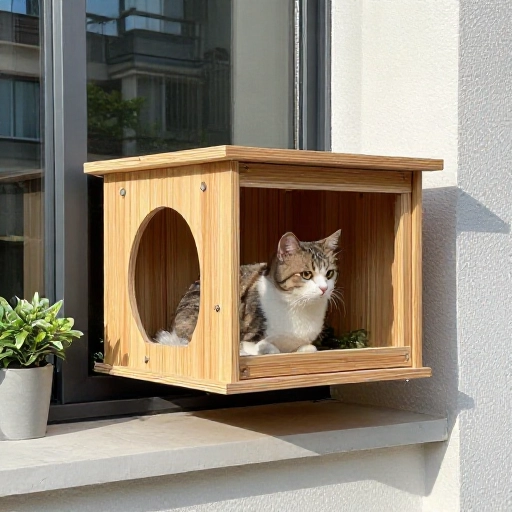
Window catios mount to the outside of a window frame and stick out like a little balcony. Your cat hops through the open window (with a screen insert or custom panel) and hangs out in the box.
I love these for apartments and rentals because there’s zero yard damage and you can remove them when you move. Just measure your window carefully — most units need a specific width, and a sloppy fit means gaps.
One tip: put a small shelf or hammock inside so your cat can perch up high. They feel safer with a view from above.
4. Tunnel + Playpen Combos That Connect Together
This is where things get fun. Many brands make tunnels and mesh playpens that clip together, so you can build a little circuit across the lawn.
The setup I use looks like a squished figure-eight: a playpen in the middle for lounging, and two tunnels running out to different spots in the garden. My cat patrols the whole thing like a security guard.
The trick is connecting the joints properly. Use the clips that come with the set, and check them weekly — cats lean on seams and they do loosen up over time.
If you can, set it up on grass rather than concrete. Cats get way more stimulation from things that move and smell.
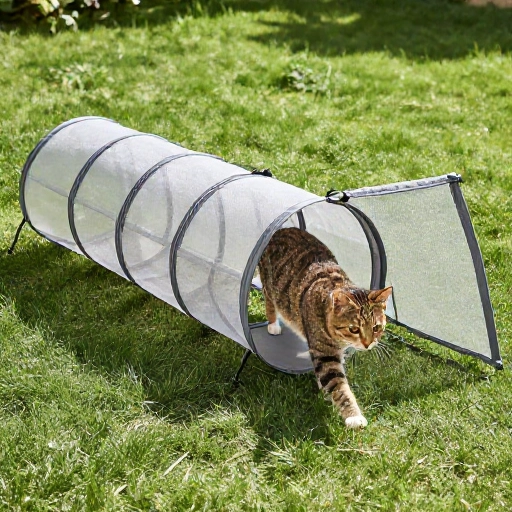
5. DIY PVC Pipe Tunnels For The Budget Builder
I’m not naturally handy, and I still managed this one. Wide PVC pipe, a bit of sanding, some zip ties, and you’ve got a tunnel your cat will sprint through like a race car.
Go with 6-inch or 8-inch diameter pipe depending on your cat’s size. Cut it into sections, join them with elbow fittings, and drill a few small holes for airflow.
Two things I learned the hard way:
- Sand the cut edges smooth — rough plastic catches fur and paws
- Never seal both ends. You always need airflow and a second exit
Paint the outside with a pet-safe exterior paint if you want it to look less like plumbing and more like a garden feature. Mine is still grey, and honestly, my cat doesn’t care.
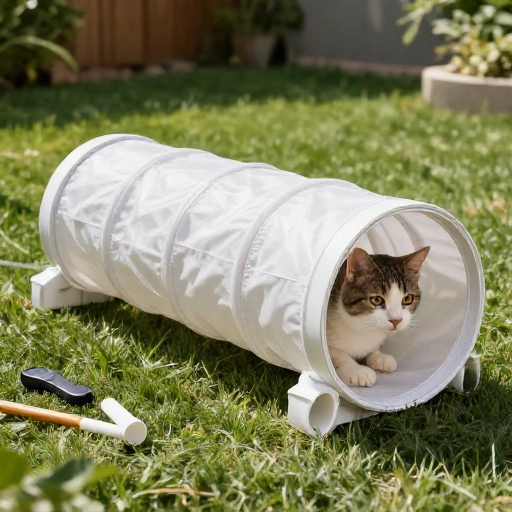
6. Wooden Cat Houses With A Built-In Tunnel
If you want something that looks genuinely nice in the yard, a wooden cat house with an attached tunnel is hard to beat. Think of a small insulated cabin with a tube running out to a mesh run.
These give your cat a shaded retreat when it’s hot and a dry spot when it rains. Some models have raised floors, which keeps bedding dry and stops damp from creeping in.
Check the wood treatment before you buy. Cedar and untreated pine are fine; anything with heavy chemical sealants isn’t ideal for a space your cat sits in all day. A water-based, pet-safe stain is the safer pick.
Add a soft mat inside and you’ll find your cat napping out there more than you expect.
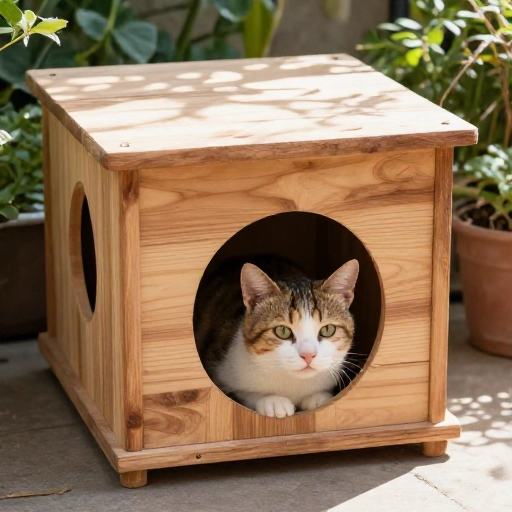
7. Portable Mesh Tents For Supervised Grass Time
Sometimes you just want your cat to chew on real grass for twenty minutes while you drink coffee. That’s exactly what a portable mesh tent is for.
They pop up fast, have a zippered top for you to reach in, and fold down into a carry bag. I keep one in the garage and drag it out most weekends.
Because the floor is usually open (just mesh sitting on grass), you need to watch for digging. If your cat starts pawing at the edges, move the tent to a fresh patch or lay a ground mat underneath.
These are supervised-only enclosures. Never leave a cat alone in a lightweight pop-up tent — a fox or a loose dog could tip it over.
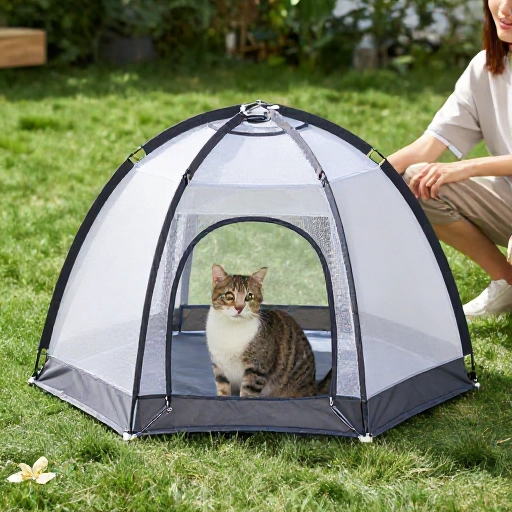
8. Fence Toppers With A Tunnel Gate To The Run
If you already have a fenced yard, you’re halfway there. Rolling fence toppers curve inward at the top so cats can’t get a grip to climb over.
The clever part is adding a tunnel gate — a short mesh tunnel that connects your house or a window to the fenced run. That way your cat travels safely from indoor to outdoor without you carrying them.
Install the topper along the entire fence line, not just the corners. Cats are patient, and they’ll find the one gap you skipped.
Also walk the fence line every few weeks. Loose boards, sagging gates, and storm damage are how escapes happen.
9. Screened Porch Conversions For Year-Round Hangouts
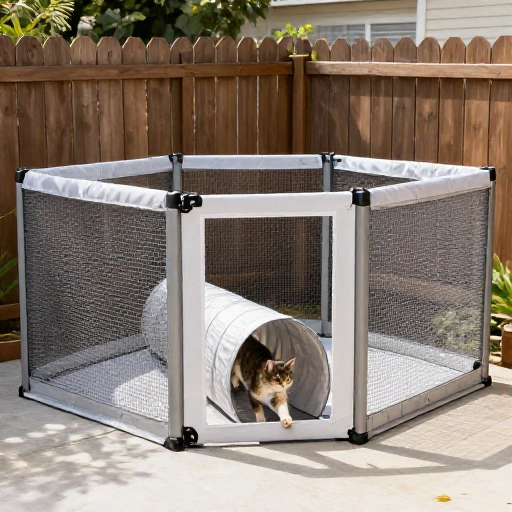
This is the dream setup if you’re lucky enough to have a porch. You re-screen the openings with sturdy pet mesh, add a lockable screen door, and boom — a cat lounge with a roof.
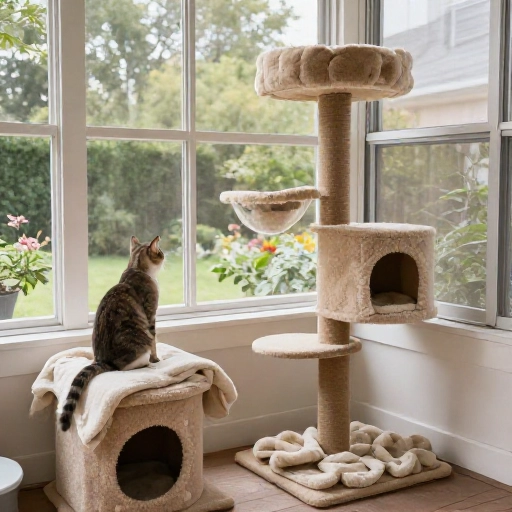
Because it’s covered, your cat can use it in light rain and on hot afternoons. I’ve seen people add shelves, cat trees, and even a little water fountain out there.
Two practical notes:
- Use pet-resistant screen mesh, not standard window screen — claws shred the cheap stuff
- Check that there are no gaps at the base where a cat could squeeze under the framing
It’s more of a project than a pop-up tunnel, but it’s the enclosure my cat would choose if she could vote.
10. Modular Tunnel Networks With Locking Access Doors
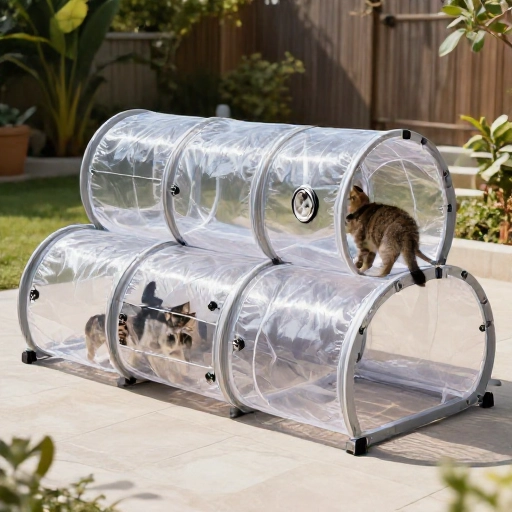
Once you’ve got a tunnel or two, you start thinking bigger. Modular systems let you link tunnels, boxes, and playpens into one connected network across the yard.
The feature that matters most here is a locking access door. It lets you shut off sections, so you can move your cat from one area to another without chasing them around the lawn at bedtime.
I use mine like this: morning, the tunnel opens to the sunny side of the yard. Afternoon, I switch it to the shaded run. My cat gets variety, and I get a cat who comes inside without a fight.
Check latches monthly. Sun and rain wear down plastic clips faster than you’d think, and a loose door is the one weak point in an otherwise solid setup.
Final Thoughts: Start Small, Then Expand
You don’t need a fancy build to get your cat outside safely. A pop-up tunnel on the patio this weekend is a perfectly good first step.
Once you see how much your cat loves it, you’ll probably want to add more — a playpen, a window box, maybe a proper catio next spring. That’s exactly how it went for me.
The goal is simple: fresh air, new smells, real sunshine, and a cat who’s still safely home when the sun goes down.
Frequently Asked Questions
Are cat tunnels safe to leave outside overnight?
Only if they’re part of a fully enclosed, locked structure. Pop-up tunnels and lightweight tents should come inside. Heavy catios with locking doors and solid anchors are usually fine to leave out.
How do I stop my cat from digging out of an enclosure?
Lay a ground barrier — paving stones, a mesh apron, or wire buried a few inches down along the edges. Cats dig at the base of walls, so reinforcing the perimeter matters more than the middle.
Does a cat tunnel need a roof?
Yes, if it’s staying outside unattended. A roof keeps rain out and stops other animals from hopping in. It also prevents your cat from climbing out of an open-topped run.
Can I leave my cat in an enclosure while I’m at work?
For a sturdy, anchored catio with shade and water, yes. For anything soft-sided or portable, no. Those are supervised-only, no matter how secure they look.
What’s the cheapest way to get started?
Start with a pop-up tunnel and a portable mesh tent used under supervision. That combo costs very little and tells you fast whether your cat actually enjoys being outside before you invest in a bigger build.