How to Train Kitten to Use Litter Box Fast Guide
How to Train Kitten to Use Litter Box: My First Experience
When I first brought my tiny kitten home, my biggest worry was learning how to train kitten to use litter box properly.
I had never owned such a young cat before.
I kept wondering if she would understand what to do.
The first day felt overwhelming and exciting at the same time.
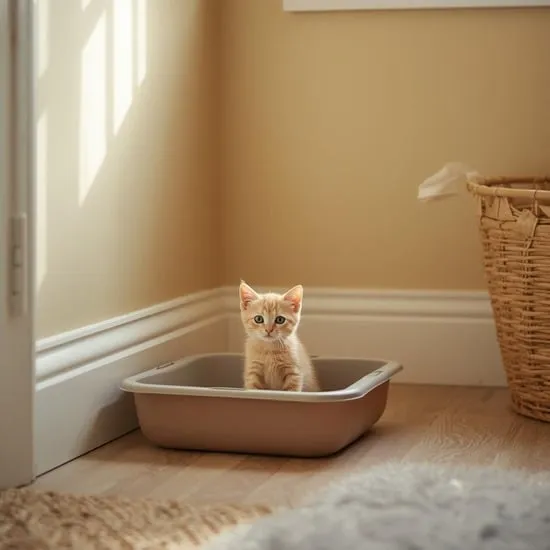
I placed the litter box in a quiet corner of the room.
Kittens need calm spaces to feel safe.
Too much noise can distract them.
I made sure the box was low enough for easy entry.
Small kittens struggle with high edges.
Preparation gave me a little confidence.
And that confidence helped me stay patient.
While researching how to train kitten to use litter box, I learned that most kittens naturally understand digging instincts.
That instinct works in our favor.
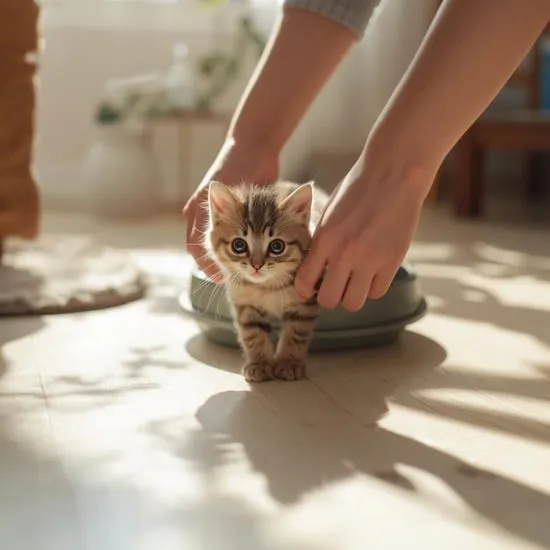
After meals and naps, I gently placed her inside the box.
I did not force her, just guided her softly.
Positive reinforcement became my biggest tool.
Whenever she used the litter box correctly, I praised her calmly.
I avoided loud reactions that might scare her.
Consistency is more powerful than punishment.
Within a few days, I saw improvement.
Patience truly makes a difference.
Trust builds faster than pressure.
Choosing the Right Litter Box and Litter Type
A big part of learning how to train kitten to use litter box is selecting the right setup.
I chose a small open litter box without a lid.
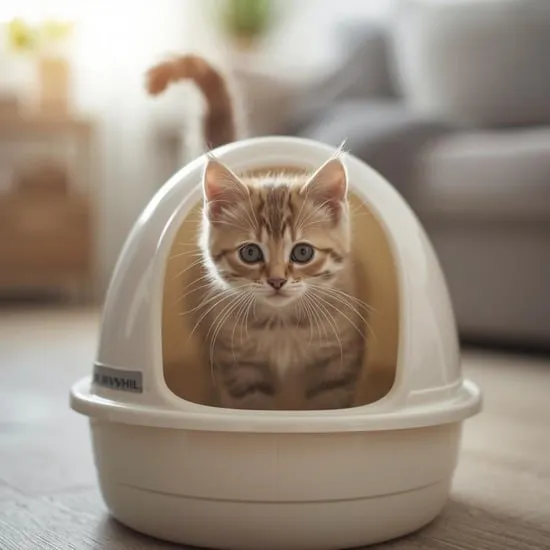
Covered boxes can feel intimidating for young kittens.
Accessibility matters more than appearance.
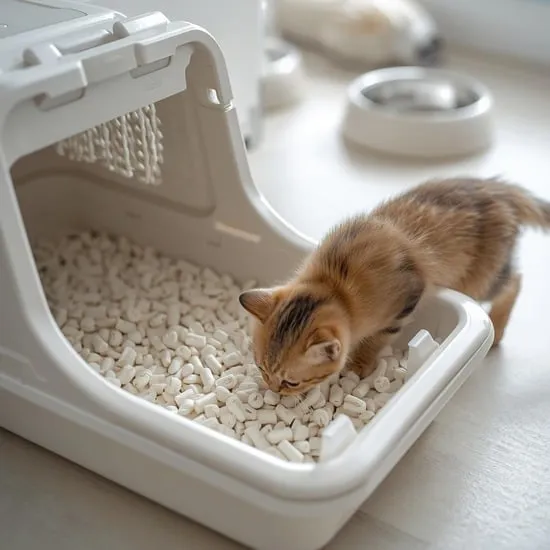
I used unscented clumping litter to avoid strong smells.
Artificial fragrances can discourage use.
Kittens have sensitive noses.
I kept the litter shallow at first.
Too much depth can feel unstable under tiny paws.
Simple adjustments made a big difference.
Comfort encourages good habits.
As I continued figuring out how to train kitten to use litter box, I realized placement is crucial.
The box should be far from food and water bowls.
Cats prefer separation between eating and bathroom areas.
I avoided placing it in high-traffic zones.
Privacy supports confidence.
Keeping the litter box clean also prevents accidents.
I scooped daily to maintain freshness.
Dirty litter discourages consistent use.
Routine cleaning reinforces good behavior.
Small maintenance steps protect progress.
Hygiene supports successful training.
Handling Accidents Calmly and Effectively
Even while learning how to train kitten to use litter box, accidents happened.
At first, I felt discouraged.
But I quickly understood that mistakes are normal.
Kittens are still adjusting to new environments.
I cleaned accidents thoroughly to remove odor.
Lingering smells can attract repeat behavior.
I never yelled or punished her.
Fear creates anxiety and confusion.
Instead, I gently redirected her to the box next time.
Calm reactions protect trust.
Patience prevents long-term issues.
During the process of how to train kitten to use litter box, I noticed timing matters.
After playtime or waking up, she often needed to go.
Anticipating those moments reduced accidents.
I limited her access to large areas at first.
Smaller spaces make training easier.
Gradually, I expanded her freedom.
Monitoring behavior helped me adjust quickly.
Consistency reinforced her understanding.
Every small success built confidence.
Progress may feel slow, but it adds up.
Encouragement keeps both owner and kitten motivated.
Building Long-Term Litter Box Habits
Once I understood how to train kitten to use litter box properly, maintenance became my focus.
Routine keeps habits strong.
I kept the box in the same location.
Frequent changes can confuse kittens.
Cleanliness remained a daily priority.
Fresh litter prevents aversion.
I monitored her health through litter box behavior.
Changes in usage can signal medical concerns.
Consistency supports emotional security.
Stable routines create reliable habits.
Training does not stop after success.
Looking back at learning how to train kitten to use litter box, I feel grateful for the experience.
It strengthened our bond in unexpected ways.
Gentle guidance proved more effective than strict discipline.
Kittens learn best in calm environments.
Trust makes everything smoother.
Patience truly pays off.
Every small effort contributes to long-term success.
Responsible litter training creates a cleaner home.
Confidence grows with each milestone.
Preparation and love go hand in hand.
And watching her succeed felt incredibly rewarding.