10 Essential Service Dog Training Steps You Must Know (From Someone Who Learned the Hard Way)

Let me be real with you: training a service dog is nothing like teaching your pet to sit for a treat. It is a long, beautiful, sometimes messy journey that asks for patience, consistency, and a whole lot of love. When I first started, I thought I could just watch a few YouTube videos and call it a day. I was so wrong.
Over time, I discovered that successful service dog training boils down to a handful of non-negotiable steps. These are the steps that separate a well-mannered working partner from a distracted, stressed-out pup in a vest. Whether you are owner-training or working with a professional, these are the building blocks you cannot skip.
Grab your training pouch and a high-value treat. Here are the ten essential service dog training steps I wish someone had handed me years ago.
1. Start With Rock-Solid Basic Obedience
Before your dog can learn to turn on lights or alert to medical episodes, they need to nail the basics. Sit, down, stay, come, heel, and leave it are the alphabet of service work. If your dog does not respond instantly to these cues at home, you are not ready for public access.
I spent the first few months just drilling these commands in my living room, kitchen, and yard. Short sessions, lots of praise, and zero pressure. Once my dog could hold a sit-stay with the doorbell ringing, I knew we had a foundation worth building on.
Trust me: a dog who cannot hold a down-stay while you drop a piece of cheese is not ready to hold that same down-stay next to a moving wheelchair.
2. Socialize, Socialize, Socialize (But Make It Smart)
Socialization is not about letting every stranger pet your puppy. It is about safely exposing them to new sights, sounds, surfaces, and smells. Think grocery carts, elevators, traffic noise, umbrellas, kids on scooters, and hospital hallways.
I made a checklist of 100 new experiences and worked through it slowly. Each experience was paired with treats and calm energy. The goal was never excitement; it was neutrality. A service dog should notice the world but not react to it.
One mistake I made early on was overwhelming my dog. Too many new things at once can backfire. Keep sessions short and always end on a positive note.
3. Teach a Reliable “Settle” and Focus Cue
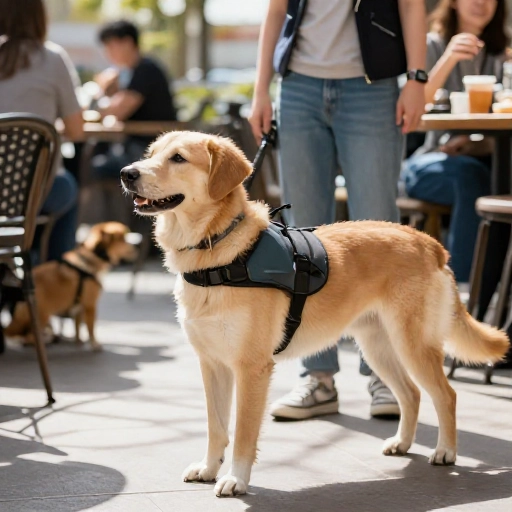
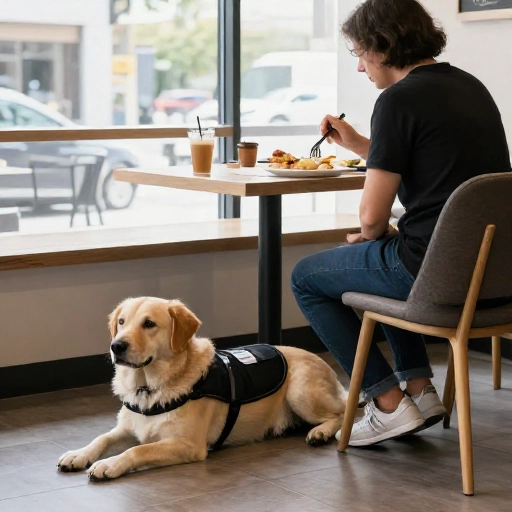
A service dog needs an off switch. That is where the settle cue comes in. Settle means “lie down, relax, and ignore everything until I release you.” It is the command that lets your dog chill under a restaurant table or during a long medical appointment.
I taught settle by capturing calm moments at home. When my dog lay quietly on a mat, I marked and rewarded. Then I added the verbal cue and gradually increased duration and distraction.
Equally important is a focus cue like “watch me” or “look.” Building eye contact on command gives you a way to redirect your dog’s attention in any environment. Practice it everywhere until it becomes second nature.

4. Master Loose-Leash Walking and Heeling
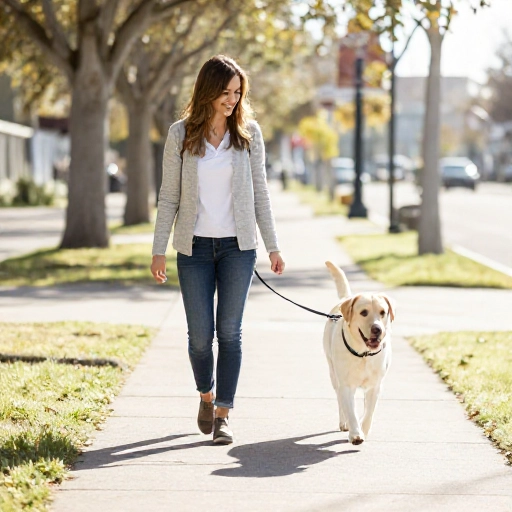
Pulling on the leash is exhausting and can be dangerous for a handler with mobility issues. Your service dog should walk calmly beside you, not drag you down the sidewalk. This is a non-negotiable step.
Start in a low-distraction area. Every time the leash goes tight, stop walking. When your dog returns to your side, reward and move forward again. It takes hundreds of repetitions, but it clicks.
Later, practice heeling with changes of pace, turns, and sudden stops. Your dog should match your movement without being told. This skill makes public outings feel smooth instead of stressful.
5. Proof Commands in Every Environment
A dog who sits perfectly in your kitchen might completely forget the word “sit” at a busy farmer’s market. That is because dogs do not generalize well. They need to learn that “sit” means sit everywhere, not just at home.
I made a list of locations: pet-friendly stores, parking lots, parks, sidewalks, and friends’ houses. At each spot, I ran through basic obedience and simple tasks. I started with just one or two commands and built from there.
Always set your dog up for success. If they are too distracted, move farther away from the action and try again. Proofing is a slow, steady process, but it is what turns a well-trained pet into a reliable service dog.
6. Build Impulse Control With Real-Life Temptations
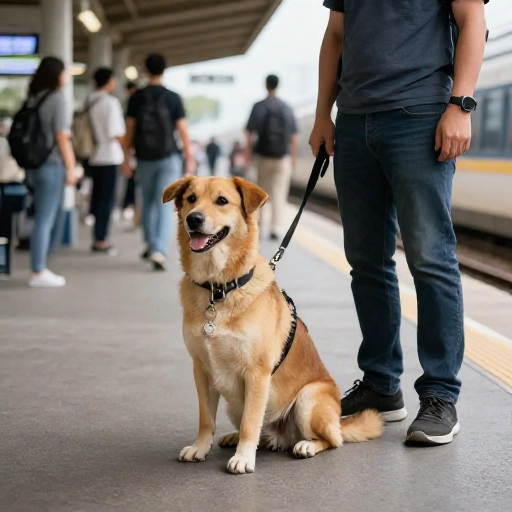
Service dogs face temptations constantly: dropped food, friendly strangers, other dogs, and exciting smells. A solid “leave it” and “wait” can save the day. These cues are not just polite; they are safety skills.
- Practice “leave it” with low-value items first, then work up to chicken, cheese, and moving toys.
- Teach a strong “wait” at doorways, before meals, and when exiting the car.
- Use real-life moments like a dropped pill or a sudden squirrel to reinforce calm choices.
Impulse control is like a muscle. The more your dog exercises it, the stronger it gets. Over time, you will see your dog glance at a distraction and then look back at you for guidance.
7. Train the Specific Tasks Your Disability Requires
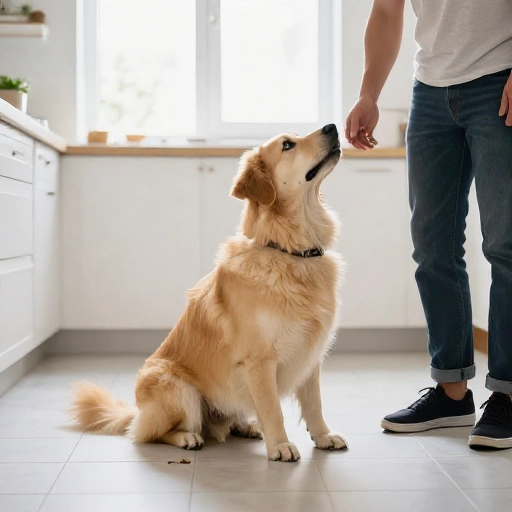
This is where things get personal. A service dog is not a one-size-fits-all tool. Your dog’s tasks must directly mitigate your disability. That might mean retrieving dropped items, opening doors, providing deep pressure therapy, alerting to blood sugar changes, or guiding you through a crowd.
Break each task into tiny, trainable steps. For retrieval, start by teaching your dog to hold an object, then pick it up from the floor, then bring it to your hand. For medical alert, work with a professional trainer who understands scent training if possible.
Do not rush this step. Task training is the heart of service work, and it deserves the most time and patience. Celebrate every small win.

8. Practice Public Access Etiquette (Not Just Skills)
Passing a public access test is about more than perfect obedience. It is about polite behavior in real-world spaces. Your dog should ignore food on the floor, not sniff merchandise, stay out of aisles, and tuck quietly under tables and chairs.
I practiced sit-stays in narrow store aisles, down-stays in busy coffee shops, and calm entrances through automatic doors. I also trained my dog to ignore people making kissy noises or calling to him. The vest is not an invitation for attention.
Remember: you are your dog’s advocate. If a place is too crowded or your dog is having an off day, it is okay to leave. Public access is a privilege, not a right, and your dog’s comfort matters.
9. Create a Calm “Off-Duty” Routine
Service dogs work hard, but they are still dogs. They need time to sniff, roll in the grass, chew a bone, and just be a goofball. Building a clear off-duty routine prevents burnout and keeps your dog happy and healthy.
I use a specific cue like “all done” or “release” to signal the end of work mode. When the vest comes off, my dog knows he can relax and be a regular dog. This separation helps him understand when he is on duty and when he is not.
Do not feel guilty about letting your service dog have fun. A mentally and physically satisfied dog is a better worker. Go for a sniff walk, play fetch, or just cuddle on the couch.

10. Maintain, Refresh, and Re-Certify Training Regularly
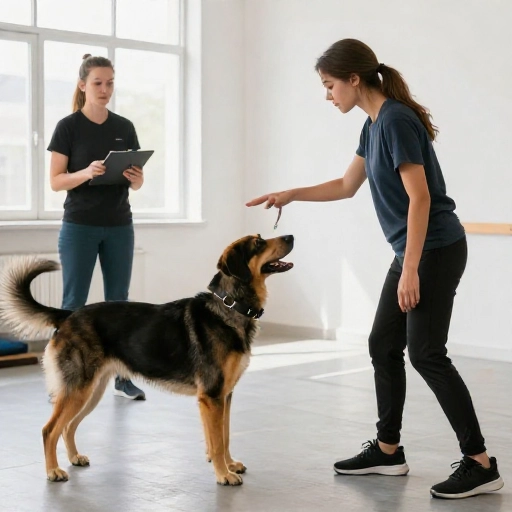
Service dog training never truly ends. Skills get rusty if you do not practice them. I set aside a few minutes every day for maintenance training, even if it is just a quick round of sits, downs, and a task or two.
Every few months, I do a “public access refresher” by visiting new places and running through our routine. I also record videos to spot any sloppy behaviors I might have missed. If something falls apart, we go back a step and rebuild.
Depending on where you live, you may need to re-certify or pass periodic evaluations. Stay up to date on local laws and keep a training log. The goal is a lifelong partnership built on trust and consistency.
Final Thoughts on Service Dog Training
Training a service dog is one of the hardest and most rewarding things I have ever done. It takes time, tears, and more treats than I can count, but the bond you build is unlike anything else. Your dog is not just a helper; they become your teammate, your shadow, and your best friend.
If you are feeling overwhelmed, take a deep breath. You do not need to be perfect. You just need to show up every day, celebrate the tiny wins, and never stop learning together. Every expert was once a beginner with a handful of treats and a lot of hope.
Service Dog Training FAQ
How long does it take to train a service dog?
Most service dogs take between 18 months and 2 years to fully train, depending on the tasks required and the individual dog. Some programs take even longer. Owner-training can take a similar amount of time with consistent daily work.
Can I train my own service dog without a professional?
Yes, many people successfully owner-train their service dogs, but it is highly recommended to work with a professional trainer for at least task-specific and public access training. A good trainer can catch mistakes early and save you months of frustration.
What is the difference between a service dog, therapy dog, and emotional support animal?
A service dog is trained to perform specific tasks that mitigate a person’s disability and has public access rights. A therapy dog provides comfort to others in settings like hospitals but has no special access rights. An emotional support animal provides comfort through presence but is not task-trained and generally only has housing rights.
Do service dogs need to pass a public access test?
While not legally required in every area, passing a public access test is the gold standard for service dogs. It shows your dog can behave safely and calmly in public spaces. Many organizations and owner-trainers use it as a benchmark for readiness.
What if my dog fails a training step or seems to regress?
Regression is completely normal. Dogs, like humans, have off days and learning plateaus. Go back to a step where your dog was successful, lower the difficulty, and rebuild slowly. If you feel stuck, consult a professional trainer for a fresh perspective.