16 Elevated Dog Bed Plans That Actually Save Your Back (Easy DIY Ideas for Joint-Friendly Dogs)
I used to keep my dog’s bed on the floor. Cute? Yes. Kind to my back? Absolutely not. Every morning I’d bend, reach, fluff, and silently promise my spine I’d do better. Then I built a raised cot, and everything changed: less bending, less laundry drama, and my dog claimed it like a tiny throne.
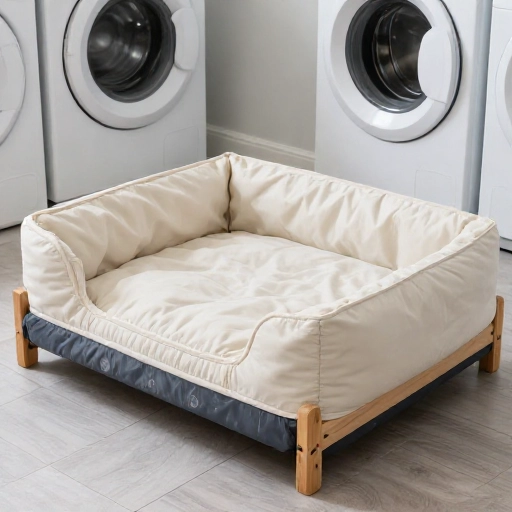
Elevated dog bed plans are one of those DIY projects that look fancy but are surprisingly simple. You can use PVC, scrap wood, pallets, even an old crib mattress. The magic is in the height. A bed that sits 8–18 inches off the floor means you can lean, clean, and change covers without folding yourself into a pretzel.
Below are 16 elevated dog bed plans that actually save your back. Some are beginner-friendly weekend builds, some are renter-friendly, and a few are perfect for senior dogs or chewers. Save your favorite idea to Pinterest, then grab a tape measure and your favorite beverage.
1. Classic PVC Cot with Canvas Sling
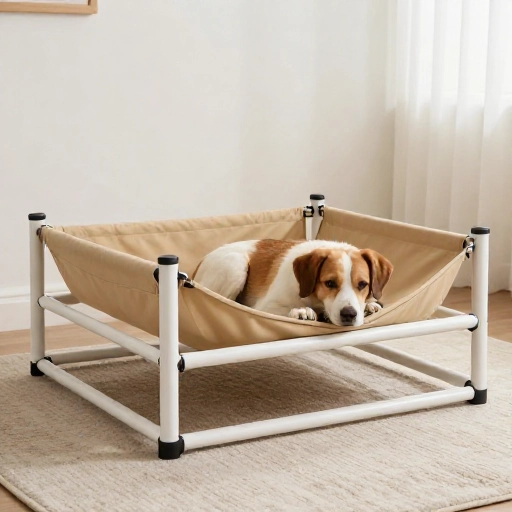
The classic PVC elevated dog bed plan is my go-to for a first build. You cut PVC pipe into four legs, two long rails, and a few cross supports, then connect everything with elbows and tees. A canvas sling or outdoor fabric becomes the sleeping surface.
Because PVC is lightweight, I can move it from room to deck without asking for help. The bed sits about 10–12 inches high, so I can reach the cover to brush off hair instead of crawling on the floor.
Tip: sand the cut edges, add end caps, and use a fabric sleeve or grommets so the canvas stays tight. My dog jumps up easily, and my lower back gets a break every single day.
2. Simple Wooden Platform Bed with Removable Cushion
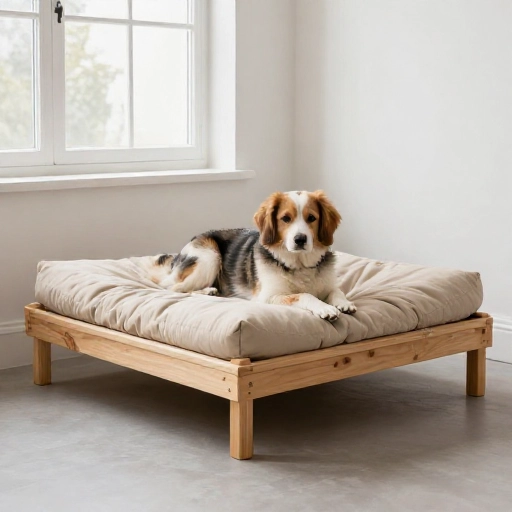
The simple wooden platform bed is a clean, sturdy classic. I build a 2×4 frame, top it with plywood, and add a small lip so the cushion doesn’t slide. The height usually lands around 10–14 inches.
For the cushion, I use a thick orthopedic pad with a zippered washable cover. When it’s muddy paw season, I unzip, wash, and wipe the wood with pet-safe cleaner.
This plan saves my back because I can sit on the edge to put on harnesses or clip leashes. No more kneeling on the floor while my dog wiggles like a fish.
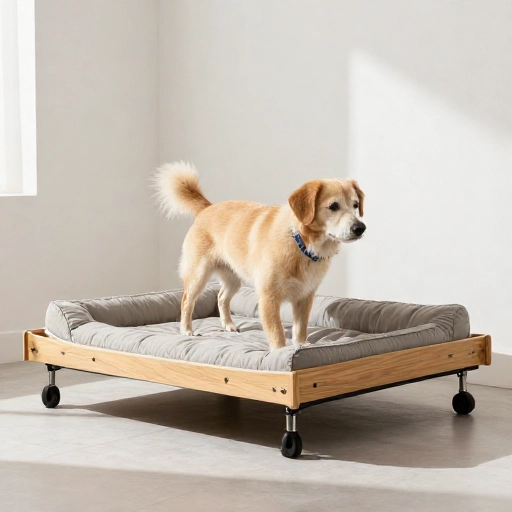
3. Pallet Wood Raised Bed on Casters
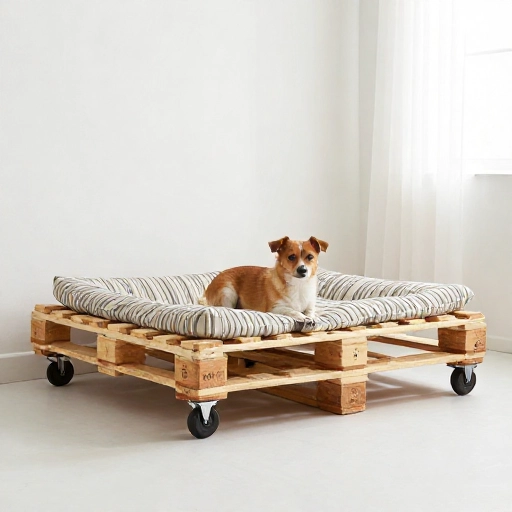
I love a pallet wood raised bed because it looks rustic and costs almost nothing if you already have pallets. I sand the wood well, build a low box frame, and add locking casters underneath.
The casters are the back-saving secret. I roll the bed into the sunny spot, then out of the way when guests arrive. No lifting, no dragging, no weird hip twist.
Always check pallet markings and avoid wood that’s been chemically treated. A waterproof cushion cover makes cleanup easy, and the bed stays off the floor for airflow.
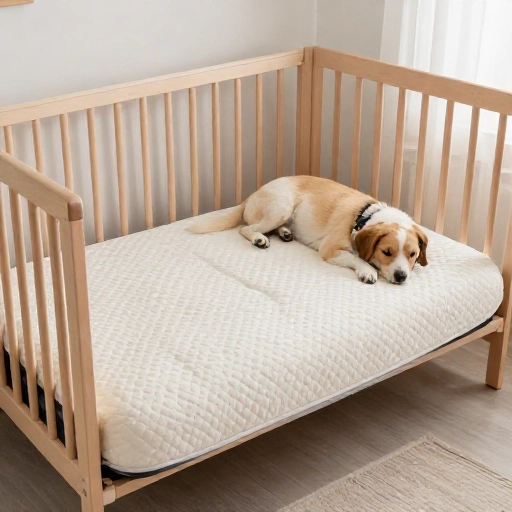
4. Crib Mattress Upcycle Bed
If you have an old crib mattress, don’t toss it. I built a simple elevated frame around it, turning the mattress into a huge, comfy dog bed. The frame is just four legs and a slatted platform.
Crib mattresses are usually waterproof and easy to wipe, which is a win for senior dogs or puppies. I add a fitted sheet or a washable cover for extra softness.
This plan keeps the sleeping surface at knee height. I can change the sheet without bending down to the floor, and my dog gets a spacious bed that fits two small dogs or one very spoiled large dog.
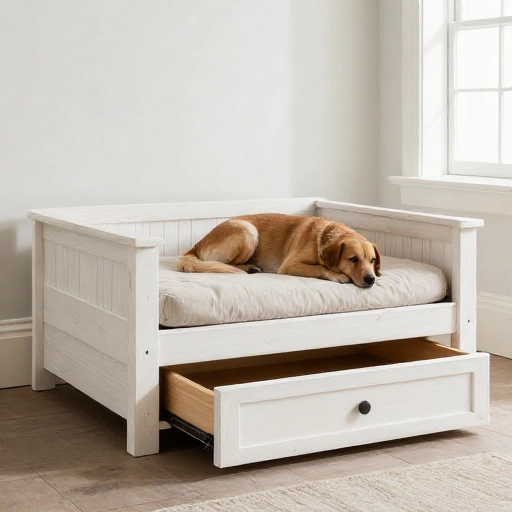
5. Farmhouse Wooden Bed with Hidden Storage
The farmhouse wooden bed plan is for anyone who wants style and function. I build a raised platform with a hinged lid or pull-out drawers underneath for toys, leashes, and blankets.
Storage under the bed means less clutter on the floor. That matters for my back because I’m not constantly bending to pick up squeaky toys or stray kibble.
I paint the wood with a low-VOC finish, add cute hardware, and top it with a thick cushion. It looks like furniture, but it’s really a back-saving station.
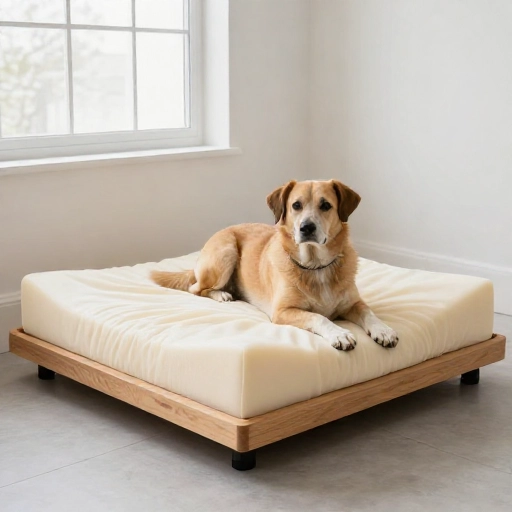
6. Orthopedic Memory Foam Platform Bed
An orthopedic memory foam platform bed is a smart plan for older dogs or big breeds. I build a slatted wooden base for airflow, then add a memory foam mattress topper cut to size.
Memory foam supports joints, but the raised platform is what saves me. The bed is high enough that I can fluff the cover and check for accidents without getting on my hands and knees.
I use a waterproof liner under a washable cover. When the cover needs a refresh, I zip it off and toss it in the wash. Simple, clean, and kind to my spine.
7. Adjustable Height Bed for Aging Dogs
An adjustable height bed is a game-changer if your dog is aging or recovering from surgery. I use threaded furniture legs or stacked wooden blocks to change the height as needed.
Start low so your dog can step in easily, then raise it as they get stronger. The goal is a surface that’s comfortable for them and reachable for you.
I keep mine at about knee height. That means I can pet, medicate, and change bedding without stooping. It’s one of the most practical elevated dog bed plans for senior dog parents.
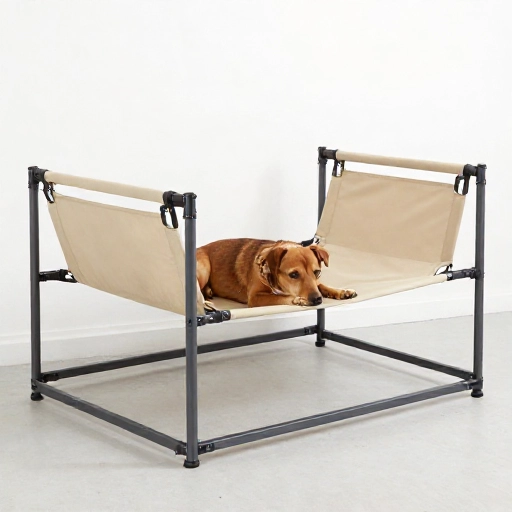
8. Metal Frame Cot for Chewers
If your dog has destroyed every soft bed in sight, a metal frame cot is the answer. I use a steel or aluminum frame with a heavy-duty mesh or canvas bed.
Metal is chew-resistant, easy to wipe, and doesn’t hold odors. I can hose it down outside and let it dry in the sun.
The raised design keeps the bed off the floor, so I’m not scrubbing fabric on my hands and knees. It’s sturdy, simple, and surprisingly affordable to build.
9. Window Perch Bed with Wall Brackets
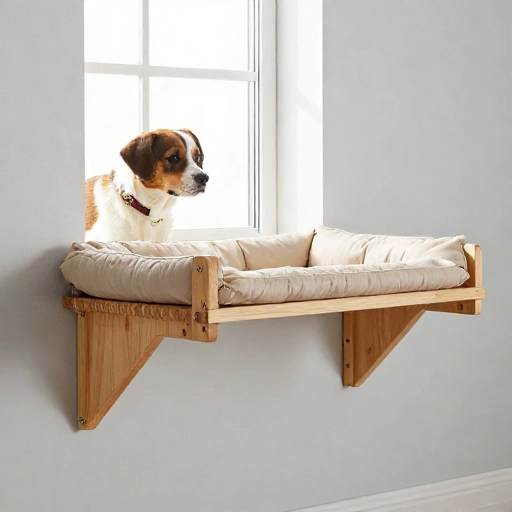
For small dogs who love to watch the neighborhood, a window perch bed is pure joy. I attach strong wall brackets to a wooden shelf, then add a cozy cushion with a removable cover.
Mount it at a height where your dog can see outside but still jump up safely. Add a small step or ramp if needed.
This plan saves floor space and saves my back because the bed is at waist height. I can wipe the shelf and swap the cover without bending. It’s a cat-approved idea that works for tiny dogs too.
10. Bunk Bed for Two Dogs
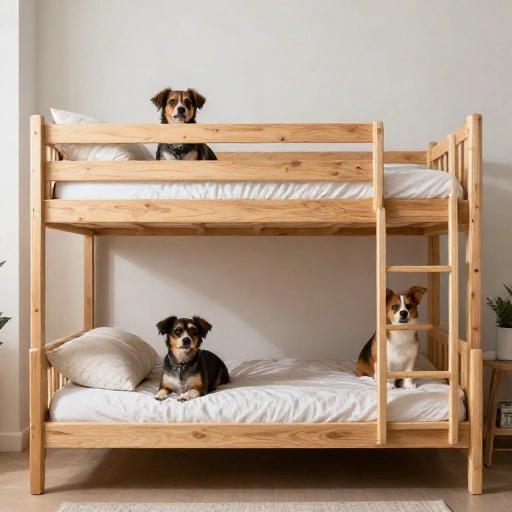
A bunk bed for two dogs is a brilliant space-saver. I build two elevated platforms, one above the other, with a sturdy frame. The lower bunk works for a senior dog, while the upper bunk suits a younger jumper.
I add a non-slip ramp or steps to the top bunk so no one has to leap like a parkour pro. Each level gets a washable cushion.
With one build, I get two beds and less bending. I can reach both levels to tidy up, and the dogs get their own cozy spots without taking over the whole living room.
11. Built-In Feeding Station and Bed Combo
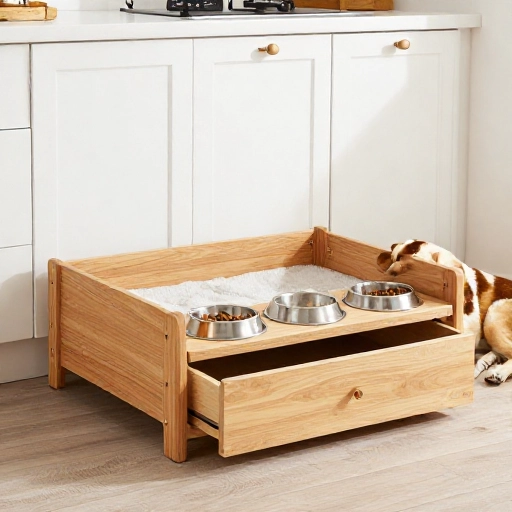
This plan combines a raised feeder with an elevated bed. I build a wooden platform with a cutout for stainless steel bowls on one end and a cushioned sleep area on the other.
Raised bowls are easier for dogs to eat from, and they’re easier for me to refill. No more bending to the floor with a heavy bag of kibble.
The bed section stays high enough for easy cleaning. It’s a smart, space-saving build for kitchens, mudrooms, or laundry areas.
12. Portable Travel Cot with Folding Legs
For road trips and camping, I made a portable travel cot with folding legs. The frame is lightweight aluminum, and the bed is a durable canvas that clips on.
It folds flat and slides into the car. At the campsite, I set it up in seconds and my dog has a familiar raised spot.
The back-saving bonus? I don’t have to bend into a tent or sleep on the ground to comfort my dog. I can sit on a camp chair and reach the bed easily.
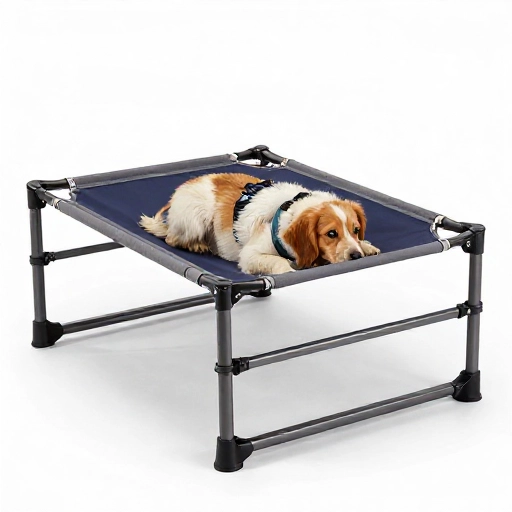
13. Deck Bed with Weatherproof Sling
If your dog loves being outside, a deck bed with a weatherproof sling is worth building. I use cedar or pressure-treated wood for the frame and marine-grade fabric for the sleeping surface.
I add a slight slope so rain drains off, and I raise it 12–16 inches for airflow. A hose-down and a quick wipe keep it fresh.
This plan saves my back because I’m not hauling an indoor bed outside every sunny afternoon. The bed stays put, and my dog can lounge while I garden.
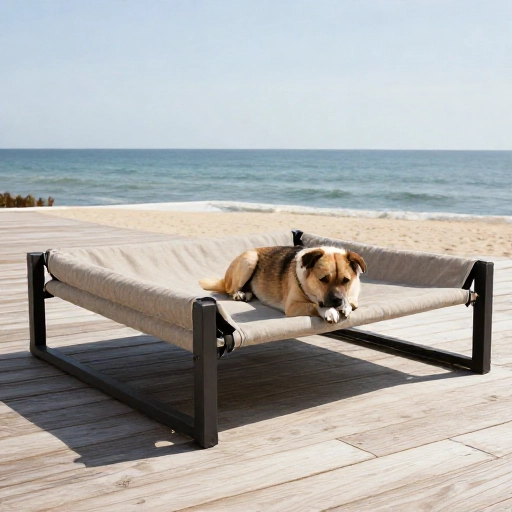
14. Ramp-Access Raised Bed for Seniors
Ramp-access raised bed plans are perfect for dogs with arthritis or hip issues. I build a low platform, then add a gentle ramp with carpet strips for grip.
The bed itself sits around 10–12 inches high, which is easy for me to clean and easy for my dog to reach.
Instead of lifting my dog onto the bed, I let them walk up. That protects both our backs and keeps their independence intact. It’s a small ramp with a huge payoff.
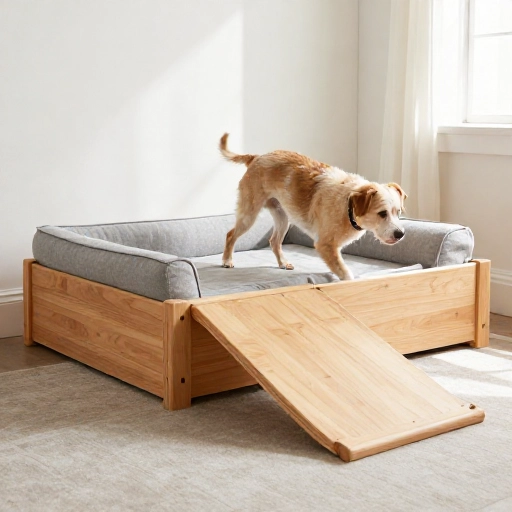
15. Floating Bed with Hidden Drawer
A floating dog bed attaches to the wall with heavy-duty brackets, leaving the floor open for sweeping. I add a hidden drawer underneath for brushes, bags, and toys.
The floating look is modern, but the real win is cleanup. I can vacuum and mop under the bed without moving a heavy frame.
Mount it at a height that suits your dog, and use a washable cover. It’s a sleek elevated dog bed plan that saves space and saves your back.
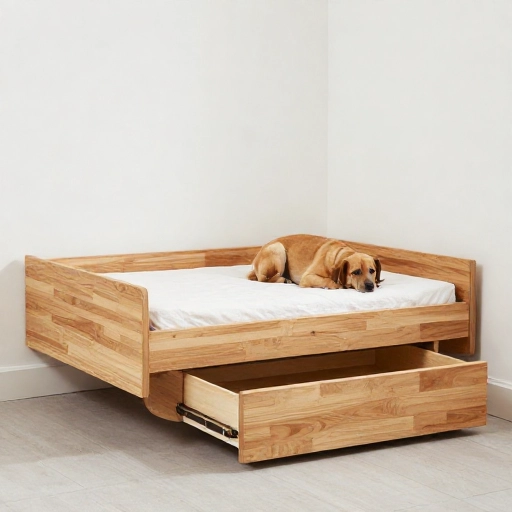
16. DIY Dog Bed with Washable Cover and Waterproof Liner
Every elevated dog bed plan gets better with a washable cover and waterproof liner. I build a simple raised platform, then sew or buy a zippered cover that fits over a vinyl liner.
When accidents happen, I unzip the top, remove the liner, and wash the cover. The frame just needs a quick wipe.
This system saves my back because I’m not scrubbing a floor-level bed or hauling a giant mattress to the bathtub. I keep a spare cover in the closet, swap it out, and we’re back in business.
Final Thoughts: Build the Bed, Save Your Back
I started with one PVC cot and now I recommend raised beds to every dog parent with a twinge in their lower back. The best height depends on your dog’s size and your comfort. Measure at knee height, test with your dog, and adjust before you paint or stain.
Pick a plan that fits your tools, space, and dog’s personality. Sand rough edges, use washable covers, and add non-slip feet. Your back will thank you every time you clean, fluff, or say good morning.
FAQ: Elevated Dog Bed Plans
How high should an elevated dog bed be?
For small dogs, 8–12 inches is usually plenty. Medium and large dogs often do well with 12–18 inches. If your main goal is saving your back, aim for knee height or slightly below so you can reach without bending far.
Are elevated beds good for senior dogs?
Yes, especially with a ramp or low step. Raised beds keep seniors off cold floors and make it easier for them to stand up. Just start lower and add grip to ramps or steps.
What materials are best for a DIY elevated dog bed?
PVC and aluminum are lightweight and easy to clean. Wood like cedar or plywood is sturdy and looks nice indoors. For cushions, look for memory foam, waterproof liners, and zippered washable covers.
How do I stop an elevated dog bed from sliding?
Add rubber feet, non-slip pads, or locking casters. If the bed is on tile or hardwood, a rug pad underneath can help too. A small lip around the cushion also keeps bedding in place.
Do I need special tools to build these elevated dog bed plans?
Most plans need a drill, saw, measuring tape, sandpaper, and a screwdriver. PVC builds often need a pipe cutter or hand saw. Beginner-friendly plans can be done in an afternoon with basic tools.