7 Miniature Schnauzer Training Tips for a Well-Behaved Little Companion

7 Miniature Schnauzer Training Tips for a Well-Behaved Sassy Little Companion
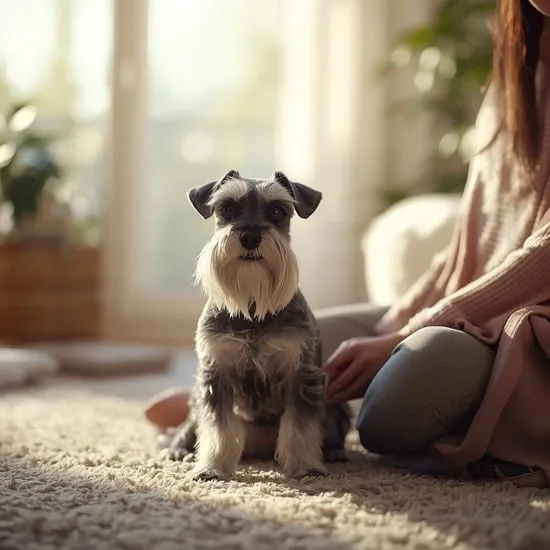
Bringing a miniature schnauzer into my life was like welcoming a tiny burst of sass wrapped in fur. From day one, I knew this little companion had a big personality, and honestly, that’s what made me fall in love even more. But with that bold personality came a few challenges that taught me the importance of proper training. These miniature schnauzer training tips come straight from my own journey—filled with moments of frustration, pride, and unexplainable love.
If you’re raising one of these feisty, loyal, and incredibly smart pups, I promise these tips will help you bring out the best in your miniature schnauzer while keeping their adorable sass intact.
1. Start Training Early to Shape Good Habits
The moment I brought my miniature schnauzer home, I realized how quickly they learn—good things and not-so-good things. Starting early helped me set routines before bad habits had a chance to settle in. Whether it was potty training or teaching simple commands like “sit,” early training gave my pup structure and helped build confidence.
Miniature schnauzers are naturally intelligent, which makes them fast learners, but they can also be stubborn. Beginning early made it easier for both of us because I wasn’t trying to undo behaviors—I was shaping them from the start. It felt good to see real progress within days, and it motivated me to stay consistent.
2. Use Positive Reinforcement to Encourage Good Behavior
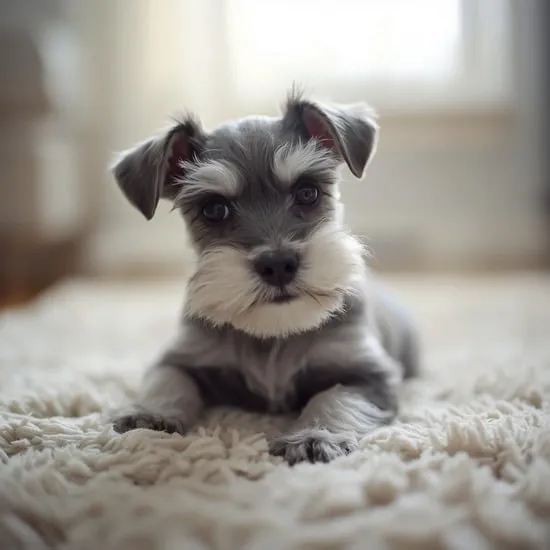
One thing I quickly learned is that miniature schnauzers respond beautifully to praise, treats, and affection. Anytime I used positive reinforcement, my little companion lit up. It turned training sessions into bonding moments rather than stressful experiences. The more love I added, the more willing they became.
I avoided harsh discipline because it only made my schnauzer anxious. Instead, rewarding good behavior created trust, strengthened our bond, and helped reduce their famous schnauzer stubborn streak. A little treat and a happy voice went a long, long way.
3. Be Patient and Consistent With Commands
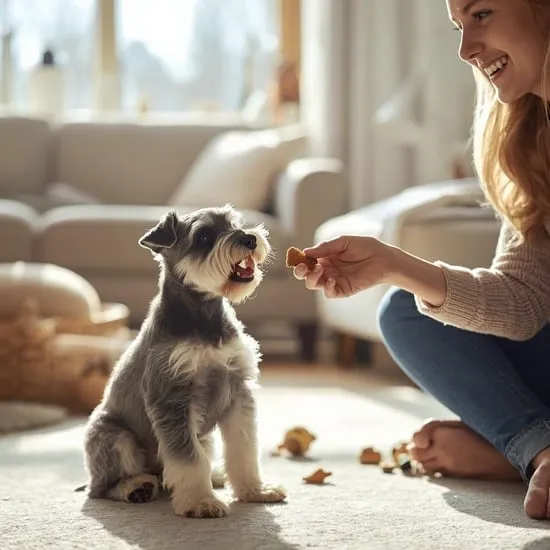
There were days when training felt like a roller coaster. Some days my miniature schnauzer knew exactly what to do, and others… well, they pretended they didn’t hear me at all. That’s where patience became my best friend. Repeating commands calmly and consistently helped them understand expectations.
Miniature schnauzers thrive on routine. When I stayed consistent—same commands, same tones, same rewards—it clicked for them. It wasn’t instant, but eventually everything came together, and watching their progress made every minute worth it.
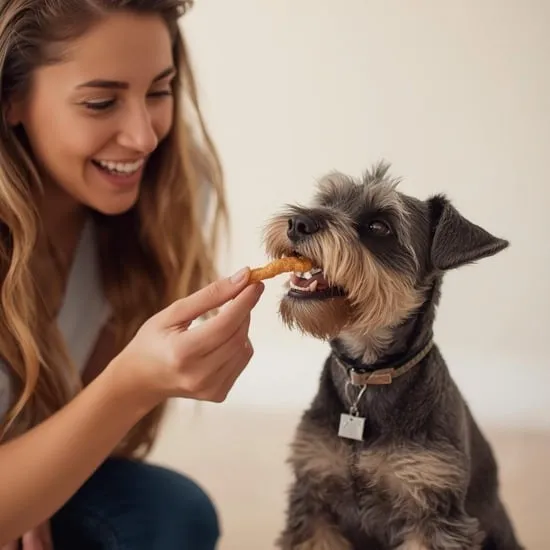
4. Socialize Early to Prevent Fearful Behavior
At first, my schnauzer was cautious around new people and unfamiliar dogs. I learned quickly how important early socialization was. Introducing them to different sounds, places, and faces helped them grow into a confident and friendly little companion.
I started slowly—short walks, gentle greetings, controlled playdates. Over time, their confidence bloomed, and that timid energy transformed into joyful curiosity. Socialization truly shaped their personality and made outings much more enjoyable for both of us.
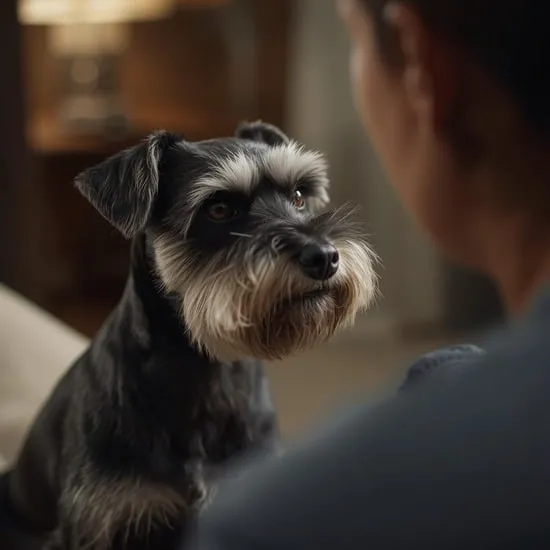
5. Channel Their Energy With Fun Activities
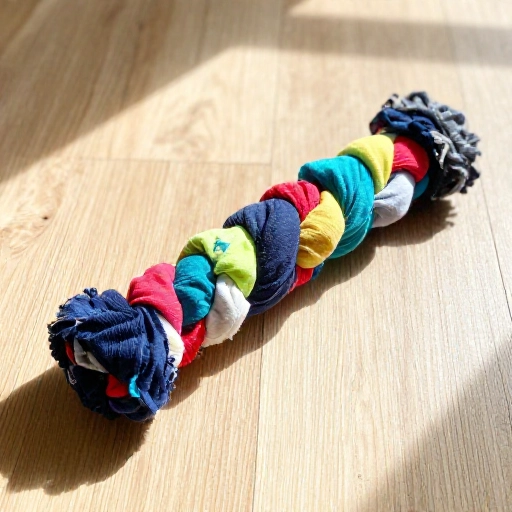
Miniature schnauzers have more energy than their tiny bodies should logically hold! I noticed early on that if I didn’t give mine enough physical and mental stimulation, they would make their own fun—which usually meant chaos. Daily walks, tug-of-war, puzzle toys, and short training sessions became essential.
Once their energy had a healthy outlet, my schnauzer became calmer, happier, and easier to train. I loved seeing how excited they got when it was “activity time,” and honestly, those moments became some of my favorite parts of the day.
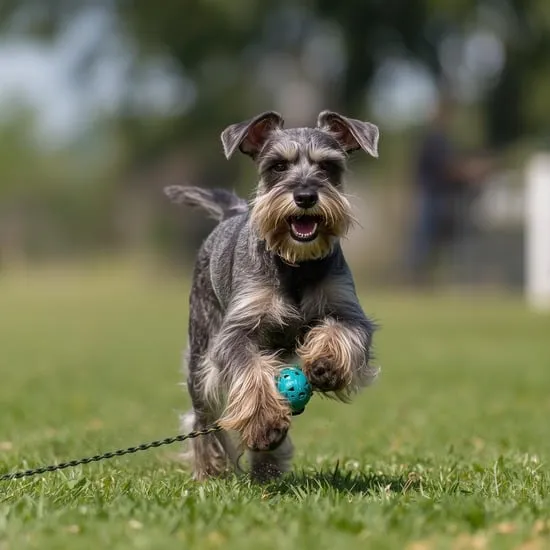
6. Set Clear Boundaries to Manage Their Sass
If there’s one thing miniature schnauzers are known for, it’s their sass. My little one definitely had a strong personality, but clear boundaries helped keep that sass manageable. Whether it was not jumping on the couch without permission or not barking excessively, boundaries kept things smooth.
I learned that if I gave in even once, they remembered—and used it against me later. Staying firm but gentle helped them understand limits without feeling scolded. And honestly, the mix of sass and discipline made them even more lovable.
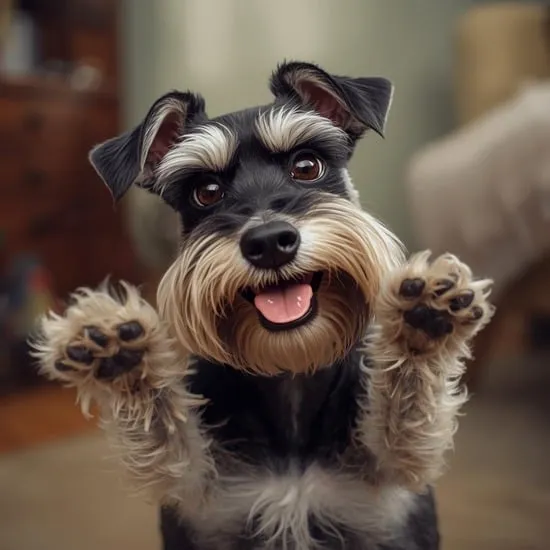
7. Build Trust Through Love and Routine
The biggest lesson I learned was that trust is everything. My miniature schnauzer responded best when they felt safe, loved, and understood. Training became easier once they knew I was their safe place. Routines also helped them feel secure, making each day more predictable and calm.
Through every high and low, their loyalty never changed. All they wanted was love, attention, and a little structure. And in return, I got the sweetest, most entertaining, and wonderfully well-behaved sassy little companion I could’ve ever wished for.
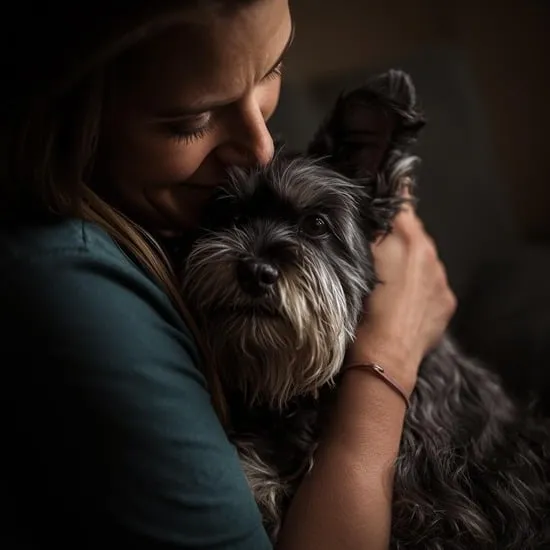
Raising a miniature schnauzer isn’t always easy, but it is always worth it. With patience, consistency, and lots of love, you’ll have a loyal and beautifully trained companion by your side.