12 Facts About How Cats See Colors

Have you ever wondered what the world looks like through your cat’s eyes? I know I have. We see a bright, colorful world, but our feline friends experience things very differently. It’s not just about seeing in black and white—that’s a common myth. The truth is much more interesting.
Let’s dive into the science behind a cat’s vision. Understanding this can help you pick the right toys, choose the best spots for a nap, and appreciate just how unique your cat really is. Get ready to see the world from a whole new (furry) perspective.
Here are twelve fascinating facts about how cats see colors and the world around them.
1. Cats Are Red-Green Colorblind
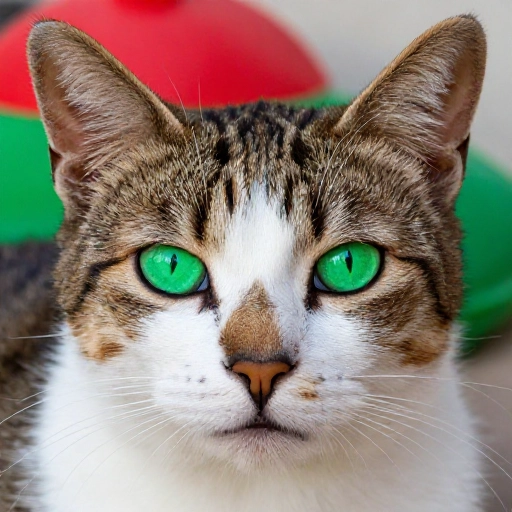
Think of your cat’s vision like that of a human with red-green color blindness. They can’t easily tell the difference between red, pink, and green. To a cat, a bright red toy might look more like a dull gray or brown.
This is because cats have fewer cone cells in their eyes. Cone cells are what detect color. Humans have three types of cones, but cats only have two.
So, that vibrant red laser pointer dot? Your cat probably sees it as a moving gray spot. It’s still fun to chase, but not because it’s red.
2. Blues and Yellows Are Their Best Colors
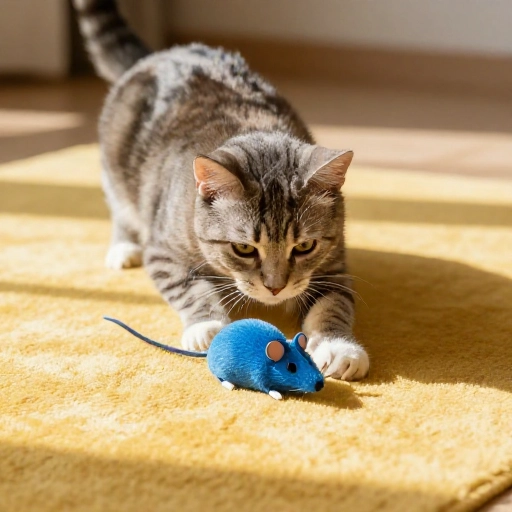
While reds and greens are muddy, cats see blue and yellow tones very well. These colors appear bright and clear to them. This makes them the perfect choice for cat toys and accessories.
If you want to grab your cat’s attention, choose a toy that is blue or yellow. A blue feather wand or a yellow crinkle ball will stand out against a green carpet or brown furniture.
Think about your own home. A blue cat bed will look much more inviting to your cat than a red one.
3. Their World Is Muted, Not Black and White
The old idea that cats see in black and white is completely wrong. Their world is full of color, but it’s less vibrant than ours. Think of it like a painting done in pastels rather than bright acrylics.
Shades of gray, blue, and yellow are the main players. Greens and reds blend into those grayish tones. So, a walk in a park looks more like a calm, muted landscape.
It’s a softer, quieter version of our colorful world.

4. They Have Superb Night Vision
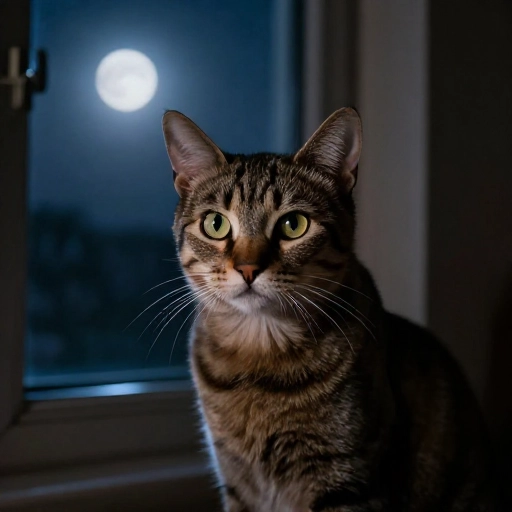
Here’s where cats really shine. They need about six times less light than humans to see clearly. This is why they are such effective hunters at dawn and dusk.
They have a special reflective layer behind their retina called the tapetum lucidum. It acts like a mirror, bouncing light back through the retina. This gives their eyes a second chance to absorb the light.
That’s also why their eyes seem to glow in the dark when you shine a light on them. It’s a built-in night vision booster.
5. Movement Is Everything
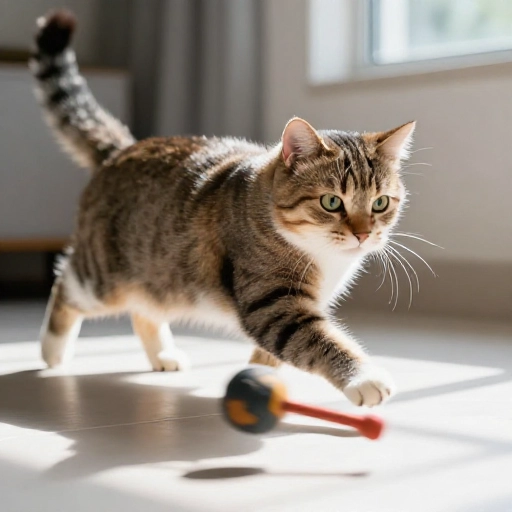
While color isn’t their strong suit, detecting motion is. Cats are wired to spot the tiniest movements. A mouse twitching its whisker is impossible for them to miss.
This is a survival instinct. A still object is hard for them to see clearly, but the second it moves, it becomes a target. This is why a toy that sits still might be ignored, but a slowly wiggling one is irresistible.
Their brains are built for the hunt, and motion triggers that instinct instantly.
6. Close-Up Things Are Blurry
Your cat might not be able to see a toy clearly if it’s right under its nose. Cats are naturally farsighted. Their vision is optimized for seeing things that are a few feet away—perfect for catching prey.
Anything closer than about 10 inches becomes blurry. They rely on their other senses, like smell and their whiskers, to figure out what is right in front of them.
So, if your cat bumps into your hand when you offer a treat, it’s not being clumsy. It just can’t see it clearly.

7. Their Peripheral Vision Is Amazing
Cats have a wider field of view than we do. While humans see about 180 degrees, cats can see around 200 degrees. This gives them a huge advantage in spotting danger or prey from the side.
This wide vision helps them detect movement without turning their heads. A bird flying by a window will be caught in their peripheral vision instantly.
It makes them excellent observers of the whole room, not just what is in front of them.

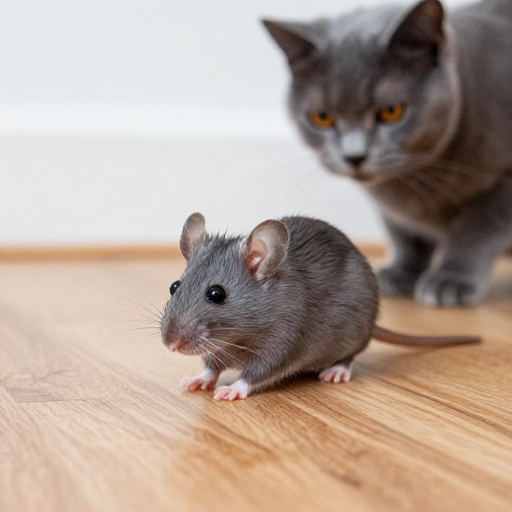
8. A “Gray” Mouse Is Actually a Gray Mouse
Think about a mouse. To us, a field mouse is a brownish-gray color. To a cat, it is simply gray. Their color vision makes them experts at seeing in low light, where color fades anyway.
This means the camouflage of a mouse works well against a brown floor or green grass. The mouse blends into the grayish-brown tones that the cat sees.
But again, the moment that mouse moves, the game is on. Color doesn’t matter when motion is detected.
9. Green Toys Might Look Gray to Them
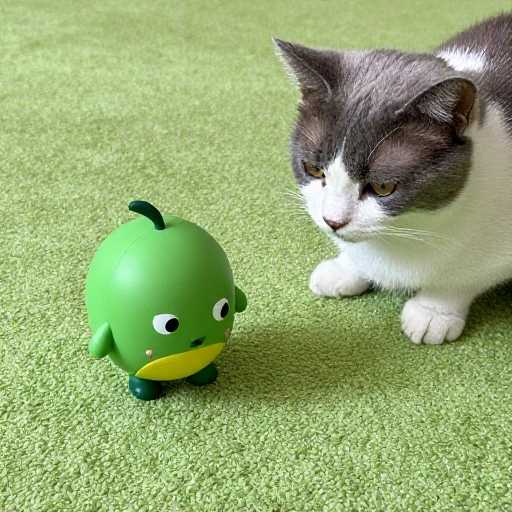
You probably have a lot of green toys for your cat. Think about it: green mice, green balls, green wands. To your cat, these likely look like a dull gray or beige.
This is why your cat might ignore a new green toy you just bought. It doesn’t stand out from the floor. It just looks like a boring, gray lump.
Try swapping it for a blue or yellow toy. You might be surprised at how much more interested your cat becomes.
10. Their Pupils Are Incredible Light Adjusters
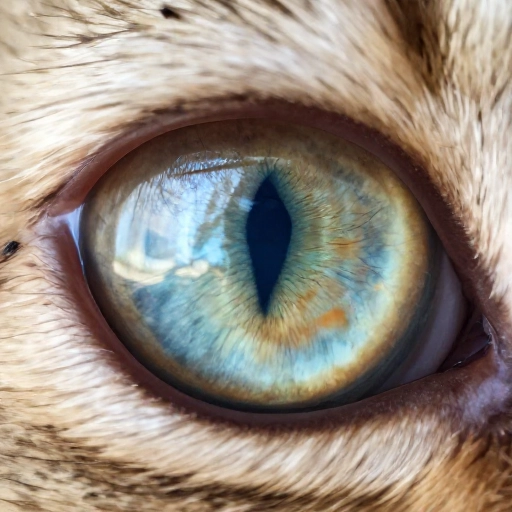
You’ve seen your cat’s pupils go from thin slits to big, dark circles. This is a superpower. Their pupils can change shape and size much more dramatically than ours.
A slit pupil in bright light protects their sensitive retinas. A huge, round pupil in the dark lets in every bit of available light. This allows them to see in a much wider range of light conditions than we can.
It’s like having a built-in dimmer switch for their eyes.
11. They See the World in Cooler Tones
Because they lack the cone for red, cats see the world in cooler tones. Blues, grays, and yellows dominate their vision. Reds, oranges, and pinks are absent or look like shades of gray.
Imagine a sunset. The beautiful orange and red streaks might just look like a bright, warm gray to a cat. The blue sky, however, would look vibrant.
Their visual world is like a constant, soft, cool-toned filter.

12. Vision Isn’t Their Top Sense
For humans, vision is our primary sense. For cats, it’s not. Their sense of smell and, most importantly, their hearing are far more important for navigating the world.
They use their vision to confirm what their ears and nose are telling them. A sound tells them where a mouse is, and then their eyes lock onto the movement.
So while their color vision is limited, their complete sensory package is perfectly designed for their life as a predator. They don’t need a full rainbow to be an amazing hunter.

Conclusion
Seeing the world through your cat’s eyes is pretty amazing. They don’t experience the bright, full spectrum of color that we do, but they have other incredible abilities. Their night vision, motion detection, and wide field of view make them perfect little hunters.
Next time you buy a toy, remember to pick blue or yellow. And the next time your cat stares at a wall, don’t worry—they probably just saw a tiny bug you missed. Our cats live in a beautiful, muted, and motion-filled world. And that world is perfectly made for them.
Frequently Asked Questions
Can cats see the color blue?
Yes! Blue is one of the colors cats see best. It appears bright and clear to them, which is why blue toys are a great choice.
Are cats completely colorblind?
No, not at all. They are red-green colorblind, meaning they see reds and greens as shades of gray or brown. But they can see blues and yellows very well.
What color toy is best for a cat?
Blue and yellow toys are the most visible to cats. They stand out best against most home backgrounds, like green grass or brown carpets.
Do cats see in the dark?
Not in total darkness, but they see incredibly well in very low light. They need only about one-sixth of the light that humans need to see clearly.
Why do my cat’s eyes glow at night?
That glow comes from the tapetum lucidum, a reflective layer behind the retina. It bounces light back through the eye, giving them a second chance to see it. This is what gives them such great night vision.