12 Road Trip Essentials Every Dog Needs
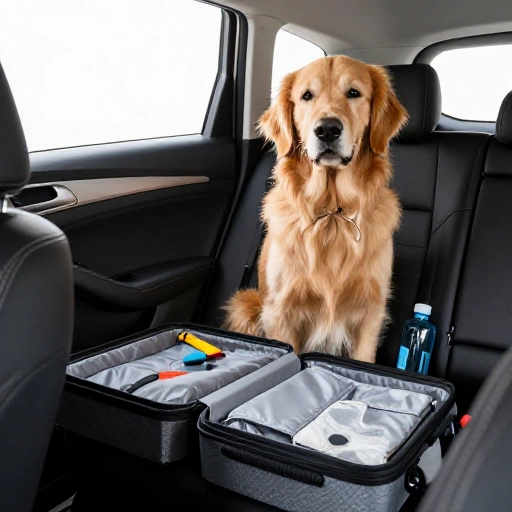
There’s nothing quite like the feeling of hitting the open road with your best friend by your side. My dog, a scruffy rescue named Ollie, has logged more miles in the backseat than most people do in a lifetime. We’ve learned a lot together—mostly by making mistakes and pulling over for emergency pit stops.
I used to think a leash and a bowl were enough. I was wrong. A dog road trip takes a little planning, but it’s totally worth it. The right gear makes the difference between a happy, relaxed pup and a stressed, messy backseat. Here are the twelve essentials I never leave home without.
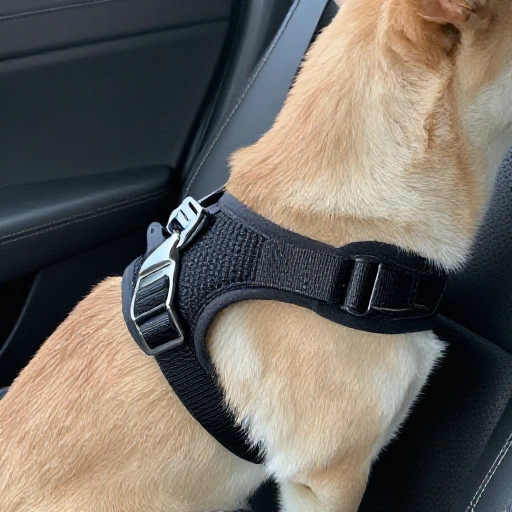
1. A Crash-Tested Dog Seat Belt or Carrier
Safety comes first. A loose dog in a car is dangerous for everyone—including your dog. I use a crash-tested harness that clips into the seatbelt. It keeps Ollie secure and gives him just enough room to sit or lie down.
If you have a small dog, a crash-tested carrier that you can buckle in is even better. It’s also a cozy den for nervous travelers. Trust me, this isn’t the place to save money.
2. A Spill-Proof Water Bottle
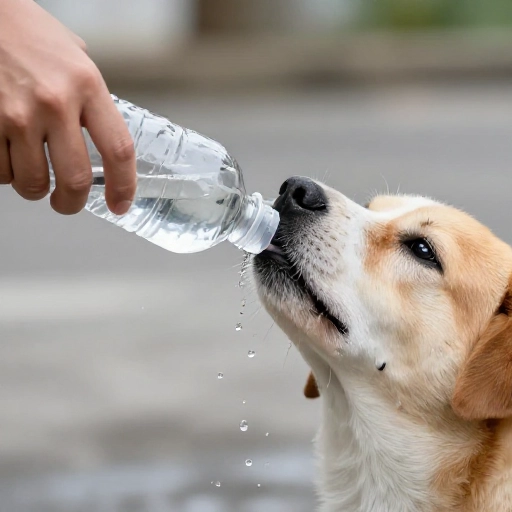
Stopping for water every hour is a hassle. I bring a travel water bottle with a built-in bowl. You press a button, water fills the tray, and your dog drinks. No splashing, no mess, no wet car seats.
Hydration is key, especially on warm days. I also freeze a second bottle so it stays cold for hours. Ollie drinks more when the water is cool.
3. A Portable Food Kit
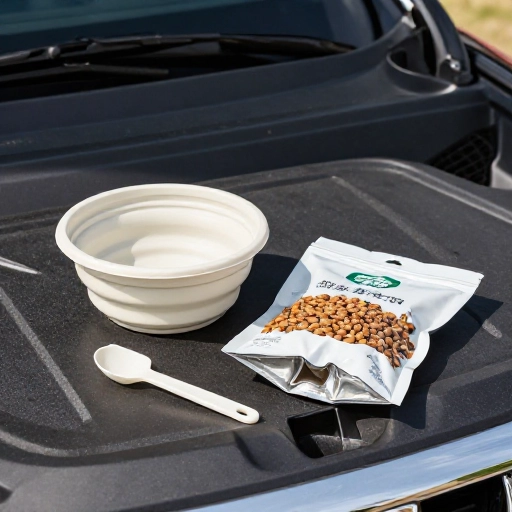
I pack Ollie’s meals in a small, airtight container. I also bring a collapsible silicone bowl that folds flat. No one wants to dig around for a metal bowl at a rest stop.
I measure out each meal into a baggie beforehand. That way, I can just pour and go. It saves time and keeps portions consistent. Also, don’t forget a few extra treats for good behavior.
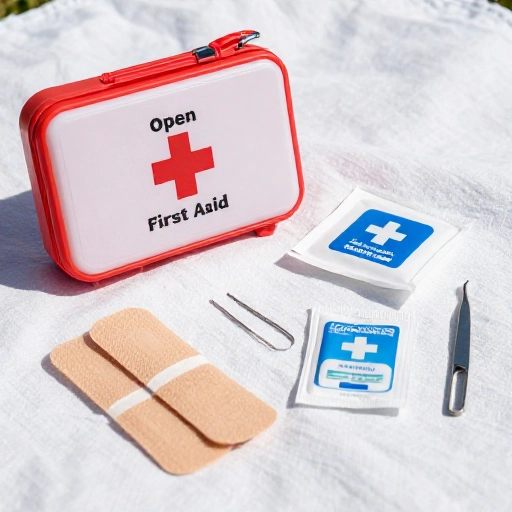
4. A Dog First Aid Kit
Accidents happen. I made my own kit with vet wrap (it sticks to fur), antiseptic wipes, tweezers for ticks, and a small pair of scissors. I also pack Benadryl (check dosage with your vet first) and a digital thermometer.
You can buy a pre-made kit, but I like knowing exactly what’s inside. Keep it in an easy-to-reach spot. You don’t want to dig through luggage when your dog steps on something sharp.
5. Familiar Comfort Items
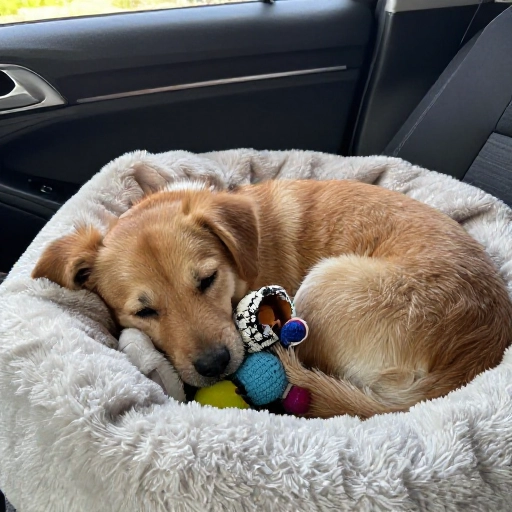
Bring your dog’s bed or a favorite blanket. The car will smell unfamiliar, and new places can be scary. A piece of home helps them settle down. I bring Ollie’s ratty old toy, too.
These items aren’t just for comfort. They also help your dog feel secure enough to sleep. A well-rested dog is a much better travel companion.
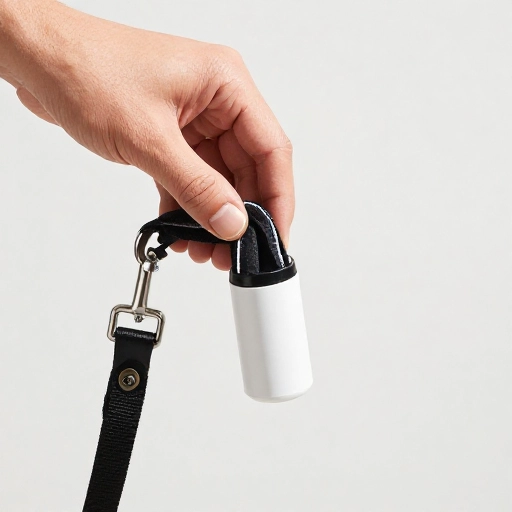
6. A Poop Bag Dispenser
This one seems obvious, but I’ve been caught without bags before. Never again. I clip a dispenser directly to my leash or my bag. I also stash a roll in the glove compartment.
Be a good guest. Pick up after your dog at rest stops, parks, and campsites. It keeps the world clean and makes everyone happier.
7. A Towel and a Wipe-Down Cloth
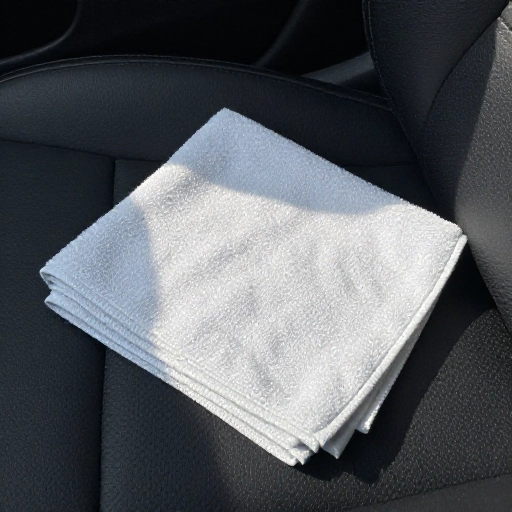
Dogs get dirty. Mud, rain, slobber, spilled water—it all ends up on your seats. I keep a dedicated “dog towel” in the car. It’s old and stained, and I don’t care about it.
I also pack a microfiber cloth for quick paw wipes before getting back in the car. It takes ten seconds and saves hours of cleaning later.
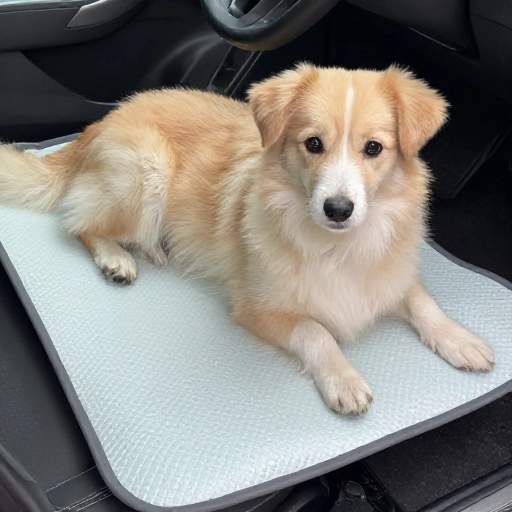
8. A Cooling Vest or Mat
Summer road trips can get hot fast. I use a cooling vest that I wet and wring out. The evaporation keeps Ollie cool for hours. A cooling mat works great for breaks, too.
Never, ever leave your dog alone in a hot car. But even with the AC on, direct sun can be intense. A cooling layer is a lifesaver.
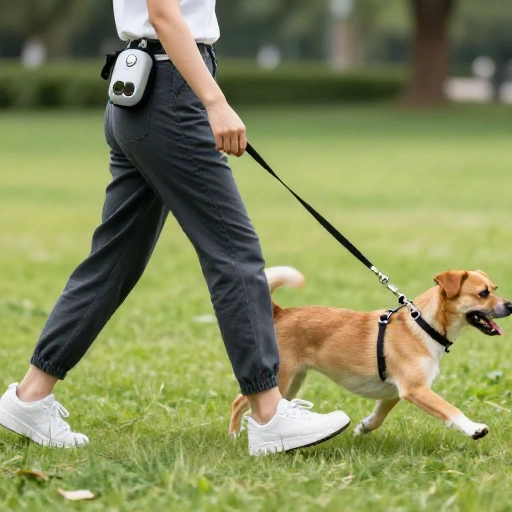
9. A Sturdy, Hands-Free Leash
A hands-free leash that goes around your waist is a game-changer. It leaves your hands free for bags, keys, or a coffee. It also keeps your dog close in crowded areas.
I use one with a traffic handle near the collar. That way, I can quickly grab it if we need to step out of the way of a car or another dog.
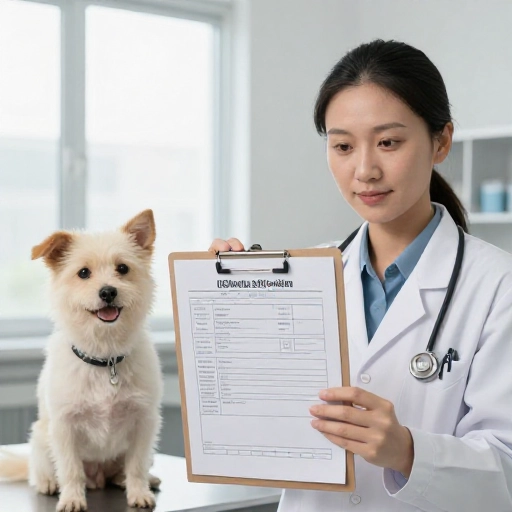
10. A Copy of Your Dog’s Records
Keep a printed copy of your dog’s vaccination records and a photo of their microchip number. I store them in a ziplock bag in the glove box. If something happens, you don’t want to be scrambling for information.
Also, write down your vet’s number and the number of an emergency vet near your destination. It’s a small step that gives huge peace of mind.
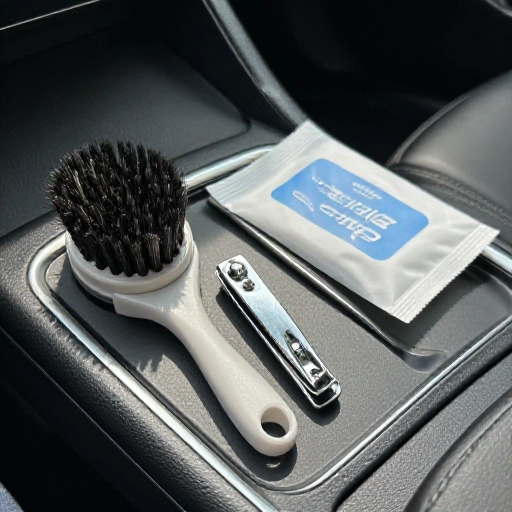
11. A Travel-Sized Grooming Kit
A brush, a small comb, and some dog-safe wipes. That’s all you need. The car gets messy, and your dog will get dusty. A quick brush keeps the fur off the seats and your clothes.
Wipes are great for cleaning paws, face, or any muddy spots. They’re also useful after a bathroom break if your dog steps in something unpleasant.
12. A Calming Aid (Just in Case)
Some dogs get anxious in the car. I bring a calming chew or a spray with natural pheromones. I only use it if Ollie seems stressed, but it’s nice to have the option.
Practice short drives before a big trip. Sometimes the best calming aid is a tired dog. A good long walk before you leave works wonders.
Traveling with your dog is one of life’s simple joys. The mess, the stops, the happy tail wags—it’s all part of the adventure. Pack these twelve items, and you’ll be ready for anything. Ollie and I have seen mountains, beaches, and deserts together. Every trip starts with a checklist. Now you have yours.
Frequently Asked Questions
1. How often should I stop for potty breaks on a road trip with my dog?
I stop every two to three hours. Puppies and senior dogs may need more frequent breaks. Always let them stretch and drink water.
2. Can I give my dog human food while on a road trip?
Stick to their regular food and treats. Human food, especially greasy or spicy options, can upset their stomach. Save the snacks for you.
3. What if my dog gets carsick?
Some dogs do. Try feeding them a light meal a few hours before driving. Keep the car cool and crack a window. Talk to your vet about motion sickness meds if it’s a regular issue.
4. Is it safe to let my dog stick their head out the window?
It’s risky. Debris can hit their eyes or nose. They could also jump out if they see something exciting. I keep the window cracked just enough for fresh air, but not for a head-out experience.
5. How do I find dog-friendly places to stay?
I always call ahead to confirm the pet policy. Many hotels list it online, but it’s best to double-check. Also, look for campgrounds or rentals that welcome dogs. A little research goes a long way.