13 Cat Shelves DIY Ideas That’ll Make Your Feline Feel Like a King
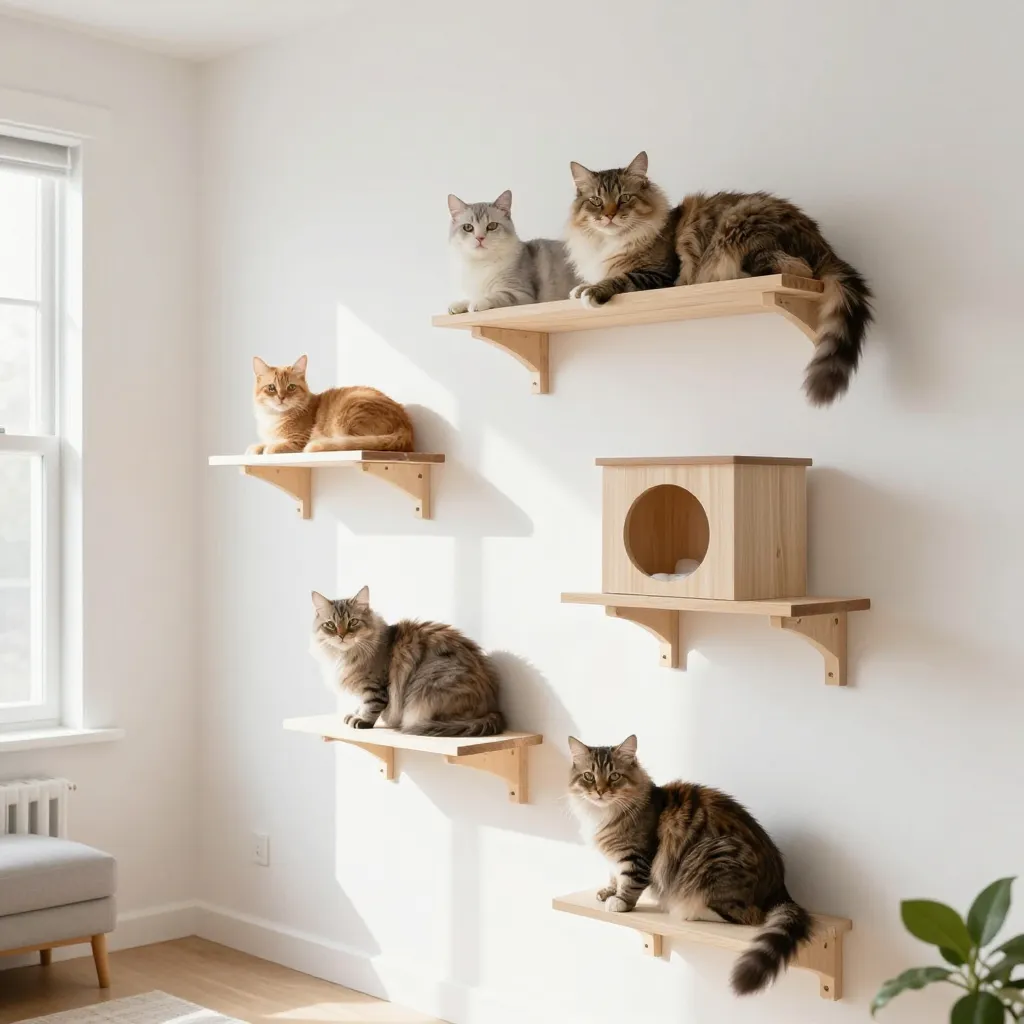
If you’ve got a cat at home, you already know they’re part acrobat, part explorer. They need vertical space to climb, perch, and nap in style. But store-bought cat furniture can be expensive and kind of ugly. That’s why I started building my own cat shelves.
I’m not a pro woodworker, and I promise you don’t need to be either. These 13 DIY cat shelf ideas are simple, budget-friendly, and perfect for small apartments or big houses. Your cat will have a whole wall jungle, and you’ll save tons of money. Let’s get building.
1. Floating Shelf with a Cozy Bed
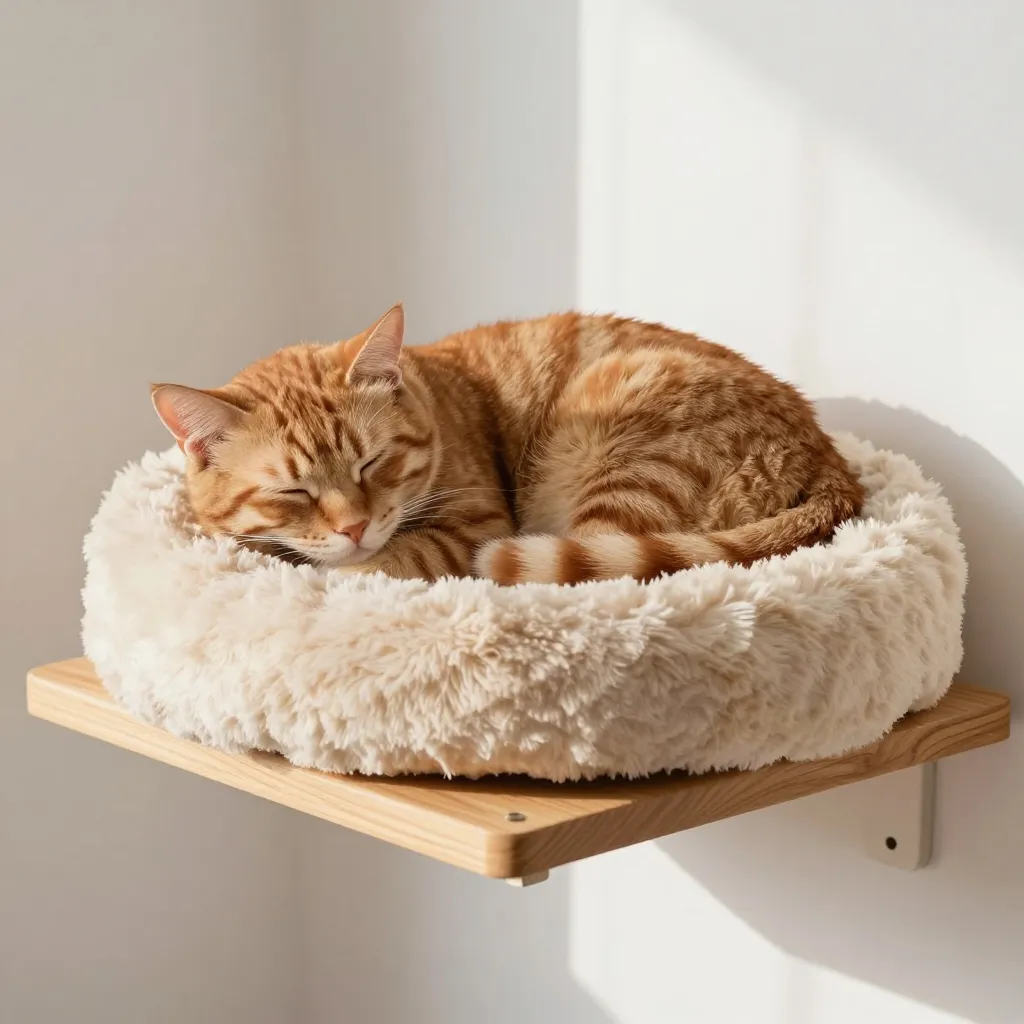
This is the easiest place to start. Grab a basic wooden shelf from the hardware store, paint it to match your wall, and attach it securely with L-brackets. Then, place a soft cushion or a small pet bed on top.
Your cat will love having a private lookout spot. I used a leftover memory foam pillow and sewed a washable cover. It took me less than an hour, and my cat uses it every morning to watch the birds.
- Use heavy-duty anchors if you’re mounting on drywall.
- Choose a shelf at least 10 inches deep for comfort.
2. Stair-Step Wall Shelves
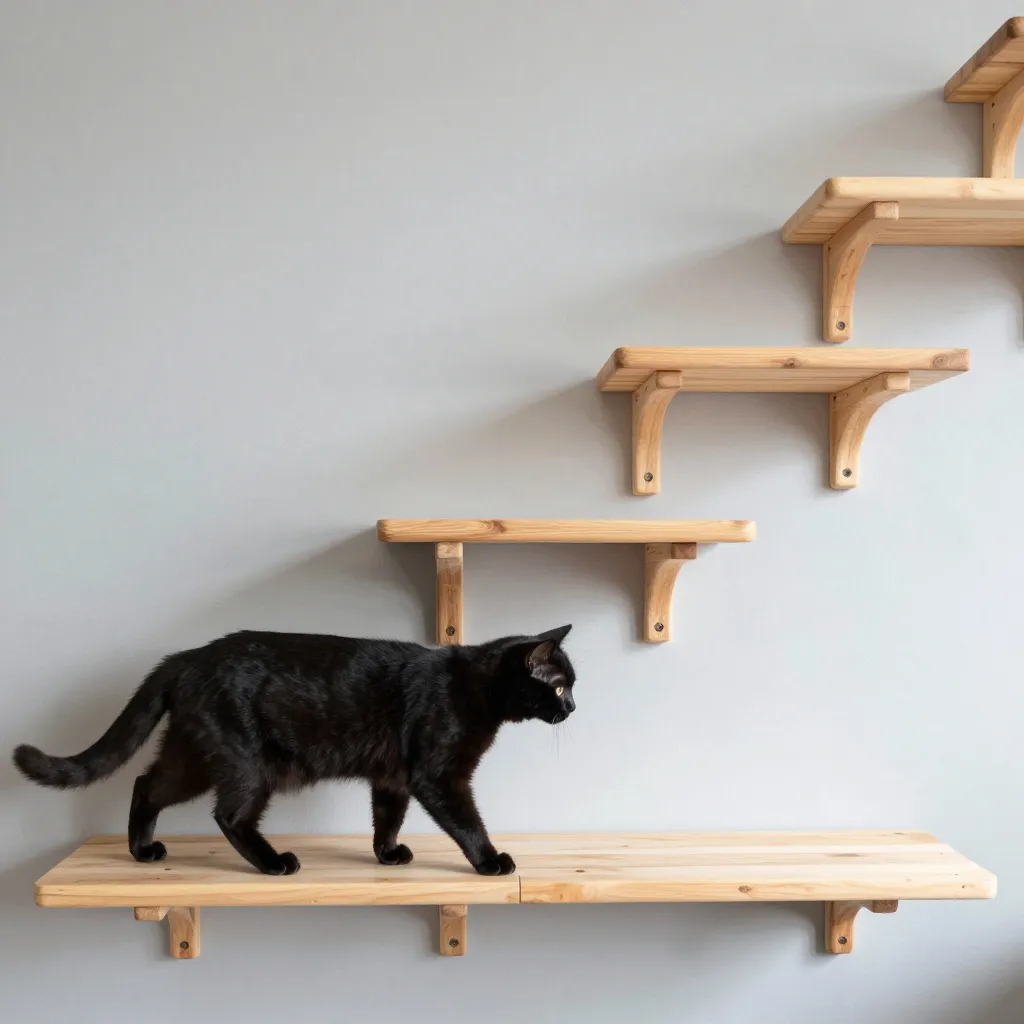
Think of these as a staircase for your cat to climb up the wall. Cut three or four wooden planks of the same size, then mount them in a staggered pattern going upward. Space them so your cat can hop from one to the next easily.
I used pine boards and stained them dark walnut. They blend right into my living room decor. My cat loves racing up and down her “stairway” when she gets the zoomies.
- Leave about 10–12 inches between each shelf.
- Sand the edges so they’re smooth on paws.
3. Corner Shelf Perch
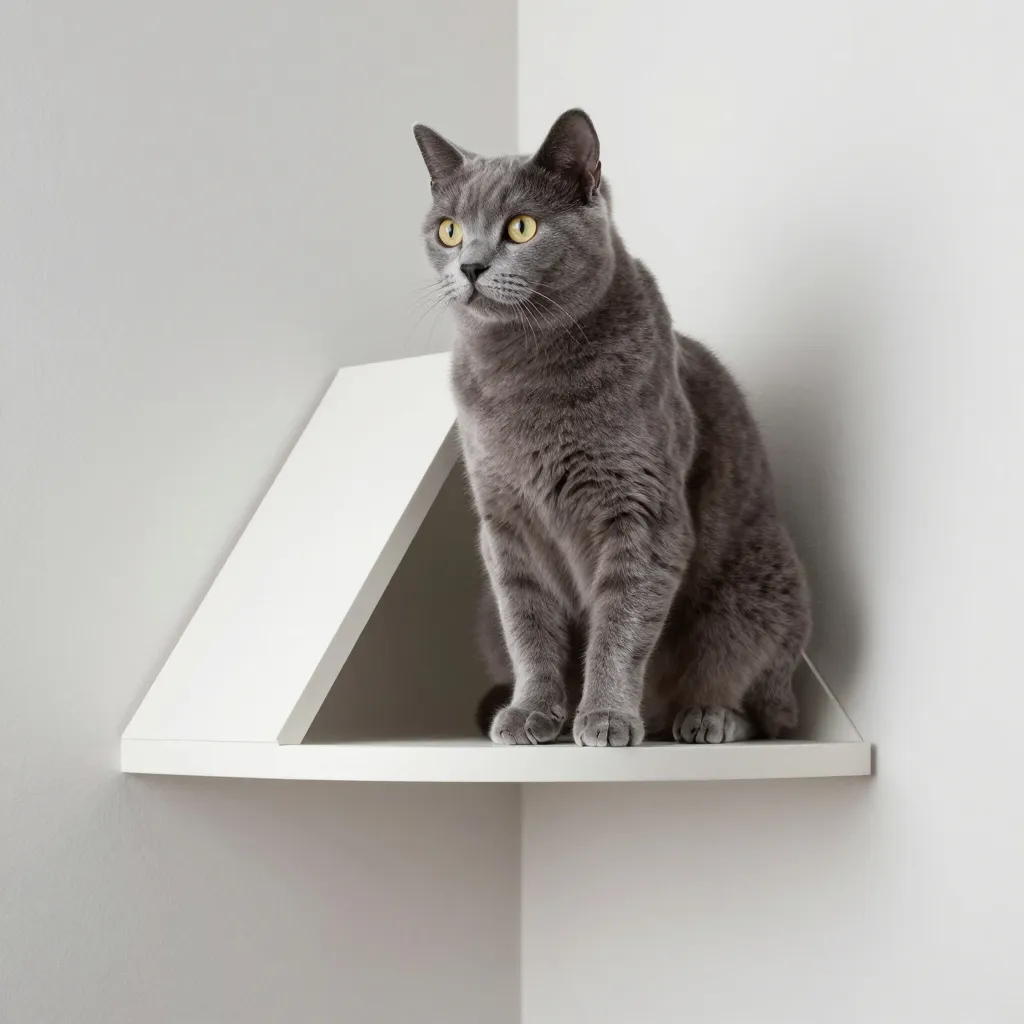
Corners often go unused, but they’re perfect for a triangular cat shelf. You can buy a pre-cut corner shelf or cut a square board into a triangle. Mount it with corner brackets so it sits snugly in the corner.
I added a soft fleece blanket on mine, and now it’s my cat’s favorite napping spot. It’s also a great way to use an empty corner without taking up floor space.
- Measure your corner angle first; most are 90 degrees.
- Add a small lip around the edge if your cat tends to slide off.
4. Ladder-Style Cat Shelves
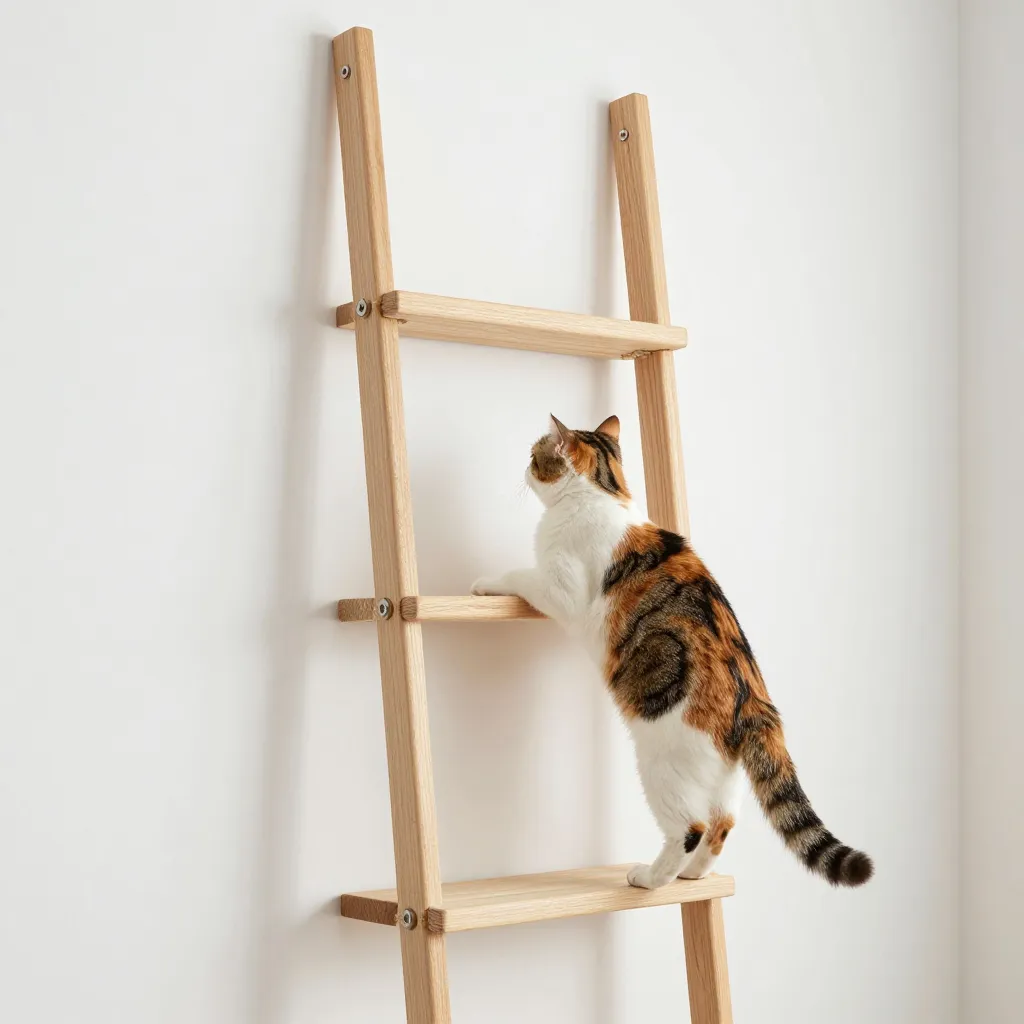
If you want a more rustic look, try building a simple wooden ladder and leaning it against the wall. Add short shelves between the rungs, or just let your cat use the rungs themselves as perches. Secure the ladder to the wall with brackets at the top.
I used an old wooden ladder I found at a garage sale. I sanded it down and added a few small platforms. It looks charmingly farmhouse and my cat loves climbing it.
- Make sure the ladder is stable and won’t tip.
- Wrap sisal rope around some rungs for scratching.
5. Shelf with a Hidden Tunnel
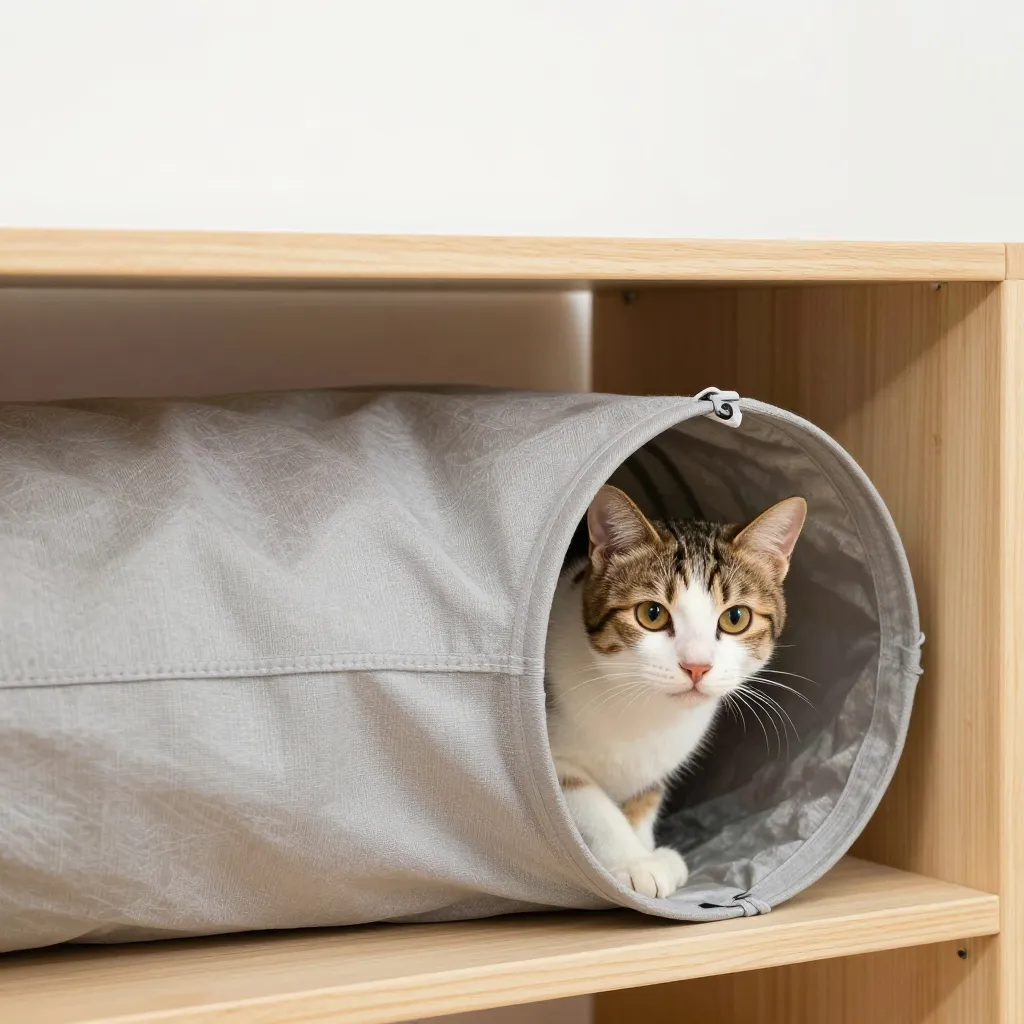
Cats love hiding, so why not build a shelf that doubles as a tunnel? Use a wooden box or a large PVC pipe, attach it to the wall, and put a shelf on top. Your cat can crawl inside or lounge on top.
I built a simple box out of plywood, painted it white, and cut a round hole on one side. My cat uses the inside as a cozy hideout and the top as a perch. It’s two shelves in one.
- Line the inside with a soft blanket.
- Make the hole at least 8 inches wide for most cats.
6. Hanging Rope Shelf
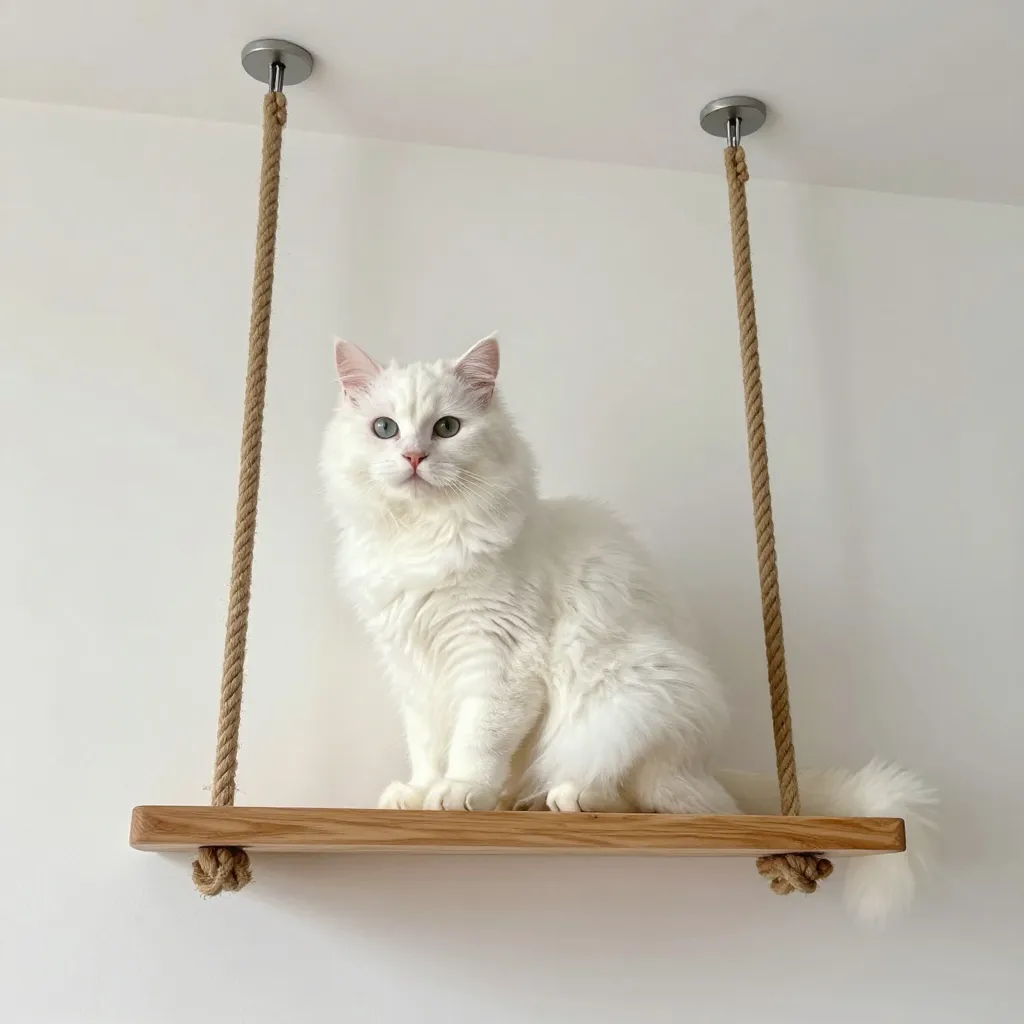
For a boho vibe, try a hanging shelf made from a wooden plank and thick rope. Drill holes in each corner of the plank, thread rope through, and tie knots underneath. Hang it from a strong ceiling hook or a wall bracket.
This one sways a little, which my cat finds fun. Just make sure the rope is rated for weight and the knots are tight. I used a 2×10 board and natural jute rope, and it looks beautiful.
- Check the ceiling weight limit before hanging.
- Add a cushion so the rope doesn’t pinch your cat.
7. Shelf with Built-In Scratching Post
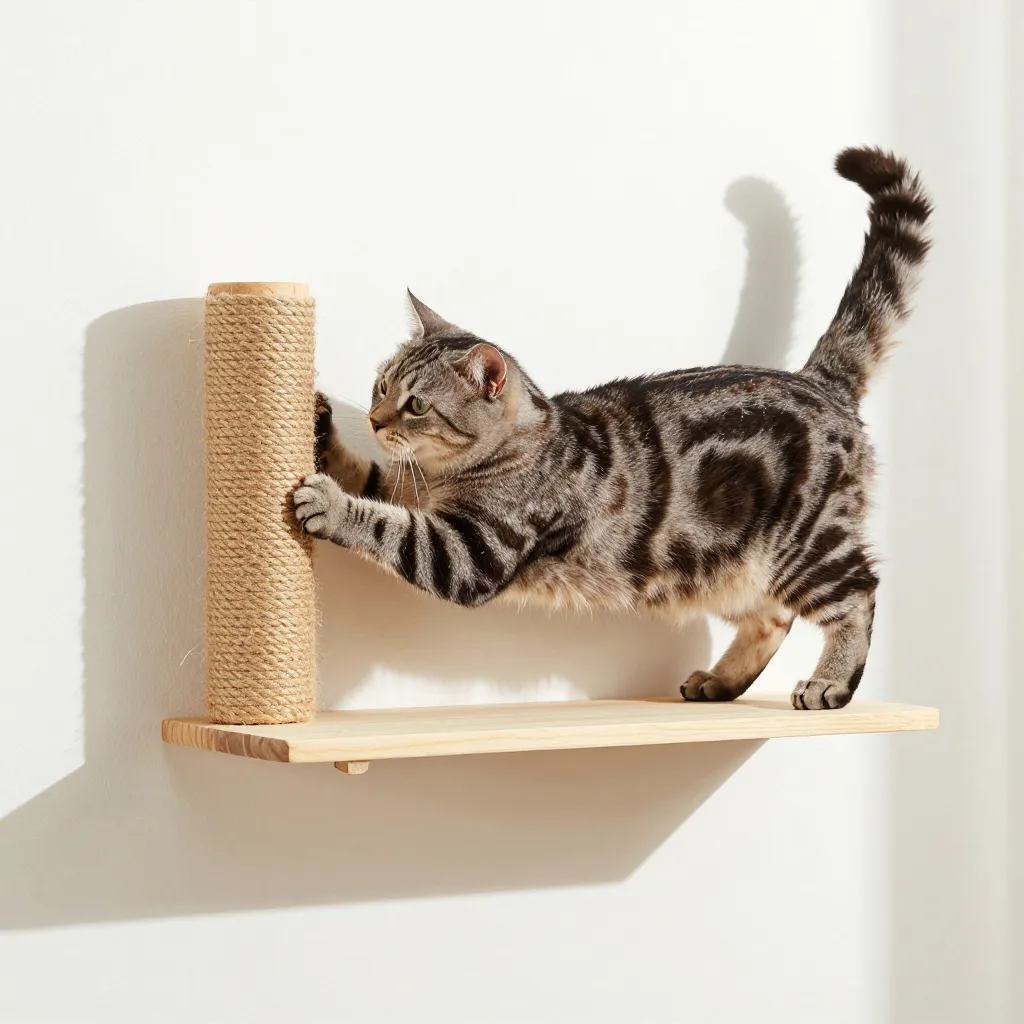
Combine a shelf with a scratching post for maximum function. Mount a wooden shelf as usual, then attach a sisal-wrapped post either below or beside it. Your cat can scratch and then hop up to lounge.
I screwed a thick dowel wrapped in sisal rope directly under one of my shelves. It’s my cat’s go-to spot for stretching and scratching. It also protects my furniture.
- Use real sisal rope, not synthetic, for texture.
- Make the post at least 18 inches tall for a good stretch.
8. Wall-Mounted Cat Walkway
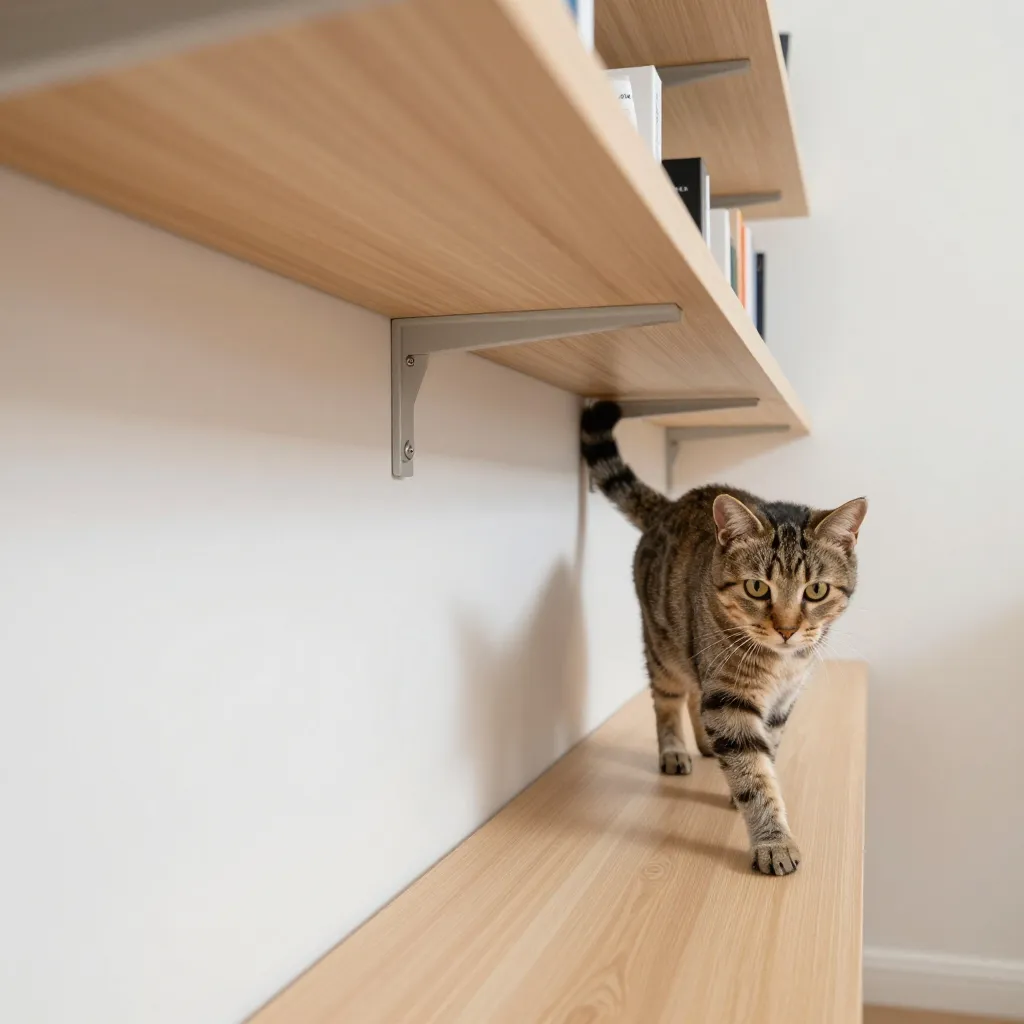
If you have a long hallway or a blank wall, install a series of narrow shelves in a straight line to create a cat walkway. Space them so your cat can walk or trot along them. I used 6-inch-wide boards and mounted them about 12 inches apart.
My cat parades along this walkway like she owns the place. It’s also great for keeping her off the kitchen counters—she prefers her own path.
- Use a level to keep the line straight.
- Add a small bump or lip so your cat doesn’t slip.
9. Cube Shelf Climber
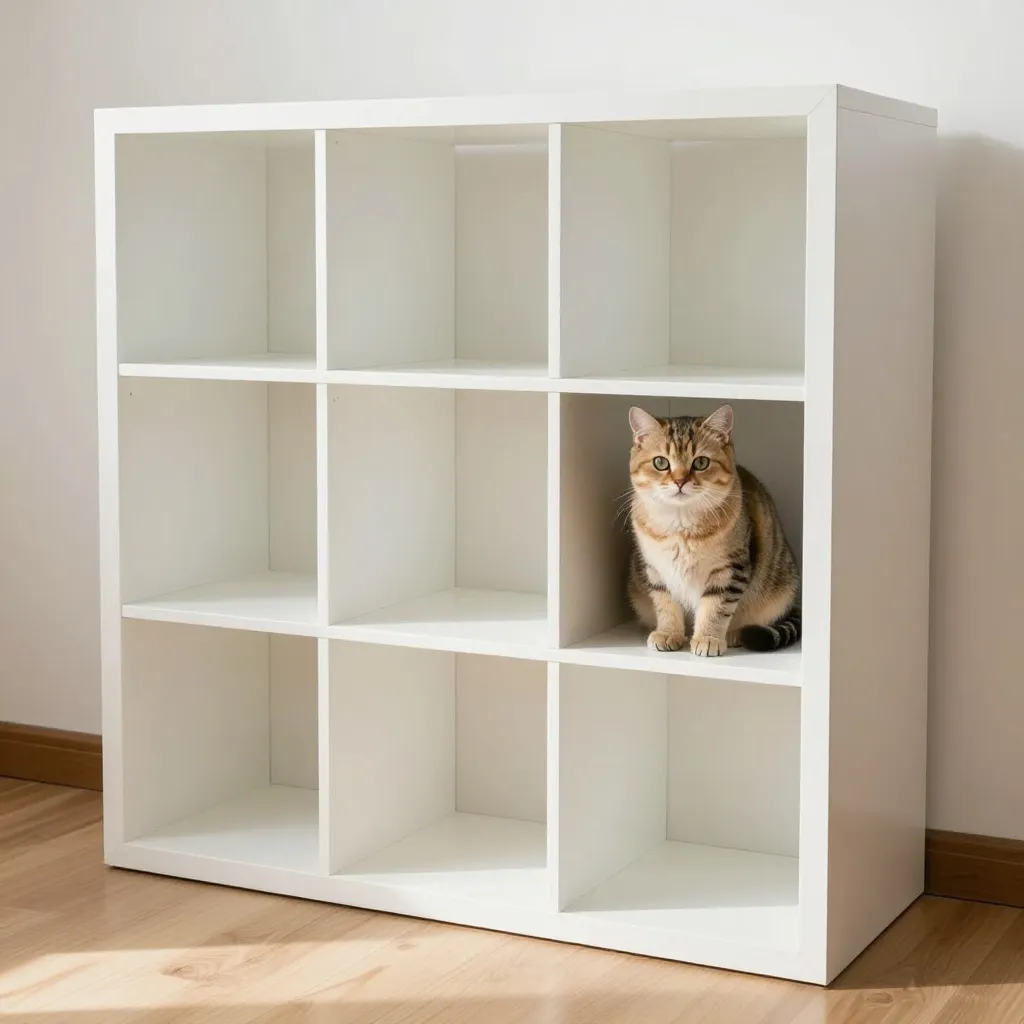
Take a simple cube storage shelf (like the IKEA Kallax style) and mount it horizontally on the wall. The cubes become little rooms for your cat to jump in and out of. Add cushions or toys in each cube.
I secured a 2×2 cube shelf to the wall with heavy-duty anchors. My cat loves hopping from cube to cube, and I love that it doubles as storage for my books.
- Anchor it to wall studs for safety.
- Leave some cubes empty for your cat to explore.
10. Shelf with a Built-In Hammock
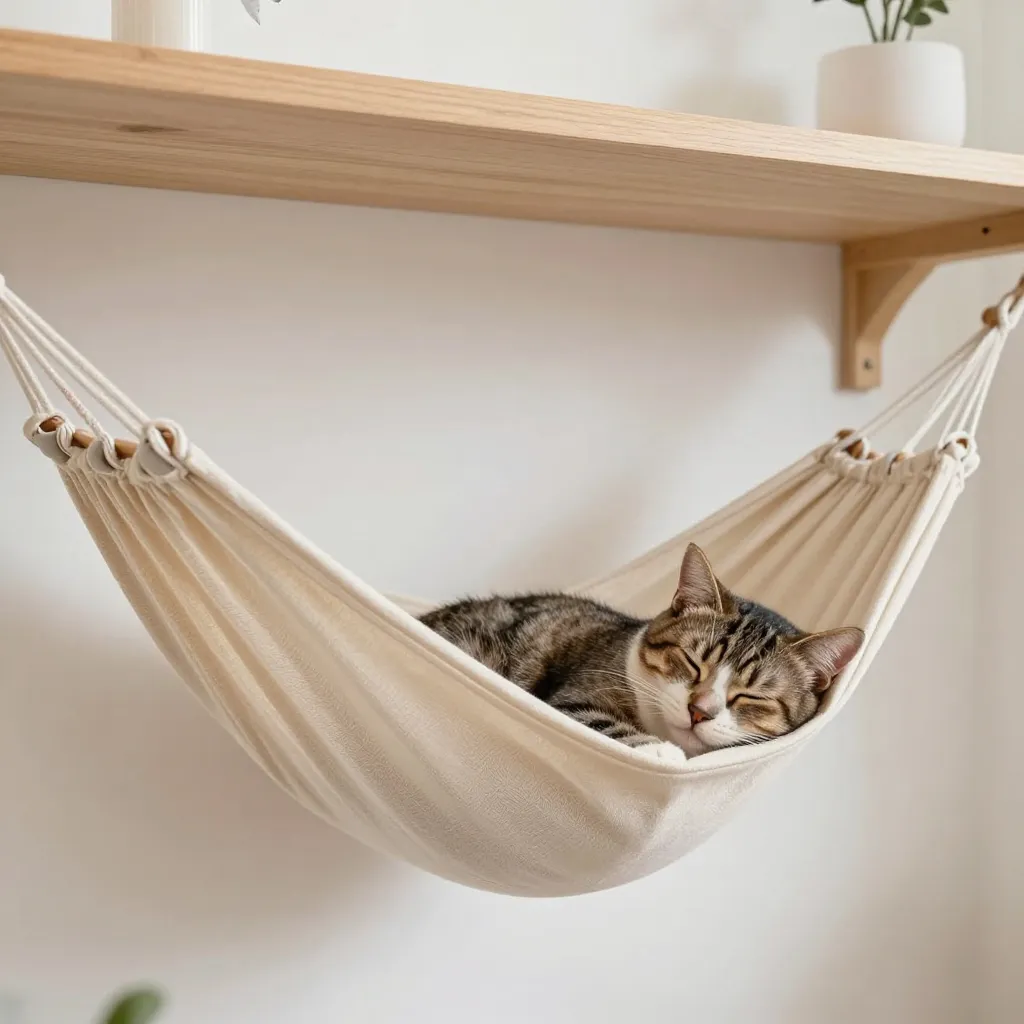
This one is pure luxury. Mount two wooden brackets on the wall, then stretch a piece of fabric or a small hammock between them. You can also use a wooden frame with fabric stretched inside.
I used a piece of denim from an old pair of jeans and sewed the edges. My cat curls up in it immediately. It’s like a hanging bed that saves floor space.
- Make sure the fabric is strong and tightly attached.
- Wash the hammock fabric regularly.
11. Shelf with a Plant Holder Combo
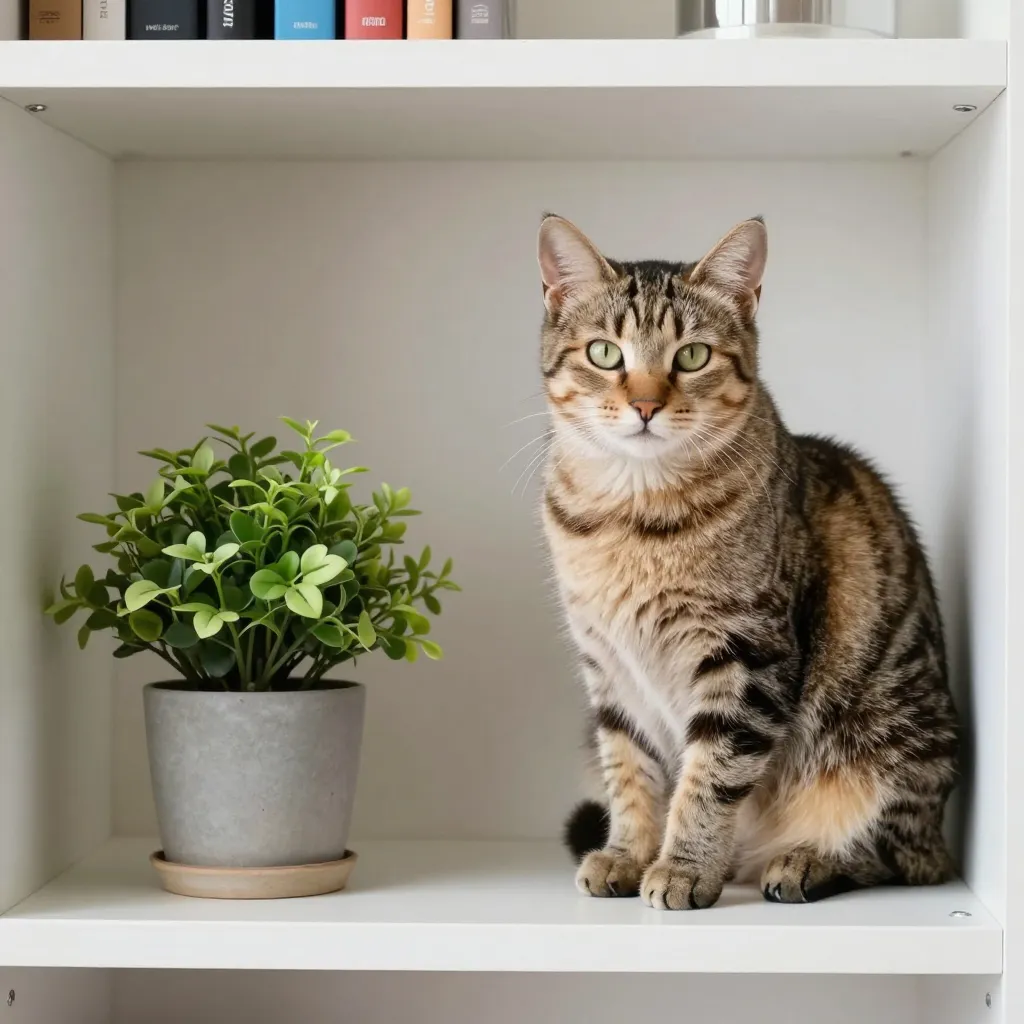
If you love plants and cats, this is for you. Build a shelf that has a section for a small potted plant (cat-safe, of course) and a section for your cat to sit. Use a split-level design or a shelf with a built-in planter box.
I made a simple rectangular shelf with a cutout for a pot. My cat sits next to the catnip plant and sniffs it contentedly. Just make sure the plants are non-toxic.
- Choose cat-safe plants like spider plants or cat grass.
- Keep the plant pot secure so it won’t tip over.
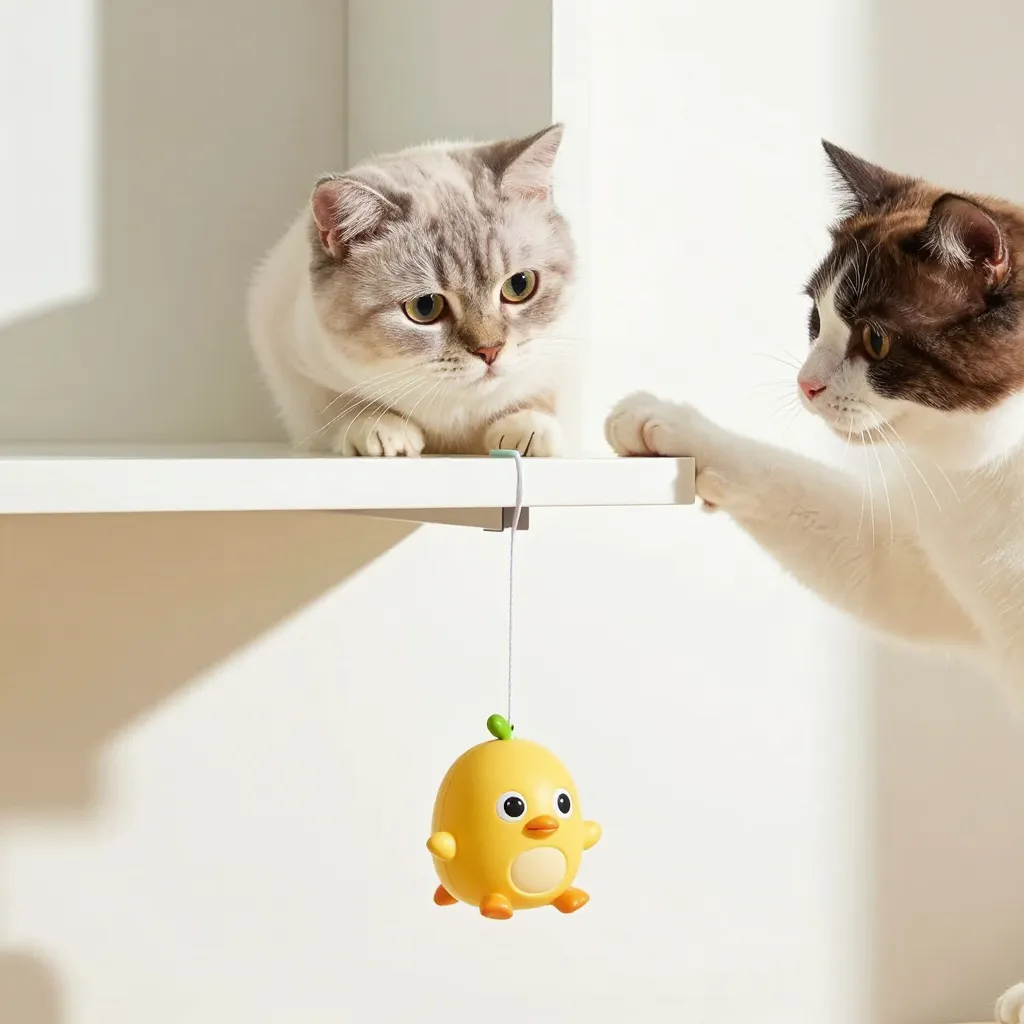
12. Shelf with a Toy Hanger
Add some fun to your cat’s shelf by attaching a dangling toy. Use a small hook or a piece of elastic cord to hang a feather toy or a small plushie below the shelf. Your cat can bat at it from the shelf or from the floor.
I tied a toy mouse on a bungee cord under one shelf. My cat spends hours swatting at it. It’s an easy way to keep her entertained when I’m busy.
- Use elastic so the toy bounces back.
- Replace the toy if it gets worn out.
13. Minimalist Single Shelf with Carpet
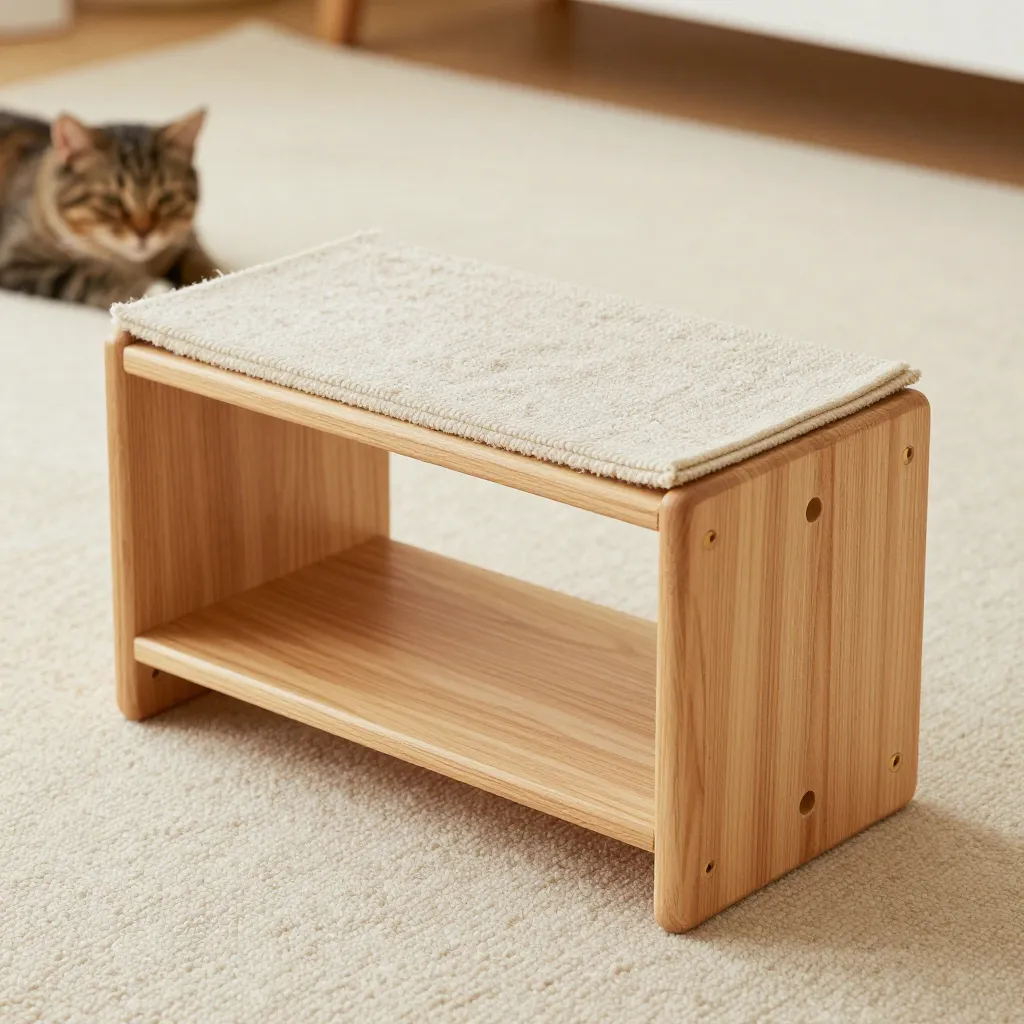
Sometimes simple is best. Mount one floating shelf, but cover the top with a piece of carpet or faux fur. The texture gives your cat grip and comfort. Use carpet glue or staples to attach it.
I used a scrap of berber carpet and it’s perfect. My cat loves the scratchy texture and it matches my neutral decor. It’s the cheapest and quickest idea on this list.
- Use carpet that’s easy to vacuum or spot clean.
- Make sure the carpet is securely attached so it won’t slide.
Conclusion
Building cat shelves doesn’t have to be complicated or expensive. Each of these 13 ideas can be adapted to your skill level, budget, and home style. Start with one shelf, see how your cat reacts, and then add more. Your cat will thank you with purrs and happy leaps.
I’ve found that my cat is calmer and more entertained since I built her a vertical playground. Plus, she leaves my curtains alone now. Give it a try—you and your cat will love the result.
Frequently Asked Questions
How do I make sure the shelves are safe for my cat?
Always mount shelves into wall studs or use heavy-duty drywall anchors rated for at least 50 pounds. Check the shelves monthly for wobbling or loose screws.
What kind of wood should I use?
Plywood or solid pine are great for beginners. They’re affordable, easy to cut, and strong enough for most cats. Sand them smooth to prevent splinters.
Can I install cat shelves in a rental apartment?
Yes, but use removable adhesive strips or brackets that don’t damage walls. You can also use temporary wall anchors and patch the holes before moving out.
How high should I mount the shelves?
Start low (about 2–3 feet off the ground) and go higher as your cat gets confident. Leave enough space between shelves for easy jumping, usually 10–15 inches.
What if my cat ignores the shelves?
Try placing treats or catnip on the shelves at first. You can also play with a wand toy near the shelves to encourage your cat to jump up. Patience works best.