Warning: Yeast Overgrowth in Dogs (Symptoms & Cures)
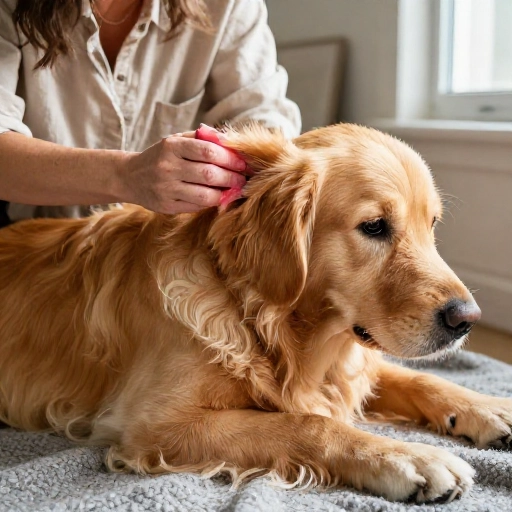
I still remember the day I realized my dog’s “doggy smell” wasn’t normal. His paws were pink, he licked them raw, and his ears had that sour, musty odor. A vet tech friend said, “That sounds like yeast.”
Yeast is a fungus that naturally lives on your dog’s skin, ears, and gut. In small amounts, it’s harmless. But when it grows out of control, it turns into a stubborn, itchy, smelly problem that can make your dog miserable.
In this post, I’m sharing the symptoms I wish I’d noticed sooner, the causes behind yeast overgrowth, and the cures and daily habits that finally helped my dog feel like himself again.
1. What Exactly Is Yeast Overgrowth in Dogs?
Yeast overgrowth in dogs usually means an explosion of Malassezia pachydermatis, a fungus that normally lives quietly on your dog’s skin. It’s not a worm, virus, or rare germ. It’s a natural resident that suddenly goes rogue.
When your dog’s skin barrier is healthy and their immune system is strong, yeast stays in balance. But when allergies, moisture, poor diet, or stress weaken that defense, yeast multiplies fast.
Think of it like a party crasher. One or two uninvited guests are easy to ignore. A hundred of them? They take over the whole house. That’s yeast overgrowth.
2. The Smell That Won’t Quit: Early Warning Sign
The first sign for me was the smell. It wasn’t just “wet dog.” It was musty, sour, and a little like corn chips or Fritos. It clung to his paws, ears, and neck.
If your dog smells yeasty even after a bath, that’s a red flag. A normal clean dog shouldn’t have a strong, sour odor within a day or two.
I used to cover it up with doggy cologne. Big mistake. That only masked the problem while the yeast kept growing underneath.
3. Itchy Paws, Red Skin, and Constant Licking
Yeast loves warm, moist places — and paws are prime real estate. My dog licked and chewed his feet until the fur turned rusty brown. That reddish stain is from saliva, not dirt.
Other common skin signs include:
- Red, inflamed skin between the toes
- Thick, leathery patches on the belly or armpits
- Head shaking or scratching at the ears
- Greasy or flaky skin that won’t clear up
If your dog is itchier than usual and the skin looks angry, yeast could be the hidden culprit. I learned that constant licking is not a habit — it’s a cry for help.
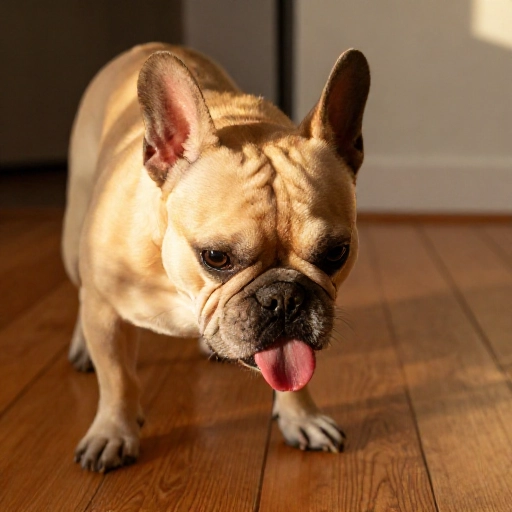
4. Ear Infections and Head Shaking
Yeast overgrowth in dogs often shows up in the ears. The ear canal is dark, warm, and sometimes moist — basically a five-star hotel for fungus.
Signs to watch for include head shaking, scratching at one or both ears, and a brown or black waxy discharge. The ear might smell sweet, musty, or downright gross.
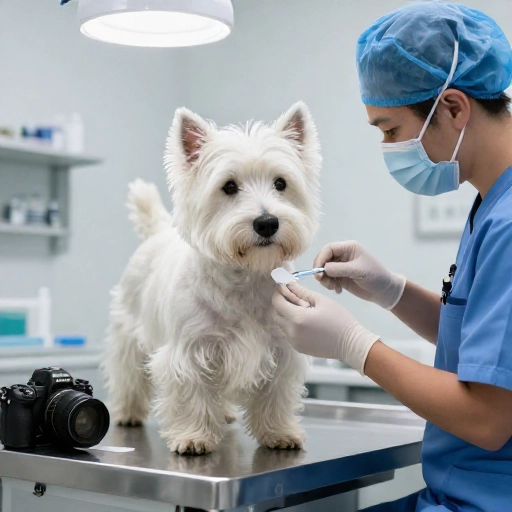
My dog would tilt his head and rub his ear on the carpet. I thought it was cute until the vet showed me the yeast under the microscope. If your dog has repeat ear infections, ask your vet to check for yeast, not just bacteria.
5. Digestive Clues: Gas, Loose Stool, and Food Sensitivities
Yeast doesn’t just live on the skin. It can also overgrow in the gut. When that happens, you might notice gas, bloating, loose stool, or a dog that seems to react to every new food.
I kept a food diary for two weeks. That’s when I saw the pattern: extra treats and carb-heavy meals made his itching worse within hours. It wasn’t a coincidence.
Some dogs with gut yeast also get itchy ears or paws after eating certain grains or sugary snacks. If your dog’s digestion is off and their skin is flaring, the two may be connected.
6. Why Yeast Takes Over: Moisture, Allergies, and Immune Stress
Yeast overgrowth rarely happens for one single reason. It’s usually a pile-up of small triggers. Allergies are a huge one — environmental or food allergies keep the skin inflamed, and yeast moves right in.
Moisture is another big trigger. Swimming, humid weather, wet paws, and even tight collars can create damp pockets where yeast thrives. Antibiotics and steroids can also throw off the natural balance.
Poor diet, stress, and underlying health issues can weaken the immune system too. When the body can’t keep yeast in check, it takes over. I stopped blaming my dog and started looking at the whole picture.
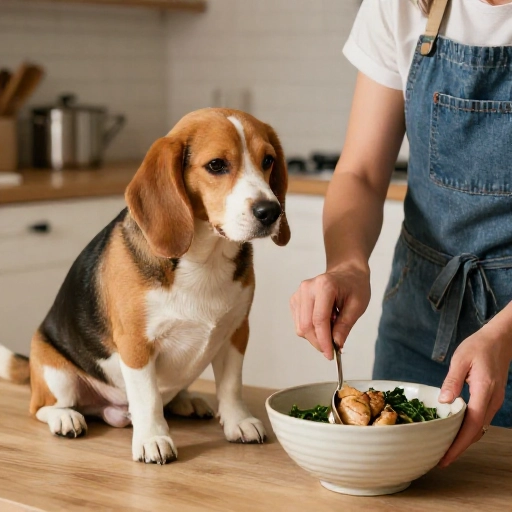
7. Diet Changes That Starve the Yeast
Yeast feeds on sugar and simple carbohydrates. That means sugary treats, white rice, corn, wheat, and even some fruits can fuel the fire. I cut those back drastically.
Instead, I focused on:
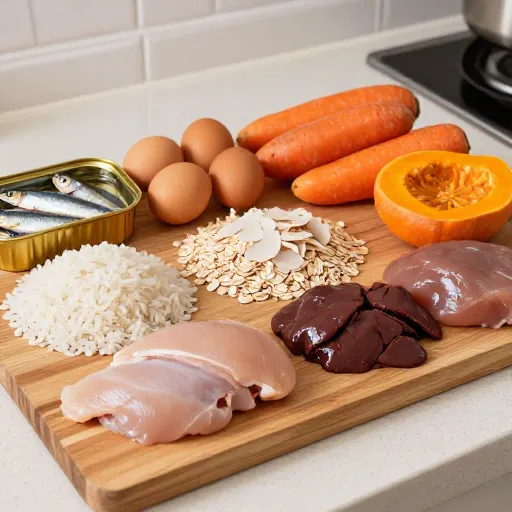
- Lean animal protein like chicken, turkey, or fish
- Low-starch vegetables like green beans, zucchini, and broccoli
- Omega-3 fatty acids for skin support
- Probiotics to rebuild good gut bacteria
Some dogs do best on a limited-ingredient diet or a vet-formulated hypoallergenic food. I’m not a vet, so I asked mine before making big changes. But for my dog, less sugar meant less yeast.
8. Natural Cures and Home Support That Actually Help
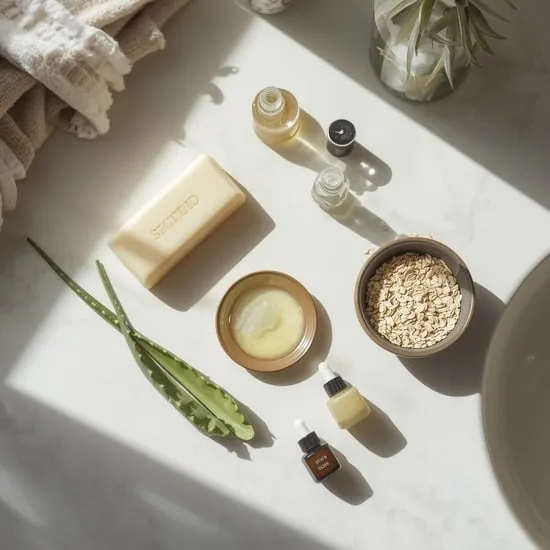
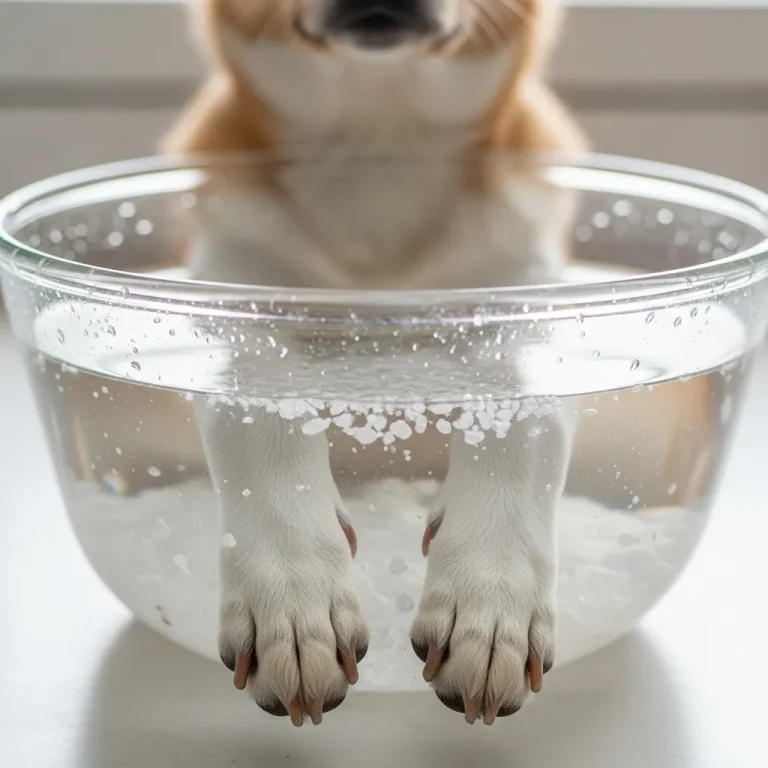
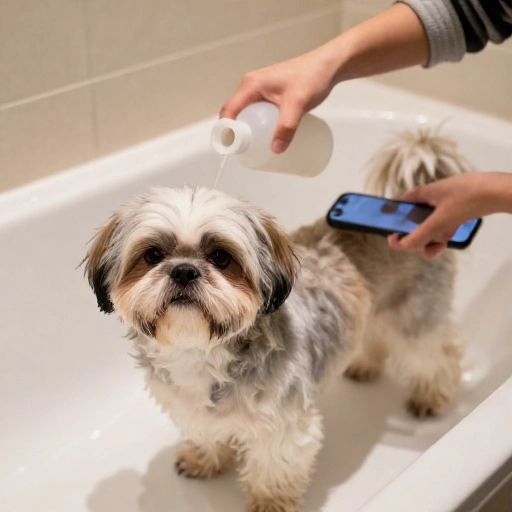
I’m a fan of gentle home support, but I always run it by my vet first. For mild yeast issues, I used diluted apple cider vinegar paw soaks, coconut oil on dry patches, and colloidal oatmeal baths for itching.
Probiotics made a noticeable difference in my dog’s gut and skin. I also kept his paws and ears bone-dry after every walk, bath, or swim. Yeast hates dry, balanced skin.
Other helpful habits included washing his bedding weekly, using fragrance-free dog shampoo, and avoiding harsh chemicals that strip the skin. Natural doesn’t mean weak — but it does mean consistent.
9. Vet Treatments: When to Bring in the Big Guns
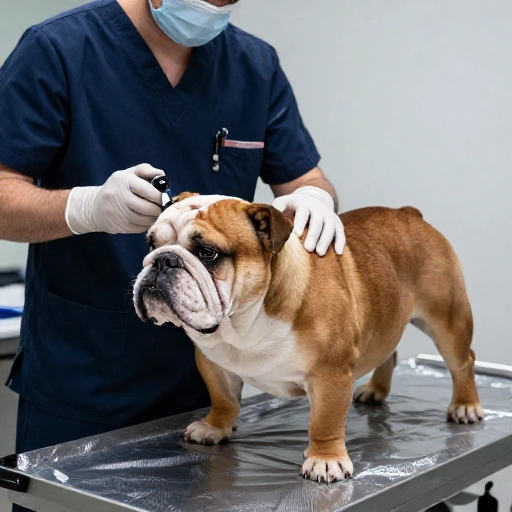
If home care doesn’t improve things in a week or two, it’s time for the vet. Yeast overgrowth can be stubborn, and waiting too long lets it dig deeper into the skin and ears.
Your vet may prescribe antifungal medications, medicated shampoos, ear drops, or oral drugs. If there’s a bacterial infection on top of the yeast, antibiotics might be needed too.
I learned the hard way not to stop treatment early. Even when my dog looked better, the yeast wasn’t fully gone. Finishing the full course made a huge difference in keeping it from coming back.
10. Prevention: Keeping Yeast From Coming Back
Once we got my dog’s yeast under control, I became a little obsessive about prevention. Dry ears after every bath. Dry paws after every rainy walk. No more sugary treats just because he gave me puppy eyes.
I also keep his diet stable, add probiotics daily, and wash his bedding and toys regularly. Small habits add up. A weekly paw and ear check helps me catch problems before they explode.
Stress matters too. Big changes, travel, or new pets can trigger flare-ups. Keeping routines calm and predictable has helped my dog stay comfortable and itch-free.
My Final Take on Dog Yeast Overgrowth
Yeast overgrowth in dogs is frustrating, but it’s not a life sentence. The key is paying attention to the early signs — the smell, the licking, the head shaking — and treating the root causes, not just the symptoms.
For me, the winning combo was diet changes, probiotics, dry ears and paws, and a vet who helped me stay on track. If your dog is itchy, smelly, or uncomfortable, don’t wait. Your pup can’t tell you what’s wrong, but their body is giving you clues.
FAQ: Yeast Overgrowth in Dogs
Q: What does yeast overgrowth smell like on a dog?
A: It often smells musty, sour, or like corn chips. The odor is usually strongest on the paws, ears, and skin folds.
Q: Can I cure my dog’s yeast infection at home?
A: Mild cases may improve with diet changes, probiotics, and keeping the skin dry. But stubborn or severe yeast infections need vet treatment. Always check with your vet first.
Q: What foods make yeast overgrowth worse in dogs?
A: Sugary treats, white rice, corn, wheat, and other simple carbs can feed yeast. Many dogs do better on a low-carb, high-protein diet.
Q: How long does it take to clear up yeast overgrowth?
A: Mild cases may improve in 1–2 weeks with consistent care. More severe cases can take several weeks or even months, especially if allergies are involved.
Q: Is yeast overgrowth contagious to other pets or humans?
A: The yeast itself is not usually contagious in the normal sense. But if your dog has an underlying allergy or immune issue, other pets in the home may have similar triggers.