10 Clever & Easy DIY Dog Diaper Patterns for Your Pup (Step-by-Step)
Let’s be real—dog diapers aren’t the most glamorous topic, but they are a lifesaver. Whether you have a senior dog with leakage, a female in heat, or a puppy who hasn’t quite mastered potty training, having a few homemade diapers in your rotation just makes life easier.
I used to spend way too much money on disposable diapers that never fit right. My little senior dachshund, Bella, would wiggle right out of them. That’s when I started making my own. Not only do they actually stay on, but they’re also washable, customizable, and way cuter than anything from a box. Here are ten patterns I’ve tried and loved—each one is simple to sew (or even no-sew if you prefer).
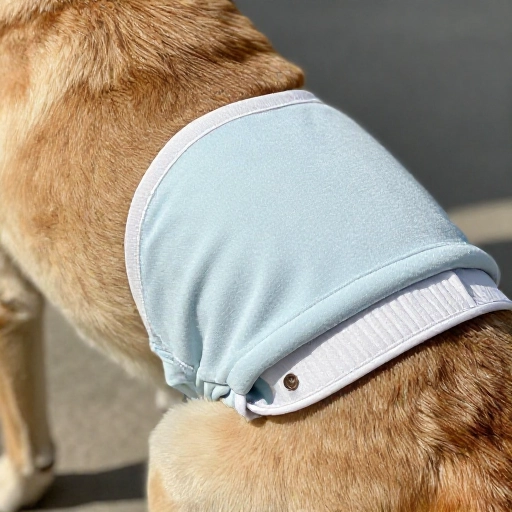
1. The Classic Belly Band (Best for Male Dogs)
This is the simplest pattern to start with, especially if your male dog marks furniture or has a weak bladder. You’re basically making a wrap that goes around his belly.
You’ll need a rectangle of soft cotton or fleece, plus a strip of absorbent fabric like an old towel. Fold the absorbent layer inside the cotton, stitch around the edges, and add Velcro on the ends. The key is measuring the circumference of your dog’s belly so it’s snug but not tight.
I keep a stack of these ready to go. They’re so easy to change out when one gets soiled.
2. The No-Sew T-Shirt Diaper (Perfect for Beginners)
Don’t own a sewing machine? No problem. Grab an old cotton t-shirt—preferably one that’s a bit stretchy. Lay it flat and cut the sleeves off. Then, cut the bottom hem into a long strip to use as a tie.
Wrap the shirt around your dog’s waist, pull the tail end between their back legs, and tie it snugly over the back. This is a temporary fix that works wonders for females in heat. It’s not fancy, but it gets the job done in a pinch.
I’ve used this trick when traveling and suddenly realized I forgot the real diapers at home.
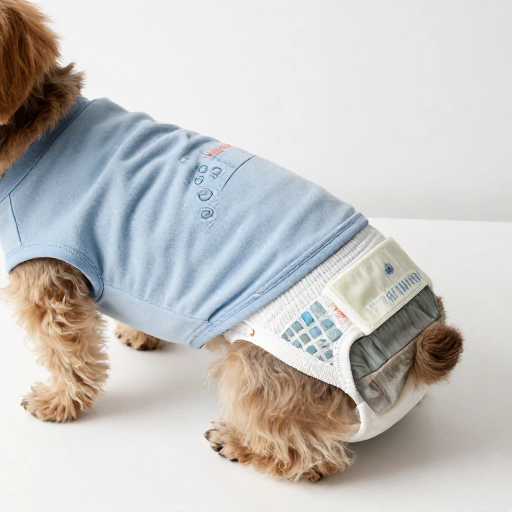
3. The Washable Wrap-Around with Suspenders
If your dog is a Houdini and manages to kick off every diaper, this pattern is for you. You make a rectangular pad that wraps around the waist, and then add two fabric strips that go over the shoulders like suspenders.
The suspenders clip to the front of the diaper with buttons or snaps. It keeps everything in place even during zoomies. I use flannel on the outside and a layer of cotton batting inside for absorbency.
Bella has never slipped out of this one. It’s my go-to for overnight use.
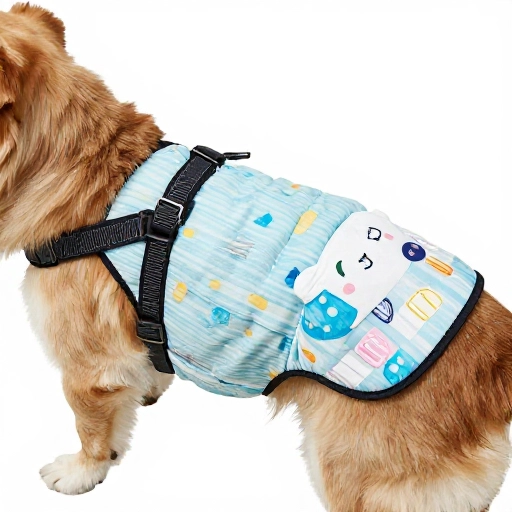
4. The Belly Band with Elastic Edges
This is an upgrade to the classic belly band. Instead of just fabric and Velcro, you add elastic along the top and bottom edges. This creates a better seal around your dog’s waist and prevents the diaper from sliding down.
Use 1/4-inch elastic and sew it into the hem as you go. It sounds tricky, but it’s actually very forgiving. The elastic helps the diaper conform to your dog’s shape, which is great for dogs that are between sizes.
I noticed a huge difference in leakage once I switched to elastic edges.
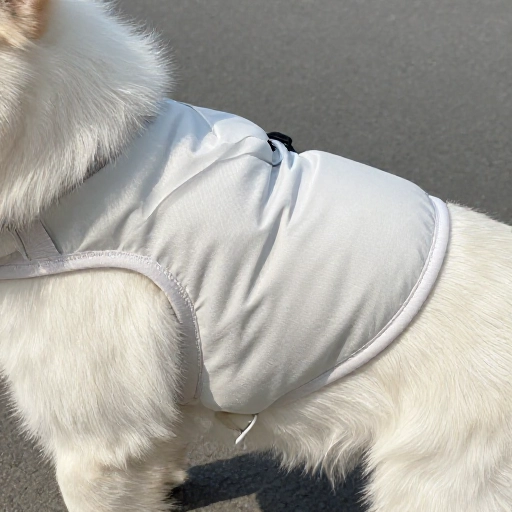
5. The Feminine Hygiene Pad Insert (For Extra Absorbency)
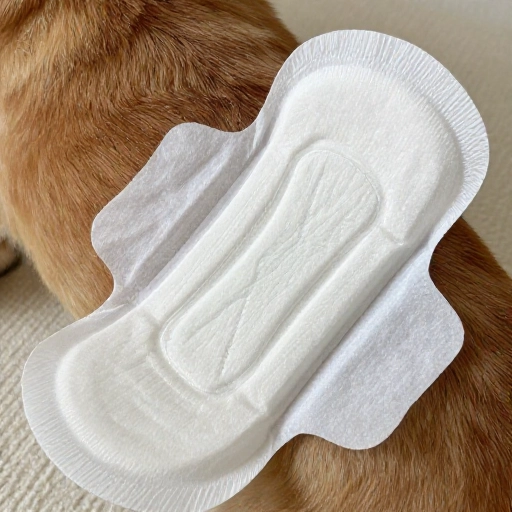
This isn’t a full pattern, but a trick you can add to any diaper. Sew a small pocket inside the diaper—just a rectangle of fabric open at the top. Then, slip a reusable or disposable feminine pad inside.
This is a game-changer for heavy flow days or dogs with incontinence. The pad catches the bulk of the mess, and the diaper itself stays relatively clean. You can just swap out the pad without changing the whole diaper.
I do this for my senior dog at night. It means less laundry in the morning.
6. The Tail Hole Diaper (For Dogs Who Hate the Traditional Fit)
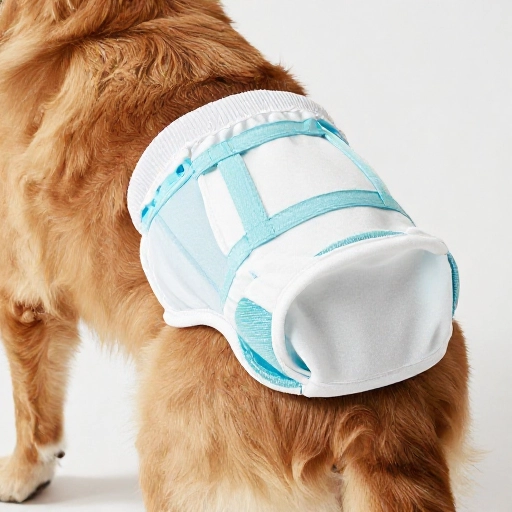
Some dogs just hate having their tail covered. This pattern solves that by cutting a small hole for the tail to poke through. You start with a standard rectangle diaper, but you cut a slit or oval near the back edge.
Finish the hole with bias tape or a simple hem so it doesn’t fray. The tail goes through the hole, and the diaper sits comfortably around the base of the tail. It’s a small change that makes a big difference for dogs like huskies or corgis.
My friend’s corgi actually wags his tail when he wears this one.
7. The Reusable Cloth Diaper Pad (Foldable & No Sewing Required)
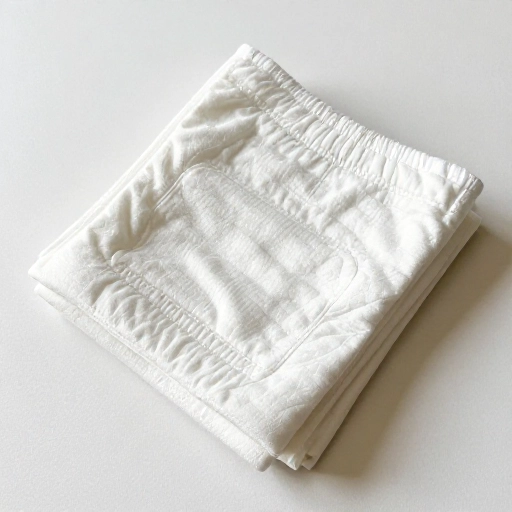
If you want the least amount of work possible, make a foldable pad. Cut a large rectangle of absorbent fabric (like a flour sack towel or an old flannel sheet). Fold it into thirds lengthwise, then fold the ends toward the center.
Place this pad inside a diaper cover (or just hold it in place with a snug pair of dog pants). The layers create natural absorbency without any stitching. This is a great option if you don’t sew but want washable diapers.
I made a batch of these in ten minutes flat.
8. The Leg Gusset Diaper (For Leak Prevention)
This pattern is a bit more advanced, but it’s worth it if your dog leaks around the legs. You add a curved fabric piece (called a gusset) at each leg opening. The gusset fits snugly around the thigh, creating a barrier.
Use a stretchy fabric like jersey knit for the gusset so it doesn’t pinch. The rest of the diaper can be cotton. This is the closest you’ll get to a store-bought diaper, but it’s completely custom to your dog’s measurements.
It took me one try to get the curve right, and now I won’t use anything else.
9. The Convertible Diaper (Belly Band + Full Coverage)
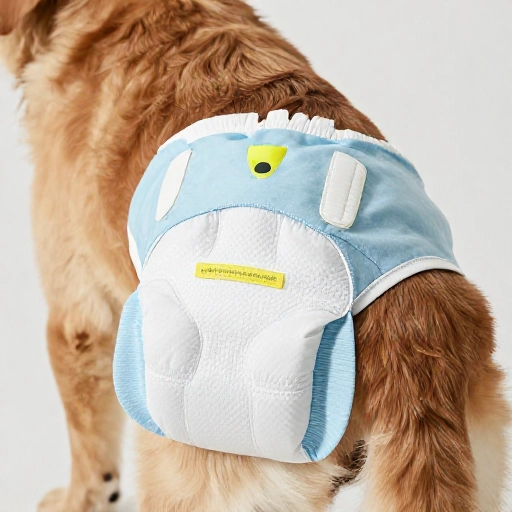
Why choose between a belly band and a full diaper? This pattern uses buttons or snaps to convert between the two. You sew a standard wrap-around diaper, but you add extra length that can be folded down and snapped to create a full coverage pad for female dogs.
It’s like having two diapers in one. For male dogs, you keep it folded as a band. For females, you unfold it to cover the back end. I love versatile patterns like this because they save space in my drawer.
It’s also a great pattern if you have both a male and female dog.
10. The Fleece Lined Diaper (For Sensitive Skin)
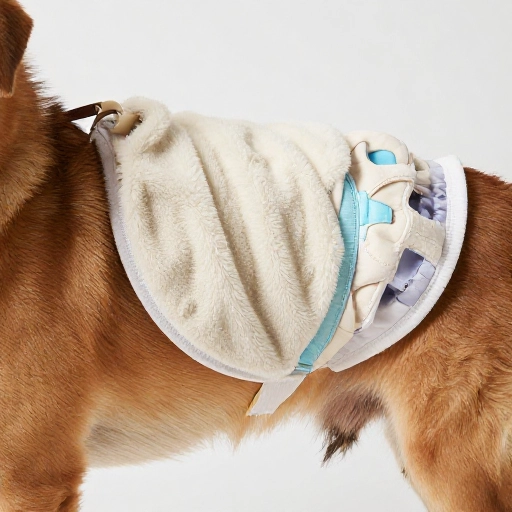
Some dogs get rashes from cotton or synthetic fabrics. Fleece is soft, wicks moisture away, and is gentle on the skin. Make a simple wrap diaper using fleece as the inner layer and a waterproof outer layer (like PUL fabric).
You can skip the absorbent pad if the fleece is thick enough, or add a thin cotton insert. The fleece feels cozy against your dog’s belly, and it’s naturally stain-resistant. I use this pattern for my dog who has allergies.
She actually looks forward to wearing it because it’s so soft.
Conclusion
Making your own dog diapers isn’t just about saving money—it’s about getting a perfect fit for your unique pup. Once you try a few of these patterns, you’ll know exactly what works for your dog’s shape, activity level, and needs. Plus, you get to pick out fun fabrics that match your dog’s personality.
I recommend starting with the no-sew t-shirt version or the classic belly band. Both are forgiving and quick to make. Then, as you get more comfortable, you can move on to the gusset or convertible patterns. Your pup will thank you (even if they give you a side-eye at first).
Frequently Asked Questions
Can I use any fabric for DIY dog diapers?
It’s best to use soft, breathable fabrics like cotton, flannel, or fleece. Avoid rough materials that could irritate your dog’s skin. For the outer layer, you can use PUL fabric or even an old waterproof tablecloth to prevent leaks.
How do I know what size to make?
Measure your dog’s waist circumference and the distance from their belly button to their tail. Most patterns are adjustable with Velcro or snaps, so err on the side of slightly larger—you can always make it snugger.
How often should I change a DIY dog diaper?
Check every 2–3 hours. Just like human diapers, they need to be changed when wet or soiled to prevent skin irritation and infections. Overnight, you can add extra absorbent inserts to last longer.
Can I machine wash homemade dog diapers?
Yes, most are machine washable. Use cold water and mild detergent. Avoid fabric softener because it can reduce absorbency. Air dry or tumble dry on low heat to make them last longer.
Are DIY diapers cheaper than store-bought?
Definitely. You can make 10–15 reusable diapers for the cost of a single pack of disposables. Plus, you’ll save money in the long run since you can wash and reuse them for months or even years.