12 Puppy Obedience Training Tips for New Dog Owners
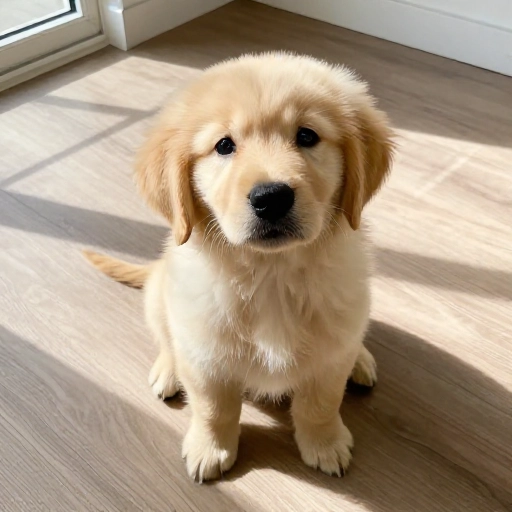
Bringing a new puppy home is like adding a tiny, furry tornado of joy to your life. I remember those first few days: the excited yips, the tiny teeth exploring everything (including my fingers), and that look of pure confusion when I tried to teach “sit.” It’s a whirlwind, but it’s also the best time to start building a strong bond through training.
Obedience training isn’t about turning your puppy into a robot. It’s about communication. It’s teaching them how to navigate your world safely and happily. The first few months are a golden window for learning, and with a little patience and a lot of treats, you can set the foundation for a well-mannered best friend. These twelve tips are the ones I wish someone had handed me on day one.
1. Start with a Single Command: “Watch Me”
Before you teach “sit” or “stay,” teach your puppy to look at you. This simple skill is the key to everything else. When your puppy can focus on you, they are ready to learn.
Hold a treat near your eye. When your puppy looks at the treat (and your face), say “yes!” and give the treat. Do this a few times. Soon, they will look at you expecting a treat. This is the foundation of attention. Practice in quiet rooms first, then slowly add small distractions.
This tip saves you so much frustration later. A puppy that checks in with you is a puppy that is listening.
2. Use High-Value Treats (But Keep Them Tiny)
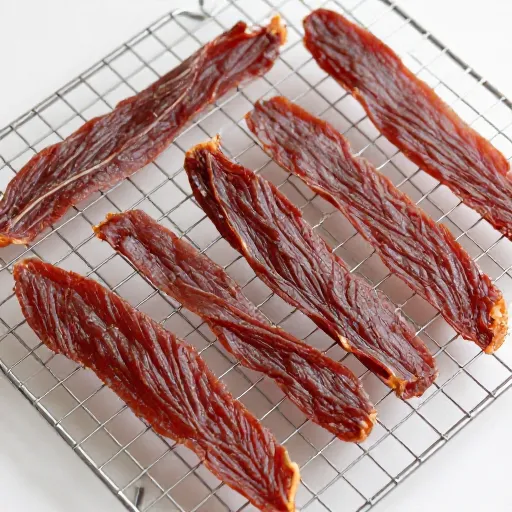
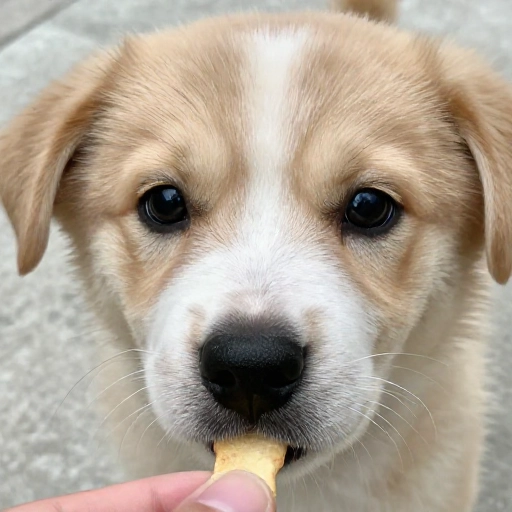
Not all treats are created equal. Kibble is boring. A tiny piece of boiled chicken or soft cheese? That’s like gold to a puppy. Reserve these special treats for training sessions.
Keep the pieces very small—the size of a pea. Your puppy doesn’t care about the size, only the flavor. You will be giving them lots of treats in a session, so you don’t want to fill their tummy too fast. Soft treats are also better than hard ones because your puppy can swallow them quickly and get back to learning.
A motivated puppy learns faster. Find what makes their tail wag and use that power for good.
3. Keep Sessions Insanely Short
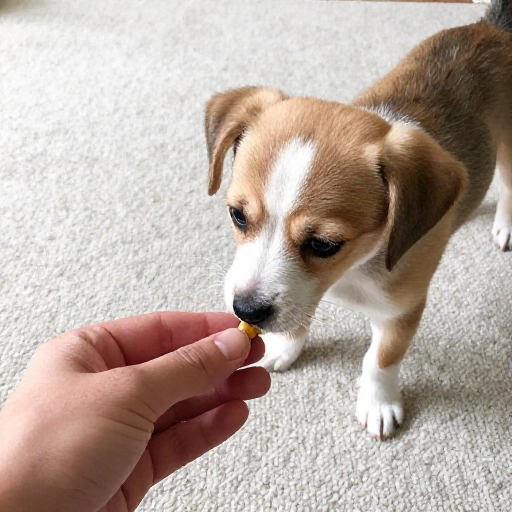
A puppy’s attention span is measured in seconds, not minutes. Do not try to train for 20 minutes. You will both end up frustrated. Aim for 2 to 5 minutes at a time, two or three times a day.
Watch for signs of boredom: sniffing the ground, walking away, or getting extra bitey. That’s your cue to stop. End the session with a success—even if it’s just a simple “sit” you know they can do. Then play a game or let them nap.
Short, happy sessions build confidence. Long, boring sessions build bad habits.
4. Always End on a High Note
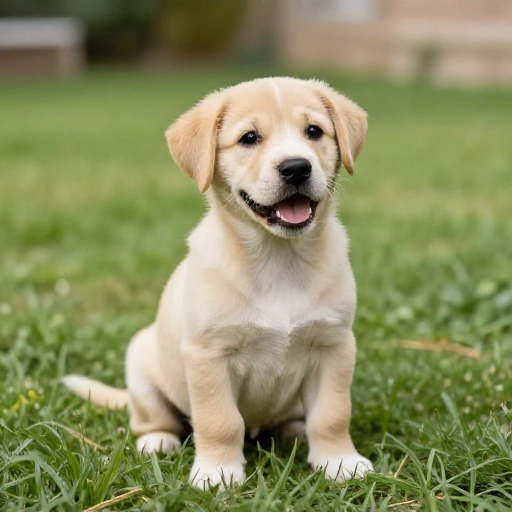
This goes hand in hand with short sessions. Always finish when your puppy has done something right. Even if the session was rough, ask for one easy command they know (like “sit” or “touch”), praise them like they just won a contest, and give a jackpot of treats.
This leaves your puppy feeling successful and eager for the next session. It also teaches them that paying attention to you is rewarding. Never end a training session because you are angry or frustrated. Take a break, breathe, and try again later.
A happy ending makes training feel like a fun game, not a chore.
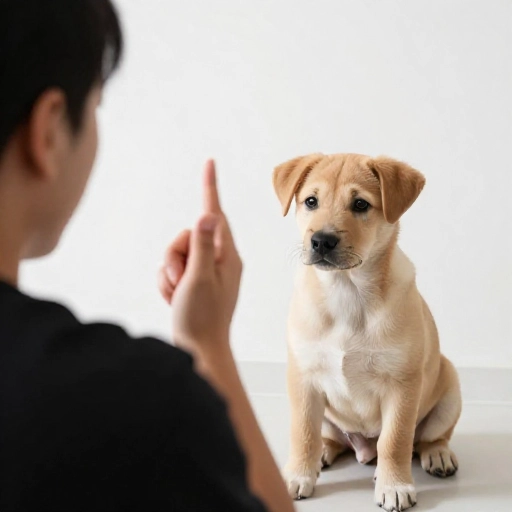
5. Be Consistent with Your Words and Hand Signals
Decide on your commands before you start. Use “down” for lying down, not “lay down.” Use “off” for jumping on furniture, not “get down.” Pick one word for one action and stick to it. Your puppy is learning a new language; don’t change the dictionary.
Also, pair your words with a hand signal. Puppies read body language very well. For “sit,” you can hold a treat above their nose and move it back over their head. For “down,” you can lure them to the floor. The signal becomes a backup if they can’t hear you or if you are far away.
Consistency is the secret sauce. Everyone in the house should use the same words and signals.
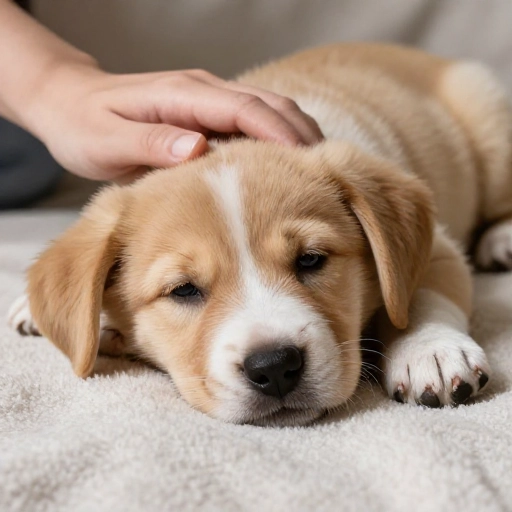
6. Capture Good Behavior, Don’t Just Correct Bad
So often we only react when our puppy does something wrong. Flip that script. Watch your puppy like a hawk, and when they are doing something you like—lying quietly, chewing a toy, sitting at the door—say “yes!” and give a treat.
If your puppy is sitting calmly, that’s a “sit” you didn’t have to ask for. Reward it! If they are playing nicely with their toy, reward it. You are teaching them that calm, polite behavior pays off. This is way more effective than shouting “no” all day.
Your puppy will start offering good behaviors just to get that treat. It feels like magic, but it’s just smart training.
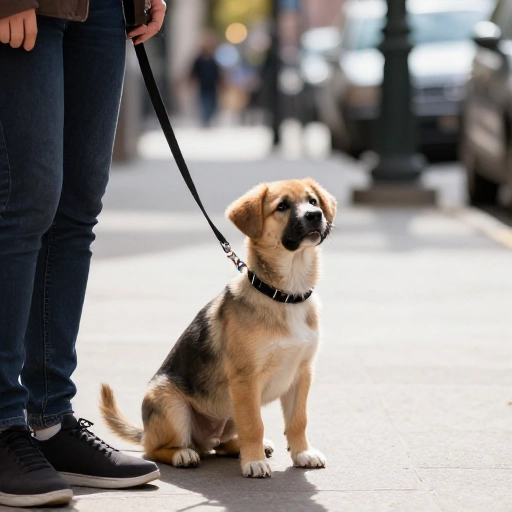
7. Practice “Sit” Everywhere, Not Just in the Living Room
Your puppy might be a perfect sitter in your quiet kitchen. But ask them to sit at the park? That’s a different story. Generalize the command by practicing in many different places.
Start in the kitchen, then move to the hallway. Then try the backyard. Then the sidewalk in front of your house. Then a quiet corner of a park. Each new place is a new skill for your puppy. They have to learn that “sit” means “sit” no matter where they are.
If they struggle in a new spot, you have moved too fast. Go back to an easier location and build up again. Patience wins this game.
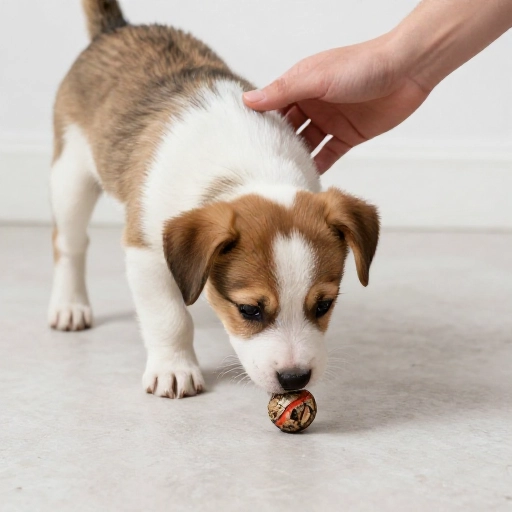
8. Teach “Leave It” Early (It Will Save You)
Puppies explore the world with their mouths. That dropped pill, that piece of gum on the sidewalk, that dead squirrel—it all looks like a snack. “Leave it” is a life-saving command.
Start with a treat in your closed hand. Let your puppy sniff, lick, and paw at it. The moment they pull their nose away (even for a second), say “yes!” and give a treat from your other hand. Repeat until they reliably pull away from your closed fist. Then move to an open hand, then to an object on the floor.
This takes time, but it is worth every second. A solid “leave it” can prevent your puppy from eating something dangerous.
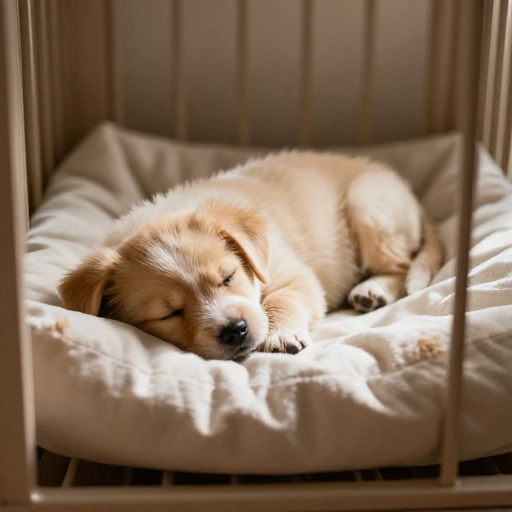
9. Use a Crate for Peace (Not Punishment)
The crate should be your puppy’s cozy den, not a jail cell. Never use the crate as a punishment. Make it a happy place. Feed them meals inside the crate. Throw treats in there for them to find. Leave the door open during the day so they can nap in there on their own.
When you are not watching your puppy (during a nap, when you are cooking, when you leave the house), the crate keeps them safe and prevents accidents. It also helps with potty training because puppies naturally don’t want to soil their sleeping area.
A crate-trained puppy feels secure. It becomes their safe space when the world gets too loud or overwhelming.
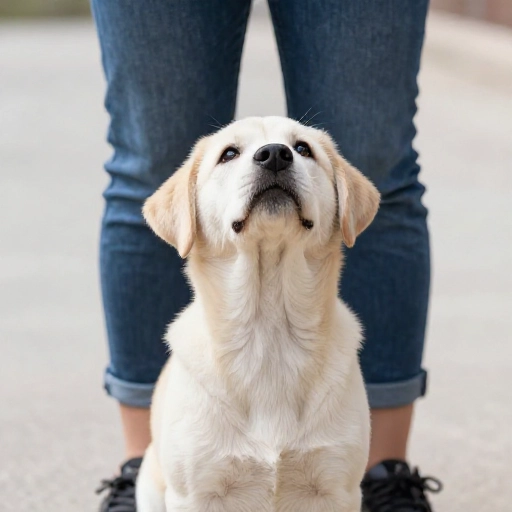
10. Don’t Repeat Commands Over and Over
I see this mistake all the time. An owner says “sit… sit… sit… SIT!” The puppy learns that the word “sit” actually means “ignore the first three and then maybe listen.” Never repeat a command your puppy doesn’t follow. It teaches them to tune you out.
If your puppy doesn’t respond, you haven’t set them up for success. Maybe the distraction is too high, or you need a better treat. Instead of repeating, help them. Lure them into the position, or move to a quieter spot. Say the command once, then either help them do it or try again later.
Your voice should be meaningful. Say it once and mean it.
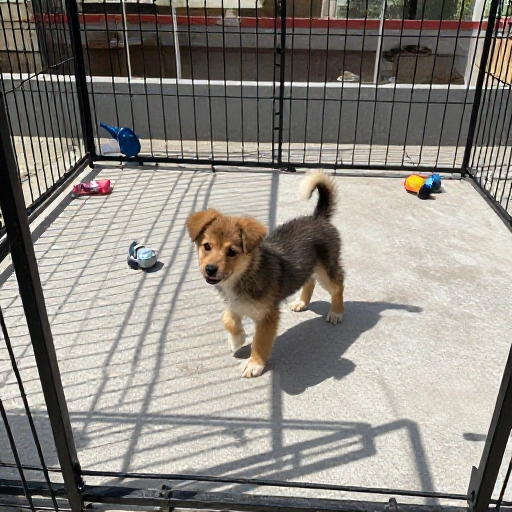
11. Manage the Environment, Don’t Just Manage the Dog
You can’t expect a puppy to ignore a shoe if the shoe is right there to chew. Set your puppy up for success by managing their surroundings. Put away things you don’t want chewed. Use baby gates to block off rooms. Keep tempting items off low tables.
If your puppy keeps jumping on the couch, maybe block access to the couch for a while. If they keep stealing socks, keep the socks in a closed drawer. You are not being lazy; you are being smart. It’s easier to change the environment than to constantly correct your puppy.
A well-managed space means fewer corrections and more chances for your puppy to make good choices.
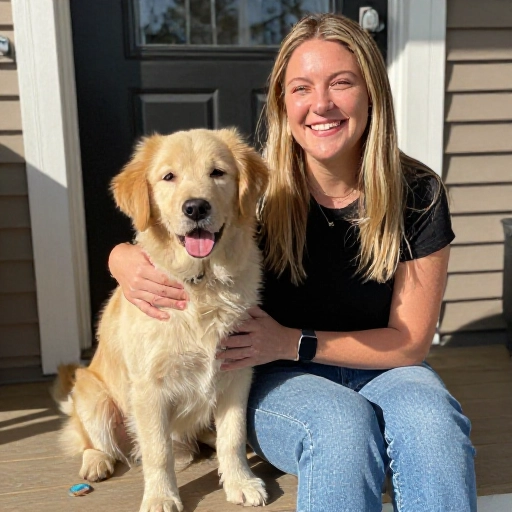
12. Be Patient and Celebrate Tiny Wins
Training a puppy is a marathon, not a sprint. Some days your puppy will be a genius. Other days, they will forget their own name. That is normal. They are babies. Their brains are still growing.
Do not compare your puppy to others. Do not get frustrated when they have a bad day. Take a deep breath, put the treats away, and just play with them. The bond you build through play is just as important as the one you build through training.
Celebrate the tiny wins: the first time they sit without being asked, the first time they come when called, the first time they settle down on their own. These are huge milestones. You are doing a great job.
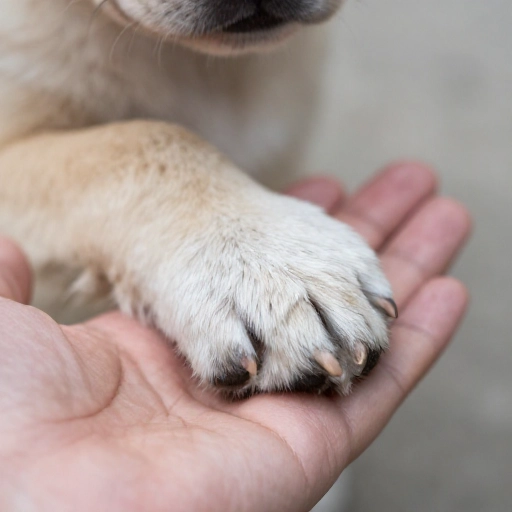
Starting obedience training with your new puppy is one of the most rewarding things you can do as a dog owner. It’s not about perfection; it’s about connection. Every small step you take today builds a lifetime of trust and understanding. Be kind to yourself and your puppy. You are both learning together.
Frequently Asked Questions
What age should I start obedience training my puppy?
You can start basic training as soon as you bring your puppy home, usually around 8 weeks old. At this age, they can learn simple things like “sit” and their name. Focus on positive reinforcement and keep sessions very short and fun. The critical socialization window is before 16 weeks, so start early.
How long should a training session be for a 10-week-old puppy?
Keep sessions very short—just 2 to 5 minutes. Puppies have tiny attention spans. Two or three short sessions per day are much better than one long one. Always end on a positive note, even if that means just asking for a simple “sit” or “touch.”
My puppy bites me during training. What do I do?
Puppy biting is normal. If your puppy gets mouthy during training, it might mean they are overstimulated, tired, or hungry. End the session calmly. Give them a safe chew toy to redirect that energy. A tired puppy is often a bitey puppy, so make sure they are getting enough naps.
Should I use a clicker for training?
A clicker is a great tool, but it is not required. You can use a marker word like “yes!” or “good!” instead. The clicker is very precise, which can help with shaping complex behaviors. For basic obedience like “sit” and “down,” your voice works perfectly fine. Use whatever feels comfortable for you.
What do I do if my puppy refuses to listen?
First, check the environment. Are there too many distractions? Are you using a treat that is exciting enough? Second, check your puppy’s state. Are they tired, overstimulated, or maybe they need a potty break? If nothing works, just stop. Put the treats away, play a game, and try again later. Forcing it never helps.