10 New Puppy Owner Mistakes (And How to Skip the Regret)
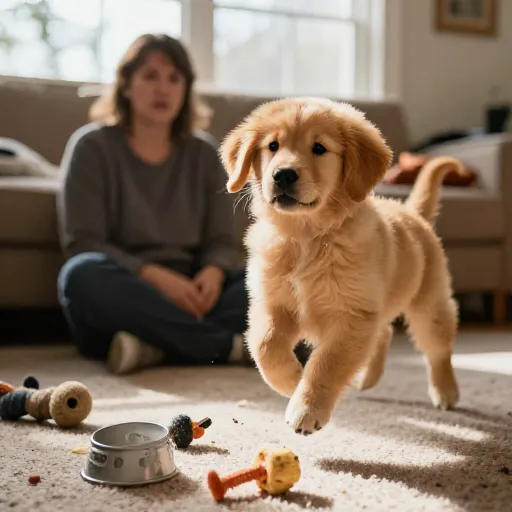
Bringing home a new puppy is a beautiful, chaotic, and sleep-depriving kind of magic. You’ve got the tiny paws, the puppy breath, and that look that says, “You are my whole world.” But let’s be real—most of us walk into puppy parenthood with zero clue what we’re doing. I made plenty of mistakes with my first pup, and I’m here to help you make fewer.
These aren’t the tips you hear from every breeder or pet store clerk. These are the real, messy, practical lessons I learned the hard way. Whether you’re bringing home a golden retriever, a scruffy rescue, or a pug with a big attitude, these ten mistakes can sneak up on you. Let’s dodge them together.
Ready to raise a happy, well-adjusted dog? Start by avoiding these common missteps.
1. Overloading the First Day Home
You want to show your puppy everything—the whole house, the yard, your neighbor’s cat, the kids, the vacuum cleaner. Slow down. The first day is about one thing: safety and trust. Too much stimulation causes stress, and stressed puppies don’t settle in well.
Keep the first 24 hours quiet. Introduce just one room, then a small crate or pen. Let your pup sniff and explore at their own pace. Save the grand tour for week two.
- Let your puppy approach new spaces alone.
- Limit visitors to just immediate family.
- Prioritize naps over playtime.
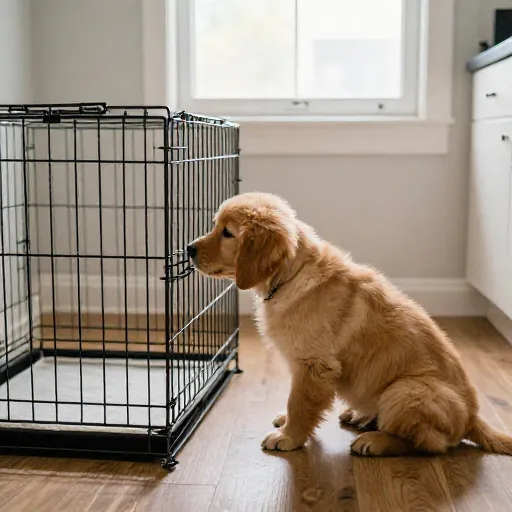
2. Skipping the Crate Training Routine
I know—crates look like cages. But done right, a crate becomes your puppy’s cozy den, not a prison. The mistake is leaving the crate door open all day and expecting magic. Puppies need a structured crate routine for potty training and calmness.
Start with short sessions—five minutes inside while you’re nearby. Toss in a treat or a frozen Kong. Gradually increase time. Never use the crate as punishment. Consistency is key: crate after play, after meals, and at bedtime.
- Feed meals inside the crate.
- Cover the crate with a light blanket.
- Never leave a puppy crated more than 3–4 hours.
3. Not Puppy-Proofing Your House
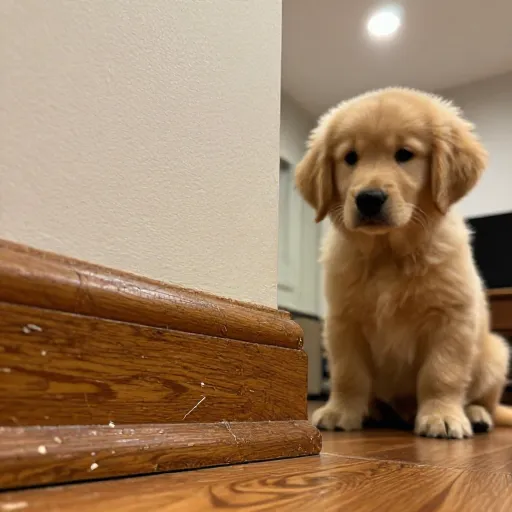
Puppies explore with their mouths. That phone charger? Chew toy. That shoe? Snack. That houseplant? Emergency salad. New owners often forget to look at their home from puppy level. Get down on the floor and see what’s within reach.
Wrap loose cords, move toxic plants, and secure trash cans. Remove anything small enough to swallow—buttons, coins, kids’ toys. Prevention is way easier than pulling a sock out of a puppy’s stomach at the vet.
- Block off stairs and dangerous rooms.
- Store cleaning supplies high up.
- Choose chew toys that can’t break into pieces.
4. Rushing Potty Training
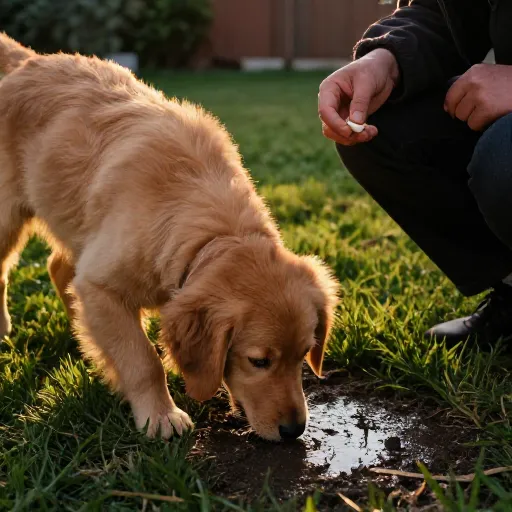
Potty training takes weeks, not days. The biggest mistake? Expecting your puppy to “get it” after a few accidents. Puppies have tiny bladders and zero self-control. Punishing accidents only teaches them to hide from you.
Set a timer and take them out every 30–60 minutes. After waking up, after eating, after play—every time. Use a consistent phrase like “go potty” and give a high-value treat the second they finish outside. Clean indoor accidents with an enzymatic cleaner, not just soap.
- Keep a log of potty breaks.
- Use a bell on the door to teach signaling.
- Never rub their nose in a mess.

5. Ignoring Early Socialization
Socialization doesn’t mean throwing your puppy into a dog park. It means controlled, positive exposure to new sights, sounds, people, and surfaces. Miss this window (up to about 16 weeks old) and you might get a fearful or reactive adult dog.
Carry your puppy around the neighborhood. Let them hear traffic, see bicycles, and meet calm, vaccinated dogs. Introduce different floor textures—grass, tile, carpet. Pair every new experience with treats and praise. Go slow and watch your puppy’s body language.
- Invite one friendly adult dog over.
- Handle their paws, ears, and mouth gently.
- Use a puppy class for guided socialization.
6. Overfeeding Treats (and the Wrong Food)
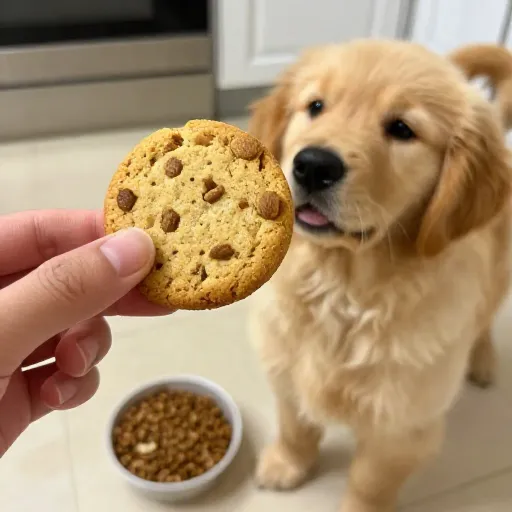
Puppy eyes are powerful. You give one treat, then another, then a bite of your sandwich. Before you know it, your pup has diarrhea or is turning up their nose at dinner. Overfeeding also leads to rapid growth, which can stress developing joints.
Stick to a high-quality puppy food measured per the bag. Treats should make up no more than 10% of daily calories. Use kibble as training rewards—it’s convenient and balanced. Skip table scraps, especially onions, grapes, and anything salty.
- Measure food with a cup, not a guess.
- Use low-calorie treats like freeze-dried liver.
- Feed at the same times each day.
7. Letting Bad Habits Slide “Because They’re Cute”
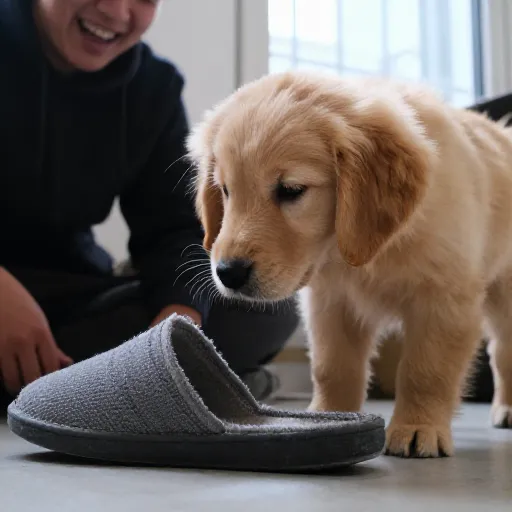
It’s adorable when a 10-pound puppy jumps up to greet you. But that same behavior from a 70-pound dog is a problem. New owners often laugh off nipping, barking, and jumping, not realizing they’re building habits that get harder to break.
Set boundaries from day one. If you don’t want a dog on the couch at six months, don’t allow it at eight weeks. Replace unwanted behavior with a good alternative—ask for a “sit” before giving attention. Consistency is your best friend here.
- Use a firm but calm “no” and redirect.
- Reward calm behavior, not excitement.
- Get everyone in the house on the same page.

8. Skipping Vet Visits and Vaccines
Some new owners delay the first vet checkup to save money or because the puppy “looks healthy.” But puppies need early exams to catch hidden issues like parasites, congenital problems, or infections. Vaccines are non-negotiable for their safety and yours.
Schedule a vet visit within the first week home. Bring a stool sample for parasite testing. Follow the vaccine schedule—parvo and distemper are real threats. Ask your vet about flea, tick, and heartworm prevention. A healthy start saves heartache later.
- Keep a vaccine record book.
- Ask about microchipping.
- Don’t skip the booster shots.
9. Not Teaching Bite Inhibition Early
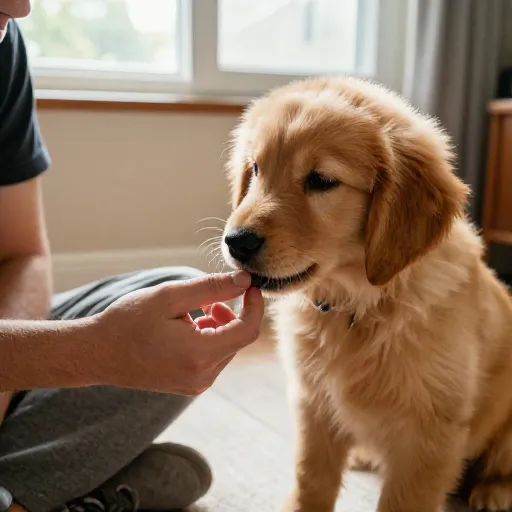
Puppies explore with their mouths, and those tiny teeth are sharp. The mistake is letting them chew on your hands because “they’re just playing.” That teaches them human skin is okay to bite. You need to teach bite inhibition before those adult teeth come in.
When your puppy nips too hard, let out a high-pitched yelp and stop playing. Turn away for 10–15 seconds. If they keep biting, leave the room briefly. Offer a chew toy instead. They’ll learn that gentle mouths get attention, hard mouths end the fun.
- Use toys for all mouthing games.
- Never play tug with your bare hands.
- Be patient—this takes weeks.
10. Underestimating Sleep Needs
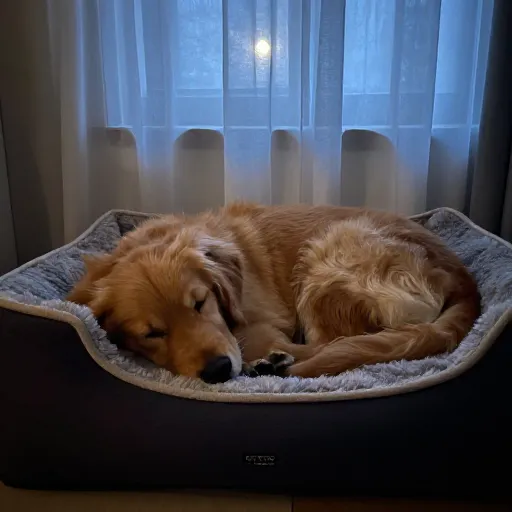
Puppies need 18–20 hours of sleep a day, but they don’t know when to stop. New owners often keep the puppy up because they want to play, or they mistake hyperactive behavior for energy when it’s actually overtiredness. An overtired puppy is a nippy, whiny, destructive puppy.
Create a nap schedule. After 45 minutes to an hour of awake time, guide your puppy to their crate for a nap. Use a calming routine—treat, soft music, cover the crate. Don’t feel guilty about enforcing quiet time. A well-rested puppy learns better and behaves better.
- Watch for zoomies as a tired sign.
- Keep naps in a quiet, dark space.
- Stick to a consistent bedtime.
Conclusion: You’ve Got This
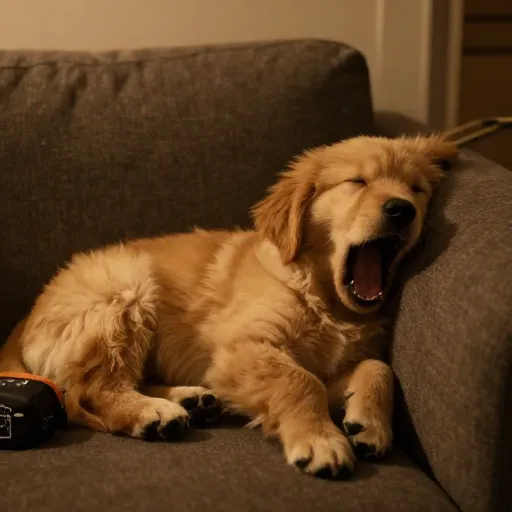
Every puppy owner makes mistakes—even the ones who look like they have it all together. The trick isn’t perfection; it’s paying attention and adjusting. Your puppy doesn’t need a flawless owner. They need someone who’s patient, consistent, and willing to learn alongside them.
Start small. Pick one or two of these mistakes to focus on this week. Celebrate the little wins—a successful potty trip, a calm crate session, a gentle mouth. Before you know it, you’ll have a well-mannered companion who trusts you completely. And that’s the best feeling in the world.
[[IMG:IMG12]]
Frequently Asked Questions
How long does it take to potty train a puppy?
Most puppies are reliably potty trained by 4–6 months, but it varies by breed and consistency. Small breeds often take longer. Stick with a schedule and don’t expect perfection until adulthood.
Is it okay to leave my puppy alone during the day?
Puppies under 4 months shouldn’t be left alone more than 2–3 hours. If you work full-time, consider a dog sitter, daycare, or coming home at lunch. Crate training helps them feel safe while you’re gone.
What’s the best way to stop puppy biting?
Yelp and stop play when they bite too hard. Offer a chew toy instead. Never punish—they’re just learning. Bite inhibition takes time, but it gets better around 5–6 months when adult teeth come in.
When should I start training my puppy?
Start basic training the day you bring them home. Simple cues like “sit” and “come” can begin at 8 weeks. Use positive reinforcement—treats, praise, and play. Puppies are never too young to learn good habits.
How do I choose the right puppy food?
Look for a food labeled “complete and balanced” for puppies by AAFCO standards. Choose one with real meat as the first ingredient. Ask your vet for recommendations, especially for large breeds prone to joint issues.