8 Potty Training Mistakes Every Dog Owner Should Avoid
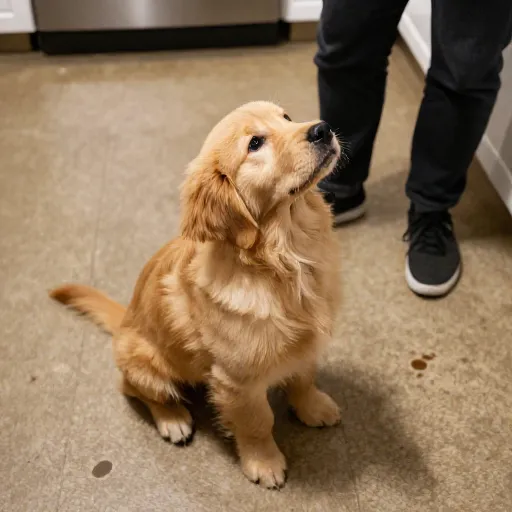
Bringing a new dog home is pure joy, right up until the moment you step in a puddle you didn’t expect. Potty training can test your patience, but it doesn’t have to be a battle. In my years of working with dogs, I’ve seen the same slip-ups happen over and over.
The good news? Most mistakes are easy to fix once you know what to look for. I’m sharing the eight biggest blunders I see dog owners make, so you can skip the frustration and get to the good part—a clean floor and a happy, trusted pup.
1. Rushing the Schedule
One of the first things I learned is that puppies have tiny bladders. Expecting a three-month-old to hold it for hours is setting both of you up for failure. You wouldn’t ask a toddler to wait, so don’t ask your pup.
Take your dog out every hour at first, plus right after meals and naps. I set a timer on my phone, and it saved my sanity. If you miss the window, you’ll be cleaning up a mess, and your dog won’t understand why you’re upset.
- Start with hourly trips outside.
- Add 30 minutes each week as they get older.
- Always go out after playtime or excitement.
Consistency builds trust. Your dog learns that outside is the place to go, not the living room rug.
2. Punishing Accidents After the Fact
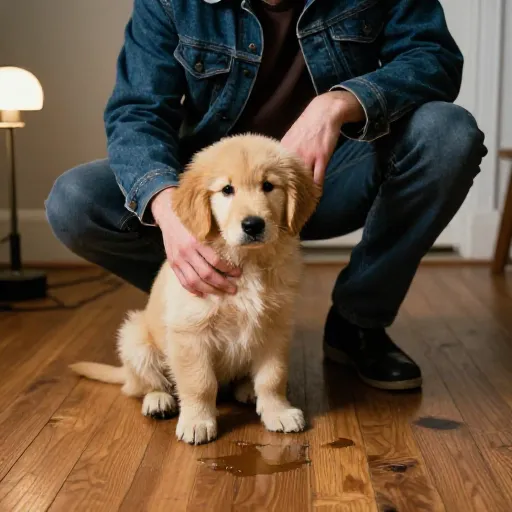
I’ve caught myself yelling at a puddle long after my dog walked away. Here’s the hard truth: dogs live in the moment. If you scold them five minutes later, they have no clue what you’re talking about. They just think you’re scary.
Punishment creates fear, not learning. Your dog might start hiding to pee, which makes training ten times harder. Instead, clean up quietly and watch more closely next time.
- Use an enzyme cleaner to remove all scent.
- Never rub their nose in it.
- Focus on catching them mid-act to redirect outside.
Staying calm is the fastest way to get results. Your dog wants to please you, but they need clear guidance, not anger.
3. Not Supervising Enough
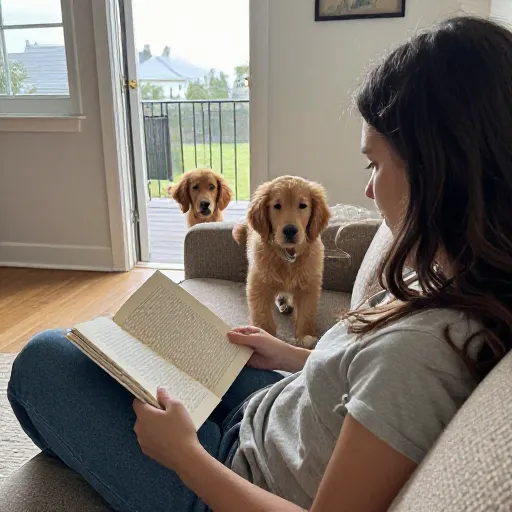
I used to think I could trust my pup while I folded laundry. Big mistake. Freedom too soon leads to accidents in corners you didn’t see. Dogs explore with their noses, and that often leads to a squat.
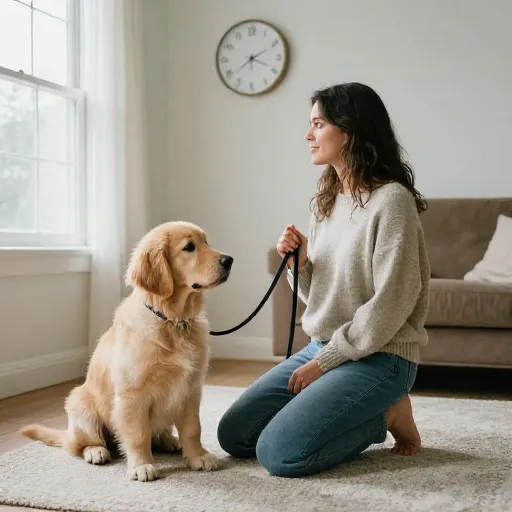
Keep your dog within sight at all times during training. Use a leash attached to your belt or keep them in the same room. If you can’t watch, use a crate or a playpen.
Supervision isn’t micromanaging; it’s setting them up to win. Every time they go outside, you get a chance to praise them. Miss the signal, and you miss the lesson.
4. Inconsistent Crate Training
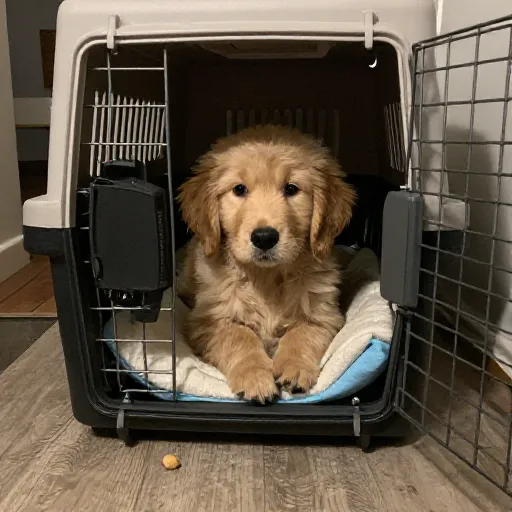
Crates are amazing tools, but only if you use them right. I see people crate their dog for too long, or use it as punishment. That turns the crate into a jail, not a den.
Dogs naturally avoid soiling their sleeping area, but only if the crate is the right size. Too big, and they’ll use one corner as a bathroom. Make it cozy, with just enough room to stand, turn, and lie down.
- Never leave a puppy crated more than a few hours.
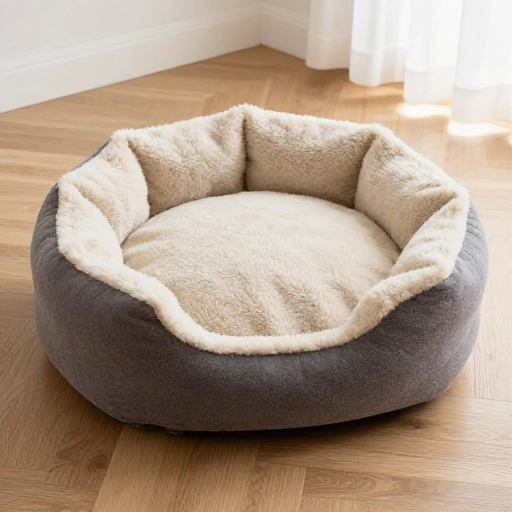
- Make the crate comfy with a soft bed and a toy.
- Always let them out immediately after crate time.
A happy crate equals a clean house. Your dog will start to see it as their safe space.
5. Skipping the Cleanup Routine
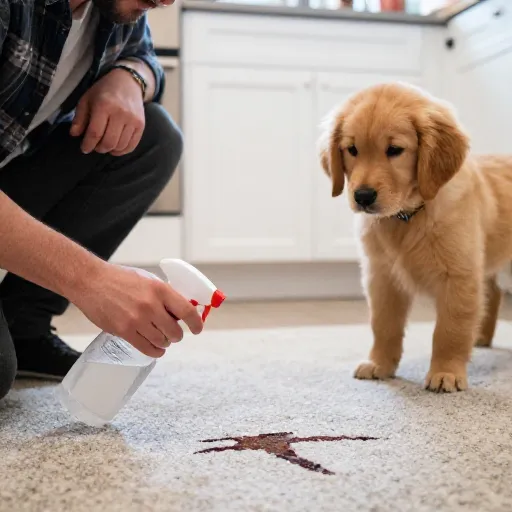
I used to wipe up accidents with regular cleaner, then wonder why my dog kept going to the same spot. The smell lingers for them, even if you can’t detect it. That spot becomes a bathroom magnet.
You need an enzymatic cleaner that breaks down urine proteins. I buy it by the gallon now. Scrub, let it sit, and rinse well. Don’t just spray and wipe.
- Blot up as much liquid as possible first.
- Apply cleaner and let it soak for 10 minutes.
- Repeat on stubborn stains.
Eliminating all scent is half the battle. Your dog will stop getting mixed signals from old messes.
6. Giving Up Too Soon
Potty training takes weeks, sometimes months. I’ve seen people quit after two weeks of consistent effort because they thought their dog was stubborn. Usually, it’s just a communication gap.
Setbacks are normal. A change in routine, teething, or even weather can cause regression. My own dog regressed during a thunderstorm phase, and we started from scratch. It felt endless, but it ended.
- Celebrate small wins, not just perfect days.
- Stick with the schedule even when you’re tired.
- Ask a vet if you suspect a medical issue.
Patience pays off. That moment when your dog finally rings the bell to go out is pure gold.
7. Overlooking the “After” Routine
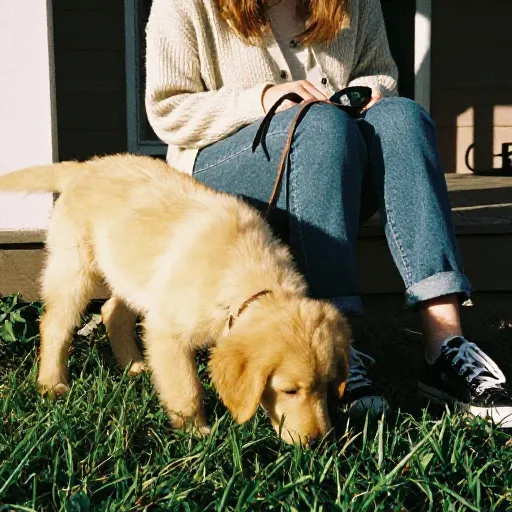
I used to take my dog out, wait for them to go, and then immediately head back inside. Boring. Dogs learn that potty means the fun stops. So they hold it to stay outside longer.
Make going potty a quick, boring event. Then reward with a fun walk or playtime. This teaches them that doing their business leads to good things, but the real fun happens after.
- Use a command like “go potty” while they’re doing it.
- Praise quietly, then move to play.
- Don’t linger in the yard after they finish.
Your dog will learn to go right away, not sniff every blade of grass first.
8. Ignoring Body Language
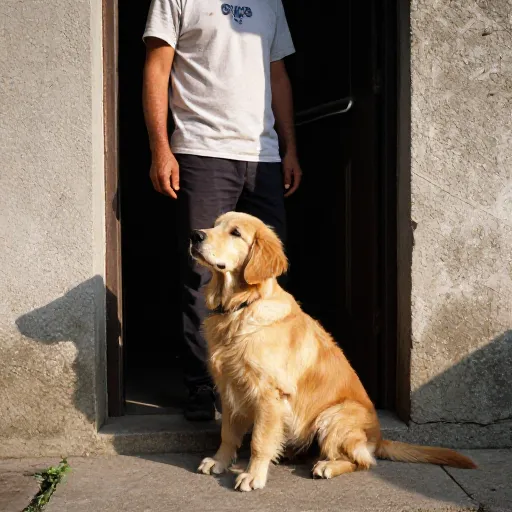
Dogs tell us when they need to go, but we miss the signs. Sniffing the floor, circling, whining, or suddenly leaving the room are all clues. I used to ignore these until I realized my dog was literally asking for help.
Watch your dog like a hawk during training. The moment you see any of these signals, scoop them up and head outside. Even if you think you’re overreacting, it’s better than cleaning up.
- Note the time of day they usually need to go.
- Praise them for signaling, even if it’s just a whine.
- Use a bell on the door to teach them to ask.
Learning your dog’s language builds a bond that makes everything easier, not just potty training.
Conclusion
Potty training is a journey, not a race. Every mistake is a chance to learn what your dog needs from you. I’ve made every single one of these errors, and my floors survived. Yours will too.
Stay consistent, stay calm, and remember that your dog is doing their best. Before you know it, you’ll have a fully trained companion and a house that smells like home again.
Frequently Asked Questions
How long does it take to potty train a dog?
Most dogs take 4 to 6 months to become fully reliable. Small breeds and rescue dogs may take longer. Consistency is more important than speed.
Should I use pee pads?
Pee pads can confuse some dogs because they teach them to go inside. If you use them, place them near the door and gradually move them outside. I prefer skipping them entirely for faster results.
Why does my dog pee when excited?
Excitement urination is common in puppies and submissive dogs. It usually stops with age and confidence. Avoid loud greetings and keep calm when you come home.
What if my dog regresses after being trained?
Regression often happens after a move, new pet, or change in routine. Go back to basics: more frequent potty breaks, stricter supervision, and positive reinforcement. It usually passes quickly.
Do male dogs lift their leg later?
Yes, most male dogs don’t lift their leg until they are around 6 to 12 months old. It’s a marking behavior, not a potty issue. Neutering can reduce marking.