14 Affordable Winter Cat Houses You Can DIY Today
Hey there, fellow cat lover! The temperature is dropping, and while our furry friends have those built-in fur coats, they still crave a warm, cozy hideaway. But let’s be real—those fancy cat condos at the pet store can cost a small fortune. The good news? You can build an amazing winter retreat for your kitty using stuff you probably already have lying around the house.
I’ve rounded up 14 of my favorite DIY cat house ideas that are easy on the wallet but big on warmth and style. Whether you have basic crafting skills or just a glue gun and some determination, there’s a project here for you. Let’s get crafting and give your feline overlord the castle they deserve without breaking the bank!
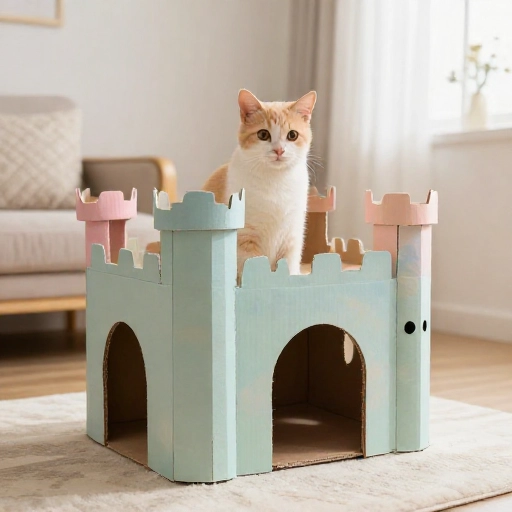
1. The Classic Cardboard Box Castle
Before you recycle that big Amazon delivery box, stop! Cardboard is an excellent insulator and cats absolutely love it. This is the simplest project on the list and takes less than 20 minutes.
Take a large, sturdy box and cut a circular “door” in the side. Make it just big enough for your cat to squeeze through—they love a snug fit. Keep the flaps on top closed and tape them down securely.
For extra winter warmth, place a folded fleece blanket inside or a piece of that old sheepskin rug you were going to toss. The thick cardboard walls will trap your cat’s body heat, creating a toasty microclimate that they will refuse to leave all winter.
2. The Insulated Cooler Cat Cave
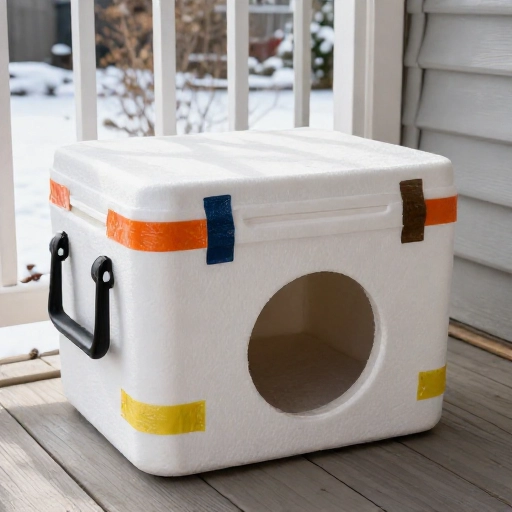
Those old styrofoam coolers are actually perfect insulation for a winter cat house. They keep things cold in summer, which means they keep things warm in winter when paired with body heat.
Cut a small entry hole in the side of the cooler. Since styrofoam is messy, use a serrated knife and go slowly. Place the cooler inside a larger cardboard box or a plastic storage bin to protect it and give it a nicer look.
Fill the inside with straw (not hay!) or a soft blanket. The thick walls will block the wind and retain warmth perfectly. This is an especially great option if you have an outdoor or feral cat that needs a safe spot to escape the elements.
3. The Upcycled Plastic Bin Bungalow
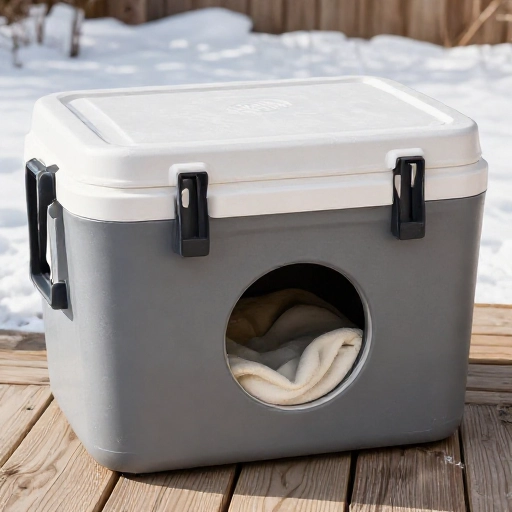
Do you have a large plastic storage tote that’s missing its lid or has a crack? Don’t throw it out! Plastic bins are waterproof, making them ideal for a porch or garage shelter.
Cut a door in the side using a jigsaw or a strong utility knife. Make sure to sand down the edges so they aren’t sharp. Drill a few small vent holes near the top to allow for airflow and prevent condensation.
Line the inside with a thick layer of straw or a heated pet pad. Pop the lid on, and you have a durable, windproof house. You can even place a heavy brick on top to keep it from blowing away in a storm.
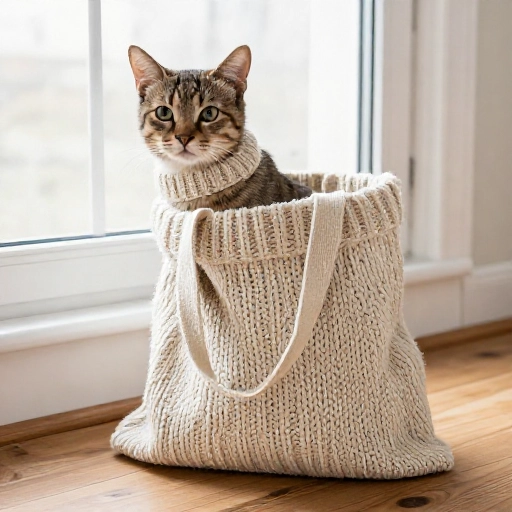
4. The Cozy Sweater Tote Transformation
We all have that one old wool sweater that shrunk in the wash. This project gives it a second life as a fashion-forward cat bed that also acts as a house.
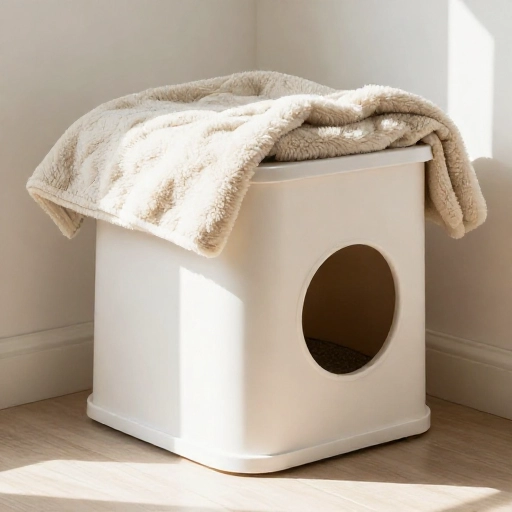
Take a sturdy cardboard box and cut a hole in the side. Slide the sweater over the box, aligning the neck hole of the sweater with the hole you cut in the box. Tuck the sweater sleeves underneath the box to keep it tight.
Place a soft pillow inside. The sweater acts as a cozy, removable “cover” that traps heat and looks adorable. It’s like a little knitted cottage for your pet. Plus, it adds a rustic, hygge vibe to your living room.
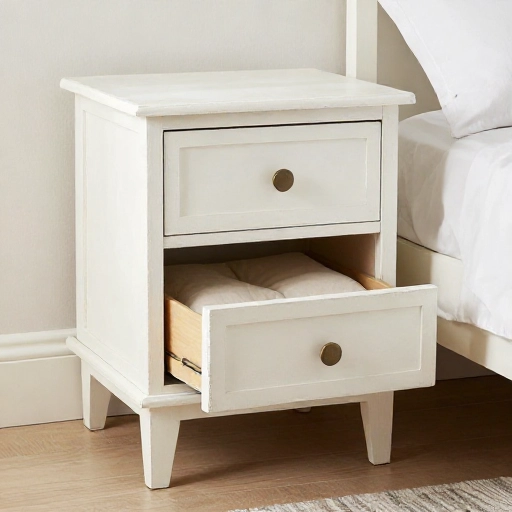
5. The Repurposed Nightstand Nest
Got an old wooden nightstand or end table with a cabinet door? This is a furniture flip that will look high-end in your home. It’s a bit more advanced, but the result is stunning.
Remove the cabinet door and sand the wood down. Cut a small archway in the front panel (the side that faces out). You can use a jigsaw for this. Repaint the whole thing in a chic, modern color like charcoal grey or sage green.
Add a plush cushion inside. The enclosed space retains heat wonderfully, and the solid wood construction keeps out drafts. This DIY looks like a designer piece but costs next to nothing if you already have the furniture.
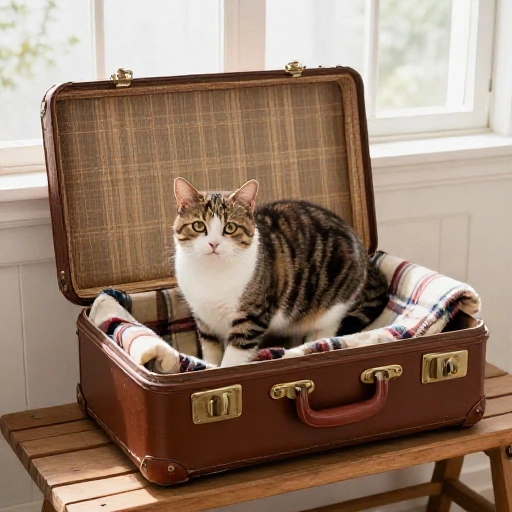
6. The Suitcase Cat Retro Retreat
Vintage suitcases are cool, but they often have broken zippers or stiff hinges. Turn one into a mid-century modern cat house instead of dropping it at the thrift store.
Open the suitcase and prop the lid open slightly with a wooden dowel or a small box inside. Glue the sides to keep it in the “open” position. Cut a round hole in the side of the suitcase for an entrance.
Line the bottom section with a warm blanket. The hard shell provides great insulation and protection. It’s a quirky, unique piece that will definitely be a conversation starter when guests visit.
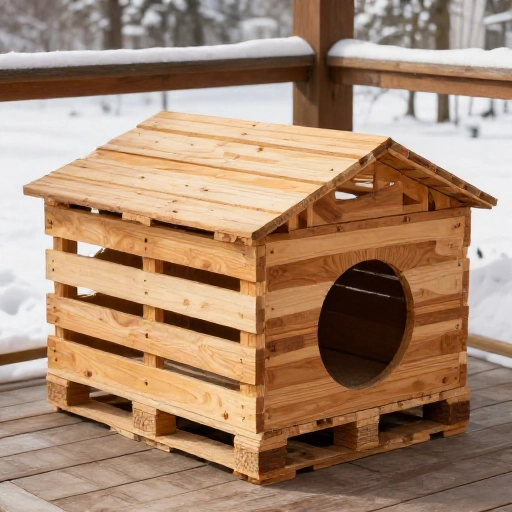
7. The Simple Pallet Wood Cabin
If you have woodworking skills and a few pallets, this is the ultimate outdoor cat cabin. It’s rustic, durable, and can withstand harsh weather. You can often get free pallets from local hardware stores or warehouses.
Break down the pallets and use the wood planks to build a simple square or rectangular box. Nail the planks together, leaving a gap for a door. Make the roof slightly slanted so rain and snow slide right off.
Elevate the cabin on legs or bricks to keep it off the cold ground. Fill it with straw and place it in a sheltered spot. This house is built to last for years and will keep your outdoor kitty safe and warm.
8. The Quick “Teepee” Tower
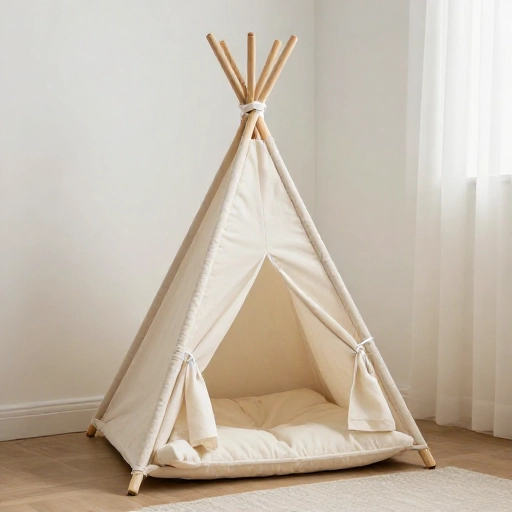
This one is a favorite for active cats who love to hide and pounce. You just need some sturdy branches or PVC pipes and a large piece of fabric, like an old tablecloth or fleece throw.
Tie the branches together at the top to form a tripod or pyramid shape. Drape the fabric over the frame, leaving a gap at the bottom for an entrance. Make sure the fabric is secured so it doesn’t flap in the wind.
Place a soft mat inside. This isn’t as insulated as a solid box, but it’s perfect for indoor use where it traps body heat and provides a sense of security. It also looks super stylish and bohemian.
9. The Wine Crate Wonder
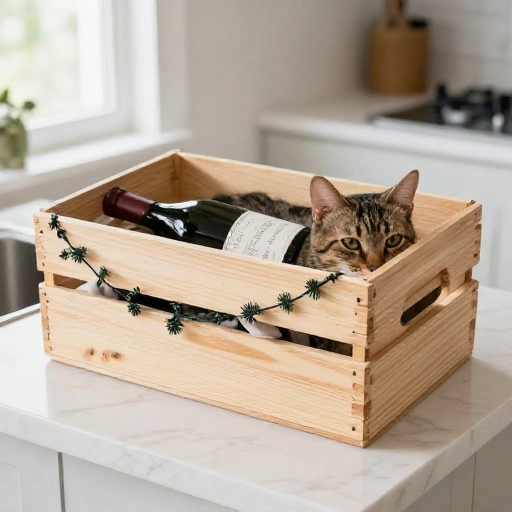
Wine crates are sturdy, stylish, and usually free if you ask nicely at your local liquor store. They make perfect modular cat houses that you can stack or arrange in fun ways.
Flip the crate on its side so the open face is the entrance. Sand down any rough edges. You can leave the wood natural or stain it for a polished look.
Place a cozy bed inside. The slatted wood allows for ventilation but still blocks drafts. You can stack two crates together and cut a hole between them to make a two-story cat mansion that they will love exploring.
10. The Fleece “No-Sew” Liner Box
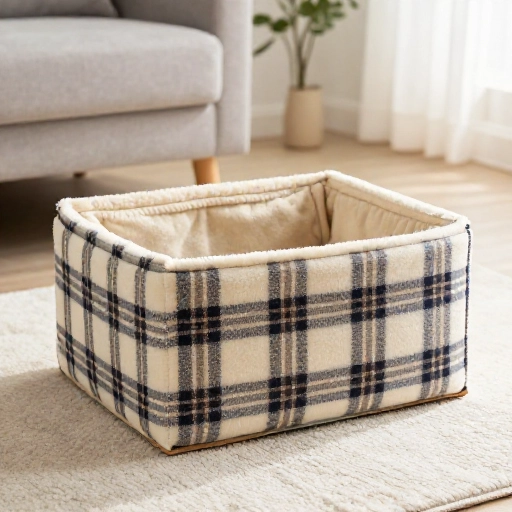
This is the cheapest and fastest project, costing less than five dollars if you need to buy fabric. It’s all about the interior, making an existing box ultra-warm and soft.
Get a cardboard box and cut a standard door. Take a piece of fleece fabric large enough to cover the inside of the box. Use a hot glue gun to attach the fleece to the interior walls and floor.
Fold the fabric over the top edges of the box to give it a finished look. The fleece adds a layer of insulation and is incredibly soft and warm. Your cat will knead this fabric with their paws all day long.
11. The Repurposed Laundry Basket Igloo
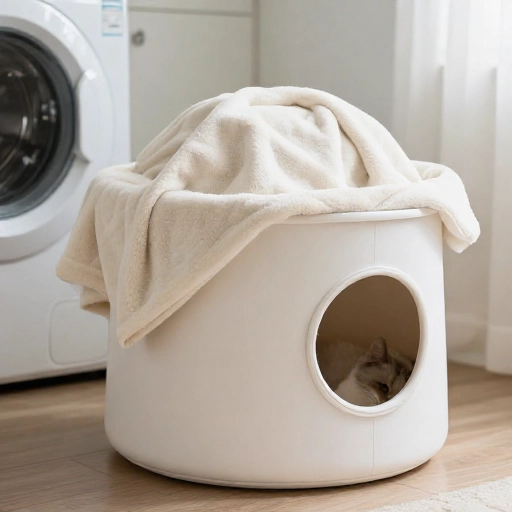
Those round, woven laundry baskets with holes in them are perfect for a DIY cat house. The holes allow for great airflow, and the woven material provides a bit of insulation.
Turn the basket upside down and cut a larger door in the side. If the basket has handles, those can serve as built-in “windows” for your cat to peek out of.
Line the inside with a thick, fluffy blanket. Place a pillow on top to create a “roof” that your cat can sit on. It’s a two-in-one: a house and a perch! This is a great eco-friendly upcycle.
12. The Styrofoam Cooler + Duct Tape Fortress
This is a hardcore version of the cooler cave, designed for extreme cold snaps. It combines durability with insulation for the ultimate winter warrior shelter.
Get a large cooler and a slightly larger plastic tote. Place the cooler inside the tote. Fill the gap between the cooler and the tote with crumpled newspaper or old towels for extra insulation.
Cut a tunnel-shaped entrance through both layers. Use heavy-duty duct tape to seal the edges of the hole so there are no sharp plastic or foam edges. Fill the inside with straw. This layered approach is a professional-grade shelter that will keep cats safe in below-freezing temperatures.
13. The Cardboard “Cat Crib” with a View
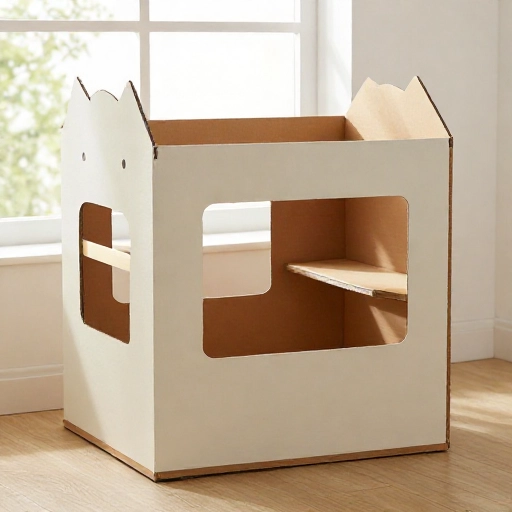
This is a great weekend project that results in a beautiful piece of “cat furniture.” You’ll need several large sheets of cardboard, a ruler, and a box cutter, but it’s surprisingly easy to make.
Cut out multiple identical cardboard rectangles. In each rectangle, cut a circular hole in the center. Stack the rectangles on top of each other and glue them together. The circles will align to form a tunnel through the center.
This creates a super structured, dense house that looks like a modern art piece. It’s fantastic for heat retention because the cardboard layers are so thick. Your cat will love burrowing into the central chamber.
14. The Old Drawer Den
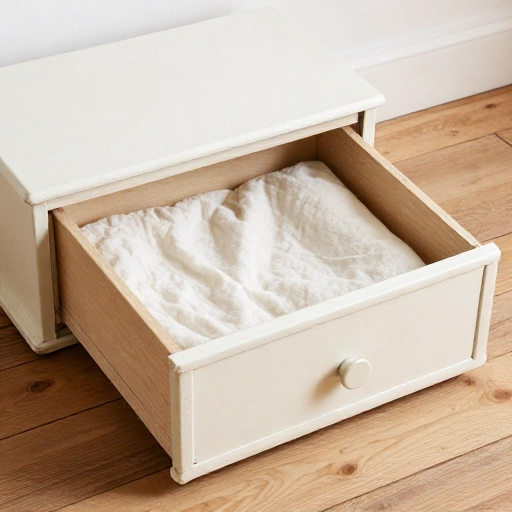
Did you recently replace your dresser? Don’t toss the old drawers! A deep wooden drawer is already a box, so you’re halfway done.
Cut a hole in the side of the drawer for an entrance. If the drawer has a front face, you could cut the hole there, but it’s easier to cut through the thinner side panels.
Sand the wood and paint it if you like. Place it on its side with the opening facing out. Add a plush bed inside. The thick wood offers excellent insulation and stability. This is a heavy-duty house that won’t slide around when your cat jumps in.
Final Thoughts on Keeping Them Warm
There you have it—14 ways to give your cat a warm, cozy winter sanctuary without spending a lot of money. The best part about these DIY projects is that they are customizable. You can mix and match designs, add your cat’s favorite toys, or spray a little catnip inside to encourage them to use it.
Remember, safety first. Always make sure there are no sharp edges, loose staples, or flimsy parts that could collapse. If you are using a heated pad, make sure it’s specifically designed for pets and has chew-resistant cords. Your cat will appreciate the effort, and you’ll love watching them curl up in their new favorite spot.
Frequently Asked Questions
Q1: What is the best material to use for outdoor cat houses in winter?
Straw is the absolute best for outdoor shelters. It doesn’t absorb moisture like hay or blankets, and it allows cats to burrow into it to trap body heat. Avoid using towels or fleece outdoors, as they can become wet and freeze, which is very dangerous for cats.
Q2: How big should the entrance hole be?
The entrance should be about 6 to 8 inches in diameter. This is big enough for an average cat to enter comfortably but small enough to keep out larger predators and retain most of the heat inside.
Q3: Should I use a heated cat pad?
Heated pads are excellent for extra warmth, especially in extreme cold. Just make sure you use a pad specifically designed for pets, as they have lower voltage and chew-resistant cords. Always place the pad under a layer of straw or a blanket so the cat doesn’t have direct contact with it.
Q4: How do I get my cat to use the new DIY house?
Cats can be picky! Place their favorite blanket or a piece of your worn clothing inside to give it a familiar scent. You can also sprinkle some catnip inside or place treats near the entrance to encourage them to investigate. Be patient—it might take a few days.
Q5: Can I paint or decorate the DIY cat houses?
Absolutely! Just make sure to use non-toxic, water-based paints or stains that are safe for pets. Allow the paint to dry completely and air out for a few days before letting your cat use the house, so they aren’t breathing in fumes.