10 Mistakes to Avoid When Your Dog Won’t Stop Barking

Living with a dog who barks at everything can feel exhausting. I’ve been there—the constant noise, the worried glances from neighbors, the feeling that nothing you try actually works. But here’s the truth: most barking problems get worse because of what we do (or don’t do) in response.
Before you throw your hands up, let’s look at the common mistakes that keep dogs barking. Fix these, and you’ll finally get some peace—without losing your cool or confusing your pup.
1. Yelling at Your Dog to Be Quiet
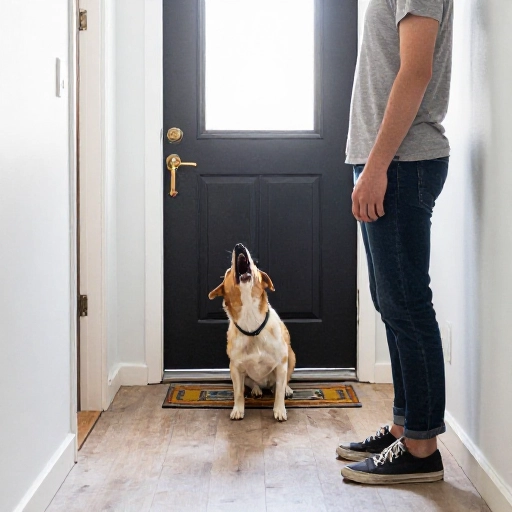
It’s a natural reaction. Your dog barks, you shout “QUIET!” But here’s the problem: your dog thinks you’re joining the barking party. To them, your loud voice sounds like you’re barking too.
Instead, try speaking in a calm, low voice. Dogs pay attention when you’re quiet, not when you’re loud. When you yell, you reinforce the idea that something is worth getting worked up about.
Practice the “whisper game.” When your dog barks, whisper a cue like “enough” and reward the moment they pause. They’ll learn that silence, not noise, gets your attention.

2. Giving Attention When They Bark
This is the sneakiest mistake. Your dog barks at the door, you tell them “it’s okay” or pet them to calm down. But in dog language, any attention—even “nice” attention—can feel like a reward.
Dogs repeat behaviors that work. If barking makes you talk to them, look at them, or touch them, they’ll keep barking. Even negative attention can feel better than no attention.
Wait for a pause. Even two seconds of quiet. Then reward that silence. You’re teaching them that calm behavior gets the good stuff, not noise.
3. Punishing or Scolding After the Fact
You come home to find your dog has been barking for an hour. You scold them. But dogs live in the moment. They won’t connect your anger to barking that happened hours ago.
All this does is make your dog anxious around you. They learn “mom/dad is unpredictable and scary,” not “I shouldn’t bark.”
Set up a camera or listen from outside to catch barking in real time. That’s the only moment you can actually address the behavior. Otherwise, just clean up and move on.

4. Removing the Trigger Without Teaching Anything
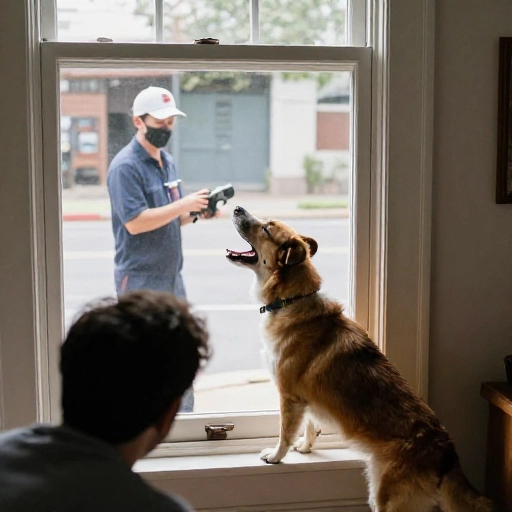
Let’s say your dog barks at the window. You close the curtains. Problem solved, right? Not really. You’ve just avoided the issue, and your dog never learns to cope.
When you remove triggers without training, your dog stays on high alert. They’ll find something else to bark at—a new sound, a shadow, a leaf blowing by.
Instead, use management (closing curtains) as a temporary tool while you train. Pair the trigger with treats at a distance your dog can handle. Gradually get closer. This changes their emotional response.

5. Skipping Mental and Physical Exercise
A tired dog is a quiet dog. But I don’t just mean physically tired. A dog who runs around the yard for an hour can still be mentally bored—and boredom leads to barking.
Barking is often a sign of pent-up energy. If your dog isn’t getting enough walks, playtime, or brain games, they’ll find their own entertainment. And it’s usually noisy.
Add one short training session (5–10 minutes) and a frozen Kong or puzzle toy to your daily routine. A mentally satisfied dog has less to say about everything.
6. Inconsistency with Training Rules
Some days you let your dog bark at the mailman. Other days you get annoyed. This confuses your dog. They can’t figure out when barking is okay and when it’s not.
Dogs thrive on clear patterns. If barking gets a reaction sometimes but not others, they’ll keep trying—because maybe this time it will work.
Pick a strategy (like teaching “quiet” or “place”) and stick with it for at least two weeks. Every single time. Consistency is what teaches a new habit.

7. Only Training Inside the House
Your dog is perfect in the living room. They know “quiet” and “sit” and “stay.” But the second you step outside, they act like they’ve never heard a command in their life.
Dogs are terrible at generalizing. Just because they understand a cue in one place doesn’t mean they know it applies in the backyard, on a walk, or near the front door.
Practice in different locations. Start in your house, then move to the yard, then the sidewalk. Each new spot needs its own practice sessions. This builds real understanding, not just rote memory.

8. Using a Shock or Spray Collar Without Guidance
I know these collars are tempting. They promise quick results. But in my experience, they often make things worse. Dogs can become fearful, anxious, or even more aggressive.
Barking is communication. If you punish the signal, you don’t fix the underlying issue. Your dog might stop barking but start pacing, whining, or showing other stress signs.
Focus on positive training that addresses why your dog barks. If you’re stuck, work with a professional who uses reward-based methods. Quick fixes usually backfire.

9. Ignoring the Root Cause of the Barking
Not all barking is the same. Your dog might bark because they’re scared, excited, bored, anxious, or trying to alert you. Each type needs a different solution.
If you treat all barking the same, you’ll waste time on strategies that don’t fit. For example, rewarding a scared dog for barking can make their fear worse.
Watch your dog’s body language. Is their tail wagging? Are they stiff? Are they looking at you or the trigger? Understanding the “why” changes everything about your training approach.
10. Giving Up Too Soon
This is the one I see most often. People try a technique for three days, don’t see results, and declare that nothing works. Then they go back to yelling or ignoring the problem.
Changing a barking habit takes time. Your dog has been practicing this behavior for weeks, months, or years. You can’t undo that in a weekend.
Celebrate small wins. One minute of quiet. One second of silence when the doorbell rings. These are progress. Stick with it, and the quiet stretches will grow longer. You’ve got this.

Conclusion
Barking isn’t bad behavior—it’s normal dog communication. But when it takes over your home, it’s a sign that something in your approach needs to shift. By avoiding these ten mistakes, you’ll stop accidentally encouraging the noise and start teaching your dog that quiet pays off.
Be patient with yourself and your pup. Every dog can learn to bark less, but it takes consistency, understanding, and a little creativity. You’re not alone in this—most dog owners have been where you are. And with the right steps, you’ll get there too.
[[IMG:IMG12]]
FAQ
1. How long does it take to stop a dog from barking?
It depends on the dog and how long the habit has been going. Some dogs improve in a week, others take a month or more. The key is consistency. If you stick with one method for at least two weeks, you’ll start seeing changes.
2. Should I use a bark collar?
I don’t recommend them. They can cause fear and don’t address why your dog is barking. Positive training methods are safer and more effective in the long run. If you’re considering a collar, talk to a force-free trainer first.
3. What if my dog only barks when I’m gone?
This could be separation anxiety or boredom. Try leaving your dog with a puzzle toy or frozen treat. Practice short departures and gradually increase the time. If the barking is severe, consult a vet or behaviorist.
4. Is it okay to let my dog bark a little?
Absolutely. Dogs use barking to communicate. A few barks at the door or during play are normal. The goal isn’t total silence—it’s stopping excessive or uncontrollable barking that stresses everyone out.
5. How do I stay calm when my dog won’t stop barking?
Take a breath and step away if you need to. Put your dog in a safe space (like a crate or separate room) for a few minutes. Training works best when you’re calm. If you’re frustrated, the dog picks up on that energy. Short breaks help both of you reset.