Simple Homemade Cat Food Recipes Your Kitty Will Actually Eat
I know how it feels to stare at the ingredient list on a bag of cat food and wonder what half of those words even mean. That’s exactly why I started making my own cat food at home. It’s not as hard as you think, and your cat will thank you for it with purrs and happy meows.
These recipes are easy, healthy, and use simple ingredients you probably already have in your kitchen. No fancy equipment, no weird supplements you can’t find. Just real food for your real feline friend.
What You’ll Need (Simple Kitchen Tools)
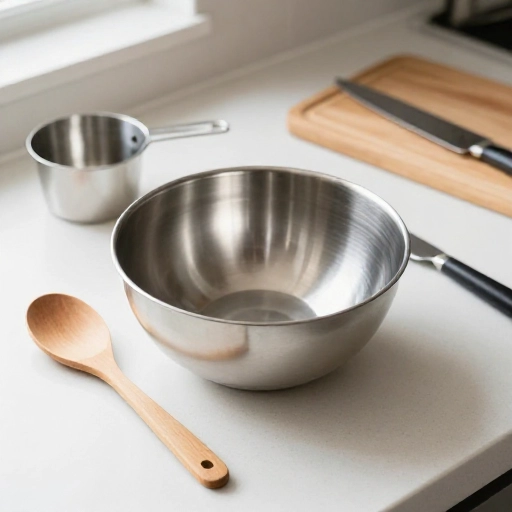
You don’t need a lot of gear to make homemade cat food. A good blender or food processor helps a ton, especially for grinding up meat or mixing everything together. A digital kitchen scale is also handy for getting portions right, but a measuring cup works fine in a pinch.
Grab a large mixing bowl, a sharp knife, and some airtight storage containers. I like using glass jars because they’re easy to clean and don’t hold onto smells. That’s it. No special cat food-making gadgets required.
Simple Chicken & Pumpkin Cat Food
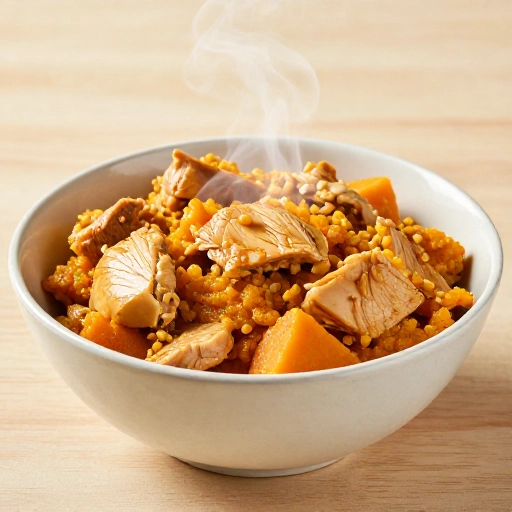
This recipe is my go-to for a balanced, gentle meal. It’s packed with protein and fiber, and most cats go crazy for it. The pumpkin helps with digestion, and the chicken is a lean source of meat.
Ingredients:
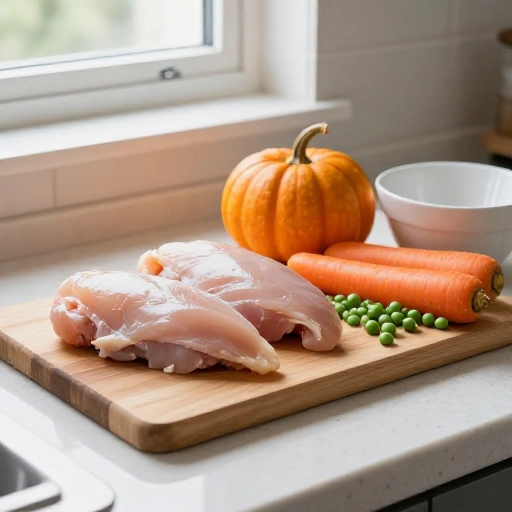
- 1 pound boneless, skinless chicken thighs (or breasts)
- 1/2 cup canned pumpkin (plain, not pie filling)
- 1/4 cup chicken broth (low sodium, no onions or garlic)
- 1 teaspoon fish oil (optional, for omega-3s)
Instructions:
- Cook the chicken thoroughly. You can boil it in water for about 20 minutes, or bake it at 350°F until the internal temp hits 165°F. Let it cool.
- Cut the chicken into small chunks so your blender doesn’t struggle.
- Add the chicken, pumpkin, broth, and fish oil to your food processor or blender. Pulse until it’s a smooth, pâté-like texture. Add a little more broth if it’s too thick.
- Spoon into storage containers. This will keep in the fridge for up to 4 days. You can also freeze portions for up to 3 months.
Why Make Your Own Cat Food?
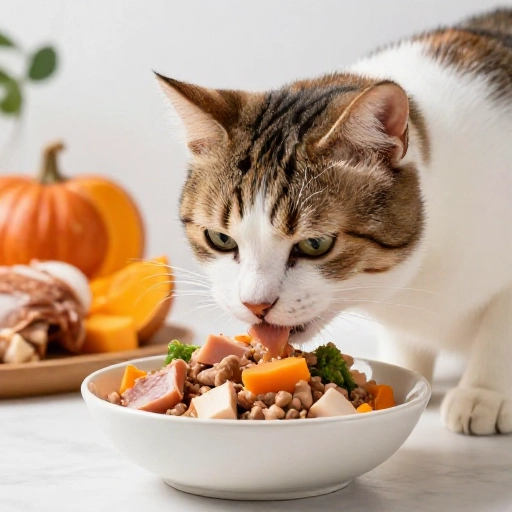
When I started feeding my cat homemade food, I noticed a huge difference in her energy and coat. Her fur got softer, she had more pep in her step, and her digestion improved. Plus, I knew exactly what was going into her bowl. No mystery meats or fillers.
It also saves money in the long run, especially if you buy ingredients in bulk. And honestly, there’s something special about making a meal for your pet with your own hands. It’s a simple act of love they really feel.
Conclusion
Making healthy cat food at home doesn’t have to be complicated or expensive. Start with this simple chicken and pumpkin recipe, and watch your cat’s reaction. You’ll both feel better about mealtime. If you’re new to this, just remember to talk to your vet before making any major diet changes, especially if your cat has health issues. Happy cooking for your furry friend!
Frequently Asked Questions
1. Can I use canned chicken instead of fresh?
Yes, but drain it well and look for low-sodium options. Fresh is usually better for texture and flavor.
2. How much homemade food should I feed my cat per day?
It depends on your cat’s weight and activity level. A general guideline is about 1/4 to 1/3 cup per 5 pounds of body weight, split into two meals. Check with your vet for a precise amount.
3. Can I add vegetables to the recipe?
Some cats tolerate small amounts of cooked carrots or green beans, but cats are obligate carnivores. Stick mostly to meat and a little pumpkin for fiber.
4. How do I store leftover cat food?
Keep it in an airtight container in the fridge for up to 4 days. For longer storage, freeze individual portions in ice cube trays or small containers.
5. Do I need to add supplements to homemade cat food?
For short-term feeding, this recipe is balanced enough. For long-term use, ask your vet about adding taurine and other essential nutrients to ensure your cat stays healthy.