10 Outdoor Dog House Projects That’ll Make Your Pup the Happiest on the Block
Let’s be real—your dog doesn’t care if their house is Pinterest-perfect. But you do, and that’s totally okay. After building (and rebuilding) more dog houses than I care to admit, I’ve learned that the best projects are the ones that balance looks, comfort, and your dog’s actual size and habits.
Whether you have a tiny Chihuahua who needs a cozy cave or a Great Dane who needs a mansion, there’s a DIY here for you. These aren’t just basic plywood boxes—they’re practical, weather-proof, and fun to build. Grab your tools, and let’s get your pup’s outdoor space sorted.
1. The Pallet Palace: Free Wood, Big Style
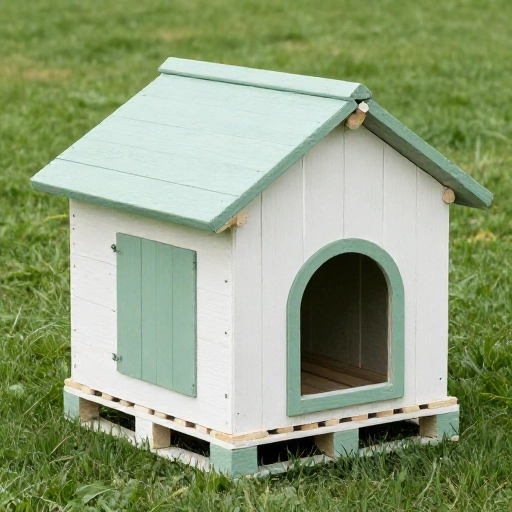
If you’ve got a stack of pallets sitting around, this is your project. Pallets are free, sturdy, and give off that rustic farmhouse vibe that looks great in any backyard. The key is picking pallets that aren’t treated with harmful chemicals—look for the HT (heat-treated) stamp.
Break them down, sand everything smooth, and build a simple box frame. Leave the slats slightly spaced on the walls for airflow, but make sure the floor is solid. Add a slightly raised floor so rain doesn’t pool underneath. This project takes about a weekend and costs almost nothing.
For extra points, stain it a dark charcoal or leave it natural. Your dog won’t care, but your neighbors will definitely ask where you bought it.
2. The No-Sew Insulated Igloo for Winter Pups
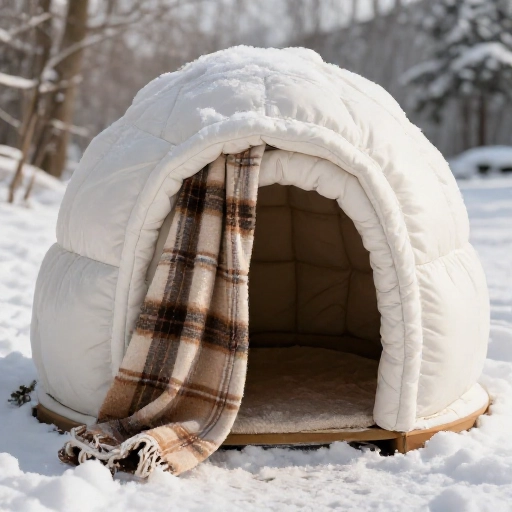
Not everyone can sew, and that’s fine. This project uses rigid foam insulation boards, a plastic storage tub, and a utility knife. The tub becomes the outer shell, and the foam goes inside to trap body heat. It’s like a thermos for your dog.
Cut a doorway in both the tub and the foam, then layer the foam around the inside walls. Use spray adhesive to keep it in place. The dome shape of the tub sheds rain and snow naturally, so you don’t have to worry about a flat roof caving in.
This is perfect for short-haired breeds like Boxers or Greyhounds who feel the cold fast. Throw in a fleece blanket (not a towel—towels stay wet) and you’re done.
3. The A-Frame Cabin for Rustic Charm
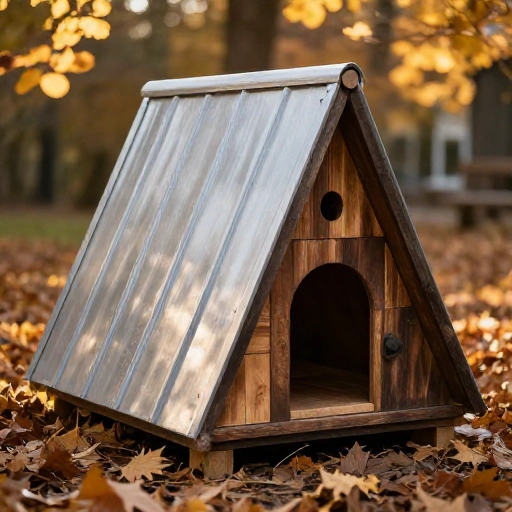
An A-frame is basically a triangle tent made of wood. It’s incredibly easy to build because you only need two angled panels, a floor, and a small back panel. The steep angles mean rain and snow slide right off, so you’ll never deal with a leaky roof.
This style is great for breeds that like to feel enclosed, like Terriers or Dachshunds. The triangular shape makes the interior cozy and snug. You can make the front panel removable for easy cleaning—trust me, you’ll want that.
Use cedar or pressure-treated plywood for the base so it doesn’t rot after a few wet seasons. Paint the outside with a weatherproof stain, but keep the inside bare so your dog’s natural oils can absorb into the wood without fumes.
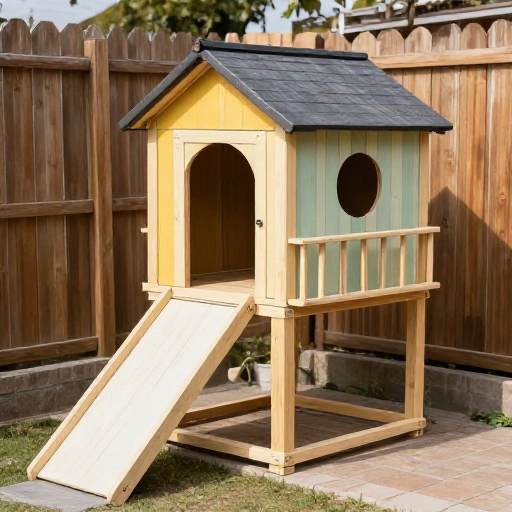
4. The Raised Deck House for Hot Climates
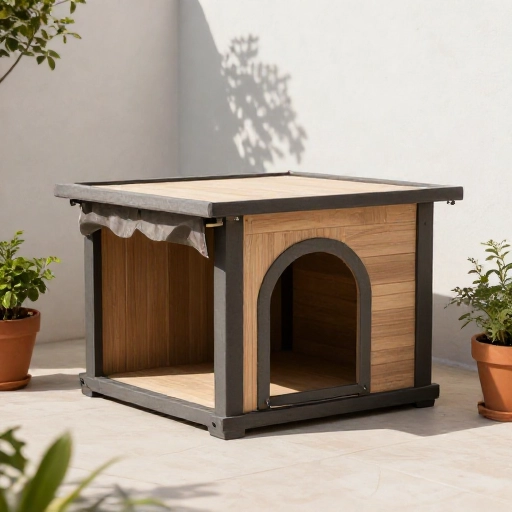
If you live somewhere that hits 90 degrees in July, a raised house is a lifesaver. The elevated floor lets air circulate underneath, keeping the interior cooler than a house sitting directly on the ground. It also keeps bugs and dampness away.
Build a standard box, but attach four sturdy legs (2x4s work great). Aim for at least six inches of clearance. Add a small ramp or a couple of steps so your older dog doesn’t have to jump. The front porch area gives them a place to sit and survey their kingdom.
For extra cooling, paint the roof white or a light silver to reflect the sun. Add a removable roof panel so you can lift it off and hose the inside down. This is a great project for Labradors or Golden Retrievers who love being outside all day.
5. The Barrel Dog House: The Cozy Cave
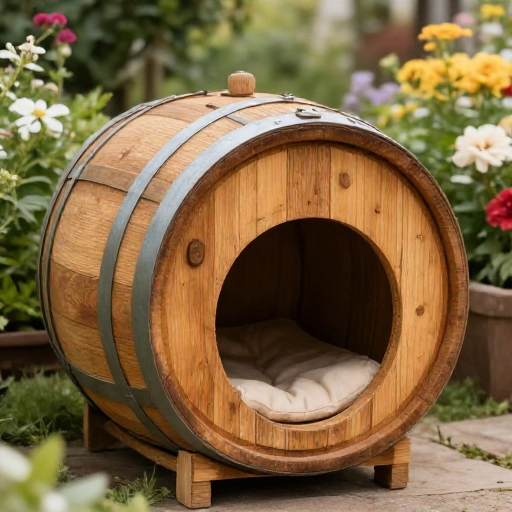
Ever seen those half-barrel planters? Turn one on its side, and you’ve got a ready-made dog cave. The curved shape mimics a den, which makes dogs feel incredibly secure. It’s a super simple project that looks super custom.
Cut a rounded doorway in the front of the barrel, sand the edges smooth, and add a plywood floor on the bottom. You don’t even need a roof—the barrel is already waterproof. Add a cushion inside and a flap over the door for wind protection.
This works for medium breeds like Beagles, Corgis, and Bulldogs. The curved walls mean they can’t stretch out flat, but that’s okay—most dogs prefer to curl up anyway. Just make sure the barrel is food-grade quality if it used to hold anything edible.
6. The Upcycled Nightstand Dog House
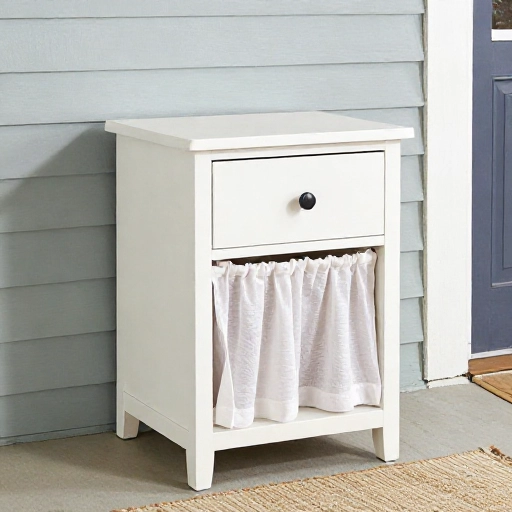
Hit up a thrift store or your local buy-nothing group and grab an old wooden nightstand or dresser. Remove the drawers, cut out the back panels, and you’ve got a stylish, vintage-looking dog house that looks like furniture, not a shack.
Paint it a fun color or leave the chipped wood as is. Add a cute little curtain over the opening for a touch of charm. The drawers can be repurposed as storage for your dog’s toys and leashes right outside the house.
This is perfect for smaller breeds—think Pugs, Shih Tzus, or Frenchies. It’s not the most weatherproof option, so keep it under a covered porch or a patio awning. But if you want something that looks adorable in photos, this is the winner.
7. The Two-Story Dog Condo for Multi-Dog Homes
Got two dogs who fight over the same bed? Build them a condo. This is just two boxes stacked on top of each other with a ramp or stairs leading up. The bottom floor gets a solid wall, and the top floor gets a balcony.
Use 3/4-inch plywood for the frame since it needs to hold weight. Build the lower unit with a side entrance, and the upper unit with a front entrance that faces the ramp. Add a small roof that overhangs for shade on the top deck.
This is great for small to medium dogs. Big dogs don’t do well with stairs, but a Dalmatian or a Whippet will love having a perch. If your dogs get along, they’ll share the top spot. If not, they each get their own floor—problem solved.
8. The PVC Frame Tent House
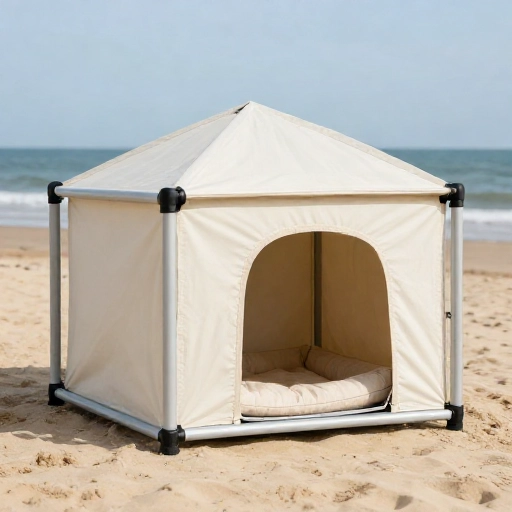
This one takes about 20 minutes and zero woodworking skills. You just need PVC pipes, elbows, and a canvas tarp or heavy-duty fabric. The frame snaps together in minutes, and the fabric drapes over the top like a tent.
Cut the PVC to size, connect the elbows to form a rectangle base, and add two vertical poles for the height. Drape your fabric over the top and secure it with zip ties or clips. Leave one side open for the door, or cut a slit in the fabric.
This is perfect for travel or as a temporary house while you build the permanent one. It’s lightweight, easy to store, and you can wash the fabric cover in the washing machine. Great for breeds that like to see out, like Shepherds or Collies.
9. The Igloo-Style Cooler for Summer
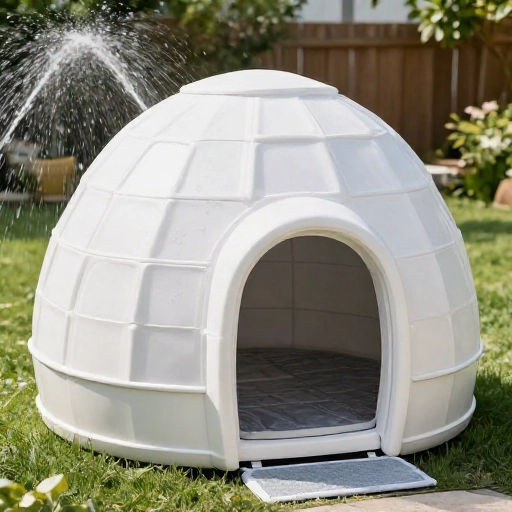
You know those cheap styrofoam coolers you buy for beach trips? Flip one upside down, cut a door in the side, and you have an instant cool house. The styrofoam keeps the heat out, but it’s not chew-proof, so this is for well-behaved dogs.
Reinforce the outside with a layer of duct tape or wrap it in a plastic storage bin. Cut a curved doorway that’s about 80% of your dog’s shoulder height. Add a cooling mat (the kind that activates with pressure) inside.
This is a budget-friendly project for anyone with a Husky or Malamute who still wants to be outside even when it’s hot. It won’t last forever, but for less than $15, you can’t beat it.
10. The Classic Gable Roof House (Built to Last)
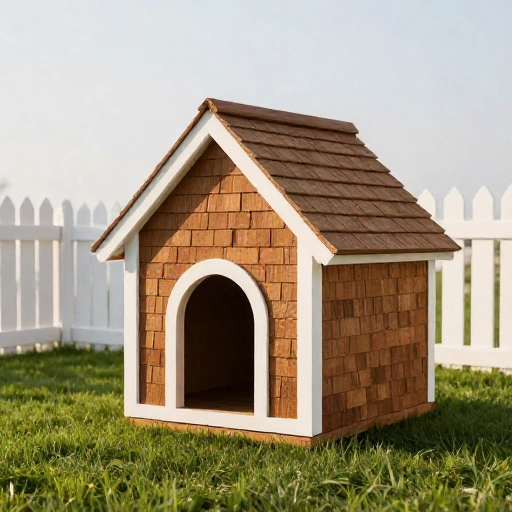
This is the traditional dog house you see in every cartoon—and for good reason. The peaked roof gives your dog headroom, and the overhang keeps rain from splashing into the door. It’s the most involved project on this list, but it’s also the most durable.
Build a rectangular base, four walls, and a gable roof using plywood and 2x4s. Cut the door off-center so your dog has a solid wall to sleep against. Add a removable roof hinge so you can clean the inside easily.
This is the one you build once and keep for 15 years. Use exterior-grade plywood, seal all the edges with caulk, and paint with exterior latex. Your dog will have a proper house that survives storms, squirrels, and everything in between.
Final Thoughts: Build Smart, Not Just Pretty
No matter which project you pick, the most important thing is to size it right. Your dog should be able to stand up, turn around, and lie down comfortably. If it’s too big, they lose body heat in winter. Too small, and they’ll refuse to use it—believe me, I’ve been there.
Measure your dog lying down from nose to tail, then add a few inches. That’s your floor length. The door should be about 75% of your dog’s height. Get those two numbers right, and you’re golden.
And don’t forget to add a flap over the door if you live in a windy area. It makes a world of difference for keeping the inside warm and dry. Happy building!
FAQ: Your Dog House Questions, Answered
Q: Should I put a dog house directly on the ground?
A: No. Always raise it off the ground—even by just a few inches—to prevent moisture from seeping up through the floor. Cinder blocks, bricks, or wooden legs all work fine.
Q: What’s the best material for a dog house?
A: Exterior-grade plywood is the best all-around choice. It’s affordable, easy to work with, and holds up well when sealed properly. Avoid OSB or particle board—they swell and fall apart when wet.
Q: How do I keep my dog house warm in winter without a heater?
A: Insulate the walls with rigid foam boards, add a flap over the door, and use a thick bed of cedar shavings or straw (not hay). Straw allows airflow while trapping body heat. Avoid blankets in outdoor houses—they get wet and freeze.
Q: My dog won’t go inside their new house. What do I do?
A: Put treats, a toy, or a piece of your worn clothing inside. Feed them their meals near the door, then slowly move the bowl inside. Never force them in—it takes time. Some dogs just prefer to sleep outside the house, and that’s okay.
Q: Can I use a plastic dog house instead of building a wooden one?
A: Sure, plastic houses are lightweight and easy to clean. But they don’t insulate well and can get stuffy in summer and cold in winter. Wood breathes better and looks nicer. If you go plastic, place it in a shaded spot and add a pad.