10 Shih Tzu Nutrition Tips for a Happy, Healthy Fluffball
As a Shih Tzu owner, I know our main job is to keep that silky coat shiny and those big, bright eyes full of life. It all starts with what goes in their bowl. Good nutrition is the secret to their energy, their health, and that undeniable charm.
But with so much information out there, it can feel overwhelming. I’ve spent years learning what works best for this special breed, from managing their sensitive tummies to supporting their unique needs. These ten tips are the practical, tried-and-true guide I wish I’d had from day one.
1. Master the Protein Balance
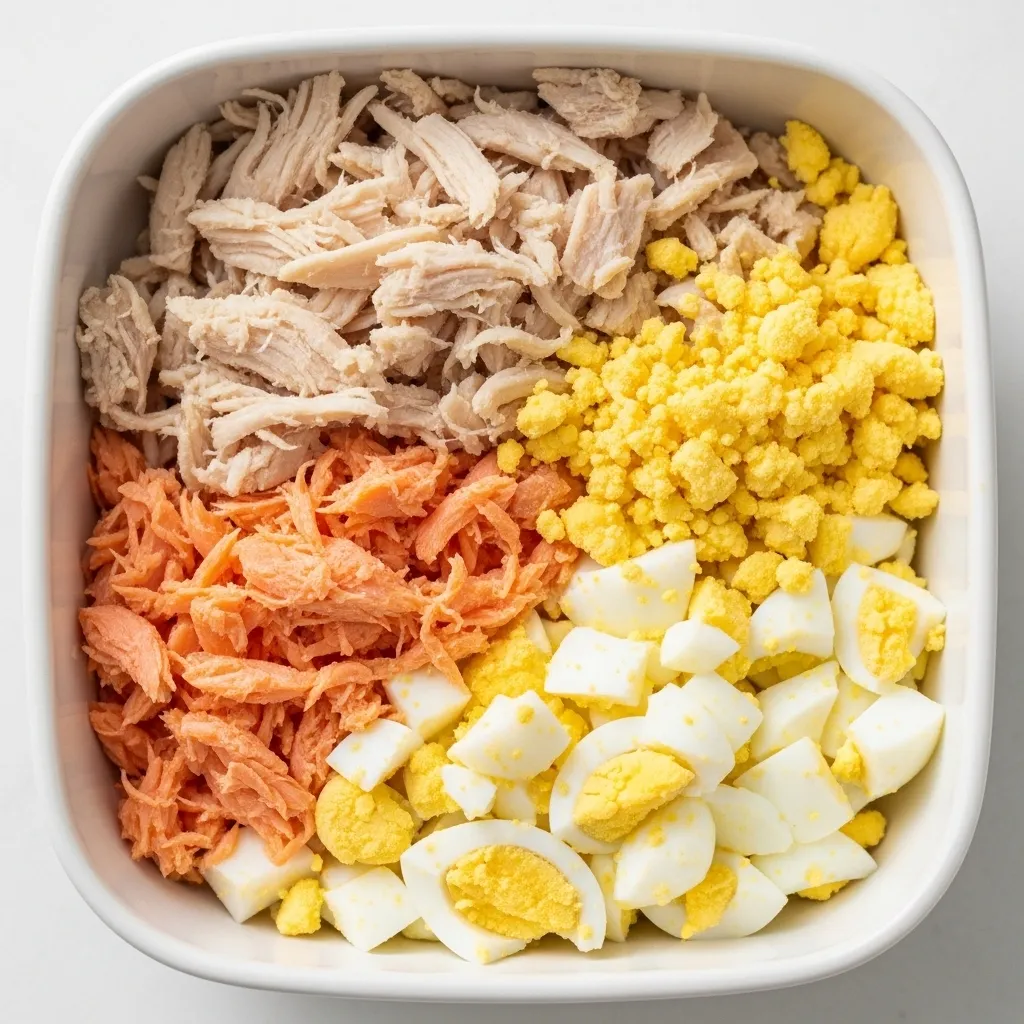
Shih Tzus need high-quality protein to maintain their muscle tone and beautiful coat. Look for named meat sources like chicken, lamb, or fish as the first ingredient in their food.
But balance is key! Too much protein can strain their small kidneys. Aim for a diet with moderate, digestible protein levels specifically formulated for small-breed adults or seniors.
2. Befriend Healthy Fats
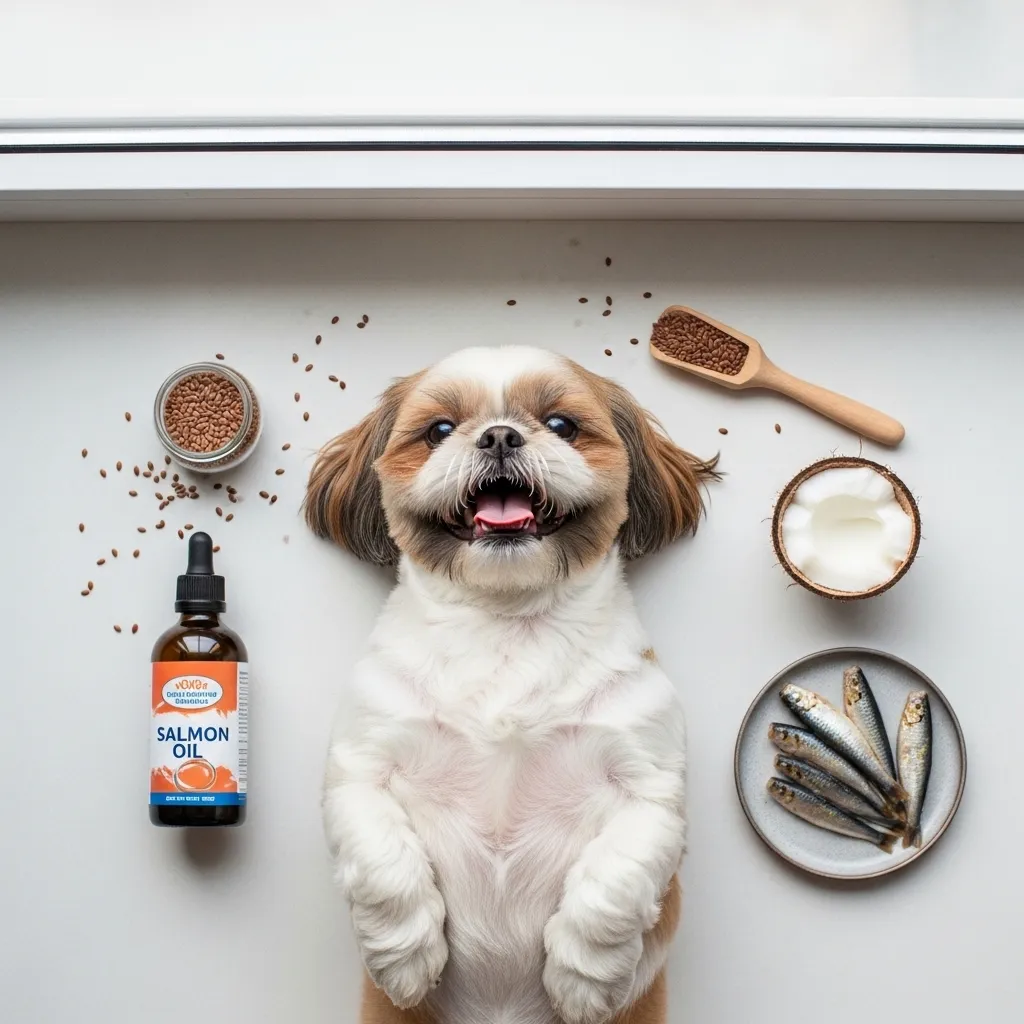
Those gorgeous locks don’t maintain themselves! Omega-3 and Omega-6 fatty acids are non-negotiable. They promote skin health, reduce itching, and give the coat that incredible shine.
I add a little salmon oil or flaxseed to my dog’s meals. You can also find these fats in quality foods with fish meal or chicken fat. A little goes a long way for their skin and brain health.
3. Choose Small-Breed Kibble
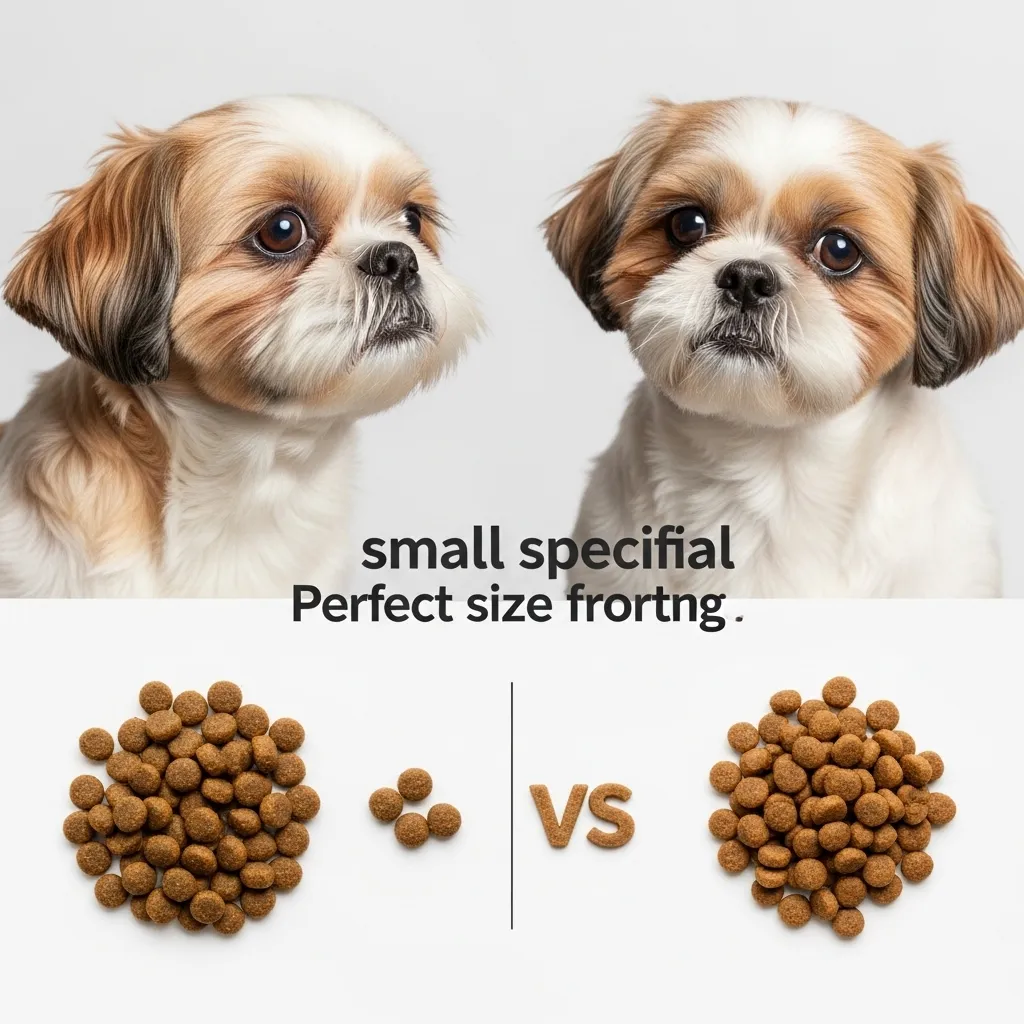
This was a game-changer for me. Small-breed kibble is sized perfectly for their tiny mouths and jaws. It encourages proper chewing, which is better for digestion and dental health.
The formula is also more calorie-dense, so they get the energy they need from a smaller portion. It’s designed for their faster metabolism.
4. Keep Portions in Check
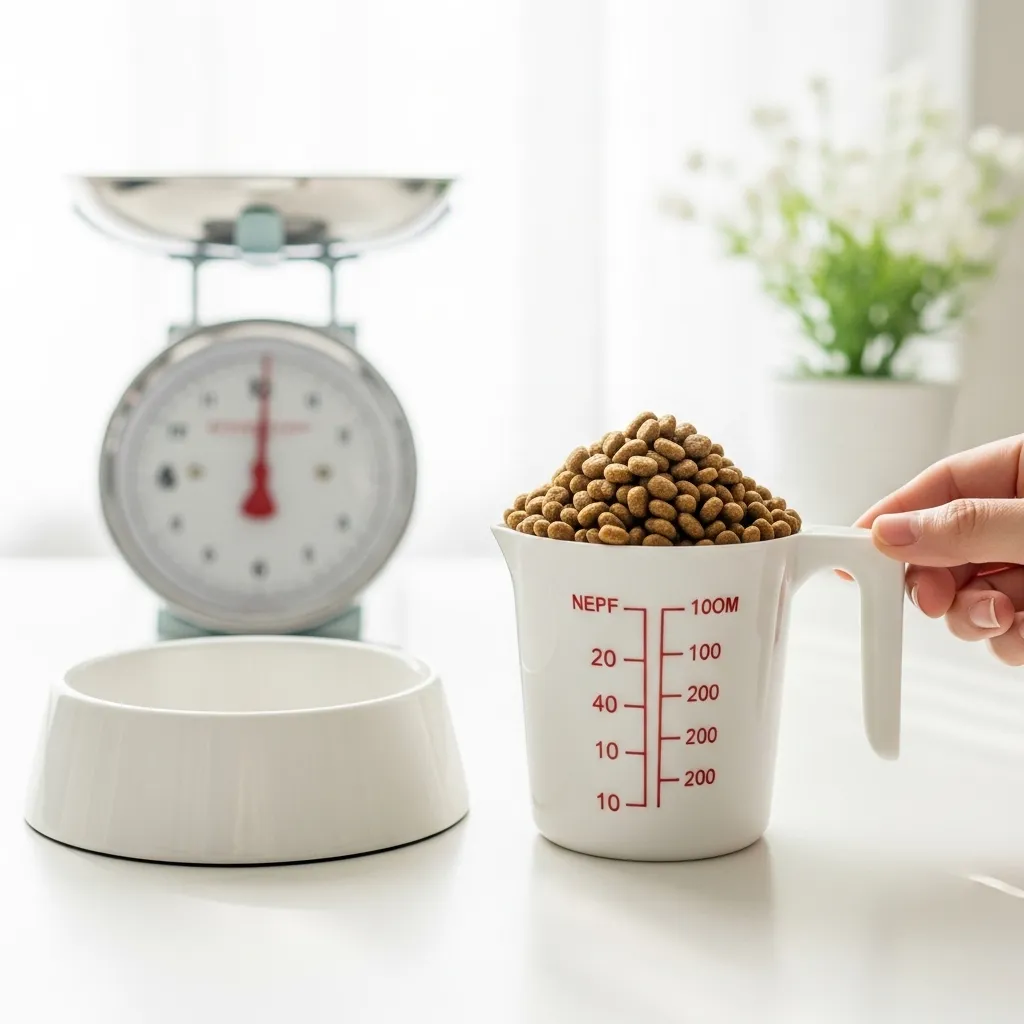
It’s so easy to overfeed these adorable faces! Shih Tzus are prone to weight gain, which puts stress on their joints and spine. I use a proper measuring cup, not a guess.
I follow the guidelines on the food bag as a starting point, then adjust based on my dog’s activity level and body condition. A lean Shih Tzu is a more active and healthy one.
5. Hydrate, Hydrate, Hydrate
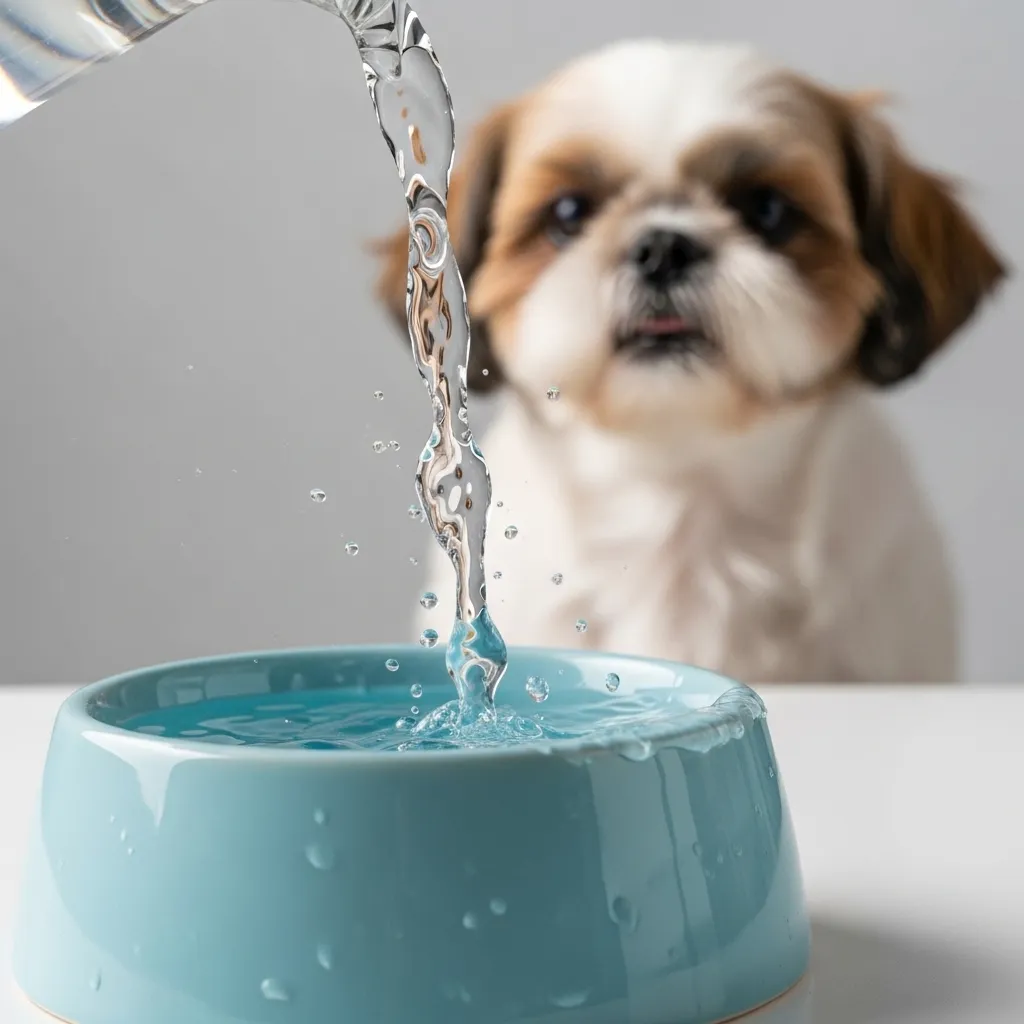
Fresh water is the most important nutrient. I keep multiple clean bowls around the house. Proper hydration aids digestion, keeps kidneys healthy, and helps with overall vitality.
I sometimes add a splash of water or low-sodium broth to their kibble to increase fluid intake, especially if I notice they aren’t drinking enough on their own.
6. Navigate Food Sensitivities
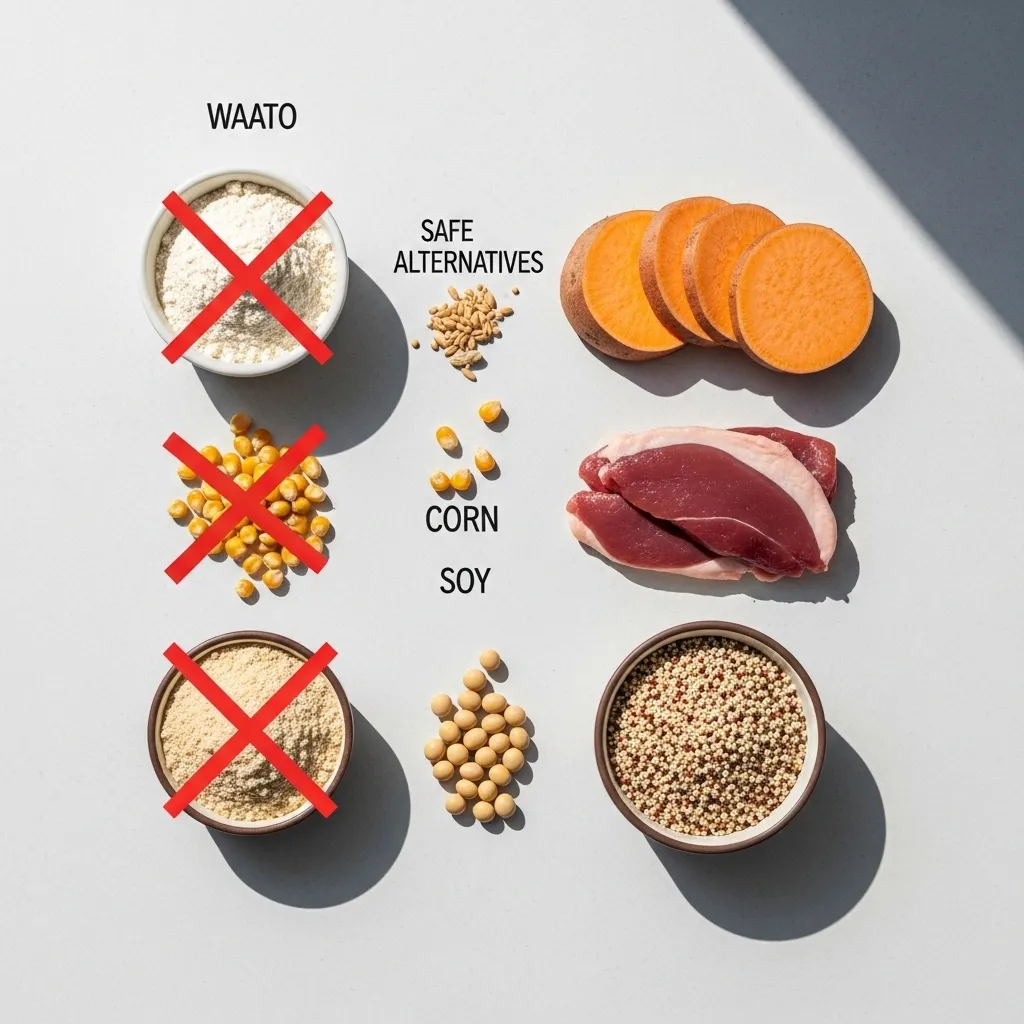
Many Shih Tzus have sensitive stomachs or allergies. Common triggers include chicken, beef, wheat, corn, and soy. If yours has itchy skin or digestive upset, a limited-ingredient diet can help.
I found success by switching to a novel protein like duck or venison. Always transition food slowly over 7-10 days to avoid upset.
7. Be Smart About Treats
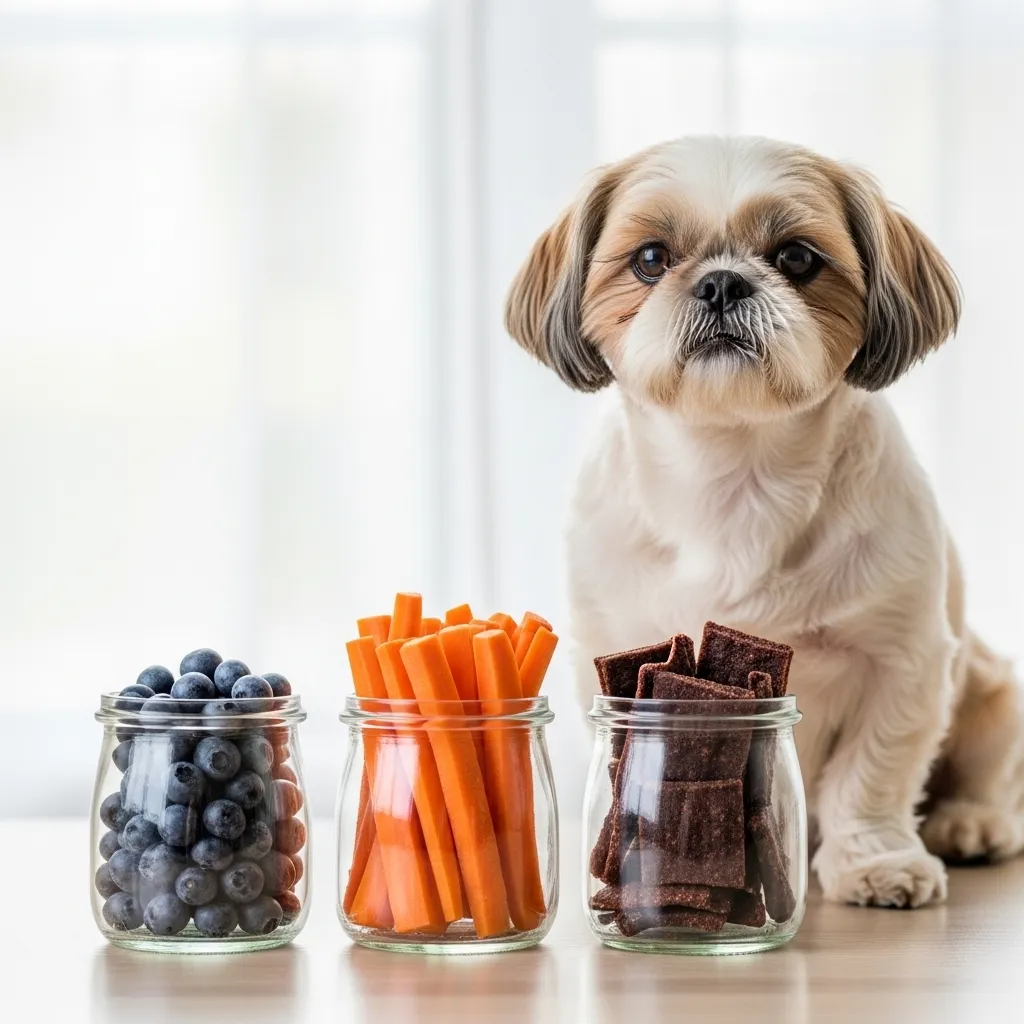
Treats should never make up more than 10% of their daily calories. I opt for healthy, small options like a piece of blueberry, a bit of cooked sweet potato, or a training treat the size of a pea.
This prevents unbalancing their main diet and helps manage their weight. Remember, every little bite counts!
8. Support Dental Health Daily
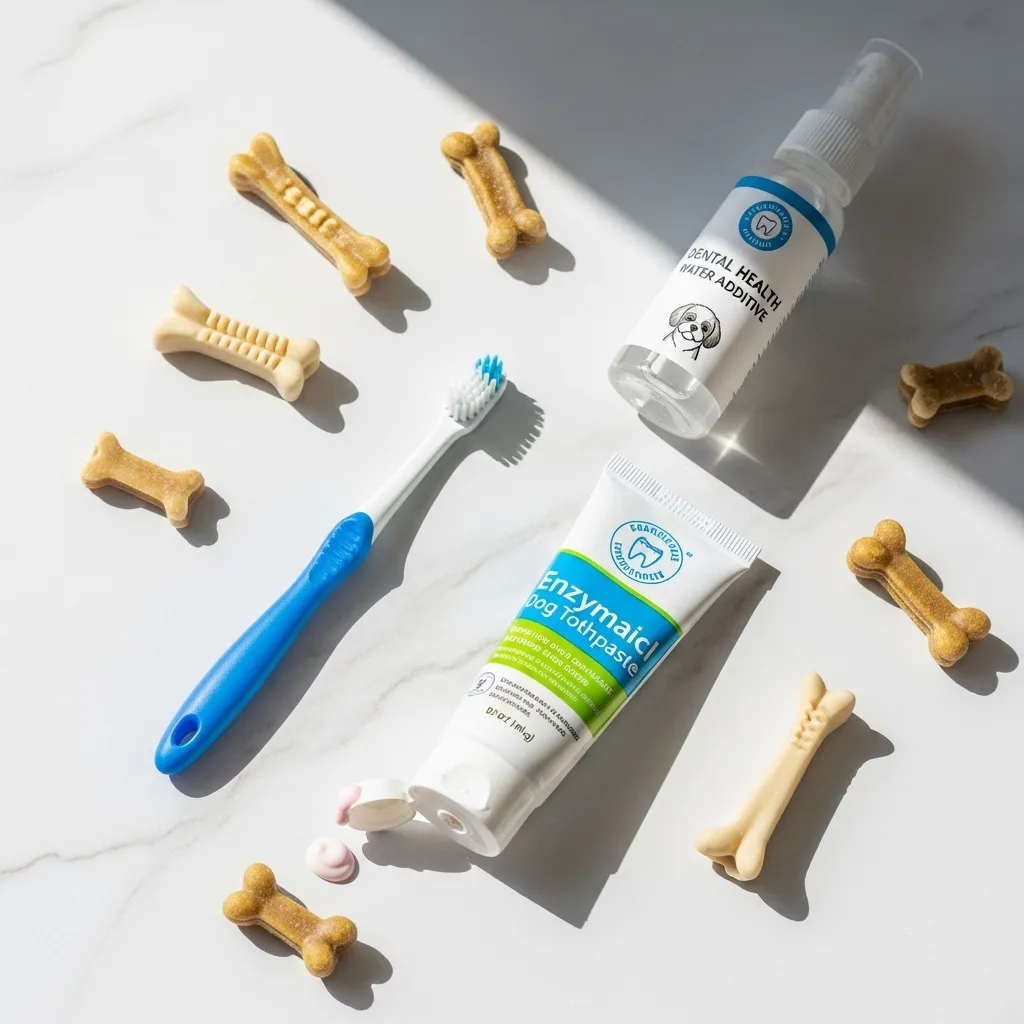
Brachycephalic breeds like Shih Tzus are notorious for dental issues. Nutrition can help! I use dental-formula kibble or add dental chews approved by the VOHC.
- Crunchy kibble can help scrape plaque.
- Special dental diets are formulated to reduce tartar.
- Avoid only soft, wet food to encourage chewing.
9. Adjust for Age & Activity
A playful puppy has different needs than a dignified senior. Puppy food supports growth, adult food maintains, and senior formulas often have joint support and fewer calories.
My senior Shih Tzu now gets food with glucosamine and is on a lighter calorie plan since she’s less active. It’s important to reassess their food at every life stage.
10. Consult Your Vet, Always
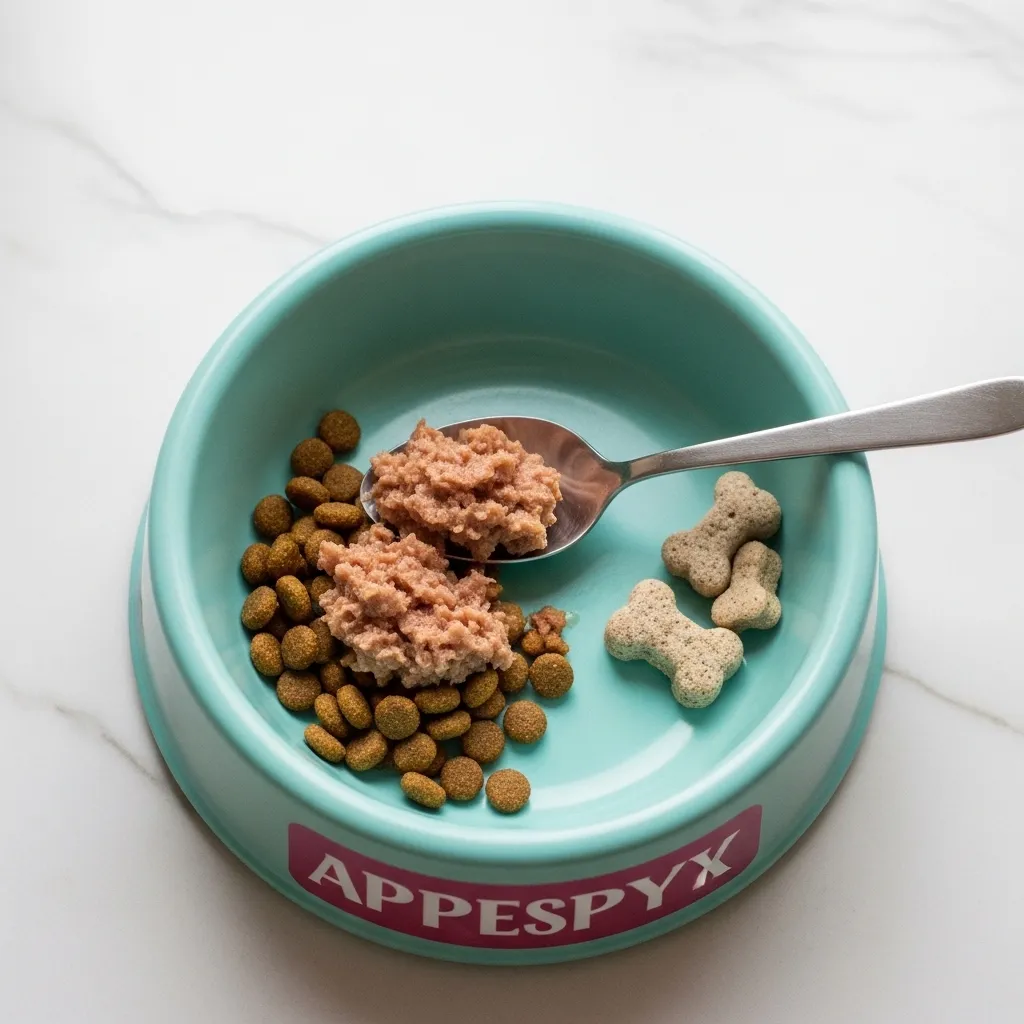
This is the most important tip. Your vet knows your dog’s specific health history. Before making any major diet change, adding supplements, or if you have concerns about weight or allergies, talk to them.
They can recommend the best nutritional path and rule out any underlying health issues that might be affecting your dog’s well-being. They’re your best partner in your Shih Tzu’s health journey.

Your Fluffy Friend’s Health Starts Here
Feeding your Shih Tzu well is one of the most profound acts of love. It’s not about perfection, but about making informed, caring choices. By focusing on quality ingredients, proper portions, and their unique needs, you’re investing in more vibrant years together. Start with one or two of these tips and build from there—your pup will thank you with every wag and kiss.
Shih Tzu Nutrition FAQ
Q: How many times a day should I feed my Shih Tzu?
A: I feed my adult Shih Tzu twice a day—morning and evening. Puppies need three to four smaller meals. This helps regulate blood sugar and prevents bloating.
Q: Is grain-free food okay for Shih Tzus?
A: Only if recommended by your vet for a specific allergy. Recent studies suggest a potential link between some grain-free diets and heart issues. High-quality grains like brown rice or oatmeal can be a healthy part of their diet.
Q: What human foods are safe for my Shih Tzu?
A: In tiny amounts: cooked chicken, carrots, green beans, blueberries, and plain pumpkin. Always avoid grapes, raisins, chocolate, onions, garlic, and anything with xylitol.
Q: Why does my Shih Tzu seem like a picky eater?
A> It’s common! Sometimes it’s due to boredom with the same food, a sensitive stomach, or even the bowl’s height. Try a slow feeder, warming the food slightly, or rotating between two quality formulas.
Q: Do Shih Tzus need supplements?
A> They might. Many benefit from a joint supplement like glucosamine as they age, or an Omega-3 supplement for their coat. Never add supplements without discussing it with your veterinarian first.