10 Things You Need to Know Before You Get a Dogue de Bordeaux

So you’re thinking about adding a Dogue de Bordeaux to your family? I don’t blame you. With that wrinkly face and soulful eyes, they’re impossible to ignore. But let me tell you—this isn’t just any dog. This breed comes with a whole lot of heart, drool, and responsibility.
I’ve spent time around these gentle giants, and they’re truly one of a kind. But before you fall for that squishy face, there are some hard truths you should know. Here are ten things I wish someone had told me before bringing home a Dogue de Bordeaux.
1. They Are Not for First-Time Owners
This is the number one thing to understand. A Dogue de Bordeaux is powerful, stubborn, and incredibly strong-willed. If you’ve never owned a dog before, this breed will likely outsmart you.
They need a confident leader who sets clear boundaries. Without proper training, they can become overwhelming. They aren’t aggressive by nature, but their size alone demands respect and control.
If you’re new to dogs, I’d suggest starting with a smaller, easier breed first. Trust me on this one.
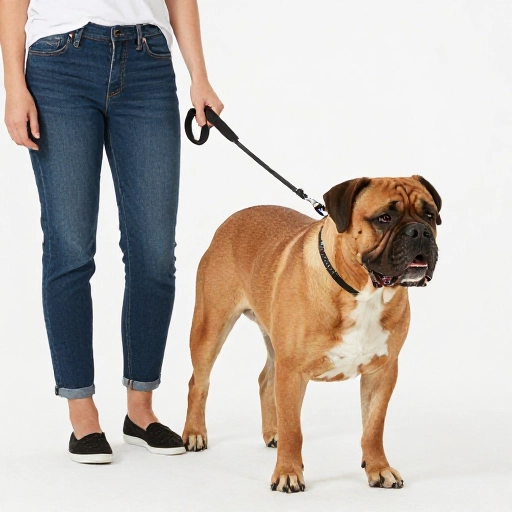
2. Prepare for the Drool—Seriously
You think you know drool? Think again. Dogue de Bordeaux drool like it’s their full-time job. After drinking water, after eating, after a walk—there will be slobber.
I’ve found drool on my ceiling before. I’m not kidding. You’ll want to keep a towel handy at all times. And forget wearing black pants to a friend’s house.
If you’re squeamish about slime, this might not be the breed for you. But if you can handle it, you’ll learn to love the mess.

3. They Are Short-Lived Compared to Other Breeds
This one hurts to write. The average lifespan of a Dogue de Bordeaux is only 5 to 8 years. Some live longer, but many don’t.
They are prone to health issues like hip dysplasia, heart problems, and bloat. You need to be prepared for potential vet bills and heartbreak.
Knowing this upfront helps you cherish every slobbery kiss even more. But it’s something you really need to consider before committing.

4. They Are Extremely Low Energy (Most of the Time)
You might think a giant dog needs endless exercise. Not this one. Dogue de Bordeaux are couch potatoes at heart.
A couple of short walks a day and some playtime are usually enough. They’d much rather nap at your feet than run a marathon.
But don’t let that fool you—they still need daily movement to stay healthy. Just don’t expect a jogging partner.

5. They Are Incredibly Loyal and Protective
Once a Dogue de Bordeaux bonds with you, you are their world. They are naturally protective of their family and home.
This makes them excellent watchdogs. They don’t bark much, but their presence alone is often enough to deter strangers.
Socialization is crucial here. Without it, their protective instinct can turn into shyness or wariness. Start early and keep it positive.
6. Training Requires Patience and Consistency
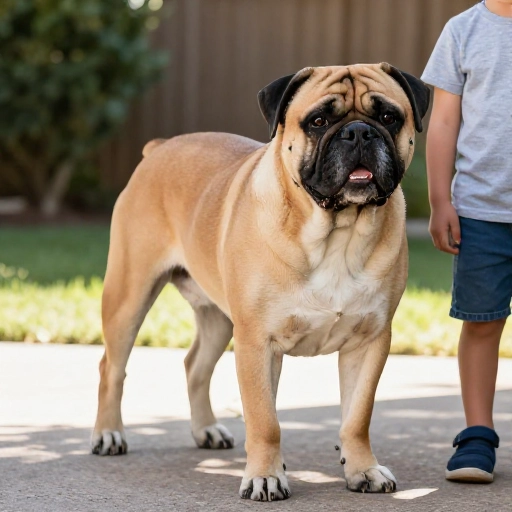
These dogs are smart, but they’re also stubborn. They will test your limits, especially during adolescence.
I found that short, rewarding training sessions worked best. Harsh methods backfire with this breed—they respond much better to calm, firm guidance.
You’ll need to repeat commands many times before they stick. But once they do, your Dogue will be a reliable, well-mannered companion.

7. They Can Be Expensive to Care For
Big dogs mean big costs. Food, vet visits, medications, and even beds are all more expensive for a giant breed.
A Dogue de Bordeaux eats a lot. I’m talking high-quality dog food in large quantities. You’ll also need a strong crate, a sturdy leash, and a car big enough to fit them.
Budget for unexpected vet visits too. Health issues can pop up fast, and treatment isn’t cheap.

8. They Are Wonderful with Kids (With Supervision)
Despite their size, Dogue de Bordeaux are often gentle and patient with children. They have a calm, affectionate nature that makes them great family dogs.
But they are heavy and can accidentally knock over a toddler. Always supervise interactions between your dog and young kids.
Teach your children how to respect the dog’s space. When raised together, the bond between a Dogue and a child is truly special.

9. Grooming Is Easier Than You’d Think
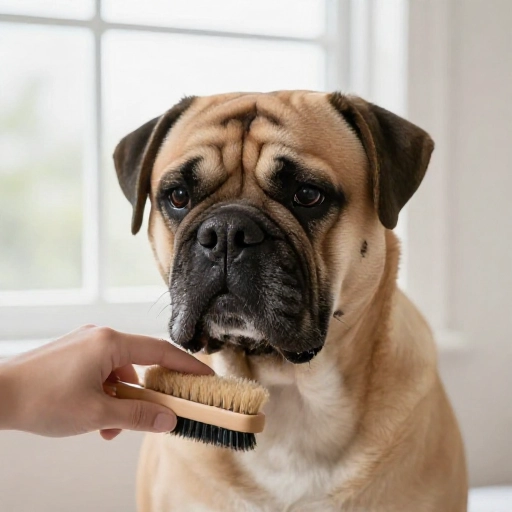
Short coat means minimal shedding compared to other breeds. But those wrinkles need regular cleaning to prevent infections.
I wipe my dog’s face folds daily with a damp cloth. Nail trimming and ear cleaning are also part of the routine.
Bathing is only needed every few months. The real work is keeping the wrinkles dry and clean.
10. They Need a Home with Space
You don’t need a mansion, but a small apartment can be tough for a Dogue de Bordeaux. They need room to stretch out and move around.
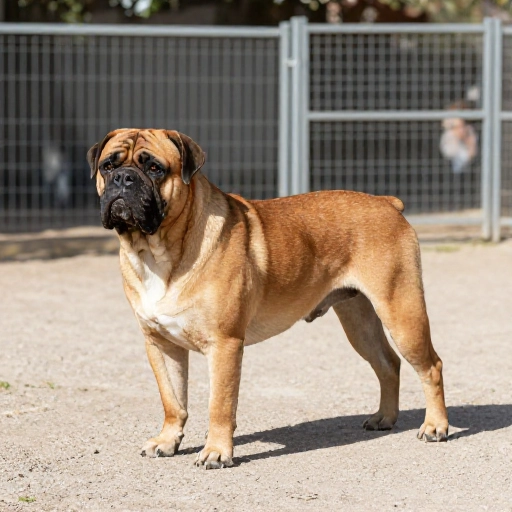
A house with a securely fenced yard is ideal. They aren’t escape artists, but they do enjoy lounging outside on sunny days.
If you live in a tiny space, be prepared for lots of floor time. They will take up the whole couch—and your bed too, if you let them.
Conclusion
A Dogue de Bordeaux is not just a pet—it’s a lifestyle. They are loyal, loving, and absolutely unforgettable. But they also come with challenges that require patience, money, and a whole lot of towels.
If you can handle the drool, the short lifespan, and the stubbornness, you’ll gain a friend like no other. Do your homework, talk to breeders, and be honest with yourself about what you can offer.
When it’s the right fit, there’s nothing quite like coming home to that wrinkly, happy face.
Frequently Asked Questions
Are Dogue de Bordeaux good with other dogs?
They can be, but early socialization is key. Some can be dominant with same-sex dogs. Supervised introductions are always a good idea.
How much do Dogue de Bordeaux cost?
Prices vary, but expect to pay anywhere from $1,500 to $4,000 from a reputable breeder. Adoption is also an option if you’re patient.
Do they bark a lot?
Not usually. They are fairly quiet dogs, but they will alert you if something seems off. They prefer to observe rather than bark.
Can I leave a Dogue de Bordeaux alone during the day?
They can handle a few hours alone, but they are people-oriented dogs. Prolonged isolation can lead to anxiety or destructive behavior.
What is the best diet for a Dogue de Bordeaux?
A high-quality, large-breed dog food is recommended. Many owners choose raw or balanced homemade diets, but always consult your vet first.