Minimalist Dog Room Decor: Creating a Calm Corner for Your Pup
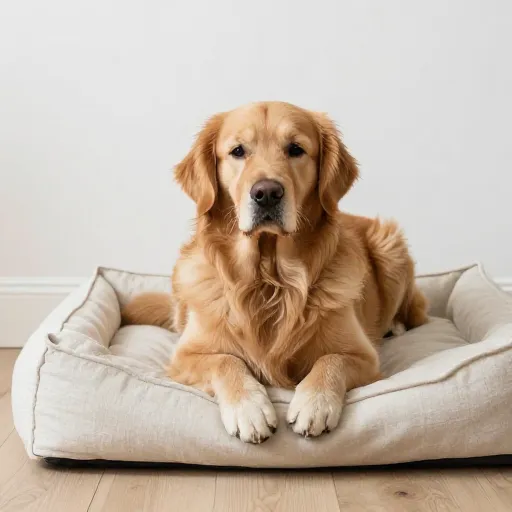
I used to think my dog’s space had to be cluttered with squeaky toys and mismatched beds. Then I realized that less really is more—for both of us. A minimalist dog room isn’t just about looking good on Pinterest. It’s about creating a calm, functional zone where your pup can relax without visual noise.
When I first tried this approach, my dog started sleeping deeper and chewing less. The open floor plan gave him room to stretch, and the neutral colors seemed to lower his stress. Whether you have a whole room or just a corner, these ideas will help you build a space that feels intentional and peaceful.
Let me walk you through how I transformed my dog’s area into a minimalist retreat that actually works for daily life.
Start with a Neutral Color Palette
I painted the walls a warm beige and chose a light gray bed. Neutrals don’t show fur as much, and they make the room feel bigger. Stick to two or three colors max—like cream, taupe, and a soft charcoal.
Your dog’s bed, bowls, and accessories should blend in rather than scream for attention. This visual calm helps your pup settle faster. I also added a simple woven rug in the same family to define the space without clutter.
If you want a pop of color, use a single throw pillow or a small plant. Keep it intentional.
Choose a Single, High-Quality Dog Bed
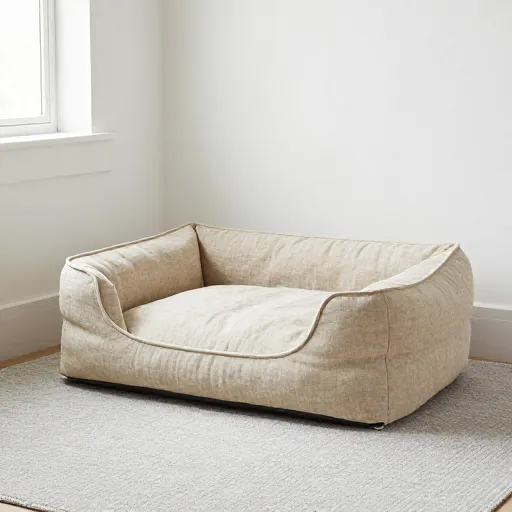
I replaced three worn-out beds with one orthopedic memory foam bed. It’s durable, easy to clean, and has a removable cover. A single good bed beats a pile of cheap ones every time.
Look for a bed in a solid color with clean lines. Avoid frills, patterns, or multiple textures. The goal is a piece that looks like furniture, not pet gear. My dog actually uses his bed more now because it’s always in the same spot and feels like his own zone.
Wash the cover weekly to keep it fresh. Minimalism works best when maintenance is easy.
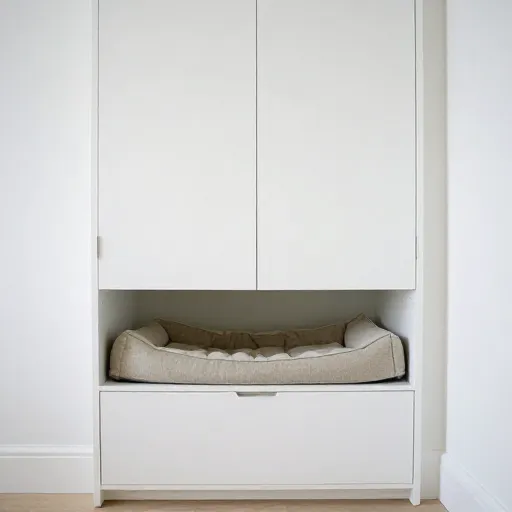
Use Built-In or Hidden Storage
Toys and leashes can ruin the clean look fast. I installed a small cabinet with baskets inside. Everything has a home but stays out of sight. If you can’t do built-ins, try a slim storage bench that doubles as seating.
Label one basket for toys, one for grooming tools, and one for extra poop bags. This system takes five minutes to maintain. I also mounted a hook behind the door for leashes and collars—zero floor clutter.
The key is to store 80% of your dog stuff away. Only keep out what you use daily.
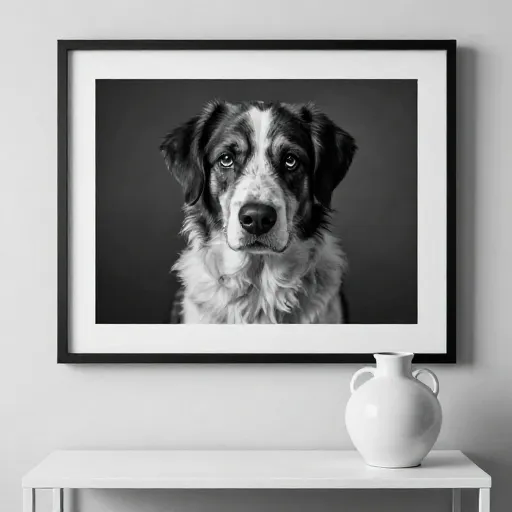
Pick One Statement Piece
I chose a simple wooden crate that also works as a side table. It’s both functional and beautiful. A statement piece could be a minimalist dog gate, a sleek feeding station, or a framed portrait of your pup.
Let that one item shine. Everything else should fade into the background. In my room, the crate table holds a small lamp and a plant. It anchors the space without adding visual weight.
When you limit yourself to one focal point, the room feels curated, not crowded.
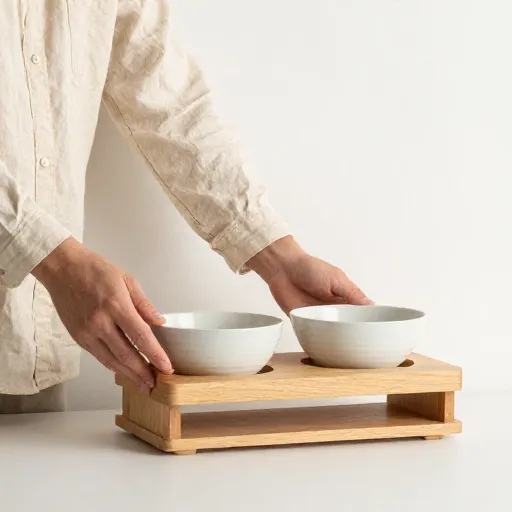
Design a Simple Feeding Zone
I use two ceramic bowls on a small mat. No patterns, no plastic, no extras. The bowls are raised just a few inches, which helps my dog eat comfortably. Keep the area clear of food bags or treat jars.
Store food in a sealed container in a cabinet nearby. I keep a small scoop inside the container so I don’t need extra tools. Wipe the mat daily and wash bowls after each meal.
A clean feeding zone prevents mess and makes the room feel intentional.
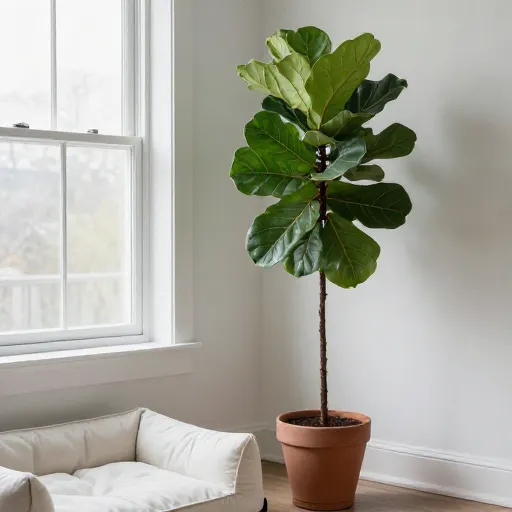
Incorporate Natural Elements
A single potted snake plant or a small bamboo adds life without clutter. I placed a low-maintenance plant on the windowsill. It softens the clean lines and brings a bit of nature indoors.
Make sure the plant is non-toxic to dogs. Keep it out of reach if your pup likes to dig. I also added a few smooth river stones on the shelf—they add texture without visual noise.
Natural materials like wood, stone, and cotton help ground the space.
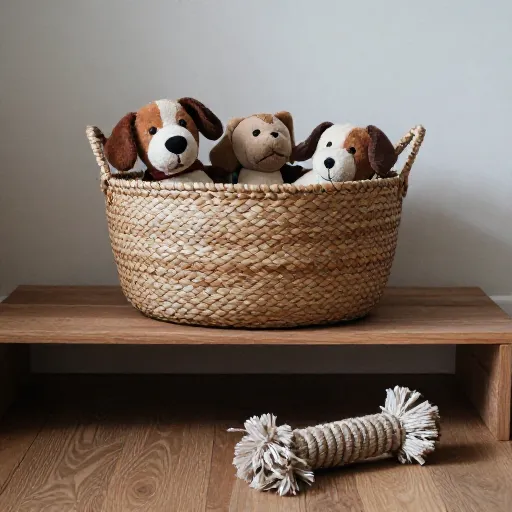
Limit Toys to a Rotating Selection
I used to have a bin overflowing with toys. Now I keep only three out at a time. The rest go in a hidden basket. Every week, I swap them. My dog actually gets more excited about each toy now.
Choose durable toys in neutral or muted colors. Bright neon toys stand out too much. I pick rubber chews, a soft rope, and one interactive puzzle. That’s it.
Rotating keeps things fresh without the mess.
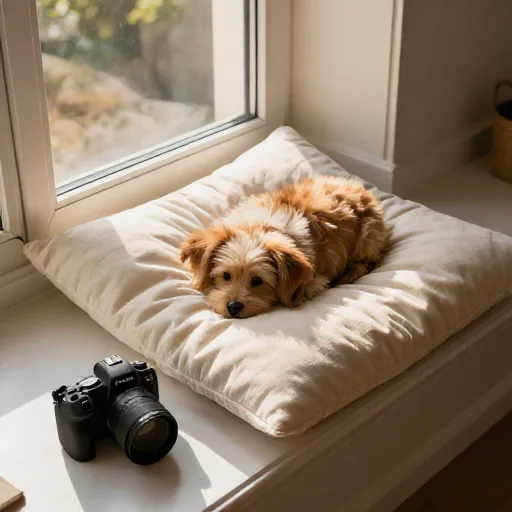
Create a Cozy Window Nook
I placed the dog bed near a window with a simple sheer curtain. Natural light makes the room feel open and calm. My dog loves watching squirrels from his bed. It’s his favorite spot.
Keep the windowsill clear. No knickknacks or extra decor. The view itself is the decoration. If you have a ledge, add a single cushion for extra lounging space.
This nook becomes the heart of the room—simple, warm, and dog-approved.
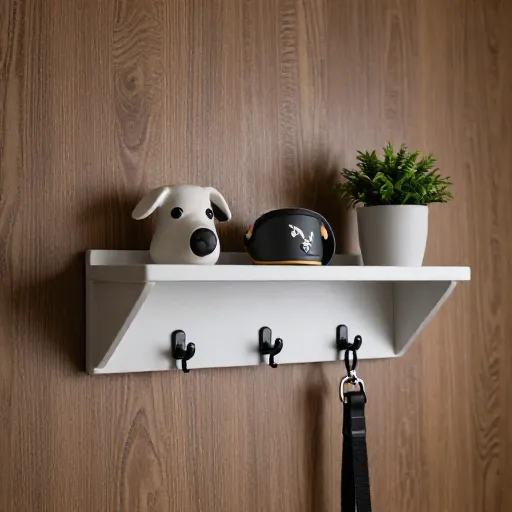
Use Vertical Space for Practical Items
I mounted a small shelf high on the wall for extra leashes, a brush, and a first aid kit. It keeps essentials accessible but out of the dog’s reach. Use a simple basket on the shelf to corral small items.
Wall hooks are great for a spare harness or a towel. Keep them low if you want easy reach, but high if you want a cleaner look. I use matching black hooks that blend with the wall.
Vertical storage saves floor space and maintains the minimalist vibe.
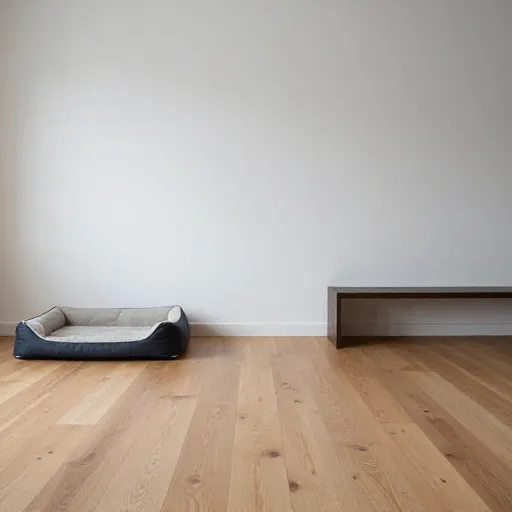
Keep the Floor Clear and Easy to Clean
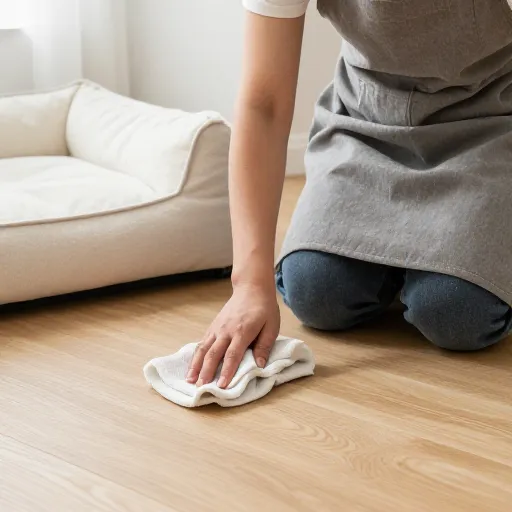
I removed all area rugs except one small one near the door. Hard floors are easier to sweep and don’t trap fur. If you want softness, use a washable rug in a solid color.
Vacuum daily or use a robot vacuum. Minimalist spaces show dust quickly, so staying on top of cleaning keeps the look fresh. I also keep a small dustpan and brush in a drawer for quick pickups.
A clear floor gives your dog room to move and you room to breathe.
Conclusion
Minimalist dog room decor isn’t about sacrificing comfort. It’s about choosing pieces that serve both you and your pup. When I simplified my dog’s space, I found that he relaxed more and I spent less time cleaning. The room became a peaceful retreat instead of a dumping ground.
Start small. Pick one area, declutter, and add back only what you love. Your dog doesn’t need a hundred toys or a dozen beds. They need a calm, safe spot where they can rest and feel at home. Less really is more—for both of you.
[[IMG:IMG12]]
Frequently Asked Questions
Do minimalist dog rooms work for high-energy breeds?
Yes. A clean, open space actually helps high-energy dogs settle. Fewer distractions mean they can focus on relaxing. Just make sure you still provide enough exercise and enrichment outside the room.
What if my dog destroys a nice bed?
Choose a durable, washable bed with a removable cover. Look for chew-resistant materials. If your dog is destructive, start with a simple cot-style bed that’s harder to shred.
How do I keep the room from smelling like dog?
Wash bedding weekly, use an air purifier, and keep hard floors clean. I also use a pet-safe enzyme spray on the bed and rug. Good ventilation makes a big difference.
Can I have a minimalist dog room in a small apartment?
Absolutely. Use a corner or a closet nook. Vertical storage and multipurpose furniture are your best friends. A single bed, a hook, and a hidden toy bin are enough.
How often should I rotate toys?
I swap toys every week. Keep 3–4 out and store the rest. This keeps your dog interested and prevents clutter. Rotate based on your dog’s interest level—some need more frequent changes.