11 Unbelievably Complete Cat Health Care Guide
I remember bringing home my first kitten, a tiny ball of fluff with eyes full of curiosity. I thought I had everything figured out—food, litter, a scratching post—but I quickly realized how little I knew about truly keeping a cat healthy. Cats are masters at hiding illness, so we have to be extra smart and observant.
After years of learning from my own mistakes and chatting with experienced cat people, I put together this guide. It covers everything from daily habits to those subtle signs that something might be off. Let’s make sure your feline friend lives their happiest, healthiest life.
Here are eleven essential parts of a complete cat health care routine that actually work in real life.
1. Water Is More Important Than You Think
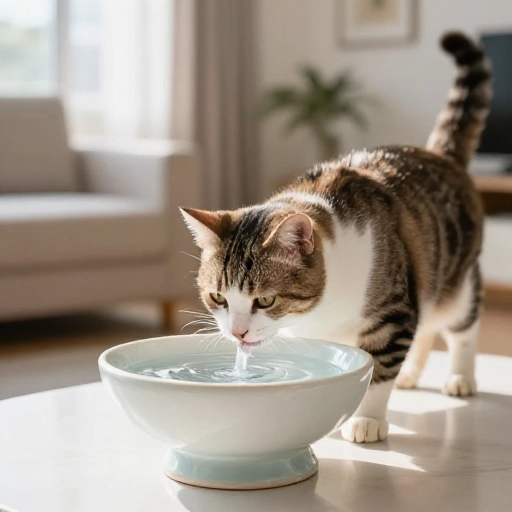
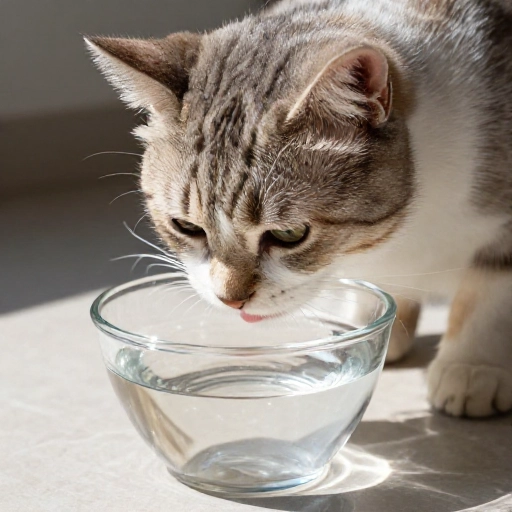
Cats evolved from desert animals, so they don’t naturally drink a lot. But that doesn’t mean they don’t need water—it just means we have to get creative. Dehydration can lead to kidney issues and urinary problems, which are way too common in cats.
Try these tricks:
- Place multiple water bowls around the house, away from their food bowl.
- Get a ceramic fountain—most cats love moving water.
- Add a splash of tuna juice or bone broth to their water now and then.
Keep the bowls clean and refill them daily. You’ll notice your cat drinking more when the water feels fresh and interesting.
2. The Right Food Changes Everything
I used to think any cat food from the store was fine. Then I started reading labels. A cat’s diet should be high in animal protein and low in fillers like corn and wheat. Wet food is also better for hydration than dry kibble alone.
Look for real meat as the first ingredient. Avoid artificial colors and preservatives. And don’t free-feed—set specific meal times. This helps you catch changes in appetite early, which is often the first sign of illness.
Every cat is different, so pay attention to their energy and coat condition after meals.

3. Keep Those Teeth Clean
Dental disease is sneaky. Your cat might have bad breath or red gums and still act completely normal. But dental problems can affect the heart, kidneys, and overall health. I wish someone told me earlier how easy prevention can be.
Start slow:
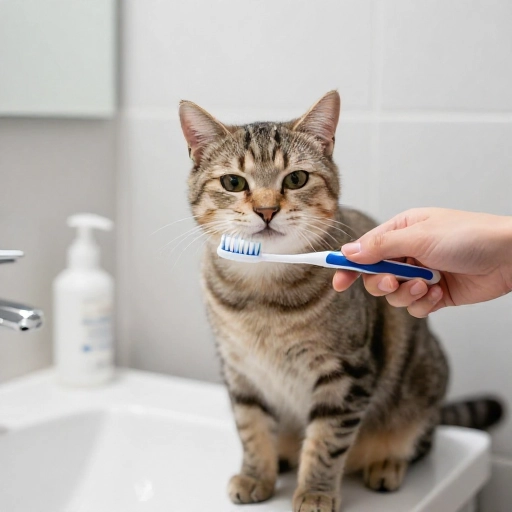
- Use a finger brush with cat-safe toothpaste.
- Try dental treats or water additives.
- Check their mouth weekly for any redness or swelling.
A little effort each week saves expensive vet visits later.
4. Create a Stress-Free Home Environment
Cats are sensitive creatures. A stressed cat can develop urinary issues, over-grooming, or aggression. I learned this when I moved apartments and my cat stopped eating for two days. Now I know better.
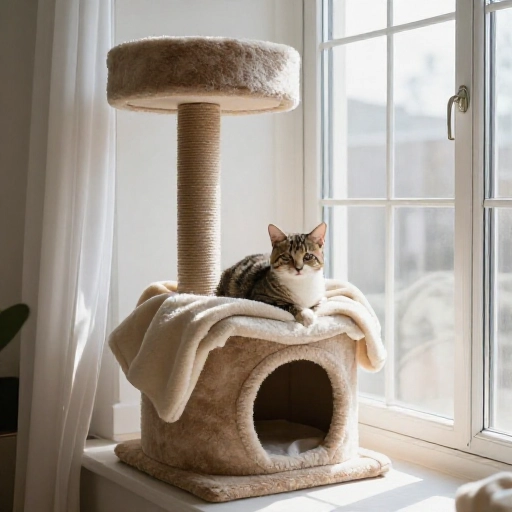
Give them safe spaces—high perches, cozy hiding spots, and quiet corners. Keep their litter box clean and in a calm area. Use pheromone diffusers if your cat seems anxious. And respect their need for alone time.
A relaxed cat is a healthy cat.
5. Regular Vet Check-Ups Are Non-Negotiable
I know it’s tempting to skip the yearly visit when your cat seems fine. But cats age faster than we do, and annual exams catch problems early. Blood work, dental checks, and weight monitoring are all part of the package.
Find a vet you trust and who makes your cat feel comfortable. Some clinics even offer low-stress visits with treats and gentle handling. If your cat hates the carrier, practice leaving it out at home with a comfy blanket inside.
Prevention is always cheaper than treatment.

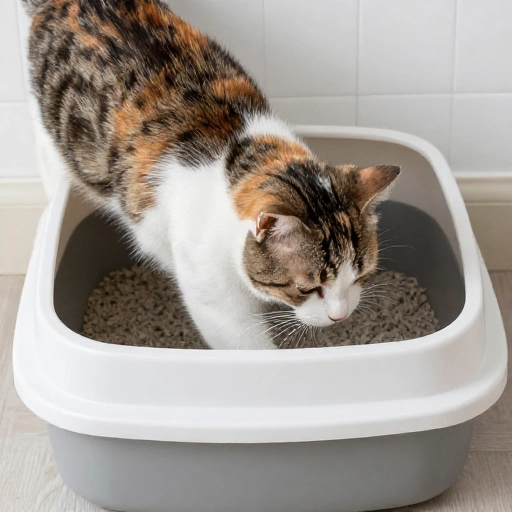
6. Watch Their Bathroom Habits
Changes in litter box behavior are a huge red flag. Straining, crying, going outside the box, or changes in urine color all need attention. I once ignored my cat peeing on the rug, thinking it was behavioral—turned out she had a urinary tract infection.
Scoop the box daily and note how often they go. If you see blood, very little urine, or no poop for more than two days, call your vet right away.
This simple habit can save their life.
7. Keep Their Weight in Check
Overweight cats are at risk for diabetes, arthritis, and liver problems. But losing weight takes patience. I cut my cat’s portions gradually and switched to a high-protein, low-carb diet. It took months, but she got healthier.
Use a kitchen scale to measure food—don’t guess. Encourage playtime with wand toys and laser pointers. Even fifteen minutes a day makes a difference.
A lean cat is an active, happy cat.

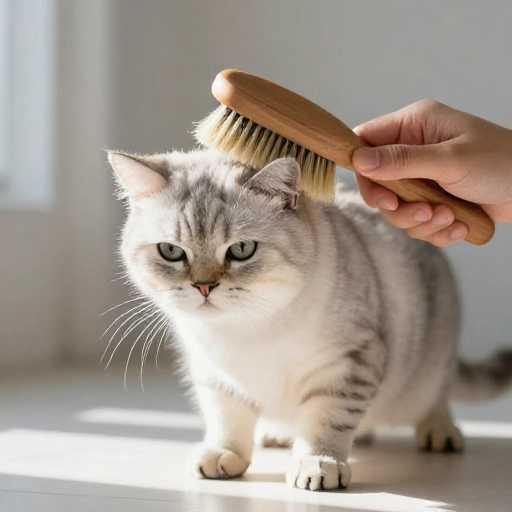
8. Grooming Is More Than Just Looking Pretty
Brushing your cat regularly removes loose fur, prevents hairballs, and gives you a chance to check for lumps, bumps, or skin issues. Long-haired cats need daily brushing, but even short-haired ones benefit from a weekly session.
Use a soft brush or a grooming glove. Make it a calm, bonding time with treats. While brushing, run your hands over their body to feel for any unusual spots.
You’ll catch problems early and strengthen your bond.
9. Understand Their Body Language
Cats talk with their tails, ears, eyes, and posture. A slow blink means trust. A twitching tail means irritation. Ears flat back means fear or anger. Learning these signals helps you respond to their needs before they escalate.
When you understand your cat, you can reduce stress and avoid bites or scratches. It also helps you notice when they’re in pain—a cat hiding or not grooming might be suffering.
Observation is your best tool.

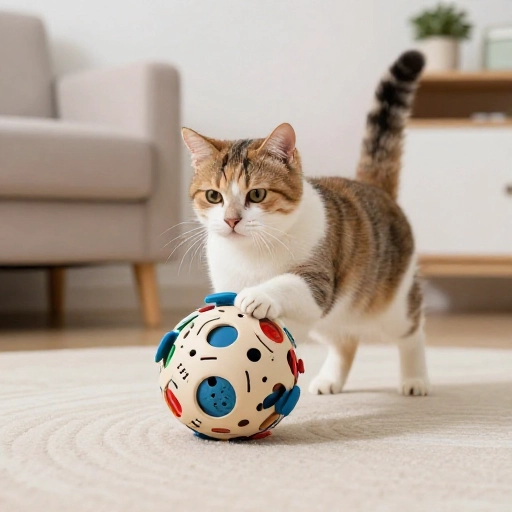
10. Keep Their Mind Active
A bored cat can become destructive or depressed. Mental stimulation is just as important as physical exercise. Puzzle feeders, window perches, and interactive toys keep their brains sharp.
Rotate toys to keep things fresh. Teach simple tricks like “sit” or “high five” using treats. Even hiding treats around the house for them to find works wonders.
A busy cat is a happy cat.
11. Know What’s Normal for Your Cat
Every cat has their own baseline. Some sleep a lot, some are always hungry, some are picky about pets. The key is knowing what’s normal for your cat so you notice when something changes.
Take a few minutes each day to observe them. Check their eyes, ears, nose, and coat. Notice if they’re drinking more, hiding more, or acting differently. Trust your gut—if something feels off, it probably is.
You are their best advocate.
Conclusion
Taking care of a cat isn’t about being perfect. It’s about paying attention, being consistent, and loving them enough to learn what they need. These eleven areas cover the big stuff, but the real magic is in the daily little moments—the purrs, the headbutts, the quiet companionship.
Start with one or two changes that feel doable. Build from there. Your cat will thank you with years of health and happiness.
Frequently Asked Questions
How often should I take my cat to the vet?
At least once a year for a check-up. Senior cats or cats with health issues should go every six months.
Is dry food bad for cats?
Not necessarily, but wet food is better for hydration. A mix of both works well for most cats.
How can I tell if my cat is in pain?
Look for hiding, loss of appetite, changes in grooming, aggression, or unusual vocalizations.
Do indoor cats need vaccines?
Yes, some vaccines are still recommended for indoor cats, like rabies and distemper. Talk to your vet.
What’s the best way to help my cat lose weight?
Measure portions, switch to high-protein food, and increase playtime. Go slow—rapid weight loss is dangerous.