12 Gentle DIY Dog Cone Alternatives That Really Work
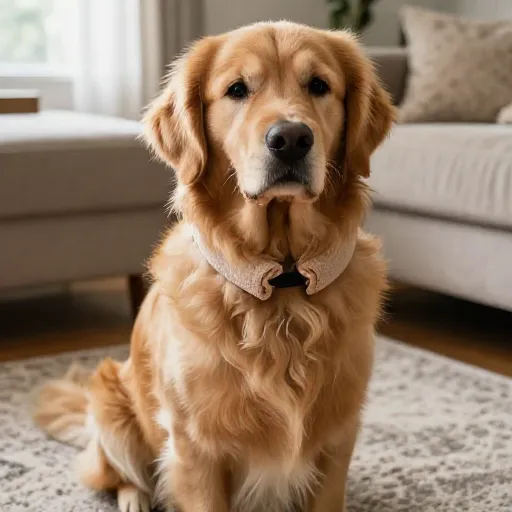
If your pup just had surgery or is dealing with a hot spot, you know the struggle. That stiff plastic cone—the “cone of shame”—makes them bump into furniture, gives them anxiety, and honestly, it breaks your heart every time they give you that sad look.
The good news? You don’t have to use it. There are so many smart, cozy, and genuinely effective alternatives you can make at home with stuff you already have. I’ve tested these with my own furry troublemakers, and I’m sharing the ones that actually hold up to scratching, licking, and general doggy chaos.
Every dog is different, so think of this as your menu of options. Some work better for tiny chihuahuas, others are perfect for long-snouted greyhounds. Keep an eye on your pup while they wear these—supervision is key until you know they won’t chew through the “cone” itself.
1. The Pool Noodle Collar
This is the classic hack for a reason—it’s cheap, light, and surprisingly effective. Grab a standard pool noodle and slice it lengthwise so it opens up like a hot dog bun. Slide it over their regular collar, then tape or zip-tie it shut.
The noodle acts as a bumper. When your dog tries to bend their neck to lick their paws or belly, the noodle hits their shoulders and stops them. It’s not bulky, doesn’t block their vision, and they can still eat and drink normally.
One tip: measure the distance from their collar to their snout. You want the noodle long enough to block the lick but not so long they can’t see where they’re walking.
This one shines for dogs who need to stop licking their front legs or chest.
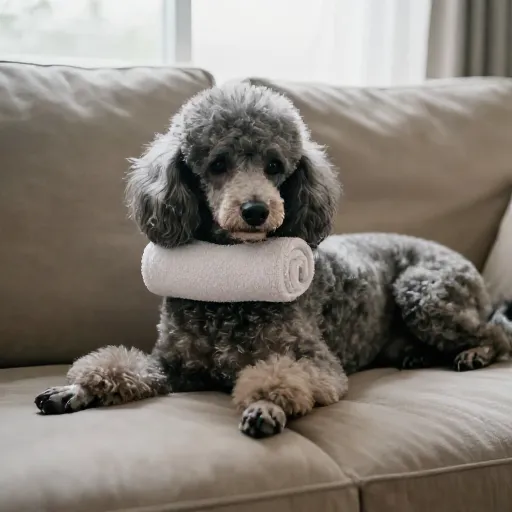
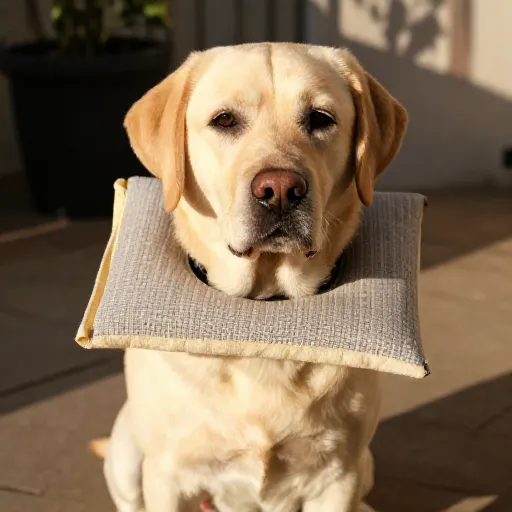
2. The Pillow Collar (Rolled Towel)
Think of a travel neck pillow, but for a dog. If you have an old memory foam pillow or a firm couch cushion, cut a circle out of the middle—just big enough for their head to poke through. Boom, instant comfy cone.
The beauty is that it’s soft. Dogs can lay their head down naturally, which means they’ll actually sleep. The pillow creates a physical barrier that blocks them from reaching their rear end or tail area.
You can also roll up a bath towel into a donut shape and secure it with safety pins. This makes a great temporary fix in a pinch.
I love this for older dogs who get stiff necks from plastic cones. They rest much easier.
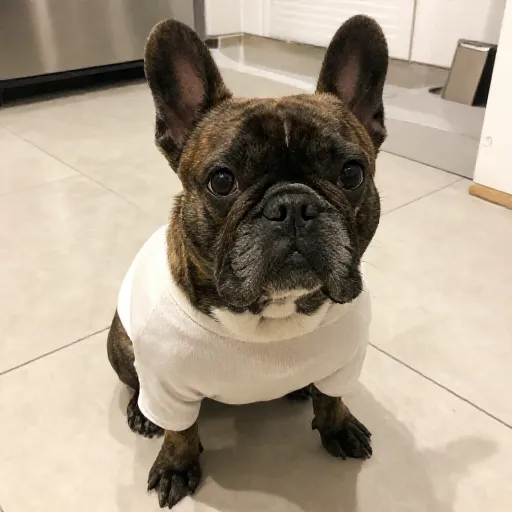
3. The Baby Onesie (For Tummy Issues)
This one’s a game-changer for belly wounds or spay incisions. Grab a soft baby onesie (size depends on your dog) and put their front legs through the arm holes. Then, snap it up over their back.
The onesie covers the torso completely, so they can’t get at their stitches. But they still have full mobility for walking and going potty. You just unsnap the bottom for bathroom breaks.
If your dog has a long body, you can use a kids’ t-shirt and tie the excess fabric into a knot at the base of the tail. It’s like a little doggy shirt.
Make sure the fabric is breathable like cotton. You don’t want them getting hot and sweaty under there, which can cause skin irritation.
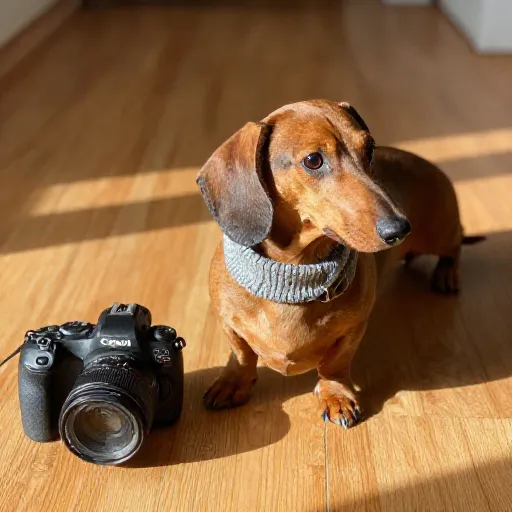
4. The Sock Tube
This is the most budget-friendly option—it costs literally nothing. Take a long, clean tube sock (like a soccer sock) and cut off the toe. Slide the sock over your dog’s neck, so it covers the collar area and extends up like a turtleneck.
For this to work, the sock needs to be snug but not tight. You’re essentially creating a soft fabric collar that prevents them from twisting their neck sharply.
I use this for minor hot spots on the cheeks or ears. It doesn’t stop them from licking their paws, but it’s perfect for head and ear wounds.
Just be prepared to wash it—it’ll get drooly.
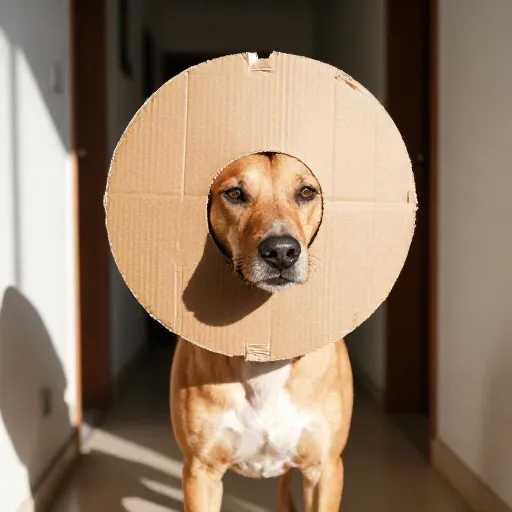
5. The Cardboard Shield
If you need a quick fix right now and have an Amazon box lying around, this works. Cut a large circle or oval from the cardboard, then cut a small hole in the center for their head. Slide it over their collar.
It’s basically a homemade version of the plastic cone, but lighter and quieter. It blocks their peripheral vision a bit, but they adapt quickly.
This is a great temporary solution for a few hours while you order a proper soft cone online. Just watch for chewing—some dogs will try to eat the cardboard.
Duct tape the edges to make it sturdier and prevent fraying.
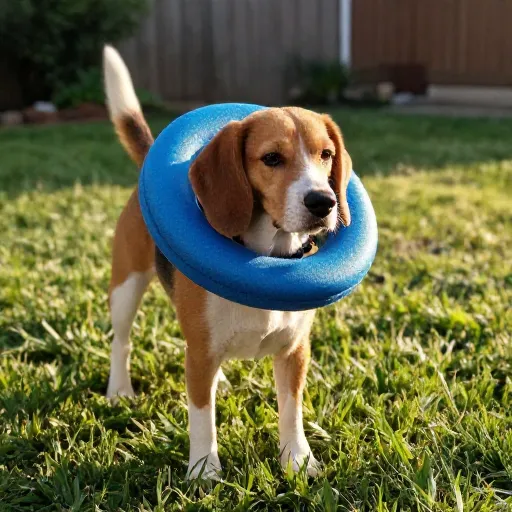
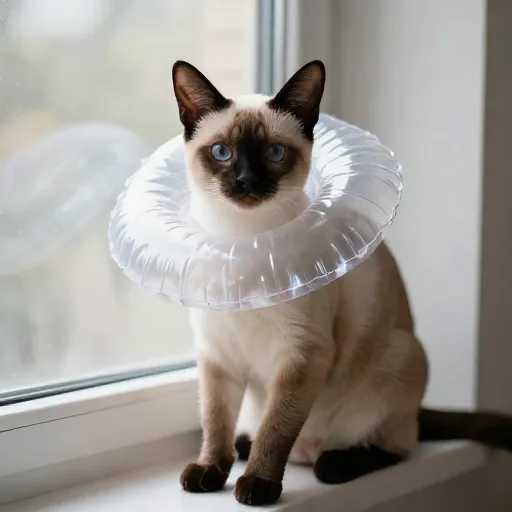
6. The Inflatable Neck Ring
You can actually DIY a version of the fancy inflatable collars with a small inflatable travel pillow. The kind people use for airplane neck support. Inflate it partially—don’t make it rock hard—and slide it around their neck like a donut.
Because it’s inflated, it creates a cushion that stops them from bending down. But it doesn’t block their vision at all, which is huge for anxious dogs.
The partial inflation is key. If it’s too firm, it’s uncomfortable. If it’s too soft, they can fold it over and reach the wound.
This is my top pick for dogs who panic when they can’t see. It feels like a pillow, not a punishment.
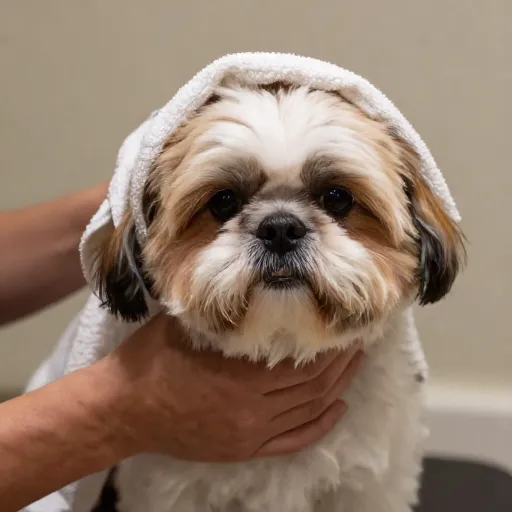
7. The Towel Wrap (The Burrito)
This is less of a collar and more of a full-body restraint. For dogs that are on strict crate rest, a towel wrap works wonders. Lay a bath towel flat, place your dog on their side, and wrap it around their body snugly, tucking the ends under.
The gentle pressure calms them down—it’s like a weighted blanket. They can’t easily get up or twist to lick.
This is strictly for supervised rest periods. You can’t leave them alone in this because they need to be able to move to drink water.
I use this when my dog gets the zoomies after surgery. It forces them to chill out and relax.
8. The Rigid Placemat Collar
This is a bit unconventional, but it works incredibly well for long-necked dogs. Take a flexible plastic cutting board (the thin, bendy kind) and roll it into a cylinder. Tape it together securely.
Slide it over their head and attach it to their collar. It’s sturdier than cardboard but still flexible enough to give a little when they bump into things.
The smooth surface is easy to wipe clean and won’t absorb odors like fabric does. It’s also more durable if your dog is a persistent chewer.
Make sure the edges are smooth so they don’t cut into their skin.
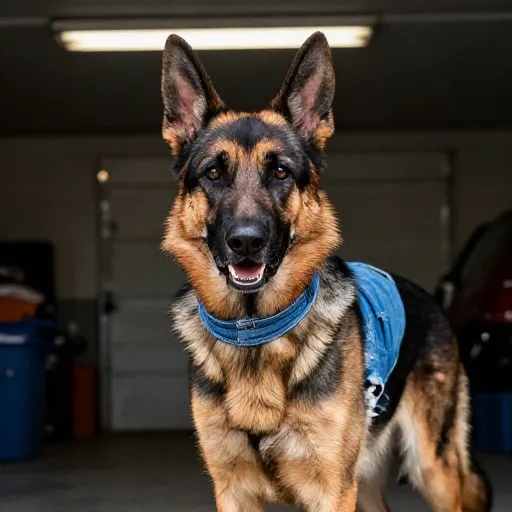
9. The Denim Jeans Collar
Have an old pair of jeans? Cut the leg off and use the thick denim to create a sturdy fabric cone. Roll the denim into a funnel shape and secure it with strong tape or safety pins.
Denim is much harder to chew through than regular cotton, so this is great for determined dogs. It also softens up over time and gets more comfortable.
The thickness provides a strong barrier, but it’s still breathable enough to prevent overheating.
This is my DIY fix when I need something tougher than a sock but softer than plastic.
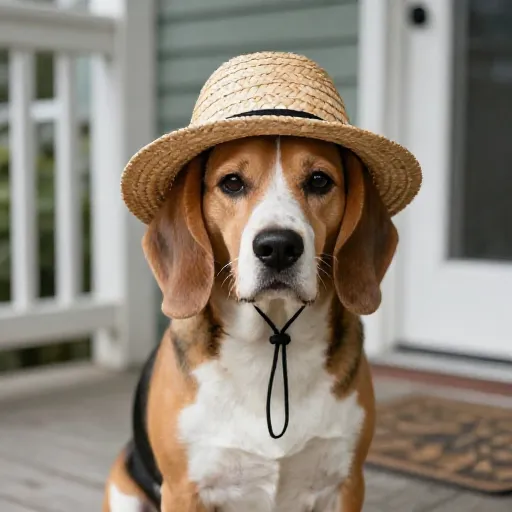
10. The Bucket Hat (For Head Wounds)
If the wound is on top of the head or ears, you need something that blocks paw access from above. A doggy bucket hat (or a kids’ sun hat) works perfectly. Put the hat on your dog and tie a bandana or ribbon under their chin to keep it secure.
The brim of the hat extends beyond their head, so when they try to scratch with their back paw, they hit the brim instead of their ear.
It looks absolutely adorable, which is a huge bonus. It also protects healing wounds from the sun.
This won’t work for belly or leg wounds, but for head injuries, it’s perfect.
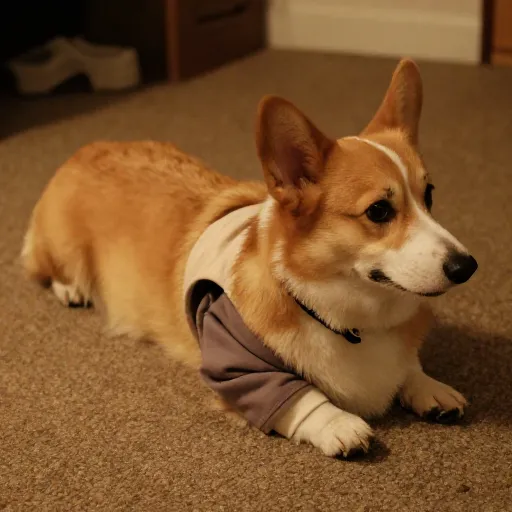
11. The Sleeve Collar
This is a variation of the sock tube but uses a long-sleeve shirt sleeve. Cut the sleeve off an old flannel or sweatshirt. Slide it over the neck so the cuff sits at the base of the skull.
The thicker fabric provides more padding than a sock. You can stuff a little bit of cotton or poly-fill between the layers for extra stiffness.
This creates a cushioned donut effect that prevents them from bending their neck sideways to lick their shoulders.
It’s super cozy for wintertime recovery—keeps them warm while they heal.
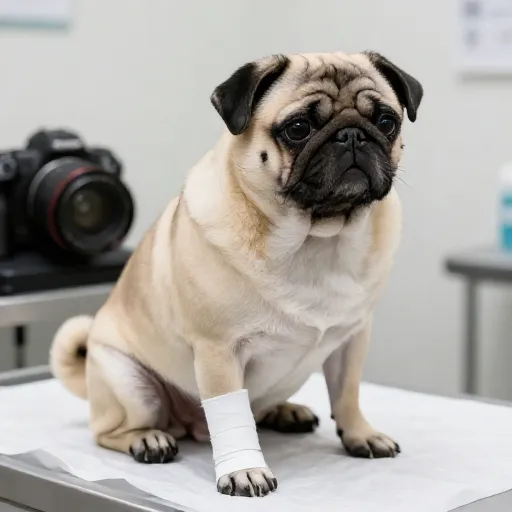
12. The Paw Bandage Bootie
If your dog is licking their paws, the issue is usually the paw itself, not the body. Instead of a cone, just cover the paw. Use a baby sock or a small fabric square wrapped around the paw and secured with vet wrap (the self-adhesive bandage).
This is a targeted solution. It doesn’t restrict their movement at all, and they can walk around normally. The sock absorbs moisture and prevents direct licking.
Change the sock daily to keep the area dry and clean. You can also use a plastic baggie over the sock for outdoor walks to keep it dry.
For some reason, dogs hate having their paws covered more than anything, so they’ll usually leave them alone.
Final Thoughts: Find What Fits Your Dog
There’s no one-size-fits-all answer here. What works for a golden retriever might not work for a dachshund. The key is to match the alternative to the location of the wound and your dog’s personality.
Start with the softest option that physically blocks the wound. Observe them for a few hours. If they’re still finding a way to lick, you need to step up to something sturdier. And always, always supervise them until you’re confident they can’t escape.
Your vet’s instructions come first. If they specifically said “must wear a cone,” check with them before switching to a DIY option. But in most cases, they just want the area protected—how you do it is up to you.
Your dog will thank you for ditching the plastic nightmare. They’ll be happier, calmer, and heal faster when they’re not stressed out.
Frequently Asked Questions
Q: How do I know if a DIY cone alternative is safe?
A: You should be able to fit two fingers between the collar and your dog’s neck. It should be snug enough that they can’t slip out, but loose enough to breathe comfortably. Watch for any signs of chafing or redness after a few hours.
Q: What’s the best option for a dog that chews everything?
A: Go with the denim jeans or the rigid plastic cutting board. These are the most chew-resistant DIY options. A regular fabric sock will be destroyed in minutes by a determined chewer.
Q: Can my dog sleep in these DIY alternatives?
A: Yes, most of them are actually better for sleeping than a plastic cone. The pillow collar and inflatable ring are great for bedtime. Just make sure they can get comfortable and adjust their head position.
Q: How long does my dog need to wear a cone alternative?
A: It depends on the healing time, but typically 7-14 days for most surgical incisions. Keep wearing it until the wound is fully closed and there’s no more redness or drainage. When in doubt, keep it on a few extra days.
Q: Will my dog still be able to eat and drink with these on?
A: Yes! That’s the biggest advantage. Most of these alternatives don’t extend past the snout, so food and water bowls are easily accessible. Just make sure the collar isn’t so tight that it interferes with swallowing.