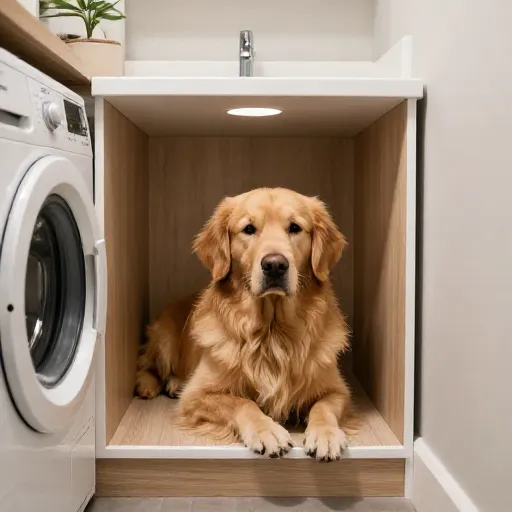
12 Puppy Room Designs for New Pet Parents
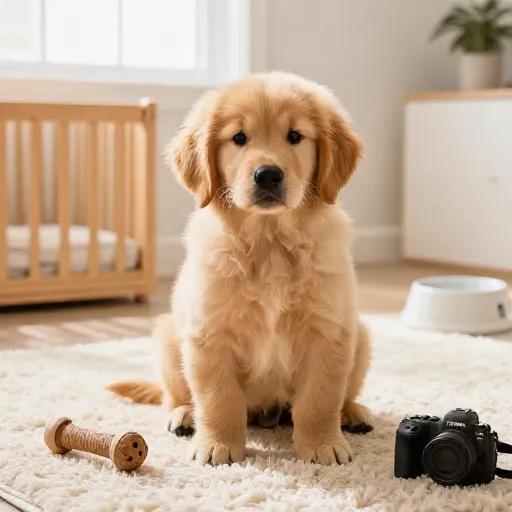
Bringing home a puppy is pure joy—but also a little chaos. Between the chewed shoes and midnight whines, having a dedicated space for your pup can save your sanity. You don’t need a huge house or a big budget. Just a little creativity and a corner that’s all theirs.
When I brought home my golden retriever, I quickly learned that a puppy room isn’t about fancy furniture. It’s about safety, comfort, and making cleanup easy. Whether you’re converting a spare bedroom or carving out a nook in the living room, these designs will help you create a spot your pup will love (and that you’ll actually enjoy looking at).
Let’s dive into twelve puppy room ideas that balance style with real-life practicality.
1. The Crate-Centric Corner
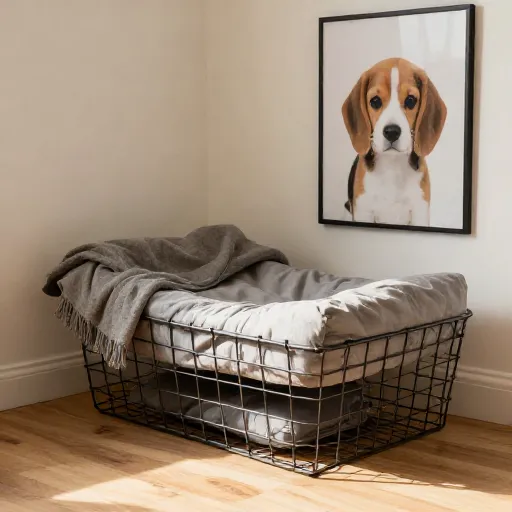
Start with a high-quality crate as the anchor. Make it cozy with a washable bed and a soft blanket. Place it against a solid wall, away from drafty windows and busy doorways.
Cover the crate with a fitted cover or a simple throw for a den-like feel. This helps your puppy feel secure and reduces overstimulation. Keep a small basket nearby for toys and treats so everything has a home.
This setup works wonders for house training. The crate becomes a safe haven, not a punishment zone.
2. The Washable Floor Plan
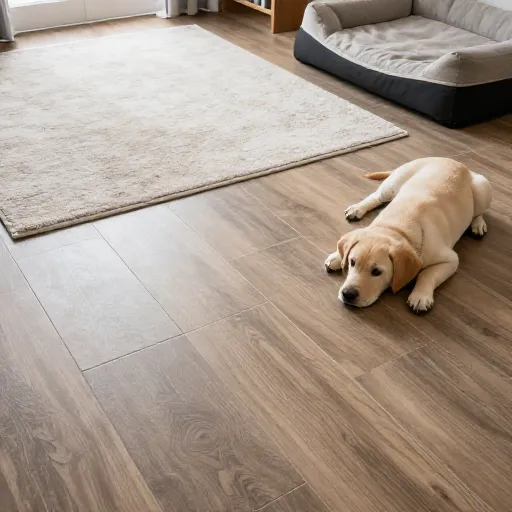
Puppies are messy. Accidents happen, mud gets tracked in, and water bowls overflow. Choose flooring that can take a beating. Vinyl plank or laminate are great choices. If you have carpet, lay down large, washable rugs or a waterproof mat.
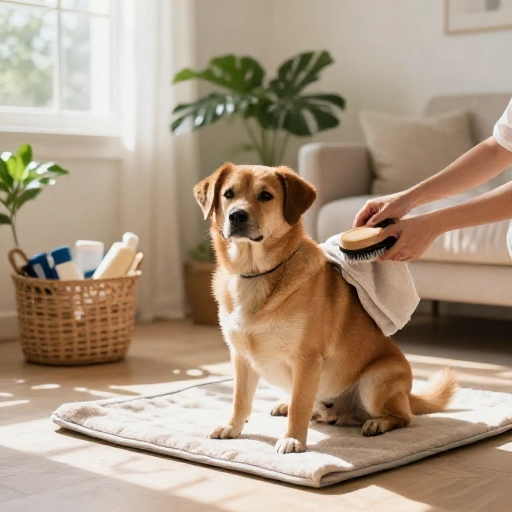
I use a machine-washable rug pad under a cheap outdoor rug. It looks cute but wipes clean in seconds. This simple swap saves me from scrubbing stains every single day.
Think about the path from the door to the crate. Make sure that entire walkway is easy to mop or spot-clean.
3. The Calm Color Palette
Skip the neon toys and bright, chaotic decor. Go for soft blues, sage greens, or warm beige tones. These colors naturally calm both you and your pup. A quiet space can actually help reduce barking and hyperactivity.
Choose bedding in muted stripes or subtle plaids. Add a simple wall print or a woven basket for storage. The goal is a room that feels like a spa, not a circus.
Your puppy will mirror your energy. A calm room sets the tone for relaxed naps and better behavior.
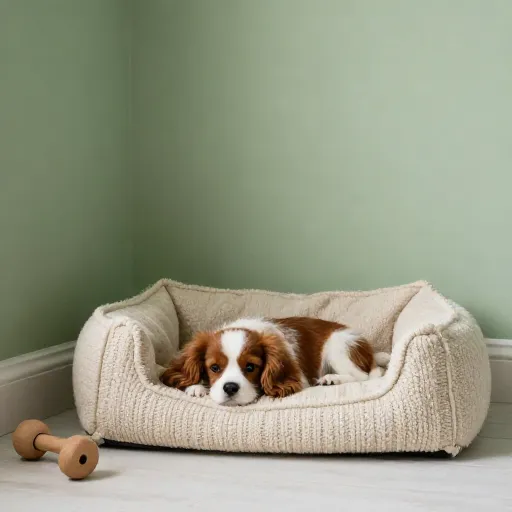
4. The Multi-Zone Playroom
If you have a larger space, divide it into clear zones. A sleeping area with a bed, a play zone with a toy bin, and a feeding station near a washable wall. This helps your puppy understand where each activity happens.
Use low bookshelves or pet gates to visually separate the zones without closing off the room. This also gives your puppy a sense of routine and order.
Rotate toys weekly to keep the play zone exciting. A tired puppy is a good puppy, so make sure there’s room to zoom around safely.
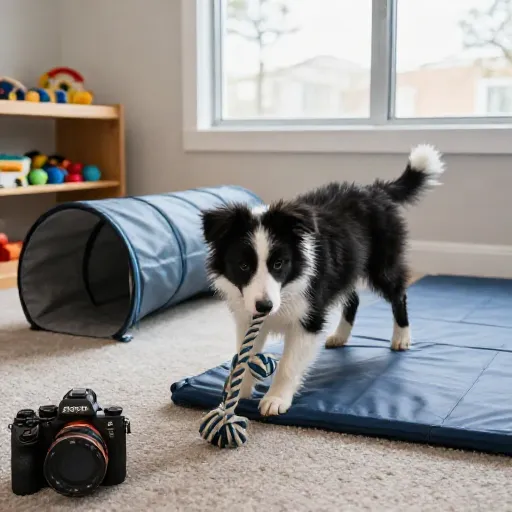
5. The Minimalist Nook
Not everyone has a spare room. A hallway corner or the space under a staircase works perfectly. Keep it simple: one bed, one water bowl, and a few toys. Less clutter means fewer things for your pup to chew or knock over.
Mount a small wall shelf for leashes and poop bags. Use a tension rod to hang a lightweight curtain for privacy if needed. This creates a cozy hideaway without taking up floor space.
Minimalism here isn’t about being boring. It’s about reducing distractions and making cleanup a five-minute job.
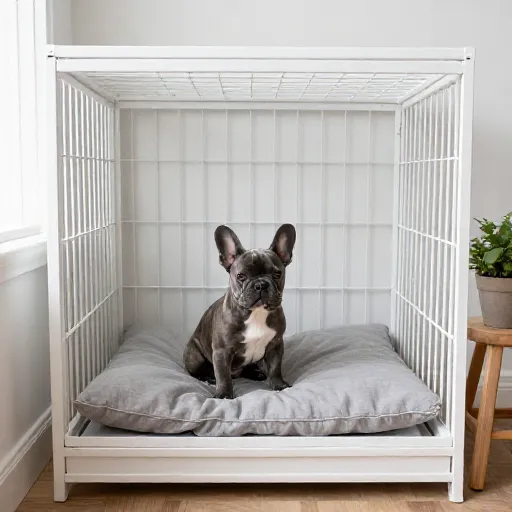
6. The Indoor Potty Station
For apartment dwellers or cold climates, an indoor potty area is a lifesaver. Designate a specific corner with a washable pee pad tray or a patch of fake grass. Put it on a waterproof mat to protect your floors.
Use a small gate or a rug to visually mark the area. This teaches your puppy where it’s okay to go when you can’t get outside fast enough. Keep cleaning supplies in a nearby caddy for quick access.
This setup is temporary for most puppies, but it makes those early weeks so much easier. Just be consistent about moving the pad closer to the door as they learn.
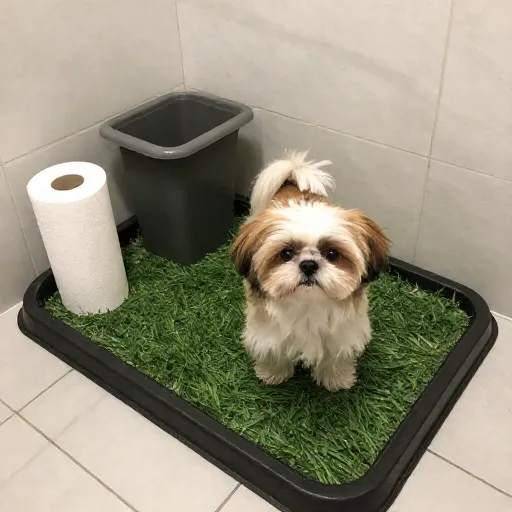
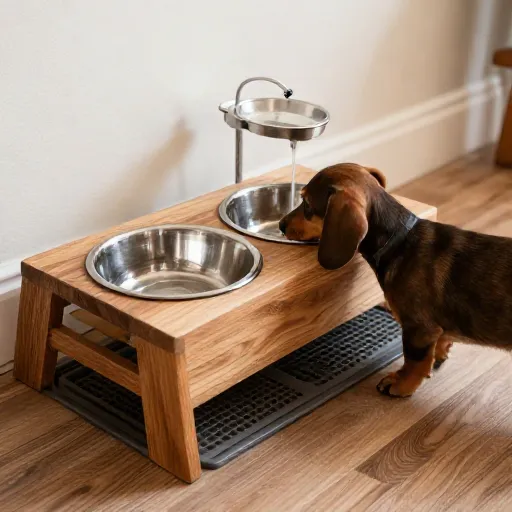
7. The Elevated Feeding Station
Raised bowls are easier on your puppy’s neck and keep the floor cleaner. Build a simple stand or buy a cute wooden one. Place it on a rubber mat to catch spills and splashes.
Keep the feeding area separate from the sleeping zone. This helps prevent resource guarding and makes mealtime feel special. Store food in an airtight container right next to the bowls.
Adding a small hook on the wall for a towel means you can wipe up messes instantly. It’s a tiny detail that makes a huge difference.
8. The Cozy Cave with a View
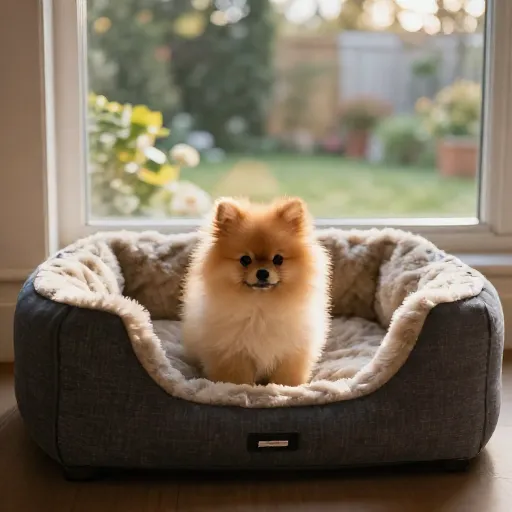
Puppies love to watch the world go by. Position a bed near a window, but make sure it’s not in direct sunlight all day. Add a low shelf or a sturdy ottoman so your pup can peek outside safely.
Use a blackout curtain on one side to create shade if needed. Place a few soft blankets in a basket nearby so your pup can burrow and nest. This becomes their favorite spot for afternoon naps.
Just be mindful of what’s outside. If you have a busy street, the constant movement might overstimulate your pup. A quiet backyard view is perfect.
9. The Toy Rotation Wall
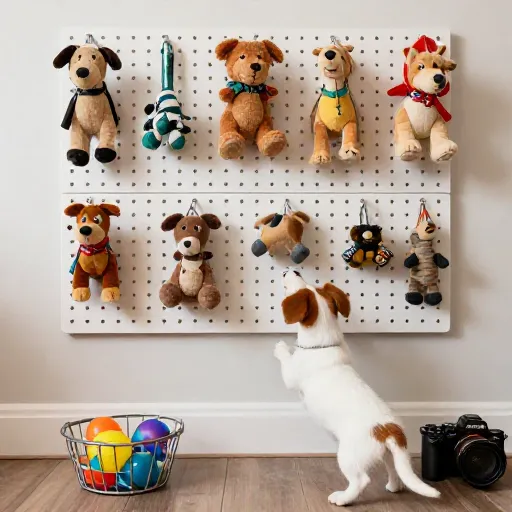
Instead of a toy box that becomes a dumping ground, install a small pegboard on the wall. Hang toys with clips or hooks. This keeps everything visible and organized, and it looks surprisingly chic.
Rotate toys every few days to keep your puppy interested. Seeing fewer toys at once actually makes them more engaging. Plus, you can spot damaged toys easily and remove them before they become a hazard.
This design is great for small spaces because it uses vertical space. It also teaches your puppy that toys belong in a specific place.
10. The Soundproofed Sanctuary
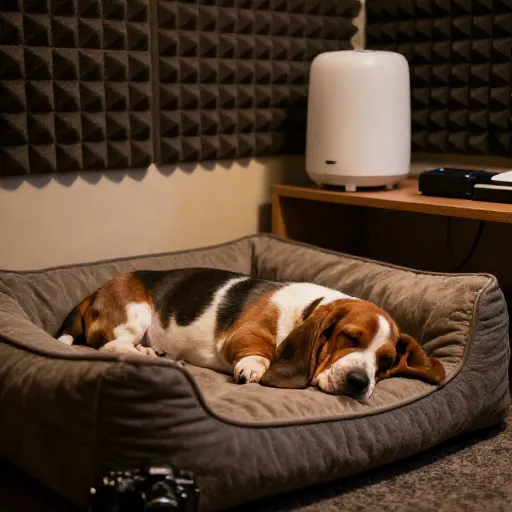
Puppies can be loud, especially when they don’t want to be alone. Add soft elements that absorb sound. Thick rugs, upholstered furniture, and heavy curtains all help muffle noise.
Place a white noise machine or a gentle fan near the sleeping area. This masks scary sounds like thunder or traffic. It also signals to your puppy that it’s time to settle down.
This is especially helpful if you live in an apartment with thin walls. Your neighbors will thank you, and your puppy will feel more secure.
11. The Outdoor-Indoor Transition Spot
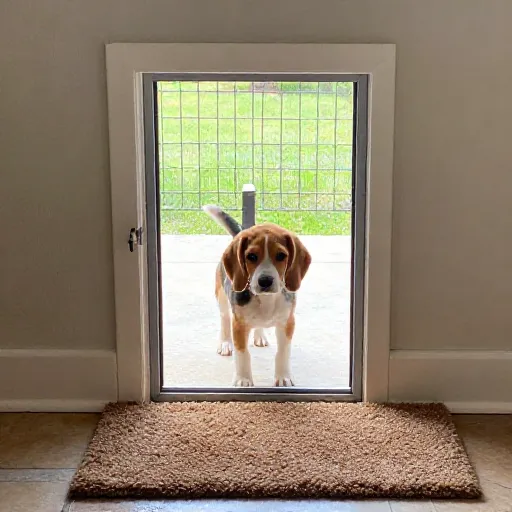
Set up a small area right by the back door. Hang a leash and harness on a hook, keep a towel for muddy paws, and have a mat for wet shoes. This is your “mudroom” for your pup.
Place a durable water bowl and a drying towel here. When your puppy comes in from the rain, you can clean up quickly before they run through the house. This keeps your whole home cleaner.
It also creates a clear routine: outside for potty, inside for a treat. That consistency helps with training more than you’d think.
12. The Grow-With-Me Room
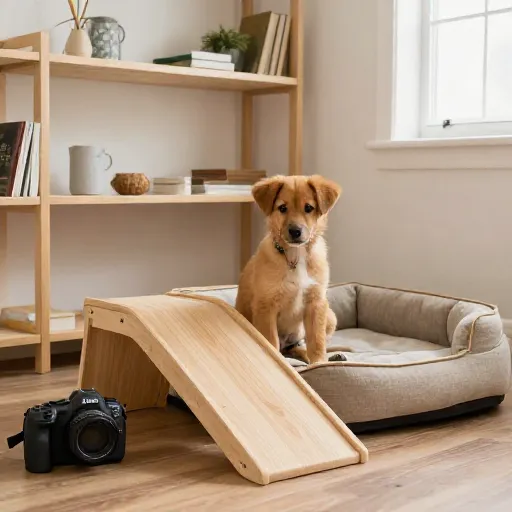
Puppies grow fast. That tiny bed won’t fit a full-grown lab. Choose furniture and accessories that adapt. Buy a larger crate right away and block off part of it with a divider. Get a bed that’s big enough for the adult size, or use a folded blanket for now.
Invest in sturdy, non-toxic materials that can handle chewing. Avoid anything too precious or expensive. This room will evolve with your dog’s needs.
Plan for the future. A raised platform for a water bowl, a strong toy bin, and washable everything will last through all the stages of puppyhood and beyond.
Final Thoughts
Your puppy’s room doesn’t need to be perfect or expensive. It just needs to be safe, comfortable, and easy for you to maintain. Start with the basics—a crate, a bed, and a washable floor—then build from there.
Remember, your puppy cares more about your presence than your decor. The best design is one that makes you both happy and relaxed. Don’t stress about matching Pinterest-perfect aesthetics. Focus on function, and the cuteness will follow.
Frequently Asked Questions
What is the best flooring for a puppy room?
Vinyl plank or laminate are the best options. They’re waterproof, scratch-resistant, and easy to clean. If you have carpet, cover it with a large washable rug or a waterproof mat.
Should I use a crate in the puppy room?
Yes, a crate is a great tool for house training and giving your puppy a safe space. Just make sure it’s the right size and never use it as punishment. Make it cozy with a bed and a blanket.
How big should the puppy room be?
It doesn’t need to be big. A small corner or a walk-in closet works fine. The key is having separate areas for sleeping, eating, and playing, even if they’re just a few feet apart.
How do I keep the puppy room from smelling?
Use washable bedding and clean up accidents immediately with an enzymatic cleaner. Open windows for fresh air daily, and wash all soft items weekly. A small air purifier also helps a lot.
Can I use baby gates instead of a door for the puppy room?
Absolutely. Baby gates are perfect for creating a safe zone while still keeping an eye on your pup. They’re also easy to move around and don’t require permanent installation.