10 Health Concerns Every Havanese Owner Should Know

As a Havanese owner myself, I know how easy it is to get lost in those big, loving eyes and that silky coat. These little charmers are full of personality and affection, making them incredible companions. But beneath all that fluff, they have specific health needs that responsible pet parents should be aware of.
Being proactive is the best way to ensure your Havanese lives a long, happy, and healthy life. Knowing what to watch for means you can catch potential issues early, often making treatment simpler and more effective. Let’s walk through the ten most common health concerns I’ve learned to keep on my radar for my own fluffy friend.
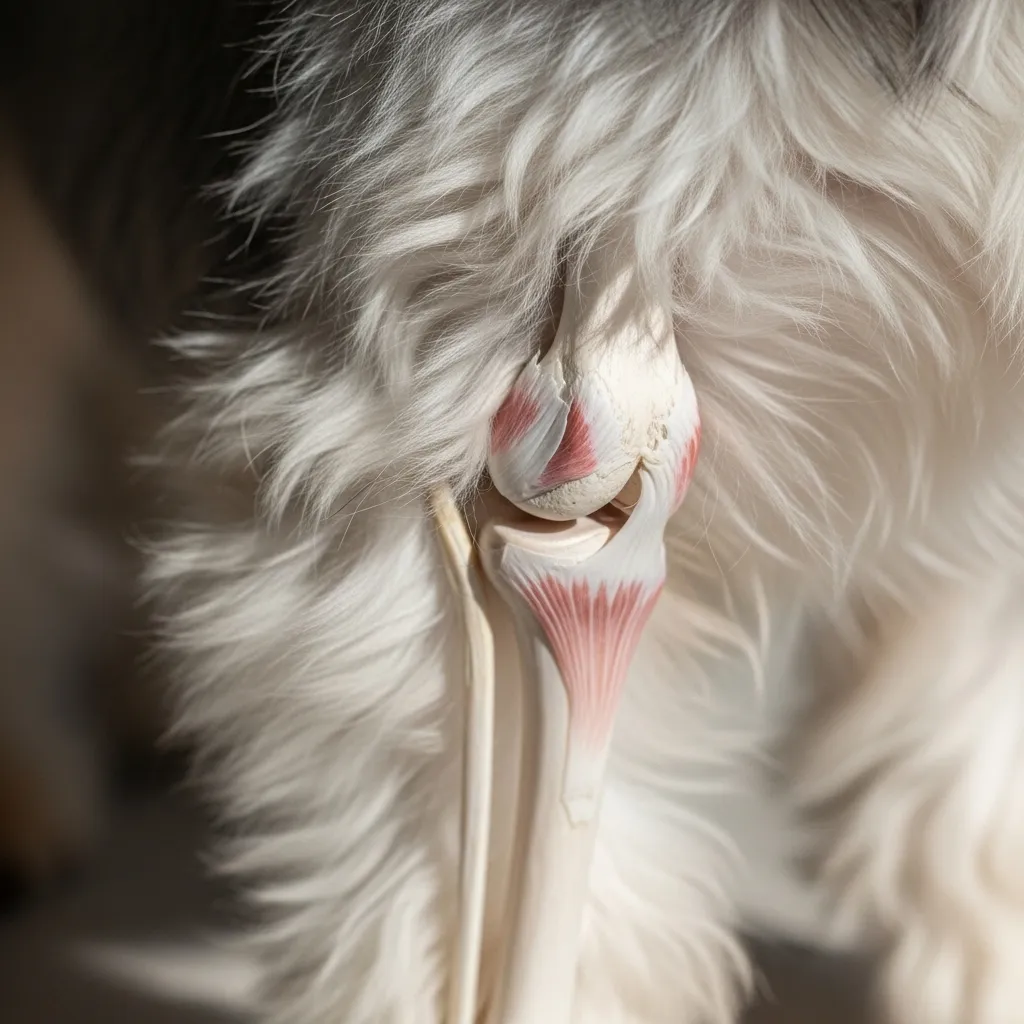
1. Luxating Patellas (Trick Knees)
This is a very common issue in small breeds like the Havanese. It means the kneecap (patella) can slip out of its normal groove. You might notice your dog skipping a step, holding a leg up for a moment, or showing a sudden limp that then seems to disappear.
While mild cases can often be managed with weight control and joint supplements, severe cases may require surgery to correct. Keeping your Havanese at a lean, healthy weight is one of the best things you can do to reduce stress on those little knees.
2. Progressive Retinal Atrophy (PRA)
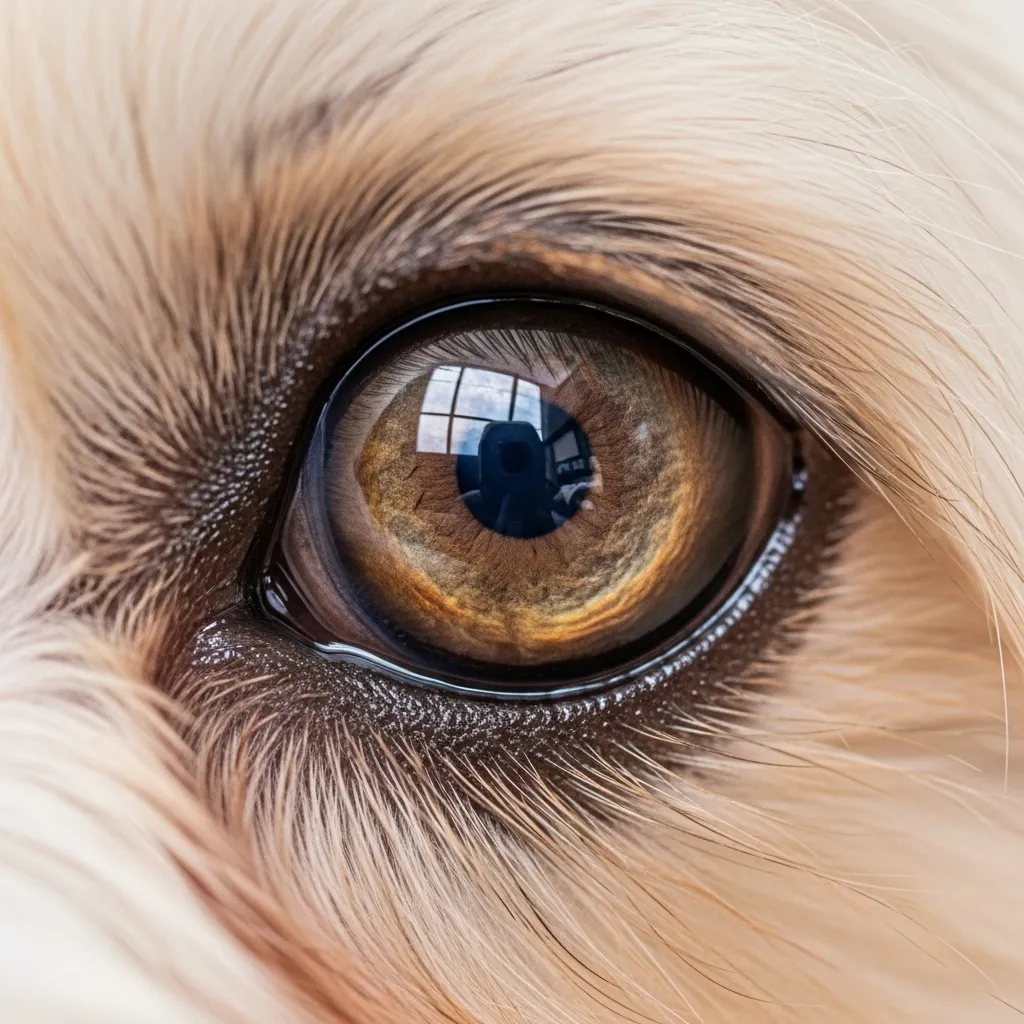
PRA is a group of genetic diseases that cause the retina to deteriorate over time, eventually leading to blindness. The scary part is it can start without any obvious symptoms. Your dog might become hesitant to go into dark rooms or start bumping into furniture as their night vision goes first.
There is no cure, but responsible breeders test their dogs for the genes responsible. If you have a Havanese, it’s wise to schedule regular veterinary eye exams. Dogs adapt amazingly well to vision loss, especially in a familiar, safe home.

3. Heart Murmurs & Valve Disease
Heart issues, particularly mitral valve disease, can affect Havanese. A murmur is the sound of turbulent blood flow heard by your vet with a stethoscope. Early on, there are often no outward signs, which is why annual check-ups are so crucial.
Symptoms of advancing heart disease can include coughing, fatigue, shortness of breath, or fainting. If a murmur is detected, your vet may recommend further tests like an echocardiogram. Many dogs live happily for years with managed heart conditions.

4. Liver Shunts (Portosystemic Shunt)
This is a congenital condition where blood bypasses the liver, preventing it from detoxifying the blood properly. Symptoms in a puppy or young dog can be subtle but serious: stunted growth, disorientation, seizures, or unusual sensitivity to sedatives.
If you notice your Havanese acting “spacey” or having episodes of weakness, mention it to your vet. Diagnosis involves specific blood tests and imaging. Treatment can range from a special diet and medication to surgery, depending on the shunt’s type and severity.
5. Dental Disease
Those tiny mouths are prone to big dental problems! Havanese often have crowded teeth, which makes them a magnet for plaque and tartar buildup. Left unchecked, this leads to painful gum disease, tooth loss, and can even affect their heart and kidneys.
My top tips? Start a dental care routine early.
- Brush their teeth several times a week with dog-specific toothpaste.
- Offer dental chews approved by the Veterinary Oral Health Council (VOHC).
- Schedule professional veterinary cleanings as recommended.

6. Allergies (Skin & Food)
Many Havanese have sensitive skin. They can suffer from environmental allergies (like pollen or dust mites), food allergies, or contact allergies. The signs are hard to miss: constant scratching, licking their paws, red skin, ear infections, or recurring hot spots.
Managing allergies is often a process of elimination. Your vet might suggest a limited-ingredient diet trial or allergy testing. Regular bathing with a gentle, soothing shampoo and keeping up with flea prevention are also key parts of keeping their skin comfortable.

7. Cataracts
Unlike PRA, cataracts cause a cloudy opacity in the lens of the eye that you can often see. They can develop due to genetics, diabetes, or simply with age. Your dog’s vision will become blurry and impaired, much like looking through a foggy window.
While not all cataracts require surgery, it is an option for restoring vision if the cataract is causing significant blindness and your dog is otherwise healthy. An ophthalmologist can determine if your Havanese is a good candidate.
8. Ear Infections
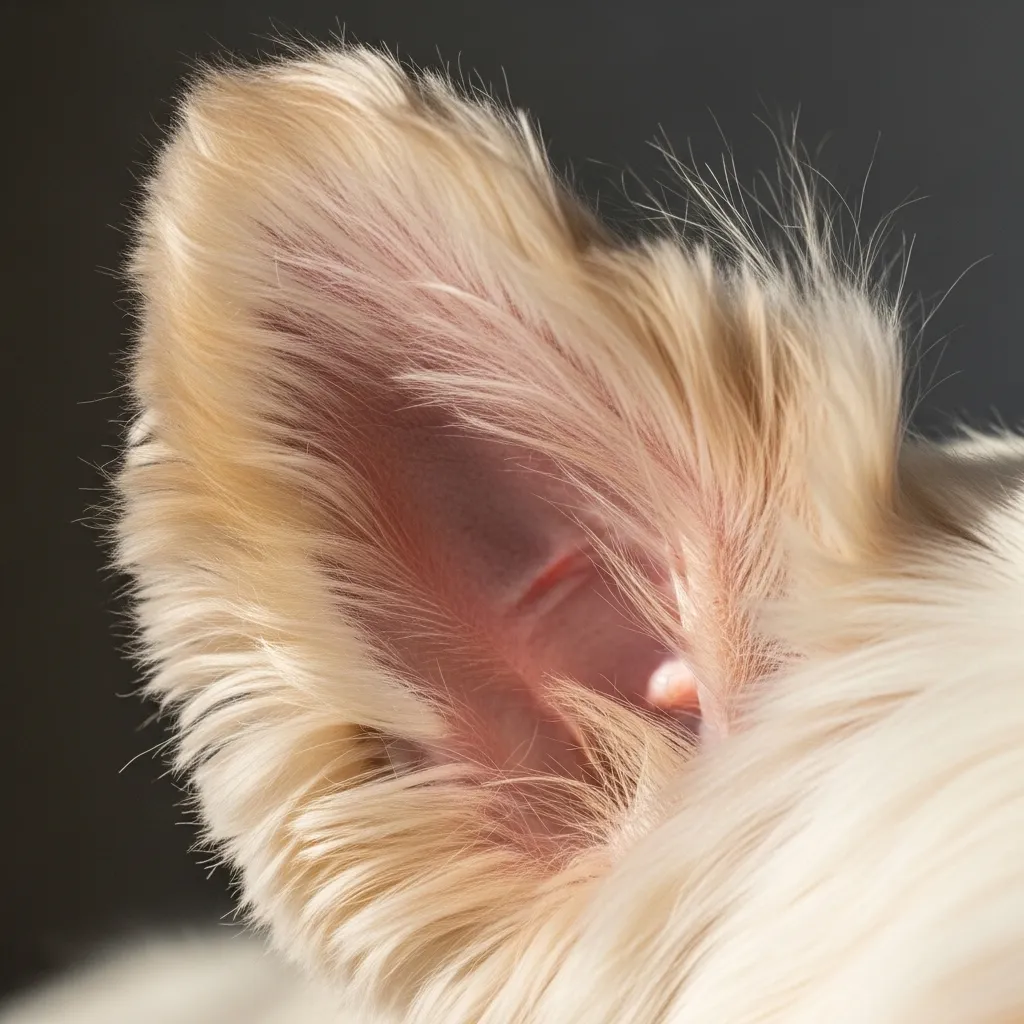
Those beautiful, floppy ears that frame their face so perfectly also create a warm, dark environment where yeast and bacteria can thrive. Havanese are prone to ear infections, signaled by head shaking, scratching, odor, or redness inside the ear.
Prevention is straightforward but essential. Get into the habit of checking and gently cleaning their ears weekly with a vet-recommended cleaner. Always dry their ears thoroughly after baths or swimming to prevent moisture buildup.
9. Legg-Calvé-Perthes Disease
This condition affects the hip joint, where the head of the femur bone degenerates due to a lack of blood supply. It typically shows up in young dogs (4-12 months old) as limping, pain, and muscle wasting in the affected leg.
Treatment almost always involves surgery to remove the diseased bone head, which then allows scar tissue to form a false joint. The good news is that most small dogs recover very well from this surgery and regain excellent, pain-free function.
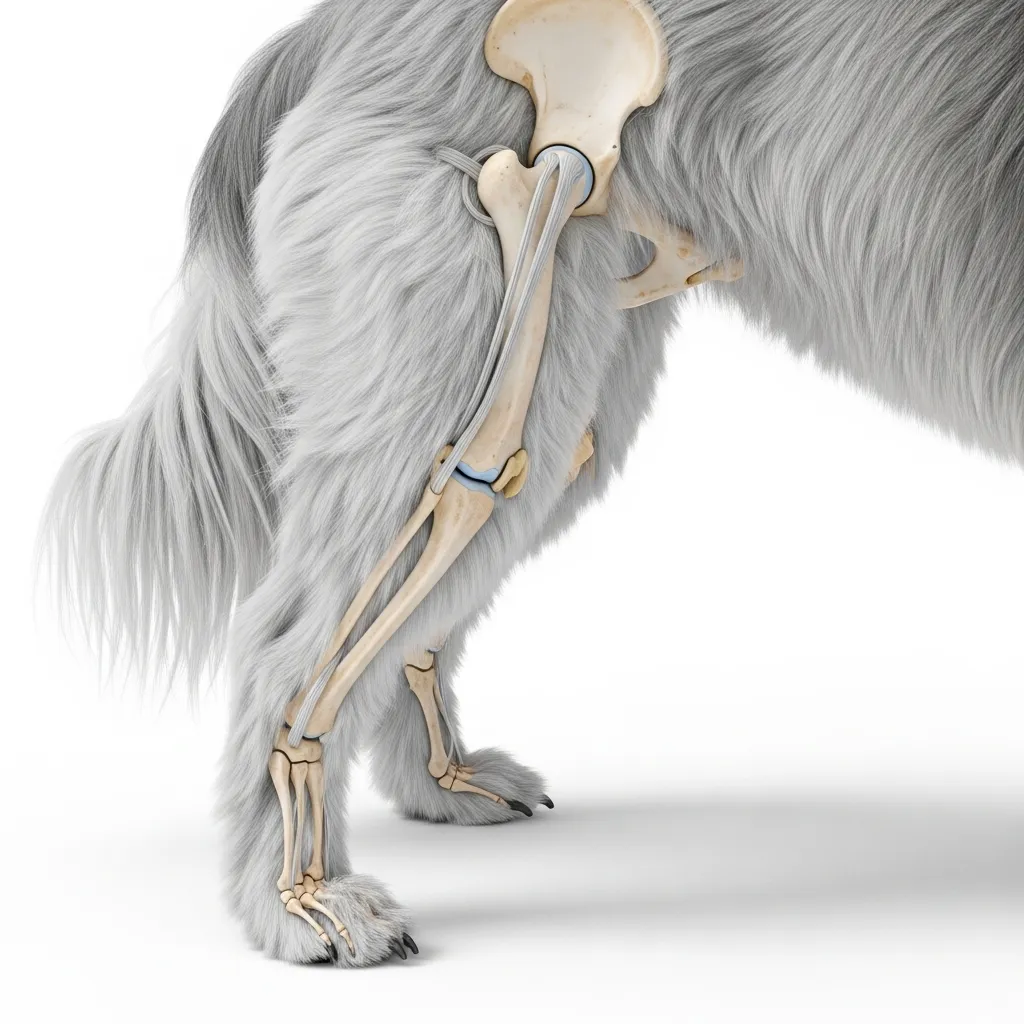
10. Chondrodysplasia (Dwarfism)
Some Havanese carry a gene for a form of dwarfism that gives them shorter legs. While this can contribute to their adorable look, it can also be linked with other health issues, like intervertebral disc disease (IVDD) in the back.
It’s important to protect their long back. Avoid letting them jump on and off high furniture—use ramps or stairs instead. Maintaining a healthy weight is absolutely critical to prevent unnecessary strain on their spine and joints.

Caring for Your Havanese’s Health
This list might seem daunting, but knowledge is power. The vast majority of Havanese live full, vibrant lives. The key is partnering with a great veterinarian, scheduling those yearly wellness exams, and being an observant pet parent. Trust your instincts—you know your dog best.
Focus on the fundamentals: a high-quality diet, plenty of appropriate exercise, diligent grooming (including teeth and ears!), and lots of love. By staying informed and proactive, you’re giving your fluffy companion the best possible chance at a long, healthy life by your side.
Havanese Health FAQ
Q: What is the most common health issue in Havanese?
A: Luxating patellas (knee issues) and dental disease are extremely common. Regular vet checks and good at-home dental care are your first lines of defense.
Q: How long do Havanese typically live?
A: With good care, Havanese have a long lifespan, typically between 14 to 16 years. Some even live into their late teens!
Q: Are Havanese hypoallergenic?
A: While no dog is 100% hypoallergenic, Havanese have hair (not fur) that sheds very little. This can make them a better choice for many people with allergies, but it’s not a guarantee.
Q: How often should I groom my Havanese?
A: Their long, silky hair requires commitment. Brush thoroughly every 1-2 days to prevent mats. Most owners opt for a professional trim every 4-6 weeks, plus regular ear cleaning and nail trims.
Q: Should I get pet insurance for my Havanese?
A: I highly recommend looking into it, especially while your dog is young and healthy. It can be a financial lifesaver for unexpected illnesses, surgeries, or managing chronic conditions like allergies or heart disease.