14 Secrets to Growing a Happy, Healthy Shih Tzu

When I brought my first Shih Tzu puppy home, I thought I was prepared. I had the bed, the bowls, and a heart full of love. But I quickly learned that raising this regal, fluffy companion is an art form. It’s about more than just basic care; it’s about understanding their unique needs and quirks.
Through years of laughter, a few chewed slippers, and countless cuddles, I’ve discovered the little secrets that make a big difference. These aren’t just tips from a book—they’re the real, practical lessons from life with a Shih Tzu. Let me share them with you, so your journey can be just as joyful.
1. Master the “Puppy Gaze” & Early Bonding
Your Shih Tzu’s bond with you is everything. From day one, spend quiet, focused time together. Hold them gently, speak softly, and learn their unique “puppy gaze.” This isn’t just cute; it’s how they communicate trust and affection.
This early connection sets the stage for all training and socialization. A securely bonded Shih Tzu is a confident, well-adjusted dog. Make eye contact during feeding and play to strengthen this lifelong friendship.

2. The Brushing Secret: Start Before the Bath
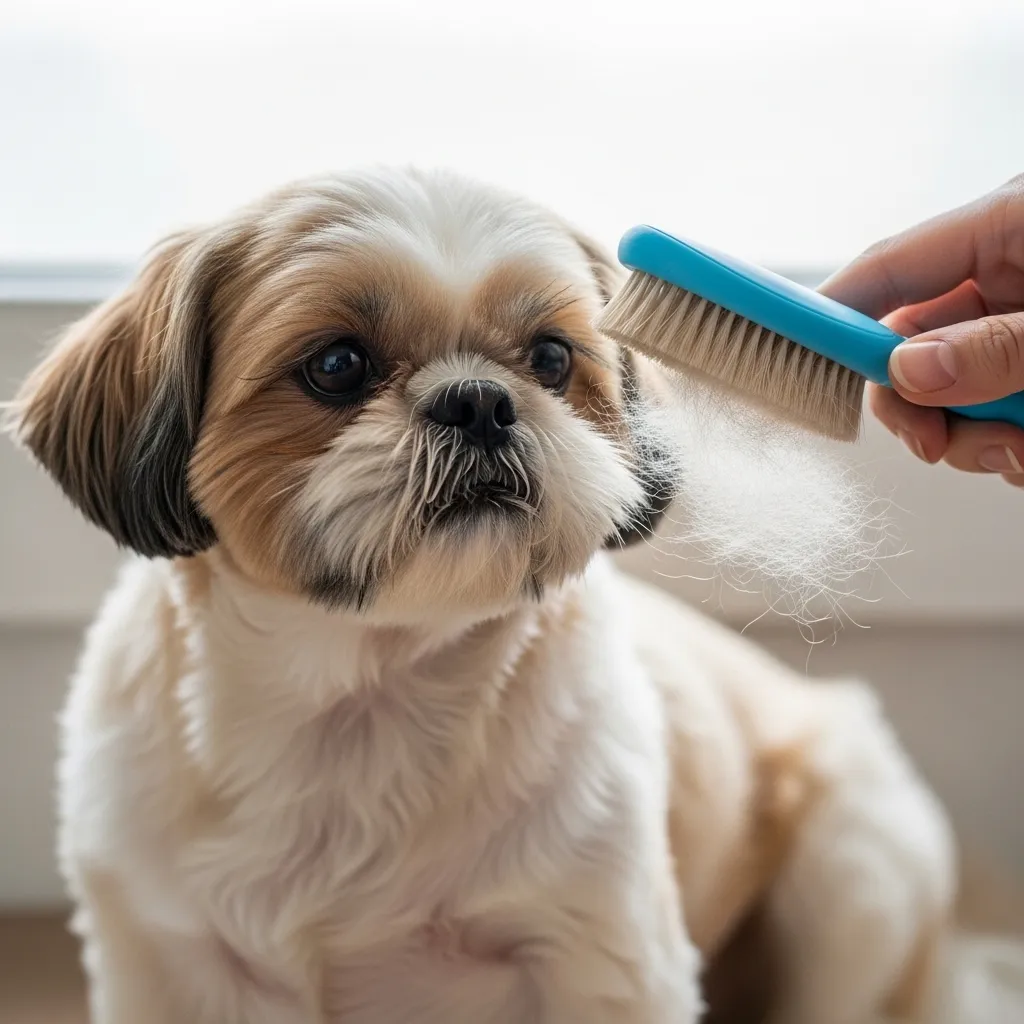
That gorgeous coat is a magnet for tangles. The biggest mistake? Trying to brush it after a bath when mats are tighter. Always do a thorough brush-out *before* you get them wet.
Use a high-quality pin brush and a metal comb daily, even for just five minutes. Pay special attention to behind the ears, under the legs, and around the collar. This ritual prevents painful mats and turns grooming into a bonding session, not a battle.
3. Create a “Safe Zone” Sanctuary
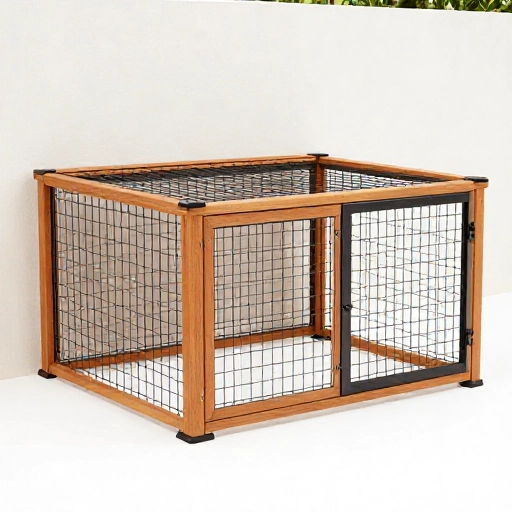
Shih Tzus are companion dogs who crave security. Designate a cozy corner with their crate (door open), a soft bed, and a favorite blanket. This should be their no-stress retreat from loud noises, guests, or busy days.
Never use this space for time-outs or punishment. It must always be a positive sanctuary. Teaching them “go to your place” gives them a sense of control and safety, reducing anxiety.

4. The Power of the Top Knot
It’s not just a fashion statement! A top knot (pulling the hair up from the eyes) is crucial for health. It keeps hair out of their eyes, preventing:
- Eye irritation and ulcers
- Constant tear staining
- Skin infections from damp fur
Start getting them used to a soft hair tie as a puppy. Make it positive with treats and praise. A clear view of the world makes for a happier, more engaged pup.

5. Train with “Life Rewards”
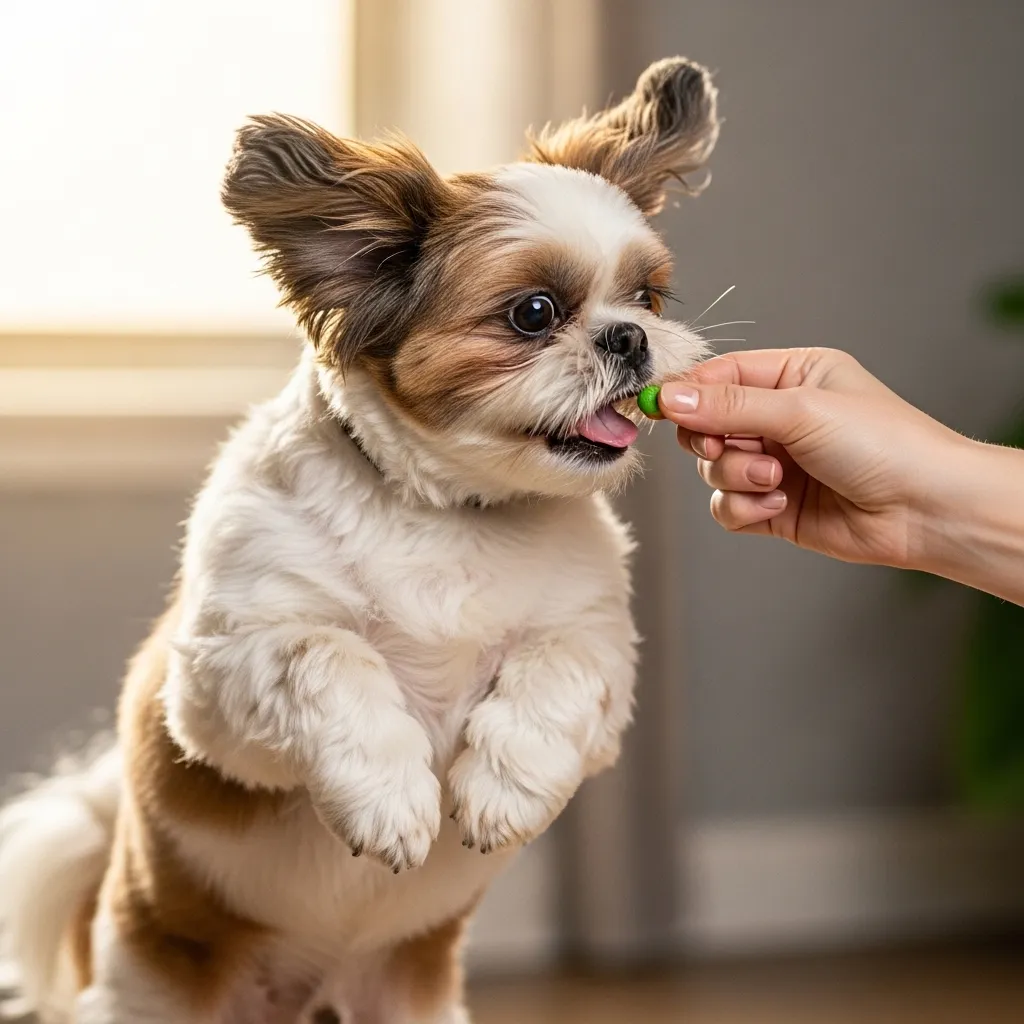
Shih Tzus can be stubborn if they don’t see the point. Move beyond just treat training. Use “life rewards”—things they already want.
Ask for a “sit” before opening the door for a walk. Practice “down” before putting their dinner bowl down. This teaches them that good manners are the key to all good things, building a polite and cooperative companion.
6. Protect Their Delicate Back
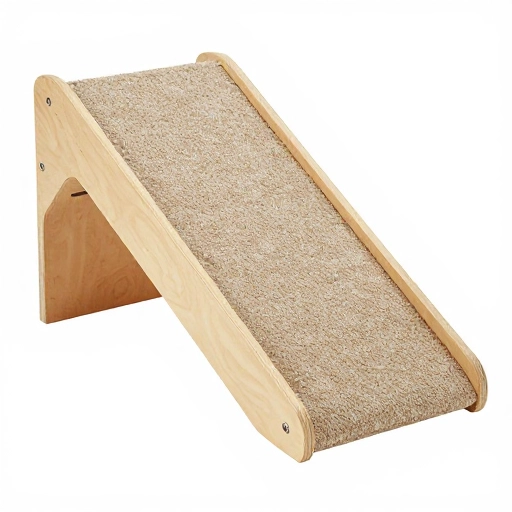
Their long backs are prone to injury. Never let them jump on and off high furniture. Use pet stairs or ramps for sofas and beds consistently.
Also, support their entire body when picking them up—one hand under the chest, the other supporting the hindquarters. A little prevention here protects them from serious intervertebral disc disease (IVDD) later in life.

7. The Tear Stain Solution Starts Inside
Reddish-brown tear stains are common. While keeping the area dry is key, look inward. Often, the cause is related to diet or water.
- Use stainless steel or ceramic bowls, washed daily.
- Offer filtered or distilled water.
- Check if a food ingredient (like chicken or additives) is causing an allergy.
A gentle daily wipe with a soft, damp cloth is the final, external step.

8. Socialize, Don’t Just Expose
Socialization isn’t just meeting other dogs. It’s about creating *positive* associations with the world. Carry your puppy to quiet parks, let them watch traffic from a distance, and introduce them to friendly, calm people.
Reward calm behavior. For a Shih Tzu, a bad scare can lead to fearfulness. Quality of experiences matters far more than quantity.

9. Dental Care is Non-Negotiable
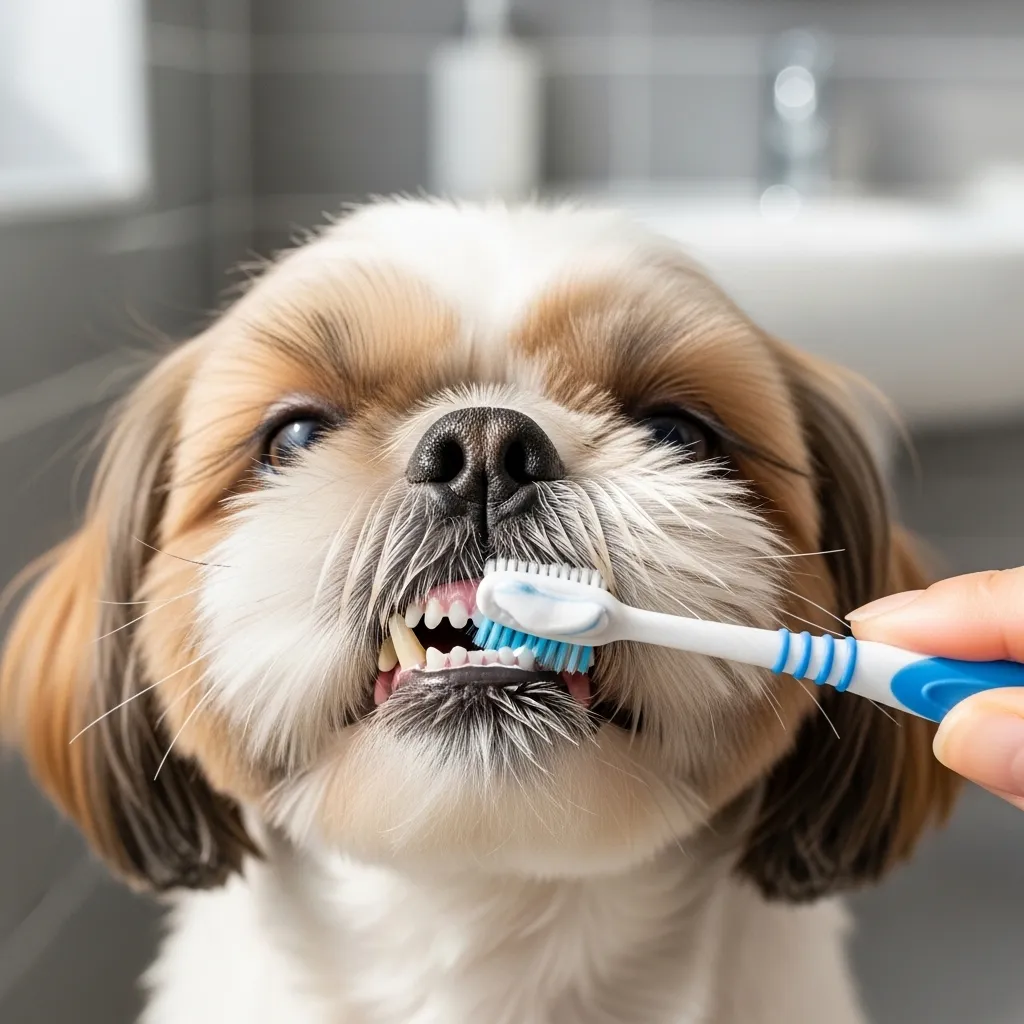
Small breeds are infamous for dental disease. Start brushing their teeth several times a week with a dog-specific toothpaste (never human). Get them used to you handling their mouth early.
Supplement with veterinary-approved dental chews. Good oral health prevents painful infections and protects their heart, kidneys, and overall health.
10. Decode the Snort & Snore
Their cute flat face (brachycephalic) comes with noisy breathing. Learn what’s normal for your dog. Light snoring is typical, but be alert for signs of distress:
- Excessive, loud snorting during calm moments
- Gagging or struggling to catch their breath
- Blue-tinged gums
Avoid overheating and use a harness, never a collar, to avoid pressure on their trachea.

11. Find Their “Job”
Despite their lapdog reputation, Shih Tzus are clever and need mental work. Give them a “job” to satisfy this instinct. This could be:
- Learning new tricks (they excel at “spin” or “wave”)
- Puzzle toys for meals
- Hide-and-seek with treats
A mentally tired Shih Tzu is a well-behaved Shih Tzu. It channels their energy positively and deepens your bond.

12. The Paw-fect Diet Balance
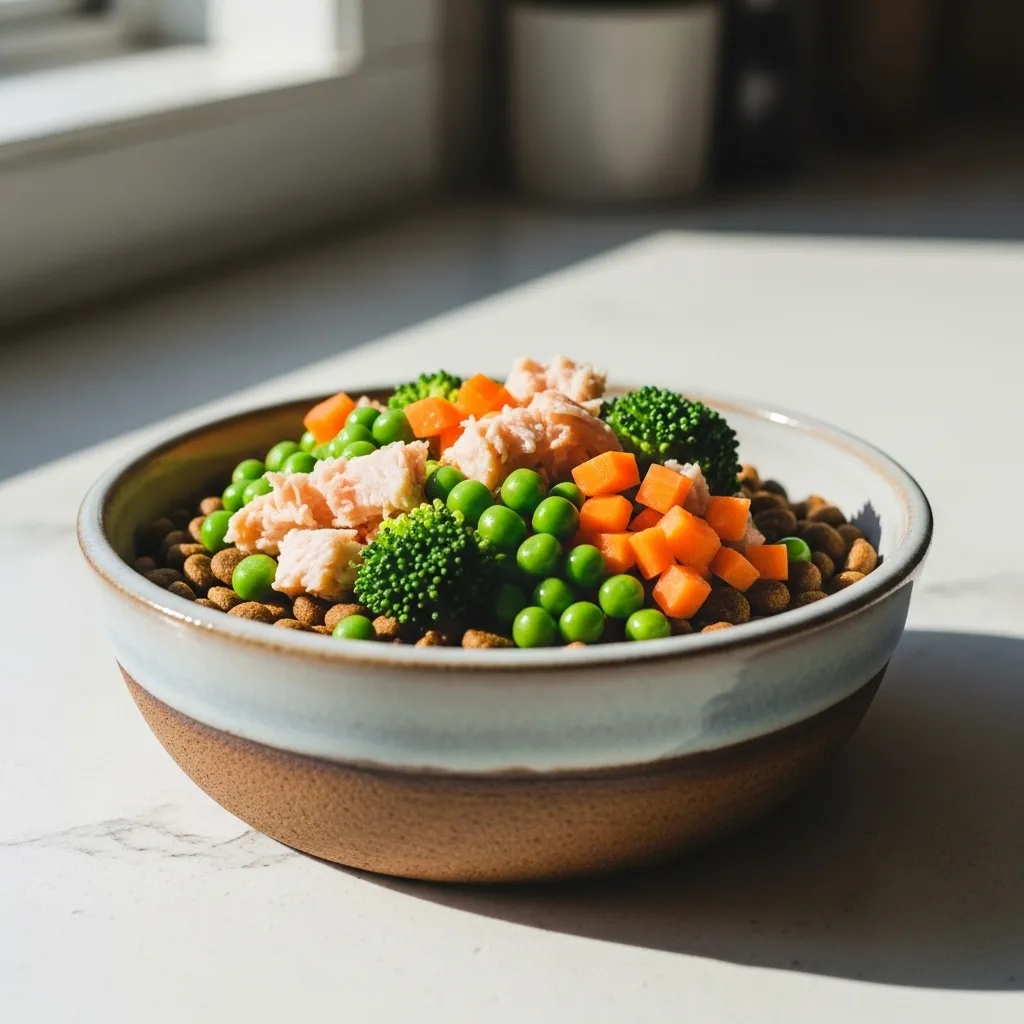
They gain weight easily, which strains their joints and back. Measure their food precisely and limit treats. Choose a high-quality, small-breed formula.
Watch for allergies—itchy skin, ear infections, and paw licking can signal a food sensitivity. Sometimes a simple protein switch (like to salmon or lamb) makes all the difference.

13. Potty Training Patience is Key
They can be notoriously slow to housebreak. Consistency and patience are your best tools. Take them out:
- Immediately after waking up
- After every meal and play session
- Right before bed
Praise lavishly for success outside. Never punish for accidents indoors; just clean thoroughly with an enzymatic cleaner to remove the scent.
14. Embrace the “Velcro Dog”
Your Shih Tzu was bred to be your shadow. Fighting this need for companionship leads to separation anxiety. Instead, embrace it.
Include them in safe, calm aspects of your day. Let them follow you from room to room. When you must leave, provide a special long-lasting treat in their safe zone. Accepting their need to be near you is the ultimate secret to their happiness.

Conclusion: It’s a Journey of Love
Growing a Shih Tzu isn’t about achieving perfection. It’s about the daily rituals—the gentle brushing, the shared glances, the little triumphs in training. These secrets are simply ways to speak their language of loyalty and love. When you understand their unique world, you don’t just raise a pet; you nurture a devoted, joyful companion for life. Enjoy every fluffy, snorty, wonderful moment.
Shih Tzu Care FAQ
Q: How often should I groom my Shih Tzu?
A: Daily brushing is ideal to prevent mats. A full bath and haircut are needed every 3-4 weeks, but this depends on their coat length and lifestyle.
Q: Are Shih Tzus good with children?
A: They can be wonderful with gentle, respectful children. Always supervise interactions and teach kids how to pet gently. Their small size makes them fragile.
Q: How much exercise do they really need?
A: Not much! Two short walks (15-20 minutes) and some indoor play each day is usually sufficient. They are prone to overheating, so avoid intense exercise in hot weather.
Q: Why is my Shih Tzu so stubborn with training?
A> They are sensitive and can shut down if scolded. Use positive reinforcement, keep sessions short and fun (5 minutes), and use high-value treats or their favorite toy as a reward.
Q: What’s the average lifespan of a Shih Tzu?
A> With excellent care, a Shih Tzu often lives between 10 to 16 years. Regular vet check-ups, a good diet, dental care, and maintaining a healthy weight are key to a long, happy life.