10 Genius Dog Hotel Ideas Your Pup Will Actually Love (And You’ll Feel Good About)
Let’s be real—leaving your dog behind while you travel is rarely easy. You spend the whole trip wondering if they’re getting enough cuddles, if the food is right, or if they’re just staring at the door waiting for you. But here’s the thing: a great boarding experience can make all the difference. It’s not just about a place to sleep. It’s about creating a space that feels safe, fun, and almost like a second home.
Whether you’re building a professional kennel from scratch or just want to make your pet-sitting setup extra special, these dog hotel ideas are all about comfort, enrichment, and those little details that turn a basic crate into a five-star retreat. I’ve rounded up ten of my favorite concepts that focus on what dogs genuinely need—not just what looks good in a photo.
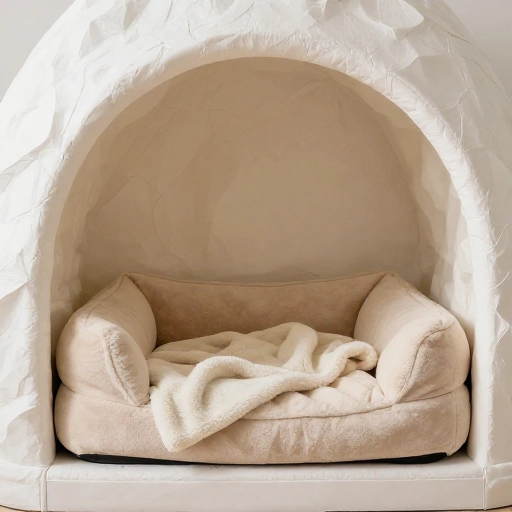
1. The Cozy Cave Suite: Ditch the Cold Concrete
Nobody likes sleeping on a hard floor, and your pup feels the same way. The best dog hotels are ditching bare concrete and wire crates for cozy, den-like spaces. Think raised cots or thick, washable orthopedic mats that give joints some cushioning. The goal is to make the space feel like a cave—dark, quiet, and snug.
Add a soft fleece blanket that smells like home. If you can, bring an old t-shirt from the owner. That familiar scent does wonders for reducing anxiety in a new place. It’s a tiny touch that makes a huge difference.
I love using heavy-duty vinyl flooring with heated pads underneath for winter months. It’s easy to clean but still feels luxurious. Don’t overthink it—if it looks comfy to you, it’s probably comfy for them.
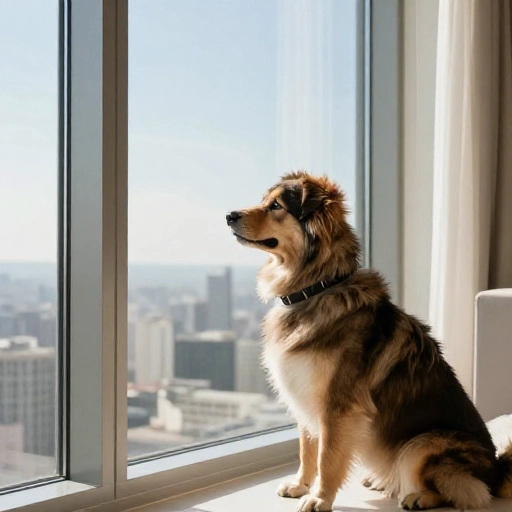
2. Private “Skybox” Windows for Nosey Pups
Dogs are curious creatures. They want to see what’s going on, but they also need their personal space. Instead of solid walls between suites, try installing lower-level windows or “pass-through” portholes. This allows dogs to see their neighbors without being able to touch or fight through the barrier.
This is a game-changer for socialization. It lets shy dogs observe from a safe distance, and it keeps confident dogs entertained. It’s like having a window seat at a coffee shop—you get to watch the world go by without having to participate.
Make sure the glass is safety-tempered and the frames are chew-proof. You want the interaction to be visual only, which prevents a lot of stress and potential injuries.
3. The Indoor “Sniffari” Garden
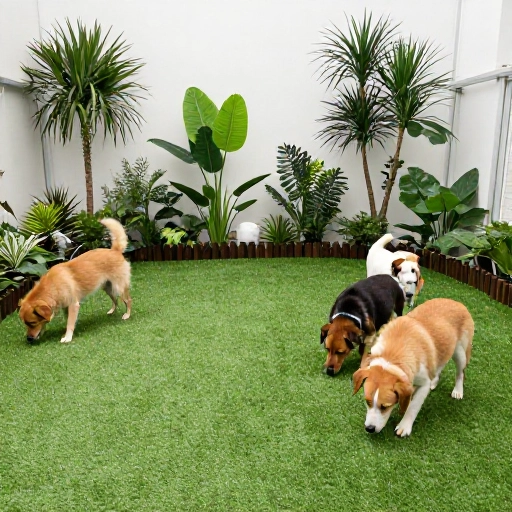
Physical exercise is great, but mental exhaustion is what really calms a dog down. Instead of just a boring gravel run, create a designated sniffing area. Scatter a few handfuls of kibble or treats in the grass or fake turf and let the dogs “hunt” for their dinner.
You don’t need a huge outdoor space. Even a 10×10 foot patch of safe grass or a sandbox filled with rubber mulch works. Change the scent trails daily. Add a few herb plants like mint or basil (safe for dogs) in pots around the edge for extra sensory input.
This is one of those dog hotel ideas that costs almost nothing but pays off in happy, tired pups. A dog that uses their nose for twenty minutes is often more tired than one that ran for an hour.
4. Calming Music and White Noise Systems
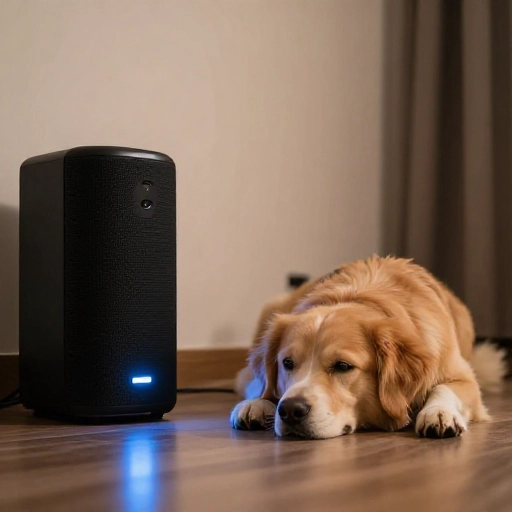
Kennels are loud. Barking echoes off the walls, and the silence between barks can be just as stressful. Installing a sound system that plays soft classical music or specially designed dog relaxation tracks can mask outside noises and keep the whole facility calmer.
I like to use white noise machines near the entry doors to buffer the sound of strangers walking by. In the suites, a small speaker playing low-volume reggae or soft rock (yes, dogs actually have musical preferences) works wonders.
Make sure the speakers are mounted high and out of reach. This small investment creates a spa-like atmosphere that reduces cortisol levels in the dogs.
5. The “Doggie Room Service” Menu
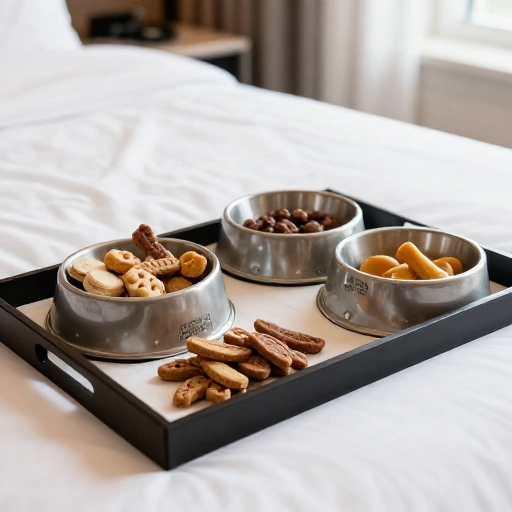
Let’s talk food. Boarding facilities often feed whatever brand the owner brings, but to elevate the experience, offer a “room service” menu. This could be as simple as offering a warm, low-sodium chicken broth topper, or a scoop of plain canned pumpkin for dinner.
You can also offer specific add-ons like frozen yogurt treats or peanut butter-filled Kongs as a bedtime snack. It’s not about spoiling them rotten; it’s about maintaining routine and adding a little joy to a day that might otherwise be boring.
Always ask about allergies and dietary restrictions first. But offering a choice between “beef stew” or “chicken dinner” makes the owner feel better and makes the dog feel like a VIP guest.
6. Flexible “Nap Pods” for Quiet Time
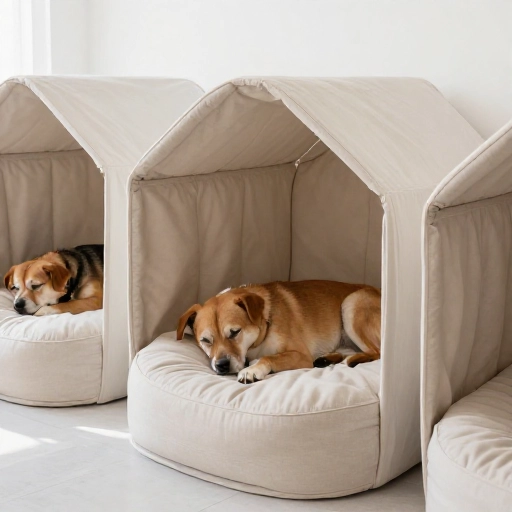
Not all dogs want to play all day. Some just want to nap in a quiet corner. Designate a separate area or specific suites as “Quiet Zone” nap pods. These are spaces with blackout curtains and extra-thick walls or soundproofing.
When a dog starts showing signs of overstimulation, the staff can move them to a nap pod for a few hours. This prevents meltdowns and keeps the energy levels in the main play area manageable.
Think of it like a sensory deprivation tank for dogs. It’s a place to reset. If you’re building a facility, paint these rooms in calming blues or greens and keep the lighting dim.
7. Interactive Puzzle Walls
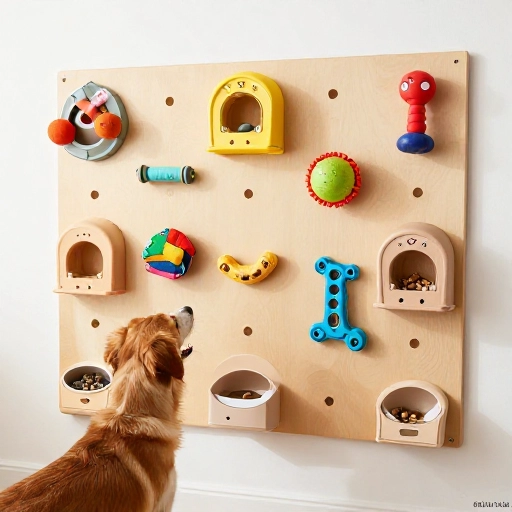
Boredom is the enemy of a good boarding stay. Install a few interactive puzzle toys directly onto the walls of the play yard or individual runs. Think of those plastic tubes where you can hide treats inside, or a simple PVC pipe contraption that dispenses kibble when rolled correctly.
You can make these yourself with a trip to the hardware store. Attach them securely to the fence or wall so they can’t be knocked over. Rotate the toys every day to keep them novel.
This is a fantastic way to keep clever breeds like Aussies or Poodles engaged. It gives them a job to do, which is exactly what they crave.
8. Climate-Controlled “Beach” Zones
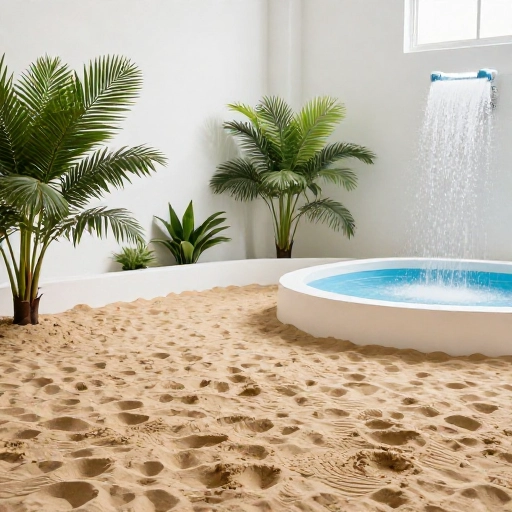
Dogs overheat quickly, and they also hate being cold. A great dog hotel idea is to create indoor play areas that simulate different weather conditions. Have a “beach day” room with a shallow, non-slip splash pool and sand-like flooring that stays cool.
In the winter, you can flip a switch and this same room becomes a warm, heated grotto with heat lamps and cozy beds. It’s about giving the dogs an experience they wouldn’t get at home.
The splash pool should be shallow—just knee-high for a medium dog. Add floating rubber ducks and balls for retrieval fun. Always supervise pool time to ensure safety.
9. Live Webcam “Cuddle Cams”
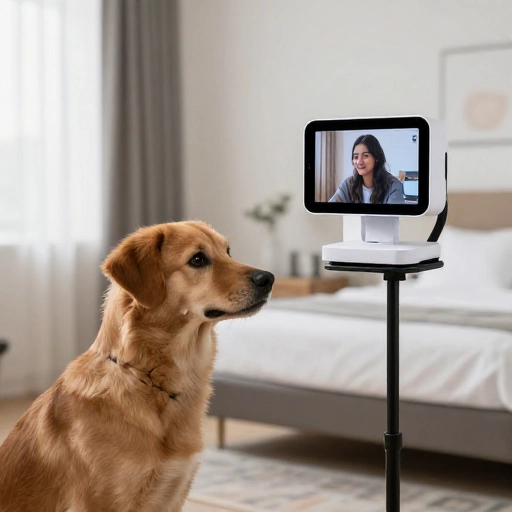
This is more for the humans, but it greatly impacts the dog’s stress level because the owner is less anxious when they pick them up. Set up high-definition cameras in the main playrooms and suites so owners can check in via an app.
It’s not just about security; it’s about peace of mind. Seeing their pup playing happily on a live stream allows the owner to actually enjoy their vacation instead of worrying.
Make sure you have clear privacy policies. Position the cameras to cover the common areas but angle them away from the bathroom areas if possible.
10. The “Wind-Down” Lick Mats and Frozen Treats
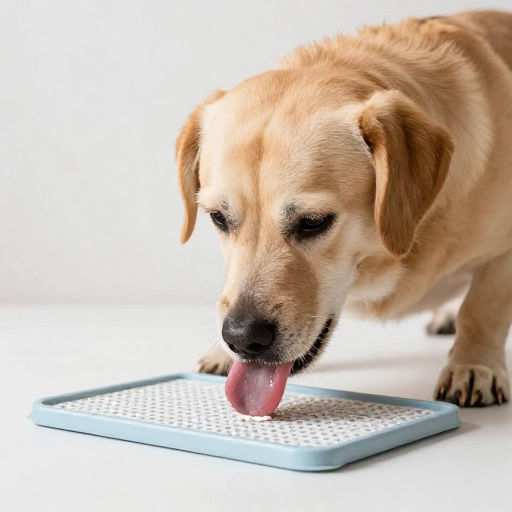
Ending the day on a calm note is crucial. Instead of letting the dogs zoom around until lights out, institute a nightly “wind-down” ritual. Hand out lick mats smeared with plain Greek yogurt or frozen pumpkin puree right before bed.
The act of licking is a natural stress reliever for dogs. It releases endorphins and slows their heart rate. This helps them settle into sleep faster and stay asleep longer, which means they wake up happier.
This is the easiest dog hotel idea on the list. Buy a few silicone lick mats, prep them in the freezer daily, and watch the magic happen. It’s a simple routine that turns a stressful night into a peaceful one.
Final Thoughts: It’s All About the Details
Creating a comfortable boarding experience isn’t about the most expensive equipment or the biggest facility. It’s about paying attention to the senses—what does it sound like, smell like, and feel like to the dog? When you focus on reducing anxiety and increasing mental stimulation, you’re not just running a kennel; you’re running a retreat.
Try implementing just one or two of these dog hotel ideas this month. You’ll notice a massive difference in the behavior of the dogs in your care, and your reputation as a top-tier facility will grow because of it.
Frequently Asked Questions
1. What is the most important factor in a dog hotel?
Safety and sanitation are non-negotiable, but the next most important is staff-to-dog ratio. A clean facility with attentive staff who can spot signs of stress early is worth more than any fancy amenity.
2. How do I make a dog feel less anxious during boarding?
Bring items from home that smell familiar, like a worn t-shirt or a favorite blanket. Also, stick to the dog’s regular feeding schedule as closely as possible and provide plenty of mental stimulation like puzzle toys.
3. Should I bring my own dog food to the kennel?
Yes, always! Switching food abruptly can cause stomach upset. Bringing your own food ensures your dog’s digestive system stays regular and they get the nutrition they are used to.
4. Are dog hotels worth the extra cost compared to traditional kennels?
Often, yes. Dog hotels typically offer more enrichment activities, larger suites, and more personalized care. If you have a high-energy or anxious dog, the extra cost is usually worth the peace of mind.
5. How far in advance should I book a dog hotel?
You should book as early as possible, especially during holidays and summer months. Popular facilities can book out weeks or even months in advance, so aim to reserve your spot at least 2 to 4 weeks ahead.