10 Indoor Dog Boarding Facility Design Ideas That Dogs (and Owners) Will Love
When I first started designing my dog boarding space, I thought it was all about comfy beds and food bowls. Boy, was I wrong. After years of running a facility and watching hundreds of dogs settle in (or not), I’ve learned that the space itself does half the work. A great indoor design keeps stress low, energy high, and tails wagging from the moment a pup walks through the door.
Whether you’re building from scratch or renovating an existing space, these ten design ideas focus on what dogs actually need—safety, stimulation, and a little bit of cozy. Plus, they’ll make your facility look amazing in photos, which never hurts for your Pinterest and Instagram game.
1. Create a “Welcome Zone” with a Calming Scent Station
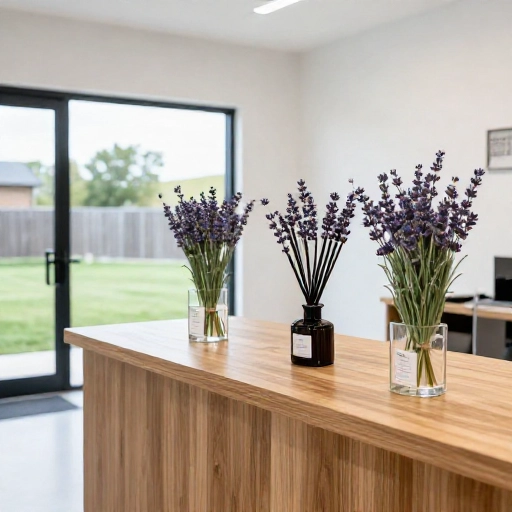
The first five minutes set the tone for the whole stay. I added a small vestibule right at the entrance—not just for check-in paperwork, but for scent swapping. Dogs arrive nervous, carrying the smell of home and car rides. A dedicated spot with a towel wall or sniffing posts lets them get oriented before meeting other dogs.
I use lavender-infused wipes on the check-in counter (safe for dogs, of course) and keep a few soft rugs that absorb anxiety. It sounds simple, but it cuts down on barking and pacing dramatically.
If you have the budget, add a low water fountain here too. Hydrated dogs are calmer dogs, and it gives owners something to watch while they fill out forms.
2. Build “Condo-Style” Suites with Raised Beds
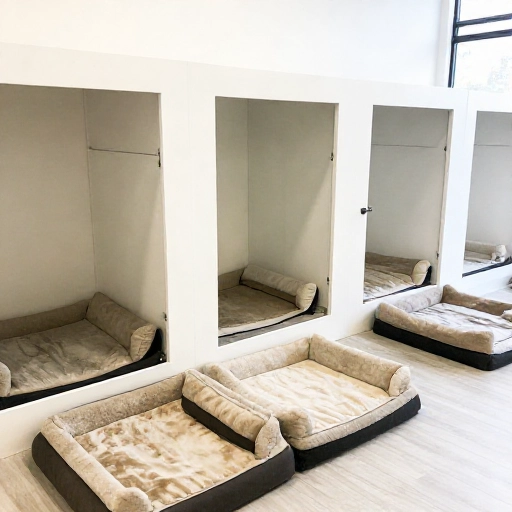
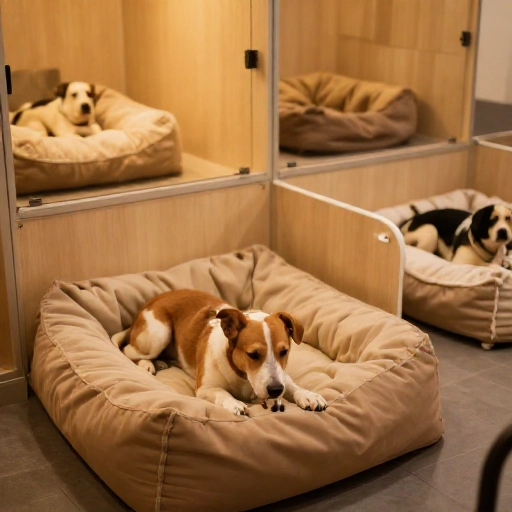
Forget flat mats on the floor. I switched to raised, cot-style beds in individual suites, and it changed everything. Dogs feel more secure when they’re slightly off the ground—it’s a natural denning instinct. Plus, it keeps them off cold concrete in winter and hot floors in summer.
I made each suite about 4×6 feet, which feels spacious but not overwhelming. The walls are solid on the bottom half and clear acrylic on top, so dogs can see out but still have a private corner to curl up in.
Add a small, washable fleece blanket to each suite. It sounds like a small touch, but it gives dogs something familiar to burrow into, and it makes cleaning way easier than full bedding.
3. Install Soundproofing Between Play Areas
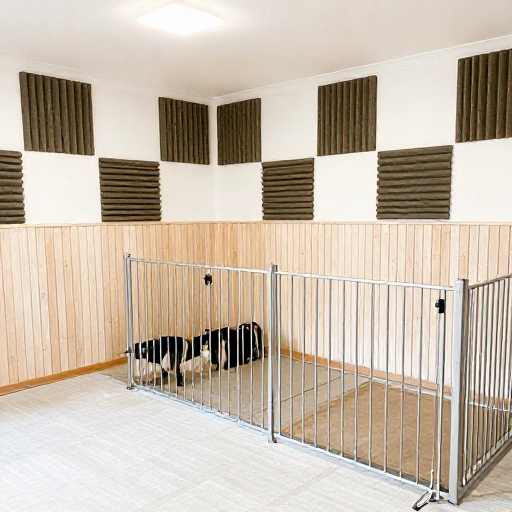
Here’s the thing I wish someone told me early on: barking echoes are your enemy. Not just for the dogs, but for your staff’s sanity. I installed acoustic foam panels on the walls between play zones, and the difference is night and day. Dogs settle faster when they can’t hear every single bark from the next room.
I also added a thick rubber baseboard along the bottom of walls. It handles both sound and the inevitable chewing. Trust me, you’ll thank yourself later.
For the ceiling, consider hanging fabric baffles. They soak up noise and add a pop of color. It’s a design choice that’s both functional and Instagram-worthy.
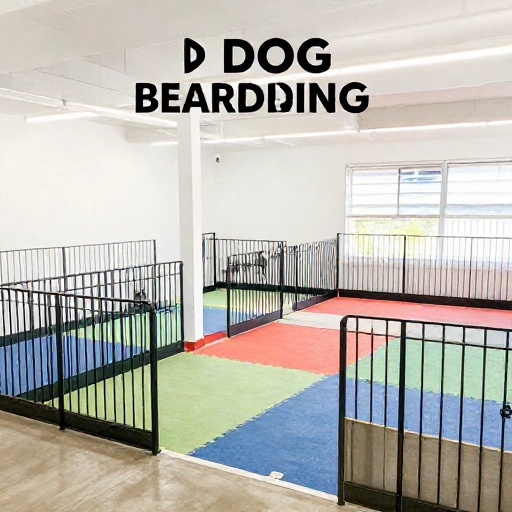
4. Use Slip-Resistant Flooring with Drainage
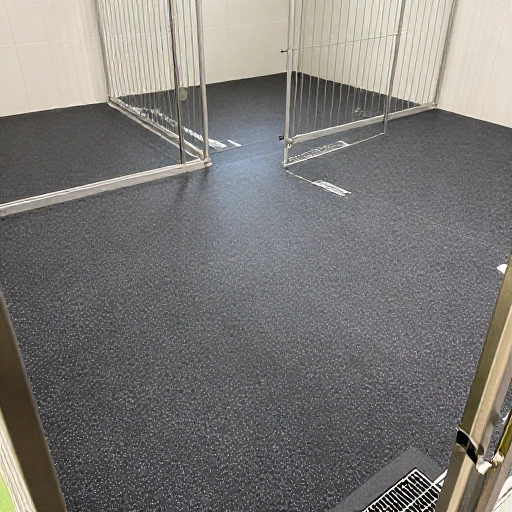
I know epoxy floors are popular, but they’re slippery when wet. I switched to a textured rubber tile system that’s gentle on joints and actually gets less slippery when damp. It’s a lifesaver for senior dogs and puppies who are still wobbly on their feet.
Underneath, I installed a slight slope toward a central floor drain. That means I can hose down the whole play area and it dries in minutes. No more standing water, no more mildew smell.
Choose a color that hides paw prints—warm gray or speckled tan works better than pure white. You’ll spend less time scrubbing and more time playing with the pups.
5. Design Separate “Nap Nooks” with Dim Lighting
Dogs need a break from each other, even the social ones. I carved out small, cave-like nooks along one wall—just big enough for two dogs to snuggle. They have a low ceiling, soft lighting, and a curtain that can be pulled for total privacy.
I use dimmable LED strips set to a warm, low glow during afternoon rest hours. It signals to the dogs that it’s time to settle down. The change in behavior was almost instant.
These nooks double as a quiet space for shy or anxious dogs who aren’t ready for the main play group. It’s a gentle introduction that doesn’t feel like punishment.
6. Add a “Pee Post” Corner with Artificial Turf
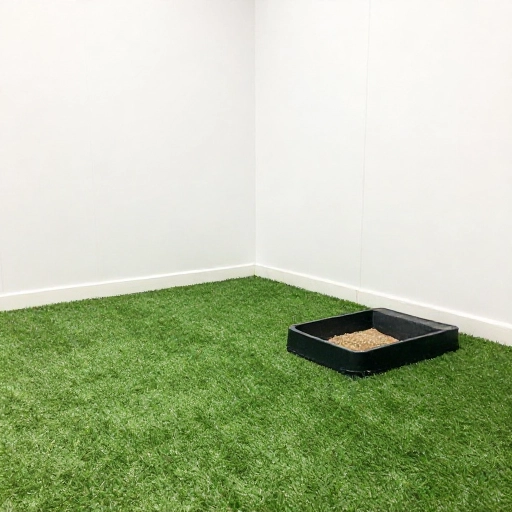
Let’s be real—indoor potty training is a thing. I dedicated a corner of the playroom to a raised artificial turf patch with a drainage tray underneath. It looks like a garden spot, but it’s super easy to clean.
I added a few fake fire hydrants (yes, really) and some vertical posts for male dogs who like to lift a leg. It’s become the go-to spot for marking, which means the rest of the floor stays clean.
Spray the turf with an enzyme cleaner daily, and it stays fresh. I also put a small sign nearby reminding staff to check it every hour, and it’s become a habit.
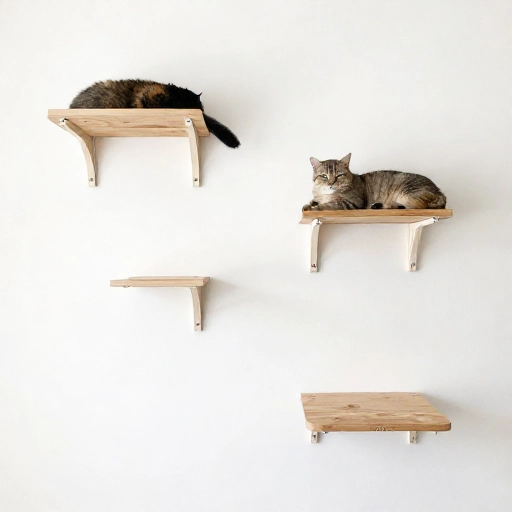
7. Create a Multi-Level Viewing Platform
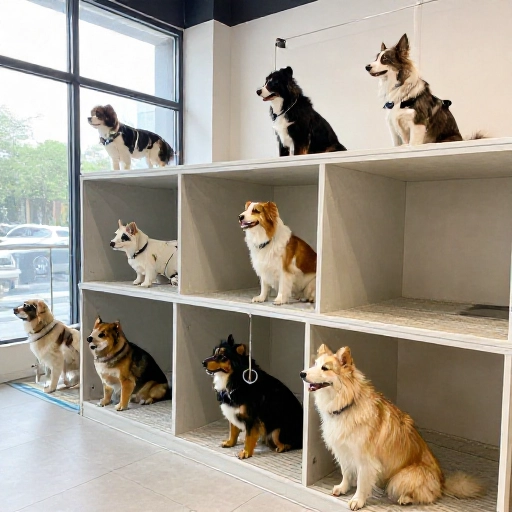
Dogs love to watch the room from above. I built a low, sturdy platform—about two feet high—with ramps on both sides. It’s covered in carpet squares that I can swap out and wash. The dogs line up to sit on it and survey their kingdom.
It’s also a great spot for smaller dogs to escape the rowdy big guys. I placed it near a window, so they get natural light and a view of the outdoors without being outside.
If you have the ceiling height, consider a second, higher platform with a ramp. It adds vertical space to the room and gives more confident dogs a place to show off.
8. Install a “Sniffle Wall” with Rotating Scents
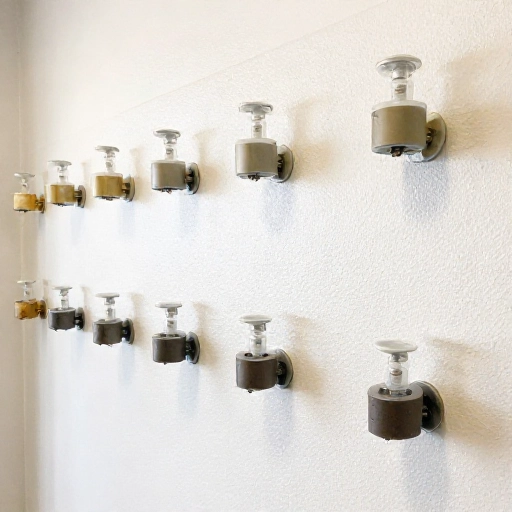
Mental stimulation is just as important as physical exercise. I dedicated one wall to a sniffle station—a series of small, removable fabric pouches where I hide treats and toys. The dogs spend minutes exploring it, which wears them out faster than a run around the yard.
I rotate the scents daily: lavender one day, peanut butter the next, a little bit of mint after that. It keeps things fresh and prevents boredom. The pouches are machine washable, so hygiene is a non-issue.
This wall is also my secret weapon for rainy days. When we can’t get outside, the sniffle wall becomes the main event, and the dogs go home happy and tired.
9. Use Color-Coded Zones for Easy Staff Navigation
It sounds like a small detail, but color-coded flooring and wall trim make a huge difference. I painted each play zone a different color—blue for small dogs, green for medium, yellow for large. The dogs don’t care, but the staff does. It cuts down on mix-ups and makes training new employees way faster.
I also added matching colored bins for toys and leashes. Everything has a home, and it takes seconds to clean up. Plus, it looks super organized for tours with potential clients.
Don’t go overboard with bright colors, though. Stick to muted tones that are calming for dogs but still distinct enough for humans to read.
10. Build a “Daylight” Tunnel for Indoor-Outdoor Feel
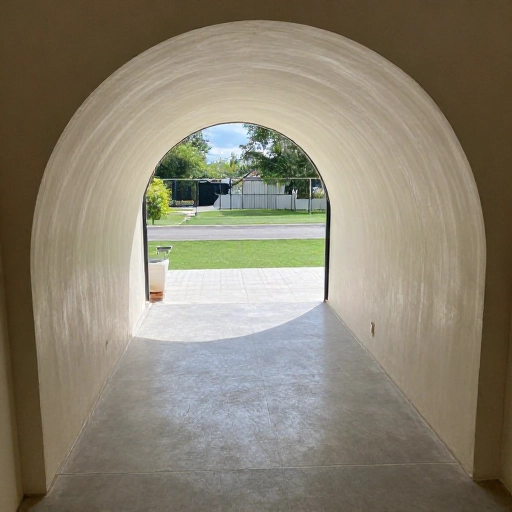
Dogs need natural light, but not every facility has windows. I installed a few Solatube-style light tunnels in the ceiling. They bring in actual sunlight without the heat or glare. The dogs gravitate to the bright spots on the floor and lie there like they’re sunbathing.
If you can’t do light tunnels, use full-spectrum light bulbs. They mimic natural daylight and help regulate the dogs’ sleep cycles. I noticed a big drop in nighttime restlessness after I switched.
Pair the light with a few large, low-hanging plants (non-toxic, of course). It makes the space feel alive and fresh, and it photographs beautifully for your marketing.
Final Thoughts
Designing a dog boarding facility isn’t just about looking pretty—it’s about creating a space where dogs feel safe, stimulated, and cared for. Every idea on this list has been tested in my own facility, and each one solved a real problem. Start with the basics like flooring and soundproofing, then add the fun touches like sniffle walls and viewing platforms.
Your dogs will be happier, your staff will be less stressed, and your clients will see the difference in every photo you post. That’s the kind of reputation that builds itself.
FAQ: Indoor Dog Boarding Design Questions
Q: What’s the most important feature in an indoor dog boarding facility?
A: Slip-resistant flooring with good drainage. It’s the foundation for safety, hygiene, and your staff’s sanity. Everything else comes second.
Q: How do I keep the facility smelling fresh without harsh chemicals?
A: Use enzyme cleaners daily, add good ventilation (even just fans), and incorporate scent-neutralizing plants like spider plants or bamboo palms. Avoid heavy air fresheners—they can irritate dogs’ noses.
Q: Can I design a boarding facility on a small budget?
A: Absolutely. Start with the essentials: safe flooring, raised beds, and soundproofing. Add extras like sniffle walls and color-coded zones gradually as you grow.
Q: How much space does each dog need indoors?
A: For a comfortable stay, aim for at least 4×6 feet per dog in a private suite, and about 50 square feet per dog in a group play area. More space is always better for reducing stress.
Q: Should I include windows in every room?
A: Not every room needs a window, but every room needs natural or full-spectrum light. If you can’t add windows, use light tubes or high-quality daylight bulbs to keep dogs’ sleep cycles healthy.