What Dog Grooming Tasks Are Safe to Do at Home? A Honest Guide for Dog Parents
I still remember the first time I tried to trim my dog’s nails at home. Ten minutes, two bruised knees, and one very offended terrier later, I learned a big lesson: not every grooming job belongs in my kitchen.
Some things are genuinely easy to do yourself. Others will cost you more in stress (yours and your dog’s) than a trip to the groomer ever would. So I put together the honest list — what’s safe, what’s messy but doable, and what I now happily pay someone else to handle.
If you’re trying to save money, reduce car rides, or just bond a little more with your pup, this is your starting point. Grab a towel. You’ll need it.
Brushing and De-Shedding: The Safest Place to Start
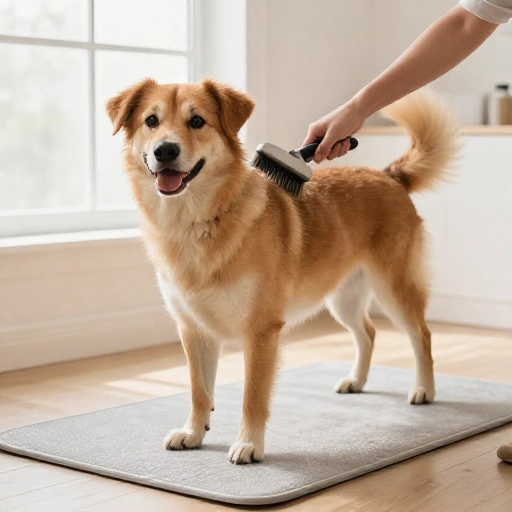
If you do one grooming thing at home, make it brushing. There’s almost no way to mess this up, and your dog will love you for it — most of the time, anyway.
The right brush depends on the coat. Slicker brushes work great for medium and long coats, rubber curry brushes are perfect for short-haired pups, and an undercoat rake is a lifesaver during shedding season.
Go in the direction the hair grows, keep sessions short (five to ten minutes), and reward with treats. Brushing spreads natural oils, removes loose fur, and cuts down on hairballs around your house. Honestly, it’s the most bang-for-your-buck grooming task there is.
Bathing Your Dog at Home Is Totally Fine — With a Few Rules
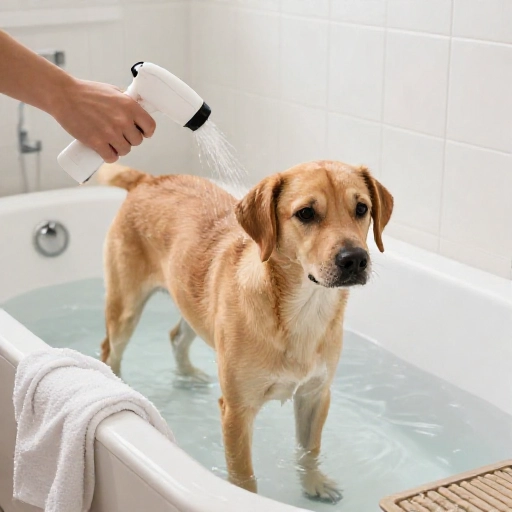
Bathing at home is safe for most healthy dogs. The trick is not overdoing it. Every four to eight weeks is plenty for most pups; washing too often strips the natural oils that keep their skin comfortable.
Use a dog-specific shampoo — human shampoo is too harsh for their skin pH. Lukewarm water, a non-slip mat in the tub, and a cup for rinsing works better than a sprayer that scares them.
Dry thoroughly afterward, especially around the ears and in thick double coats. A damp undercoat can turn into skin trouble fast. And if your dog has a skin condition or open wounds, check with your vet first.
Nail Trimming: Doable, But Only If You’re Confident
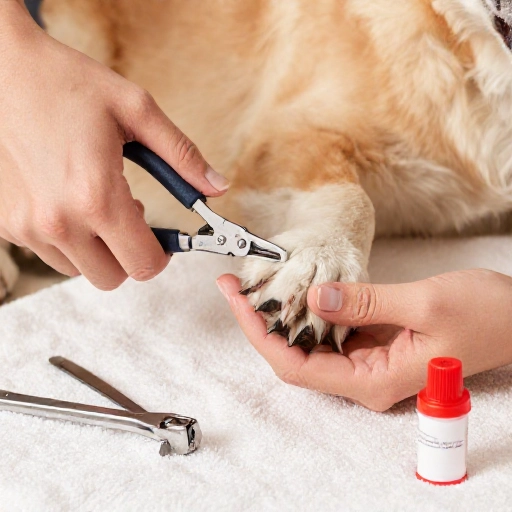
Here’s my honest take — nail trimming at home is safe if you know where the quick is. That’s the pink part with the blood supply inside the nail. Cut too close and you’ll get bleeding and a dog who never trusts clippers again.
Start by trimming tiny slivers off the tip, not big chunks. Good lighting helps a lot. If your dog has dark nails, it’s harder to see the quick, so go extra slowly.
Keep styptic powder nearby just in case. And if your dog panics, thrashes, or you’ve nicked them before — that’s a totally reasonable moment to hand this job to a professional.
Ear Cleaning: Simple, Gentle, and Worth Doing Monthly
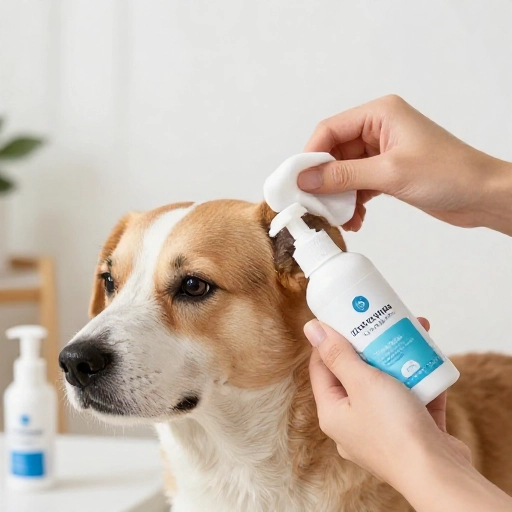
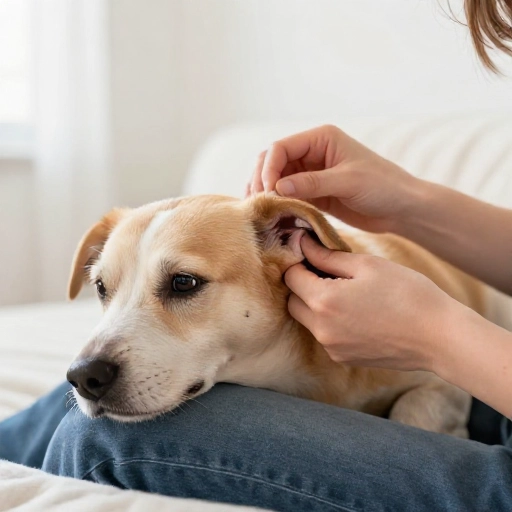
Cleaning your dog’s ears at home is safe and surprisingly easy. You just need a vet-approved ear cleaner and some cotton balls. Never use Q-tips down in the ear canal — that’s a real injury risk.
Squirt a little cleaner into the ear, massage the base gently for a few seconds, then let your dog shake. Wipe away what comes up with a cotton ball.
Do this once a month for most dogs, more often for floppy-eared breeds. If you notice redness, swelling, a bad smell, or dark discharge, stop and call your vet — that’s likely an infection, not dirt.
Tooth Brushing: The Home Task Most of Us Skip
I’ll be honest, I skipped this for years. Turns out brushing your dog’s teeth is one of the best things you can do for their health, and it’s completely safe at home.
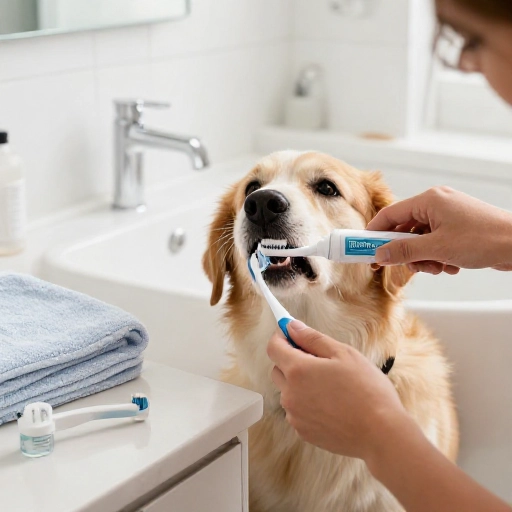
Use dog toothpaste (never human toothpaste — xylitol is toxic to dogs) and a soft dog toothbrush or finger brush. Start by letting them lick a bit of paste so it feels like a treat.
Work up to brushing the outer surfaces of the teeth a few times a week. It won’t be perfect. It doesn’t need to be. Even three times a week makes a real difference.
Wiping Paws and Cleaning Paw Pads
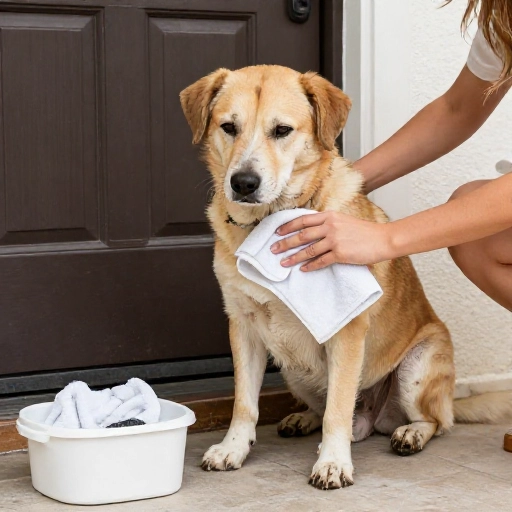
This one is underrated. After walks, wipe your dog’s paws with a damp cloth or pet wipe. It keeps mud out of your house, sure, but it also removes salt, pollen, and irritants that can cause licking and redness.
Check between the pads for small stones, burrs, or ice balls in winter. Look at the nails too — a cracked or snagged nail is worth a vet call.
If your dog’s paw pads are dry or cracked, a dog-safe paw balm helps. Just don’t let them lick off a whole layer right after you apply it.
Trimming Hair Around the Eyes and Paws — Proceed With Care
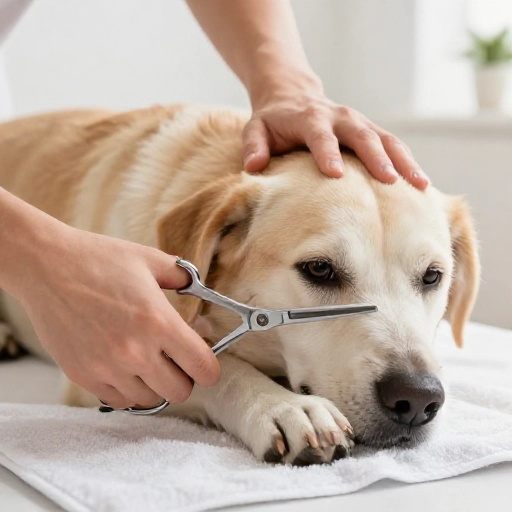
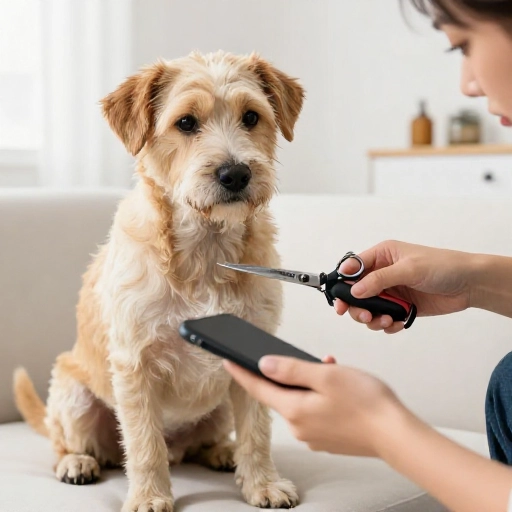
Light trimming around the eyes and paw pads is fine at home if you’re careful. Use blunt-tipped scissors, and always point them away from the eye. Never cut toward your dog’s face.
For paws, trim only the hair that sticks out over the pads. That’s the stuff that collects mud and makes walking slippery on hard floors.
If your dog won’t hold still, or the hair is matted close to the skin, stop. One wrong snip near an eye is not worth the risk. I learned that one the hard way with a nervous shih tzu.
Quick Sanity Checks: Skin, Ears, Eyes, and Lumps
This isn’t glamorous grooming, but it’s genuinely the most valuable thing you can do at home. Once a week, run your hands over your dog’s whole body while they’re relaxed.
Feel for new lumps, scabs, hot spots, or tender spots. Check inside the ears, look at the eyes, and peek at the gums. You’ll learn what “normal” feels like for your dog.
Catching something small early is way easier — and cheaper — than catching it late. Your groomer or vet can look closer at anything that seems off.
What to Skip: Mats, Anal Glands, and Full Haircuts
Here’s where I draw the line. Severe matting? Skip it. Trying to cut out mats at home usually means cutting skin. That’s a groomer’s job, and they have the tools and experience for it.
Anal gland expression is another one to leave alone unless your vet has shown you exactly how to do it. Doing it wrong can cause injury or infection.
And full breed-standard haircuts? Technically possible at home, but unless you’ve had real practice, the result is usually a very loved, very uneven dog. Some things are worth paying for.
Making Home Grooming Easier for Both of You
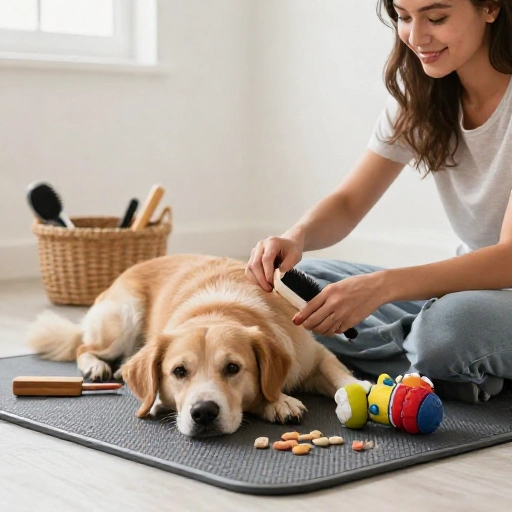
The secret isn’t skill — it’s frequency and treats. Short, frequent sessions beat one long battle every few months. Five minutes of brushing a few times a week works better than a 45-minute ordeal.
Set up a calm spot with good light and a non-slip surface. Keep one hand steady on your dog and speak softly. If they pull away, pause and try again later.
And give yourself grace. Your dog doesn’t care if their nails are perfectly even. They care that you’re calm, gentle, and generous with the treats afterward.
Final Thoughts
Home grooming is absolutely safe for the basics — brushing, bathing, ear cleaning, tooth brushing, paw checks, and light trims. Those tasks save you money, reduce stress for anxious dogs, and build a nice little routine between you and your pup.
The bigger jobs — mat removal, anal glands, full haircuts, and anything involving an anxious or reactive dog — are better left to a pro. There’s no shame in that. Knowing your limits protects your dog.
Start small. Pick one task this week. Brush for five minutes, wipe those paws, and see how it goes. You’ll learn fast what works for your dog and what doesn’t.
FAQ: Home Dog Grooming Questions I Get All the Time
Can I bathe my dog with human shampoo in a pinch?
Once, in an emergency, it won’t hurt much. But human shampoo isn’t formulated for a dog’s skin pH and can dry them out or cause itching. Stick with dog shampoo when you can.
How do I know if I’ve cut the nail too short?
You’ll see a small dark dot in the center of the nail, and then bleeding. Press styptic powder or cornstarch on it and hold pressure. If it won’t stop, call your vet.
Is it safe to cut mats out of my dog’s coat myself?
Usually no. Mats sit tight against the skin, so scissors can easily cut them. A groomer has clippers and can safely shave underneath the mat.
How often should I brush my dog?
Short coats: once or twice a week. Long or double coats: three to four times a week, and daily during shedding season. It’s hard to overdo brushing.
What if my dog hates being groomed at home?
Shorten the sessions, use high-value treats, and start with the easiest task. If they’re still terrified, a professional groomer or your vet can help — sometimes a gentle sedative is an option for very anxious dogs.