10 Must-Haves for Your Indoor Dog Space (That Actually Make Life Easier)
When I first brought my dog home, I thought a bed and a bowl would be enough. Spoiler: it wasn’t. Within a week, my living room looked like a tornado had a playdate with a pet store. Shoes were chewed, water was everywhere, and I kept tripping over squeaky toys in the dark.
So I started building a small indoor “dog zone” — not a fancy room, just a corner that belongs to my pup. It keeps her calm, keeps my apartment tidy, and makes rainy days way less chaotic. The best part? You don’t need a big budget or a huge space. You just need the right basics.
Here are the 10 things I’d buy again in a heartbeat. They’re practical, easy to clean, and they make indoor life with a dog feel less like a mess and more like a routine.
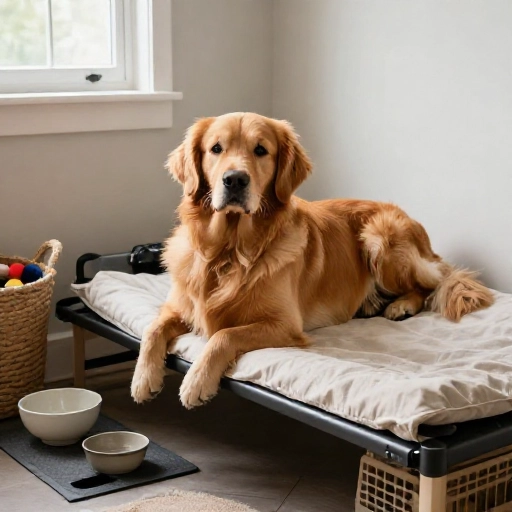
1. A Supportive Bed They Can Really Sink Into
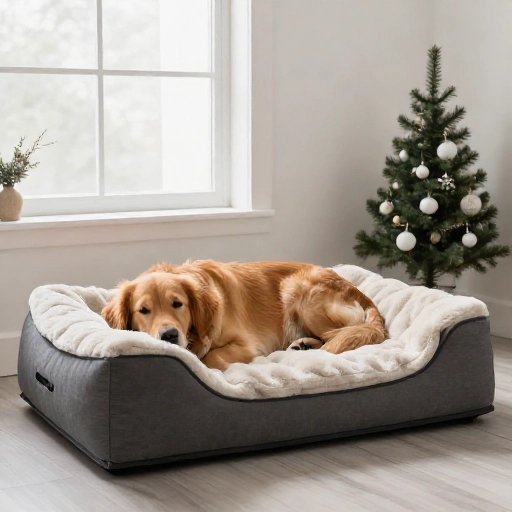
A good bed is the heart of any indoor dog space. I learned that a thin mat on the floor doesn’t cut it — especially for older dogs or breeds with joints that need extra love. My dog sleeps way better on an orthopedic bed with a thick foam base.
Look for a bed with a removable, machine-washable cover. Trust me, you’ll be washing it more than you think. If your dog likes to stretch out, a flat rectangle works. If they curl up like a donut, a bolster bed gives them that cozy, safe feeling.
Place it in a quiet corner, away from drafty doors and loud TVs. Add a soft blanket that smells like you, and your dog will claim it as their official nap headquarters.
2. Washable Rugs and Non-Slip Mats
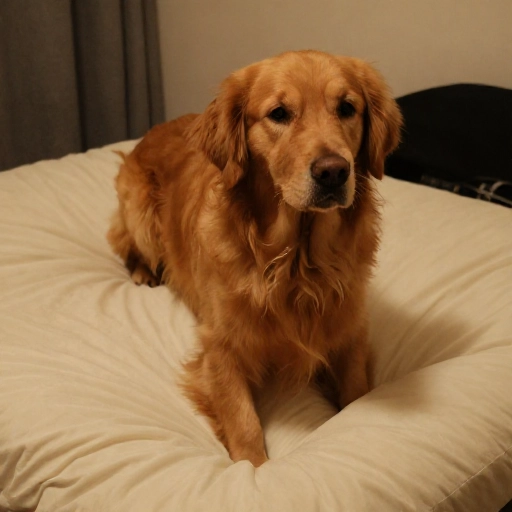
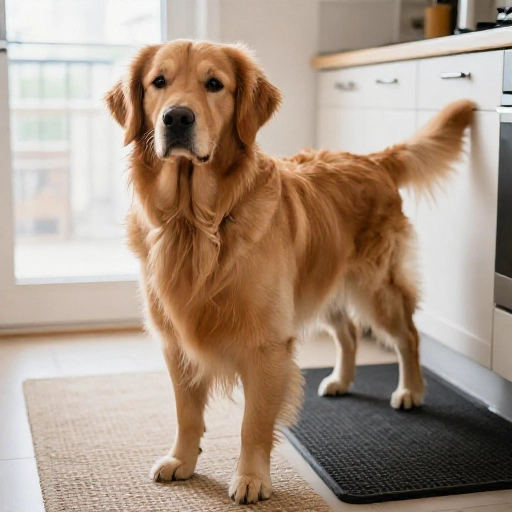
Hard floors are a nightmare for zoomies. My dog used to slide into the couch like a cartoon character. A few washable rugs and non-slip mats changed everything. Now she can run, turn, and flop down without wiping out.
I keep one rug under her bed, one near the water bowl, and a small mat by the door. The water bowl mat is a lifesaver — it catches drips and keeps the floor from turning into a swamp.
- Choose low-pile or flat-weave rugs for easy vacuuming.
- Look for rubber backing or add a separate non-slip pad.
- Pick dark colors or patterns that hide muddy paw prints.
Bonus: rugs also absorb sound, which is great if you live in an apartment with downstairs neighbors.
3. A Dedicated Toy Basket or Bin
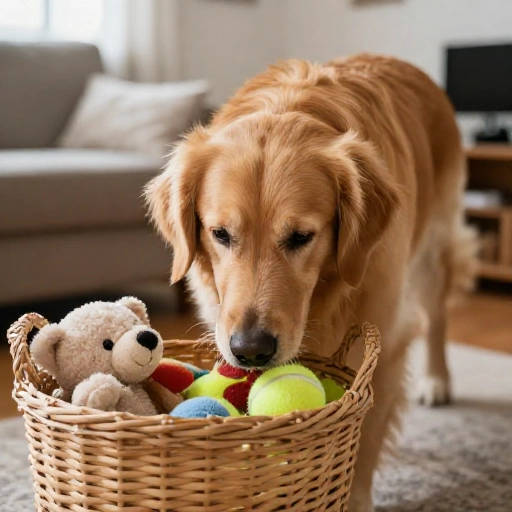
Toys multiply. I swear they do. One day you have a tennis ball, the next day you have fourteen squeaky squirrels and a rubber chicken. A dedicated toy basket keeps the chaos contained and makes clean-up a 30-second job.
I use a soft-sided bin that matches my decor, but any sturdy basket works. The key is to keep it in the dog zone, not scattered across your whole home. My dog actually learned to drop her toys back in the bin (okay, mostly).
Rotate toys every week or so. It keeps things exciting and prevents the basket from becoming a graveyard of ignored chew toys.
4. A Food and Water Station with a Mat
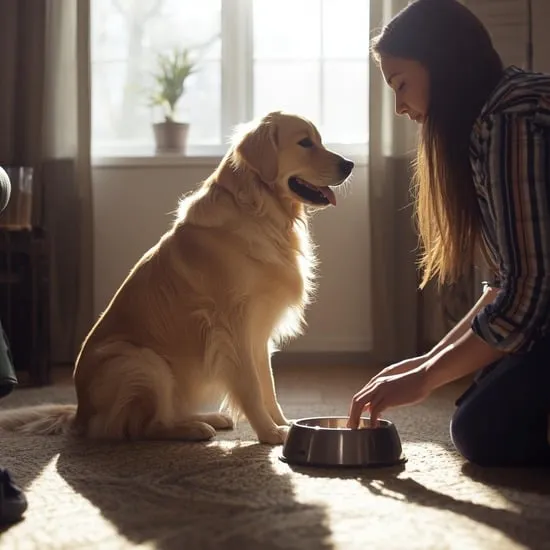
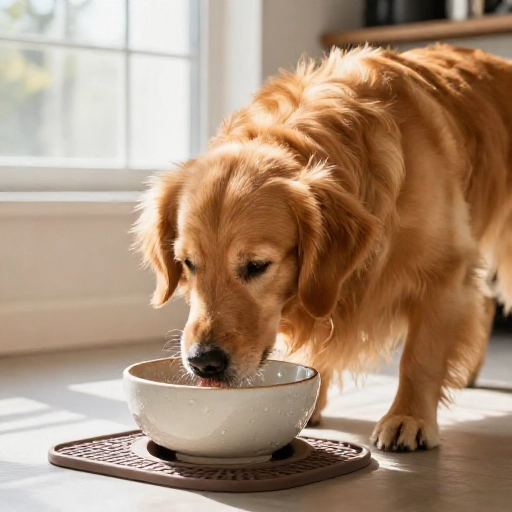
I used to just put bowls on the floor. Big mistake. Water got kicked, food got scattered, and my socks were always wet. A raised feeding station with a spill-proof mat solved 90% of that mess.
Raised bowls are easier on your dog’s neck, especially for taller breeds. If your dog eats fast, a slow-feeder bowl can help prevent gulping and bloating. And a silicone mat underneath catches crumbs and drips.
I keep the station in a corner near the kitchen but out of the main walkway. That way, my dog has a clear “eat here” spot, and I’m not stepping in kibble while cooking dinner.
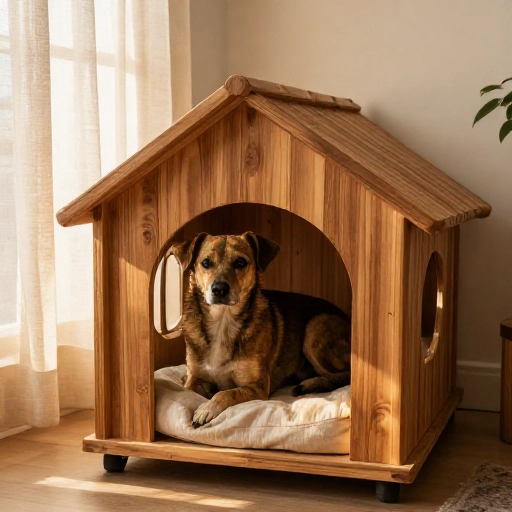
5. A Crate or Covered Den
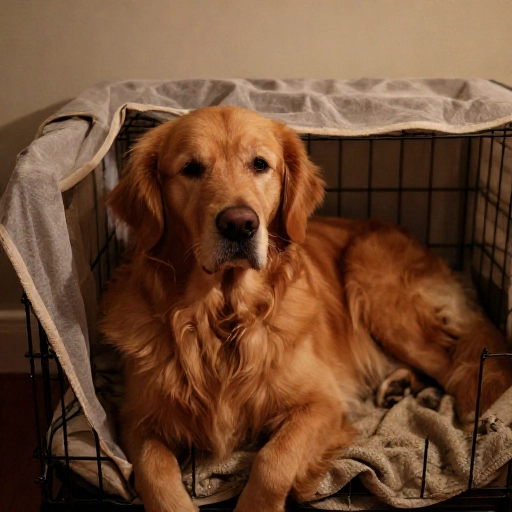
Crates get a bad rap, but when they’re set up right, they become a safe little bedroom. My dog goes into her crate on her own when she’s tired or overwhelmed. It’s her quiet place, not a punishment zone.
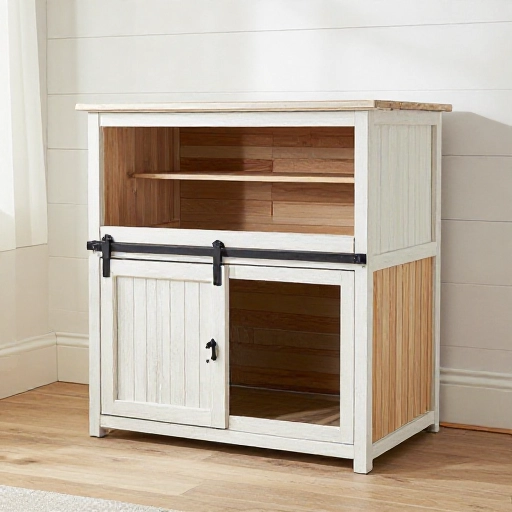
If you don’t want a wire crate in your living room, try a covered den or a soft-sided crate with a blanket over the top. It creates that cave-like feeling dogs love. Add a cozy pad and a favorite chew toy inside.
Leave the door open during the day so your dog can come and go. Never use the crate as a time-out spot. It should always feel like a good thing.
6. Puzzle Toys and a Chew Station
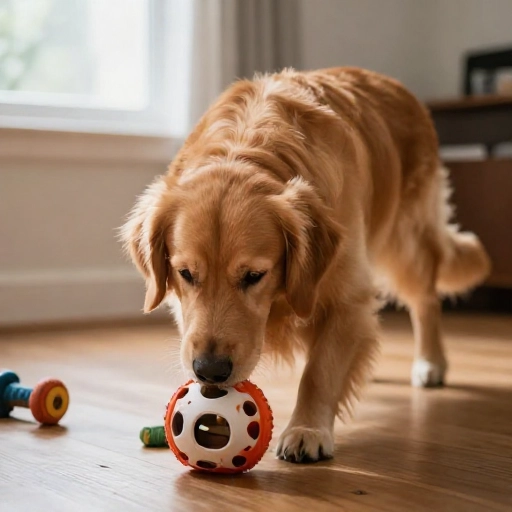
Bored dogs get into trouble. I learned this the hard way when my dog chewed the corner of my coffee table. Now I keep a small “chew station” — a basket with puzzle toys, dental chews, and a couple of durable rubber toys.
Puzzle toys are amazing for rainy days. They make your dog think, which tires them out faster than a walk sometimes. I fill a few with treats and rotate them so my dog doesn’t get bored.
Choose toys that match your dog’s chewing style. If they destroy everything in minutes, go for heavy-duty rubber or nylon. If they’re gentle, plush toys are fine. Just check for worn-out pieces and toss them before they become a choking hazard.
7. A Window Perch or Safe Viewing Spot
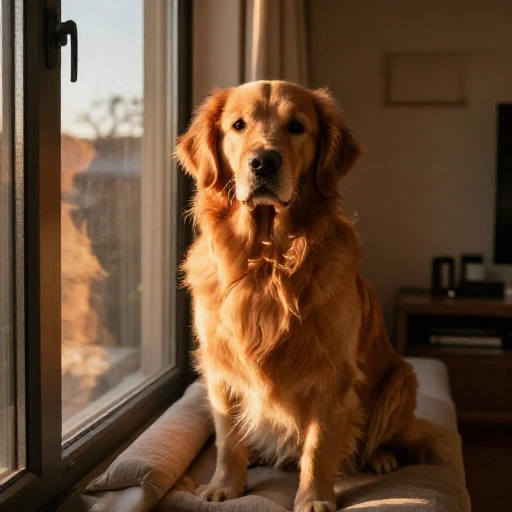
Dogs love to watch the world go by. A window perch or a sturdy bench near a window gives them hours of entertainment. My dog spends her afternoons watching squirrels, delivery trucks, and neighbors walking their pups.
If you have a low windowsill, add a nonslip cushion. If not, a small ottoman or pet stairs can work. Just make sure it’s stable and safe — no wobbling. You don’t want your dog launching themselves off a shaky stool.
This spot also doubles as a “place” cue. When guests come over, I send my dog to her window perch, and she settles instead of jumping on everyone.
8. Easy-Clean Storage for Leashes, Wipes, and Bags
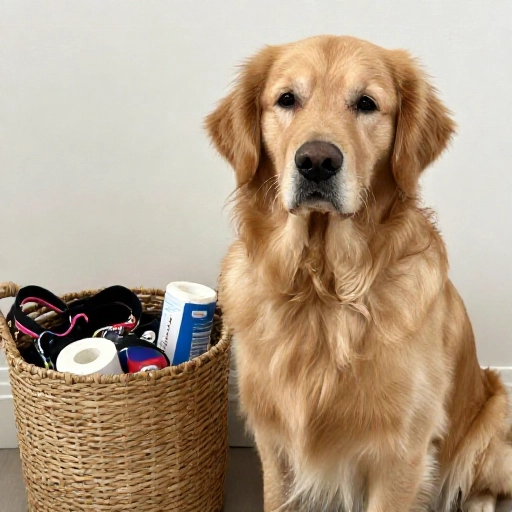
I used to dig through a drawer every time I needed a poop bag. Never again. A small bin or basket near the door holds everything: leash, harness, wipes, treats, and a roll of bags.
I use a cute fabric bin that fits my entryway. It keeps the clutter hidden but still within reach. Having everything in one place means I can grab and go in seconds — no more frantic searching while my dog spins in circles.
Add a hook for the leash and a small jar for treats. If you have space, a little shelf above the bin works for paw balm and a towel for rainy walks.
9. An Air Purifier or Odor Neutralizer
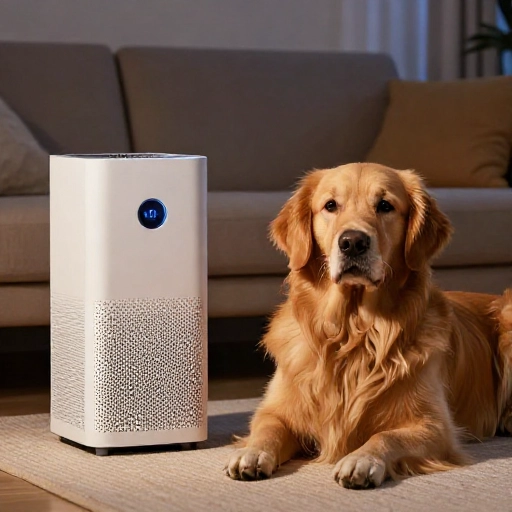
Let’s be real: dogs have a smell. Even the cleanest dog leaves a certain “doggy” scent in the air. I run a small air purifier in my dog’s zone, and it makes a huge difference, especially in apartments with poor ventilation.
Look for a purifier with a HEPA filter to trap dander and dust. If you don’t want another appliance, try an odor-neutralizing gel or a bowl of activated charcoal. Just avoid heavy air fresheners — they can irritate your dog’s nose.
I also wash my dog’s bedding weekly and vacuum the rugs twice a week. That combo keeps my home smelling fresh without smelling like a chemical factory.
10. A Grooming and Paw-Care Caddy
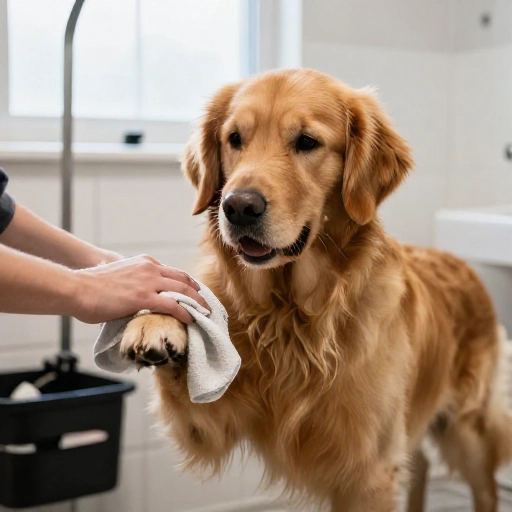
Muddy paws, shedding season, and the occasional skunk encounter — indoor dog life requires a grooming kit. I keep a small caddy with a brush, nail clippers, paw balm, dog-safe wipes, and a towel.
Having it all in one spot means I can do a quick paw wipe after every walk without hunting for supplies. In winter, paw balm protects against salt and ice. In summer, it soothes hot pavement burns.
I store the caddy under my dog’s bed or on a shelf in her zone. It’s not fancy, but it saves my floors and my sanity. A clean dog is a happy dog — and a happy home.
Final Thoughts
You don’t need a Pinterest-perfect room to make your dog feel at home. You just need a few thoughtful pieces that match your space and your dog’s personality. Start with the bed and the food station, then add the rest as you go.
My indoor dog zone has evolved over time. I’ve swapped out toys, moved the crate, and tried three different mats before finding the right one. That’s okay. The goal is comfort, safety, and a little less chaos for both of you.
Pick one thing from this list to add this week. Your dog will notice, and your floors will thank you.
FAQ
How big should my dog’s indoor space be?
Even a small corner works. A bed, a bowl, and a toy bin can fit in a 3×3 foot area. The key is consistency, not square footage.
What if my dog destroys everything?
Start with durable materials: heavy-duty rubber toys, washable bedding, and no loose wires. Supervise until you know what they’ll chew. Puzzle toys and long-lasting chews help redirect that energy.
Do I really need an air purifier?
Not necessarily, but it helps with dander, dust, and odors. If you have allergies or a small apartment, it’s worth it. Otherwise, regular cleaning and ventilation go a long way.
How often should I wash my dog’s bed and blankets?
Once a week is ideal. If your dog has allergies or gets dirty often, wash every few days. Always use pet-safe, fragrance-free detergent.
Can I use a crate if I work from home?
Absolutely. A crate is a great den, not a jail. Leave the door open so your dog can choose to nap there. Just never use it for punishment, and keep it cozy with a pad and toy.