The Perfect Dog Bath Setup Before the Water Starts (My No-Stress Checklist for a Calmer, Cleaner Pup)
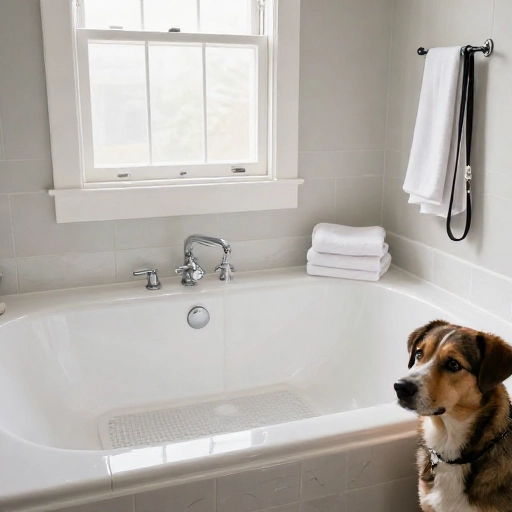
I used to be the person chasing a wet, slippery dog around the bathroom with a bottle of shampoo in one hand and a towel in my teeth. It never went well. Half the water ended up on the walls, the shampoo ended up on me, and my dog looked at me like I’d personally betrayed him.
Then I figured out the one thing that changed everything: the bath actually starts before the water does. It starts with the setup.
If everything is within arm’s reach, the water is the right temperature, and your dog is already comfortable in the space, bath time goes from a wrestling match to a ten-minute job. Here’s exactly how I set up now — and how you can too.
1. Choose Your Bathing Zone Before You Grab the Leash
The first decision isn’t shampoo or temperature — it’s location. Where you bathe your dog shapes everything else, so pick your spot before anything else happens.
I keep three options in mind depending on the dog and the mess level:
- The bathtub — best for big dogs or serious mud. Lots of room, easy to rinse, but hard on your back.
- The kitchen sink — perfect for puppies and small breeds. You’re at a comfortable height and everything’s nearby.
- A laundry tub or outdoor kiddie pool — great in summer, and you don’t care how much splashes.
Whichever you choose, close the bathroom door first. A closed door has saved me more chasing than any training trick.
2. Gather Every Single Supply Before the Tap Turns On
This is the rule I never break: nothing gets wet until everything is gathered. The moment you turn around to grab a towel, your dog is already planning an escape.
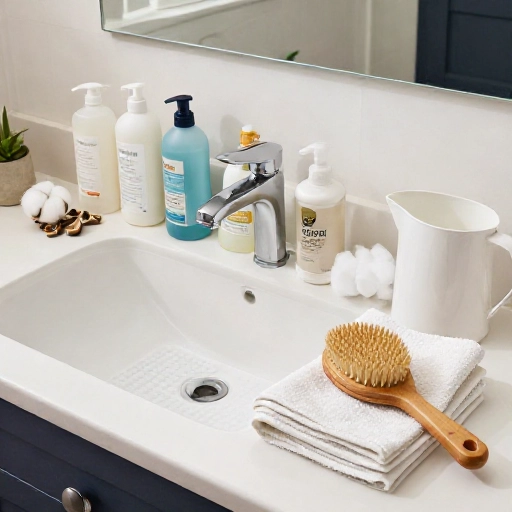
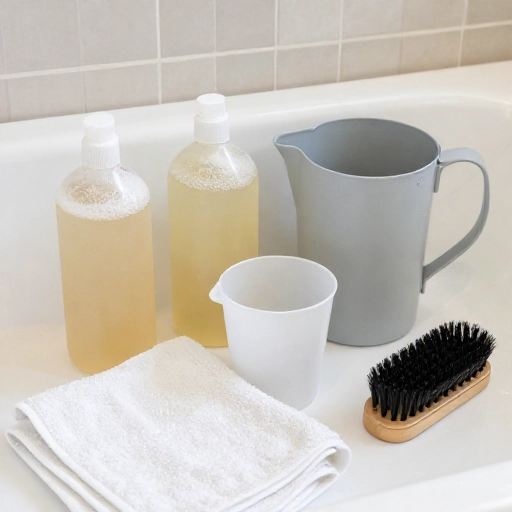
Here’s what I line up on the counter or floor beside me:
- Dog-specific shampoo (more on this below)
- Two to three towels — one for the face, two for the body
- A rinse cup or pitcher
- Cotton balls for ears
- A washcloth for the face
- A slip lead or harness if your dog tends to bolt
- Treats in a spill-proof container
Once it’s all out, I do one last visual scan. If I have to step away mid-bath, the setup failed.
3. Set the Water Temperature and Test It on Your Wrist
Dogs run warmer than we do, but that doesn’t mean they want hot water. Lukewarm is the sweet spot — think the temperature of a baby’s bath.
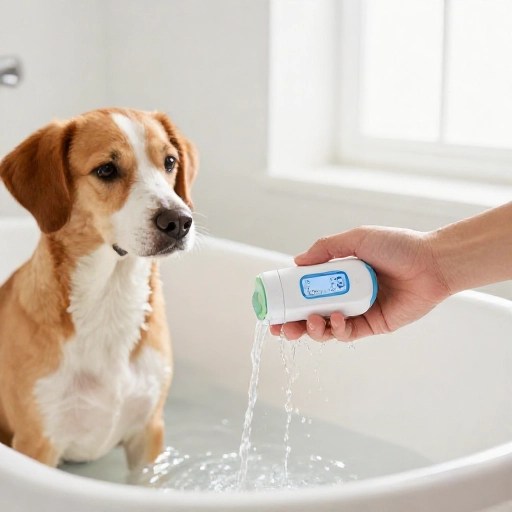
I turn the water on, let it run until it’s steady, and test it on the inside of my wrist. If it feels comfortably warm there, it’s right for my dog. If it feels even slightly hot, it’s too hot.
Then I set the sprayer to a gentle, low-pressure stream. High pressure freaks most dogs out, especially around the head and ears. A soft, steady flow does the job without the panic.
4. Brush Your Dog Out Before Any Water Touches Them
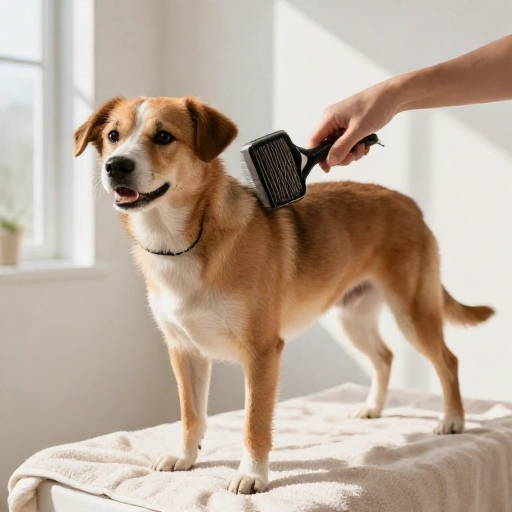
This is the step people skip, and it’s the one that causes the most regret. Water tightens mats and tangles into felt-like knots that are painful to remove.
So I always brush first. Five minutes with a slicker brush or undercoat rake on dry fur, and the bath becomes dramatically easier.
I also take my dog out for a quick potty break right before. A dog who needs to pee in the tub is a dog who will not stand still. And I trim nails a day or two before, not the same day — wet nails are slippery and awkward to handle.
5. Build a Non-Slip Base So Nobody Goes Skating
A slippery tub is the number one reason dogs panic during baths. They lose their footing, scramble, and now bath time feels scary forever.
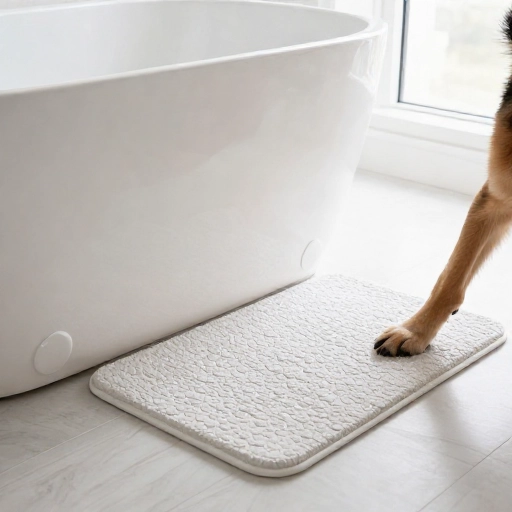
I lay down a rubber bath mat or a grippy towel on the bottom of the tub. Instantly, my dog stands still instead of fighting for balance.
On the floor outside, I put down an old towel or a bath mat too. That way, the wet dog who jumps out lands on something absorbent instead of slipping across the tile.
6. Pick the Right Shampoo and Pre-Dilute It
Only use shampoo made for dogs. Human shampoo messes with their skin’s pH and can leave them itchy for days.
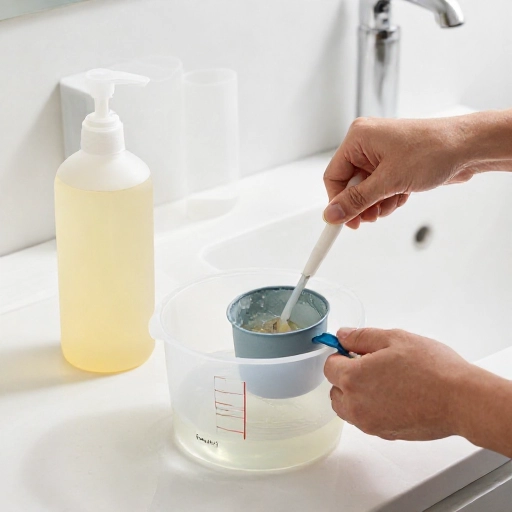
My favorite trick is pre-diluting. I mix a little shampoo with warm water in a squeeze bottle or cup before the bath starts. It spreads faster, rinses cleaner, and I use way less product.
If your dog has sensitive skin, allergies, or a skin condition, check with your vet about which formula to use. Otherwise, a gentle oatmeal or hypoallergenic shampoo works for most pups.
7. Protect Yourself and the Room Before the Splashing Begins
I learned this one the hard way after a very wet bathroom renovation of my own making.
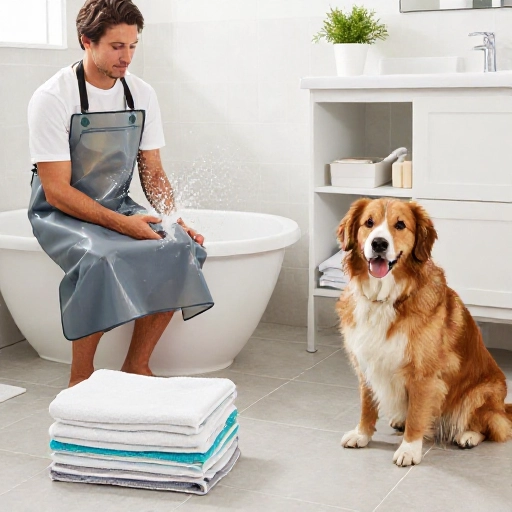
Before the water starts, I put on clothes I don’t care about — or better, a waterproof apron. I pull the shower curtain half closed to contain spray. I roll up the bath mat and move anything on the floor that shouldn’t get soaked.
A drain hair catcher is a small thing that saves you from a very gross plumbing situation later. Trust me, dog hair plus a shower drain is a problem you want to prevent, not fix.
8. Plan Your Rinse and Wash Order Ahead of Time
Standing there mid-bath trying to remember what comes next is how soap gets left in fur. So I decide the order before we start.
Mine goes like this: wet the body from the neck back, avoiding the face. Shampoo the body, then the legs and paws, then the tail. Save the head for last with a damp washcloth and a tiny bit of shampoo.
Then I rinse, and rinse again. Leftover shampoo causes itching and dull coats, so I keep going until the water runs completely clear and the fur feels squeaky rather than slick.
9. Set Up a Drying Station Before Your Dog Gets Out
The bath doesn’t end when the water stops — it ends when your dog is dry. And a wet dog left to air-dry in a cold room is a shivering, miserable dog.
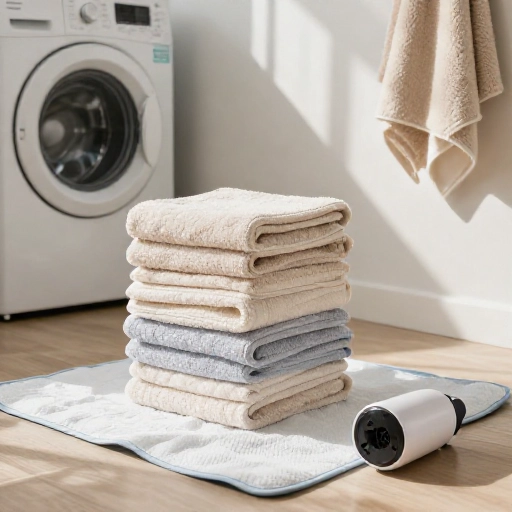
So before we even start, I set up the drying spot: a stack of towels on the floor, a blanket if it’s chilly, and a dog dryer or my hairdryer on the lowest, coolest setting if my dog tolerates it.
I dry in this order — face and ears first, then back, then belly and paws. I keep a second towel nearby because the first one always gets soaked through in about two minutes.
10. Have the Reward and Cleanup Ready Before You Finish
The last piece of the setup is the part your dog will actually remember: the payoff.
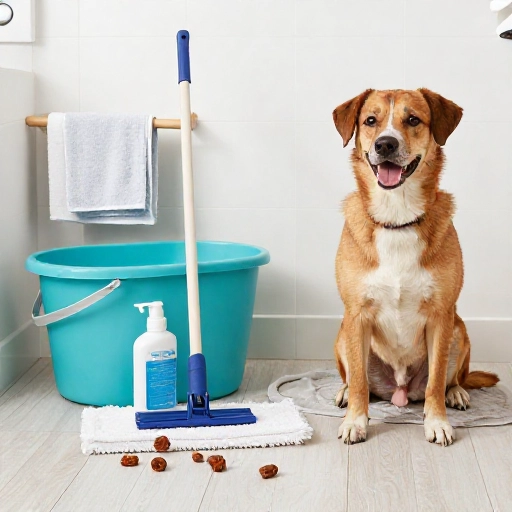
I keep a few high-value treats and a favorite toy within reach so the second the bath ends, good things happen. That single habit turned my dog from “bath avoider” into “bath tolerator,” which is honestly a win.
I also leave a laundry basket or hamper right outside the tub so wet towels go straight in instead of forming a soggy pile on the floor. Thirty seconds of cleanup now beats an hour later.
Final Thoughts on Getting Bath Time Right
None of this is complicated. It’s just front-loading the work so the actual bath is calm, quick, and mess-free.
Pick your spot, gather everything, test the water, brush first, and reward at the end. Do that consistently and your dog starts to learn that bath time is predictable — and predictable is what makes it bearable for both of you.
FAQ: Dog Bath Setup Questions I Get All the Time
How often should I bathe my dog?
Most dogs do great with a bath every four to eight weeks. If your dog has skin issues or a particularly oily coat, ask your vet for a schedule that fits them.
Can I use human shampoo on my dog in a pinch?
I’d skip it. Human shampoo is formulated for our skin’s pH, not a dog’s, and it can dry out their coat and cause itching. Keep a dog-specific shampoo on hand so you’re never tempted.
What temperature water is safe for dogs?
Lukewarm — around 98°F to 101°F. Test it on your wrist. If it feels warm and comfortable to you, it’s right for your dog.
My dog hates baths. What actually helps?
A non-slip mat, low water pressure, and treats before, during, and after. Most bath hatred comes from feeling unstable or scared, not from the water itself.
Should I bathe my dog before or after grooming?
Bathe first, then groom. Clean fur detangles more easily and clips more evenly, so your groomer will thank you.