12+ Dog-Proof Garden Ideas That Actually Work
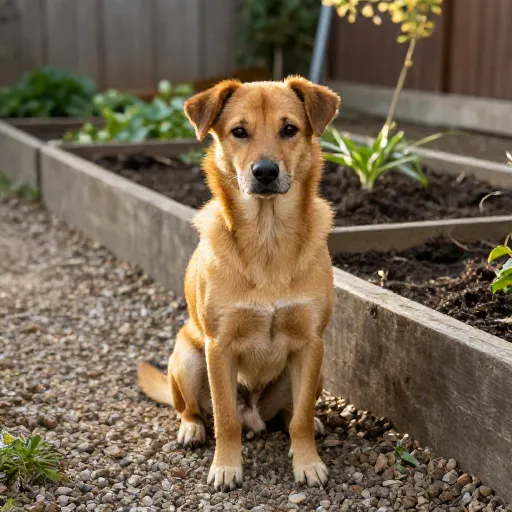
Let’s be real: I love my dog, but I also love my flowers. For years, I thought I had to choose between a lush garden and a happy pup. My dog dug up every tulip bulb I planted and trampled my petunias into dust.
But here’s the thing—you really can have both. It just takes some clever planning and a few dog-proof garden ideas that look good too. I’ve tested these tricks over the years, and they actually work. No more bare dirt patches or muddy paws tracking through the house.
Ready to create a garden that both you and your furry friend can enjoy? Let’s dig in.
1. Raised Beds with Solid Edges
Raised beds are a game-changer, but only if you build them right. I learned this the hard way after my dog jumped right into a low wooden box and squashed my seedlings.
Make your raised beds at least 18 inches tall. That’s high enough to discourage most dogs from hopping in. Also, use solid sides like cedar planks or stone—not chicken wire. Dogs can push through wire or scrape their paws on it.
Bonus tip: Add a wide wooden rim on top. My dog loves to rest his chin on it while watching me garden. It becomes his perch, not his playground.
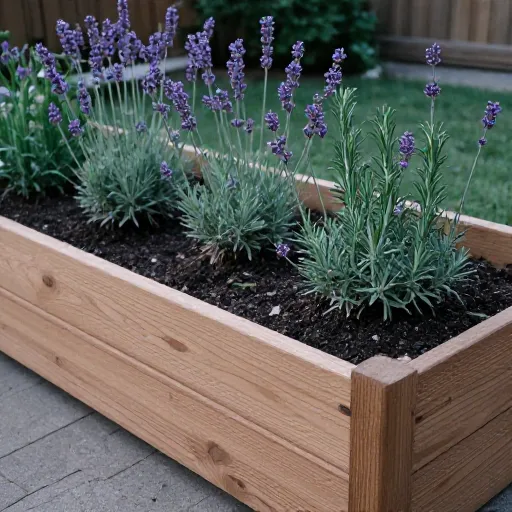
2. A Designated Digging Pit
You can’t stop a dog from digging. It’s in their blood. So instead of fighting it, give them their own spot.
I filled a shallow kiddie pool with soft sand and buried a few toys and treats just under the surface. Now my dog heads straight for his pit instead of my rose bushes.
Make it obvious: mark the area with a small sign or a border of rocks. Every time he digs there, I praise him. It took about two weeks for him to get the hint.
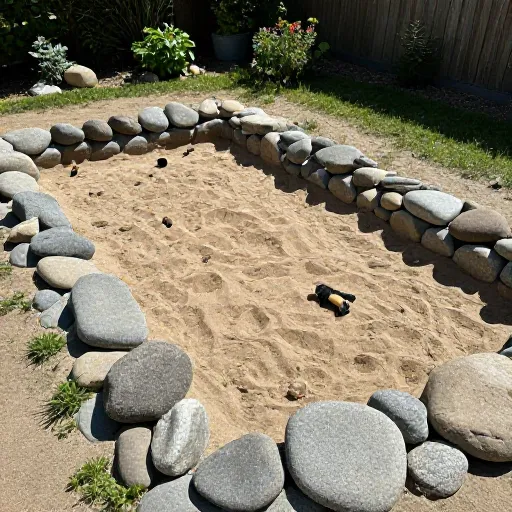
3. Sturdy Paths with Large Stepping Stones
Dogs love to run. And when they run, they don’t always stick to the path. My garden paths used to be narrow, and my dog would trample everything next to them.
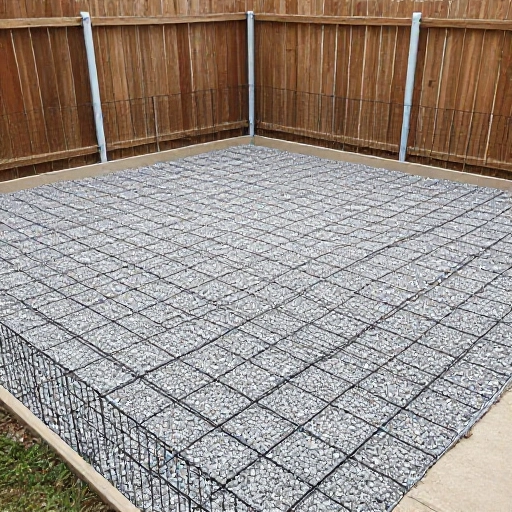
I switched to wide, flat stepping stones set into gravel or mulch. The stones are big enough for him to land on, and the gaps are filled with material that doesn’t grow anything fragile.
Go for stones that are at least 18 inches wide. That gives your dog a clear runway. Plus, it looks modern and neat.
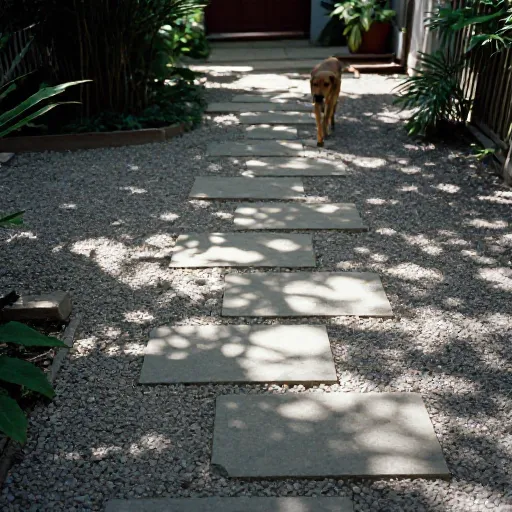
4. Fencing That Blends In
Not all fences have to be ugly chain-link. I wanted something that kept my dog in but didn’t make my yard look like a prison yard.
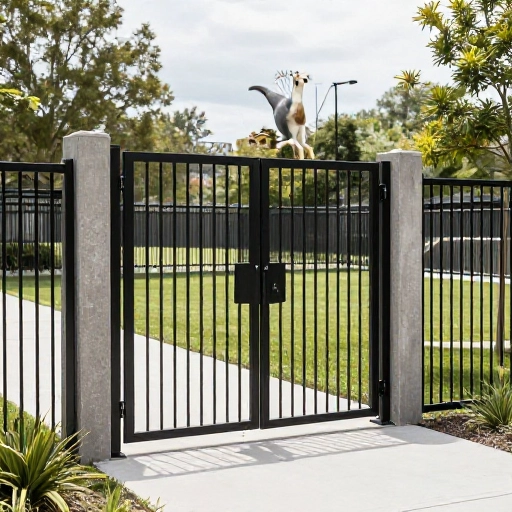
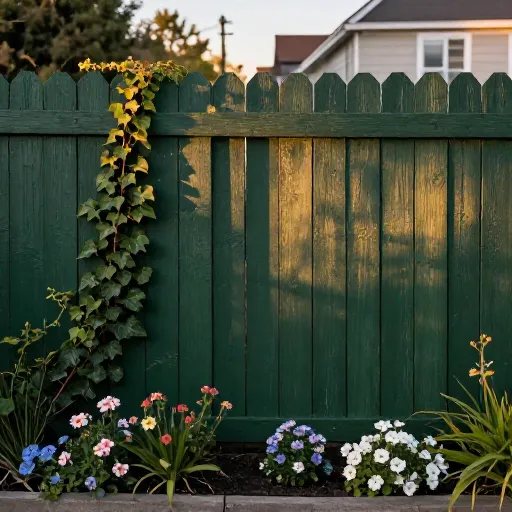
I used a low, decorative metal fence around my flower beds. It’s only about two feet tall, but it’s enough to remind my dog where he shouldn’t go. For the yard perimeter, I used a wooden slat fence with no gaps at the bottom.
Make sure there are no footholds. Dogs are crafty climbers. A smooth surface is your best friend.
5. Tough Ground Covers Instead of Grass
Grass patches in a dog yard? Good luck. My lawn turned into a muddy mess within a month.
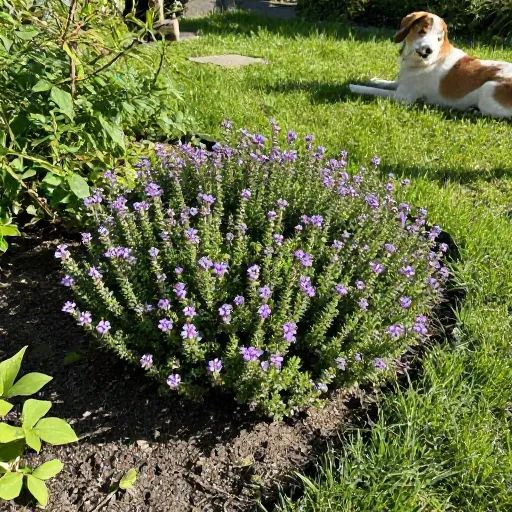
I replaced high-traffic areas with clover and creeping thyme. Both are super tough, handle pee spots better than grass, and smell amazing when stepped on. Clover stays green even when my dog runs laps on it.
Another option is synthetic turf, but only if you can rinse it down. Real plants are easier on the paws and the planet.
6. Dog-Safe Mulch Choices
Mulch seems harmless, but some types are dangerous. Cocoa mulch smells like chocolate and can poison a dog if eaten. I steer clear of it completely.
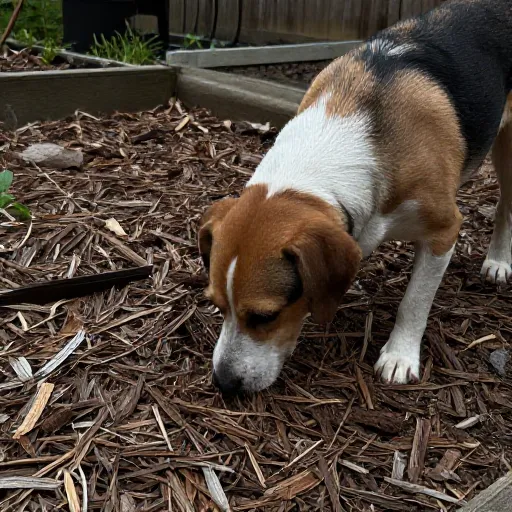
I use pine bark nuggets or cedar mulch. They’re less likely to be eaten, and if my dog does nibble a piece, it’s not toxic. Avoid small shredded mulch too—it sticks to fur and gets tracked everywhere.
Test a handful: if it crumbles easily, it’s too messy. Big chunks are the way to go.
7. Spiky or Smelly Plant Barriers
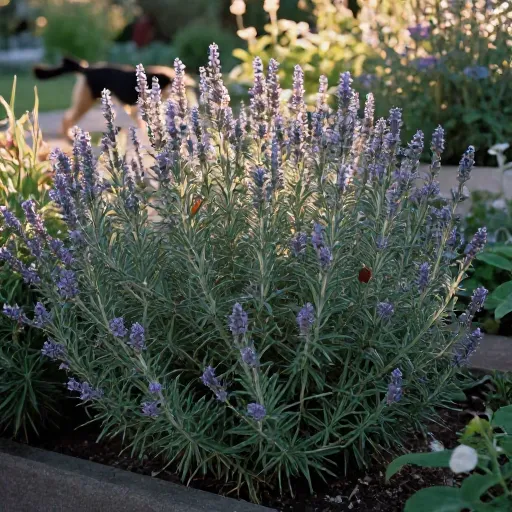
Dogs hate certain textures and smells. I plant rosemary, lavender, and barberry bushes along the edges of my flower beds. My dog avoids them like the plague.
Rosemary and lavender smell nice to us, but dogs find them overwhelming. Barberry has thorns that discourage digging. I put these plants in spots where my dog used to sneak through.
Just make sure the plants aren’t toxic. Check every plant before you put it in the ground. Better safe than sorry.
8. A Shady Rest Spot
Dogs get hot. And when they’re hot, they dig holes to lie in the cool dirt. Giving them a dedicated shady spot solves that problem.
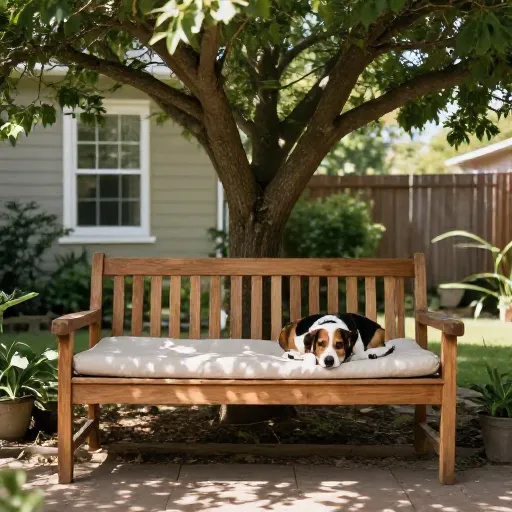
I placed a large outdoor dog bed under a tree. I also added a small canopy over a patch of sand. Now my dog heads there instead of digging up my hostas.
Add a water bowl nearby. A cool, comfortable dog is a well-behaved dog in the garden.
9. Raised Planters on Legs
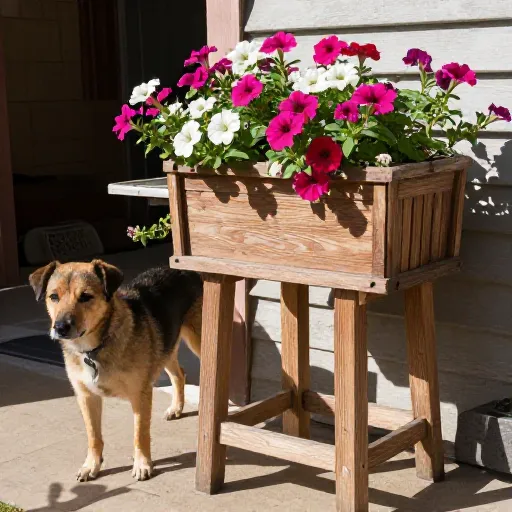
For delicate plants you really love, get them off the ground entirely. I have a few tall, narrow planters with legs that sit on my patio. My dog can’t reach them, and they add height to my garden design.
Choose pots that are heavy and stable. Light plastic ones tip over easily when a dog bumps into them. Terracotta or thick ceramic works great.
These are perfect for herbs, succulents, or that one special flower you want to protect.
10. Toy Zones Mixed Into the Garden
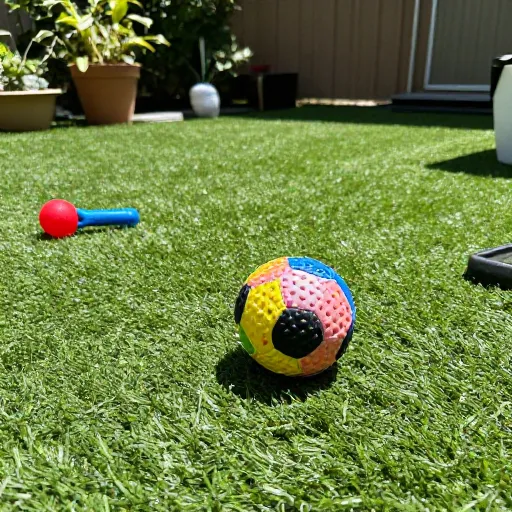
If your garden has boring spots, your dog will make his own fun. I added a few built-in play elements to keep him entertained.
A small sand pit for digging (like idea #2). A low log to jump over. A rope tied to a sturdy post for tugging. These things give him a job to do.
When your dog has his own “garden features,” he stops messing with yours. It’s that simple.
11. Pee-Proof Plant Choices
Dog urine can kill grass and certain plants. I learned to choose plants that can handle a little nitrogen overload.
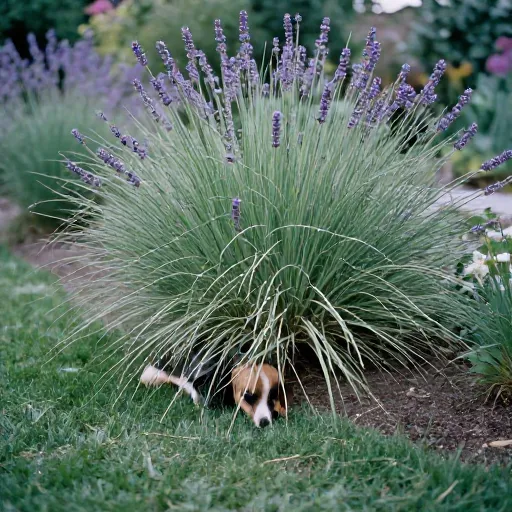
Ornamental grasses, daylilies, and coneflowers are tough cookies. They bounce back even after my dog marks his territory on them. Avoid delicate annuals near the fence line—that’s prime pee territory.
Also, water the area where your dog pees regularly. It dilutes the urine and helps the plants recover.
12. A Simple Water Feature
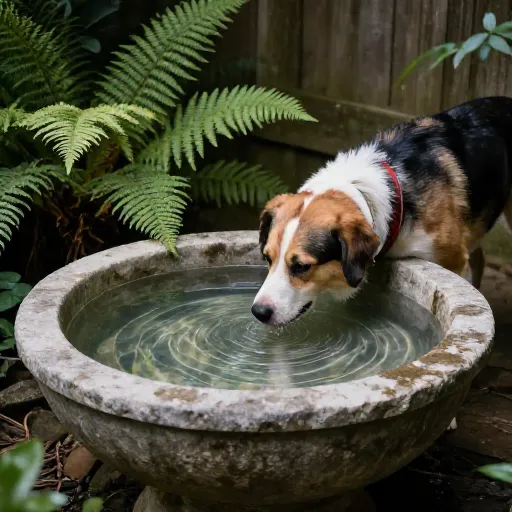
Dogs love water. If you give them a clean, shallow water feature, they’ll stop drinking from your birdbath or muddy puddles.
I use a low, wide ceramic bowl that I refill daily. I also have a small recirculating fountain that stays clean. My dog splashes in it on hot days, but it’s easy to clean.
Just make sure the water feature is shallow enough for safety. A few inches is plenty for drinking and cooling off.
Conclusion
You don’t have to choose between a beautiful garden and a happy dog. With a little smart planning, you can have both. Start with one or two ideas from this list and see what works for your space and your pup. Every garden is different, and every dog has their own personality.
The key is to work with your dog’s instincts, not against them. Give them their own spots to dig, play, and rest. Protect your precious plants with barriers and tough choices. And above all, make the garden a shared space that brings you both joy.
Now go outside and start digging—with your dog by your side.
FAQ
What plants are safe for dogs in the garden?
Many common plants are safe, like sunflowers, roses (thornless are best), snapdragons, and most herbs like basil and mint. Always double-check with the ASPCA list before planting anything new.
How do I stop my dog from digging under the fence?
Bury chicken wire or hardware cloth along the bottom of the fence, bent outward in an L-shape. Another option is to place large rocks or paving stones along the fence line. It stops them from getting a good start on their tunnel.
What mulch is safe for dogs?
Pine bark nuggets, cedar mulch, and rubber mulch (if your dog doesn’t eat it) are good choices. Avoid cocoa mulch at all costs—it’s toxic. Also avoid small, crumbly mulches that stick to fur.
Can I use gravel in a dog-friendly garden?
Yes, but choose smooth, rounded gravel, not sharp crushed stone. Sharp edges can hurt your dog’s paws. Pea gravel is a great option for paths and sitting areas.
How do I protect flower beds from my dog?
Low decorative fencing, raised beds, and tough plant barriers like rosemary or barberry work well. Also, give your dog an alternative digging spot. If they have their own place to dig, they’ll leave your flowers alone.