Homemade Pancreatic Diet Dog Food: Gentle, Digestible & Vet-Approved Recipes
When my sweet senior Lab, Bailey, was first diagnosed with pancreatitis, I felt completely lost. The vet handed me a list of “no” foods and a prescription for bland kibble that made her turn up her nose. I knew I had to find a better way—something gentle on her pancreas but still delicious enough to get her excited about mealtime again.
After months of trial, error, and lots of tail wags, I created these DIY dog food recipes specifically for pancreatic diet requirements. They’re low in fat, easy to digest, and packed with nutrients that support healing. The best part? You can make them in your own kitchen with simple ingredients from your grocery store.
Pancreatitis in dogs means their pancreas is inflamed and can’t process fats properly. That’s why these recipes are carefully crafted to be ultra-low-fat (under 10% on a dry matter basis) while still providing complete nutrition. Let me walk you through everything you need to know.
Equipment You’ll Need
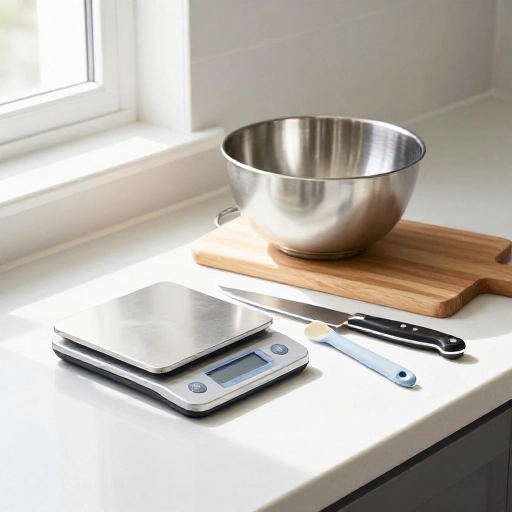
Before we start cooking, let’s gather our tools. You don’t need anything fancy—just a few kitchen basics that make the process smooth and stress-free.
A large pot or Dutch oven is essential for cooking grains and proteins together. I use my trusty 6-quart pot that’s seen better days but still gets the job done perfectly. A good cutting board and sharp knife make prep work fly by, especially when dicing lean chicken breast or sweet potatoes.
You’ll also want measuring cups and spoons for accuracy, a food scale (super helpful for portioning), and airtight containers for storage. I love using glass meal prep containers—they’re easy to clean and don’t hold onto smells. A blender or food processor comes in handy if your dog prefers a smoother texture, but it’s totally optional.
Ingredients for Pancreatic-Friendly Dog Food
The golden rule for pancreatic diets? Fat content must stay low. That means choosing the leanest proteins and avoiding oils, butter, and fatty meats entirely. Here’s what I use in my go-to recipe.
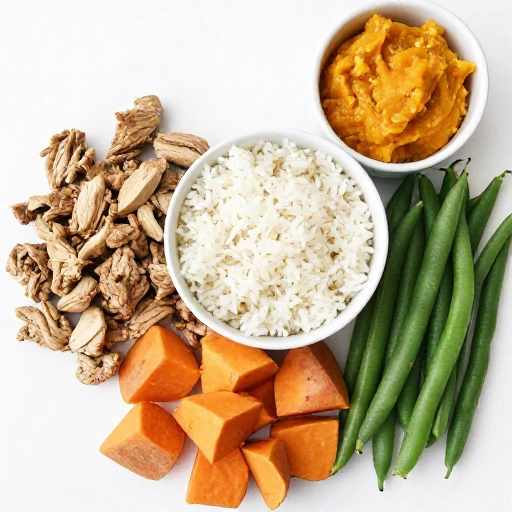
For protein, boneless skinless chicken breast is my number one choice. It’s incredibly lean and gentle on sensitive stomachs. White fish like cod or tilapia works beautifully too, and some dogs do better with novel proteins like lean ground turkey (93/7 or leaner).
Carbohydrates should be easily digestible. White rice is a classic for a reason—it’s bland and soothing. Sweet potatoes provide fiber and vitamins without irritating the pancreas. Oatmeal (plain, not instant) is another fantastic option that many dogs love.
For vegetables, stick with low-fiber options that cook down soft. Carrots, zucchini, and green beans are my staples. Avoid cruciferous veggies like broccoli or cauliflower—they can cause gas and bloating in sensitive pups.
Here’s my standard ingredient list for a batch that lasts about a week:
- 2 lbs boneless skinless chicken breast
- 1 cup white rice (or 2 cups cooked)
- 1 medium sweet potato, peeled and cubed
- 1 cup finely diced carrots
- 1 cup zucchini, diced small
- 4 cups water or low-sodium chicken broth (no onion or garlic)
How to Make Pancreatic Diet Dog Food
This recipe comes together in about 45 minutes, and the smell will have your dog doing happy dances around the kitchen. Trust me, Bailey starts her “cooking watch” the moment I pull out the cutting board.
Start by trimming any visible fat from the chicken breast. This step is crucial—even a little extra fat can trigger a flare-up. Cut the chicken into small, bite-sized cubes so it cooks evenly and is easy for your dog to digest.
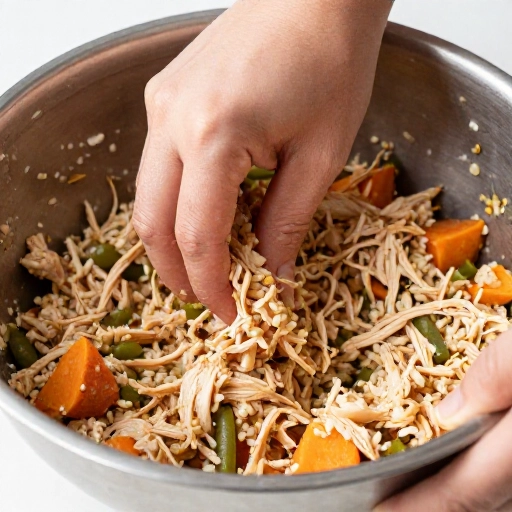
In your large pot, combine the chicken, rice, sweet potato, carrots, and water or broth. Bring everything to a boil, then reduce the heat to low and let it simmer gently. Cover the pot and cook for about 25-30 minutes, stirring occasionally, until the rice is tender and the chicken is cooked through.
Add the zucchini during the last 10 minutes of cooking—it softens quickly and doesn’t need as much time. Once everything is tender, remove the pot from heat and let it cool completely. I usually spread it out on a baking sheet to speed up the cooling process.
For texture, you can leave it chunky or pulse it in a food processor for a smoother consistency. Bailey likes hers on the chunkier side, but senior dogs or picky eaters often prefer a more uniform texture. Portion into meal-sized containers and refrigerate for up to 5 days, or freeze for up to 3 months.
Why This Recipe Works for Pancreatic Health
I’ve learned through experience that pancreatic diets aren’t just about what you remove—they’re about what you add to support healing. Every ingredient in this recipe serves a specific purpose for your dog’s recovery and maintenance.
Chicken breast provides high-quality protein with minimal fat. Protein is essential for tissue repair, especially after a pancreatitis episode. White rice is easily digestible and provides quick energy without stressing the pancreas. Sweet potatoes offer beta-carotene and vitamin A, which support the immune system and help reduce inflammation.
The cooking method matters too. Simmering everything together creates a gentle, easily digestible meal that requires minimal work from your dog’s digestive system. The longer cooking time breaks down fibers and starches, making nutrients more bioavailable.
This recipe is also incredibly versatile. You can swap proteins (try lean turkey or cod), change up the vegetables (peas and pumpkin work great), or adjust the grain-to-protein ratio based on your vet’s recommendations. Just keep the fat content the priority—always choose the leanest options available.
Conclusion
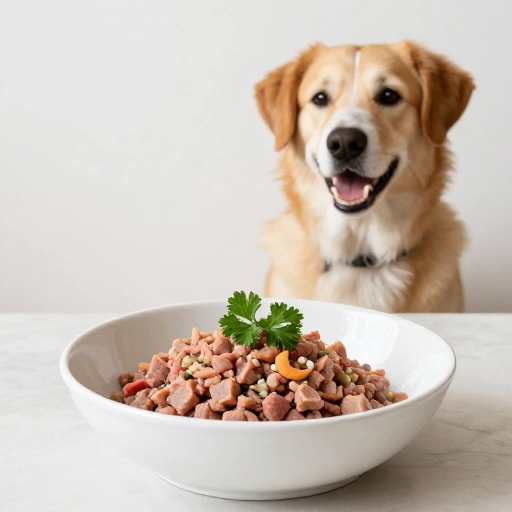
Making your own pancreatic diet dog food doesn’t have to be complicated or scary. With a few simple ingredients and some love, you can create meals that support your dog’s health and make them genuinely excited for dinner time. Bailey has been thriving on homemade food for over two years now, and her pancreatitis flare-ups have become rare instead of routine.
Remember to always consult with your veterinarian before making any dietary changes, especially for medical conditions like pancreatitis. Every dog is different, and your vet can help you adjust portions and ingredients to meet your pup’s specific needs. Start small, watch how your dog responds, and don’t be afraid to tweak things as you go.
Your dog deserves food that makes them feel good from the inside out. And honestly? There’s nothing quite like seeing that happy, healthy tail wag when they know it’s mealtime. You’ve got this, friend.
Frequently Asked Questions
Can I use chicken thighs instead of breast?
I don’t recommend it. Chicken thighs have significantly more fat than breast meat, even when trimmed. For pancreatic diets, breast meat is the safest choice because it keeps fat content where it needs to be.
How much should I feed my dog per day?
This depends on your dog’s weight, age, and activity level. A general guideline is about 2-3% of their ideal body weight in food per day, divided into two or three meals. Start with smaller portions and adjust based on your dog’s response and your vet’s guidance.
Can I add supplements to this recipe?
Yes, but only under veterinary supervision. Some dogs benefit from adding a canine-specific multivitamin, probiotics, or omega-3 fatty acids (like fish oil, in very small amounts). Never add supplements without checking with your vet first.
How long does homemade dog food stay fresh?
Stored in airtight containers in the refrigerator, this food stays fresh for up to 5 days. For longer storage, freeze individual portions for up to 3 months. Thaw frozen portions in the refrigerator overnight before serving.
What if my dog has a flare-up while eating this food?
Stop feeding immediately and contact your veterinarian. Flare-ups can happen even with careful diet management. Your vet may recommend a temporary switch to a prescription diet or a more restrictive homemade version until symptoms resolve.