Homemade Diet to Help Dogs with Cushing’s! Simple & Vet-Approved Recipes
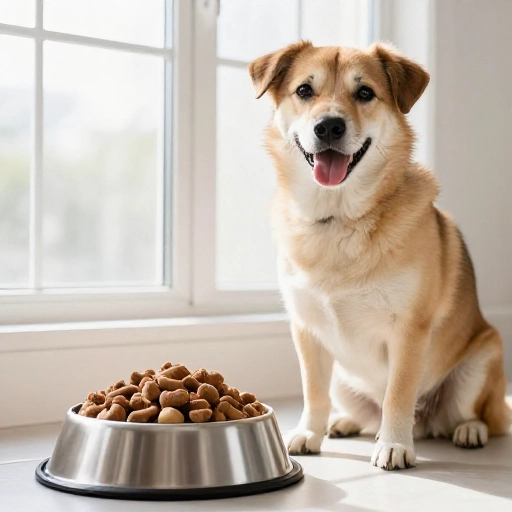
When my sweet golden retriever, Bella, was first diagnosed with Cushing’s disease, I felt completely lost. The vet explained that her body was producing too much cortisol, and the standard medications felt overwhelming. That’s when I started researching how food could help support her from the inside out.
After months of tweaking and testing (with my vet’s guidance, of course!), I found that a carefully balanced homemade diet made a huge difference in her energy levels and overall comfort. Today, I want to share the exact recipes and tips that helped Bella feel more like her old self.
This isn’t about curing Cushing’s—it’s about giving your pup the best possible nutrition to manage symptoms. Let’s get cooking!
Why This Homemade Diet Works for Cushing’s Dogs
Cushing’s disease messes with your dog’s metabolism, often causing weight gain, muscle loss, and a weakened immune system. The goal of this diet is to support the adrenal glands while keeping things low in fat and moderate in protein. I focus on whole, unprocessed ingredients that are easy on the digestive system.
Think lean proteins like chicken or turkey, complex carbs from veggies, and healthy fats in small amounts. The key is balance—too much of anything can throw off their system. This recipe is designed to work alongside any vet-prescribed medications, not replace them.
Always check with your vet before switching diets, especially for Cushing’s pups. Every dog is different!
Equipment You’ll Need
You don’t need fancy kitchen gadgets for this. Here’s what I use every time:
– A large pot or Dutch oven
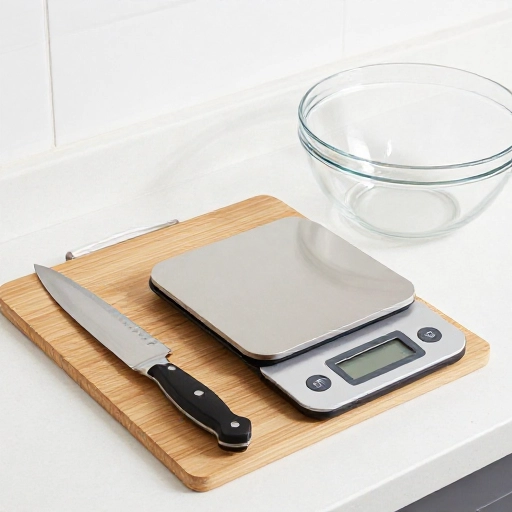
– A sharp knife and cutting board
– A food scale (super important for portion control)
– Storage containers (glass ones work best)
– A slow cooker or instant pot (optional but makes life easier)
That’s it! Most of these you probably already have in your kitchen.
Ingredients for the Base Recipe
This makes about 10 cups of food—enough for a week for a medium-sized dog (adjust portions based on your pup’s weight).
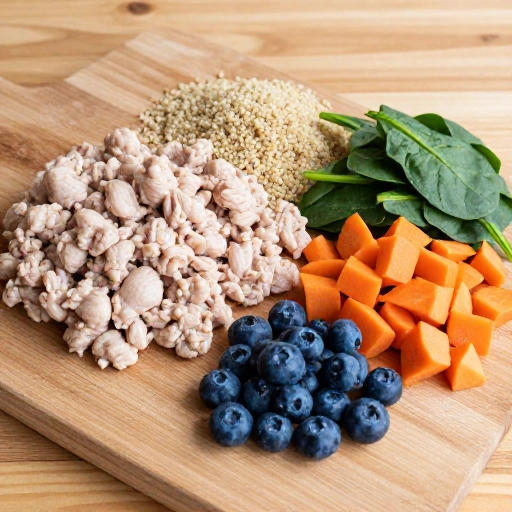
– 2 lbs lean ground turkey or chicken (93/7 works great)
– 2 cups cooked brown rice or quinoa
– 1 cup chopped carrots
– 1 cup chopped zucchini
– 1 cup chopped spinach (fresh or frozen)
– 1/2 cup pumpkin puree (not pie filling!)
– 2 tablespoons flaxseed oil (for omega-3s)
– 1/4 teaspoon turmeric (optional, for anti-inflammatory benefits)
I always buy organic when I can, but regular works too. The pumpkin helps with digestion, which Cushing’s dogs often struggle with.
How to Make It: Step-by-Step
First, cook your rice or quinoa according to package directions. While that’s going, brown the ground meat in a large pot over medium heat. Break it into small crumbles—this makes it easier for your dog to digest.
Once the meat is cooked through, add the chopped carrots and zucchini. Stir for about 5 minutes until they start to soften. Then toss in the spinach and cook for another 2 minutes until it wilts.
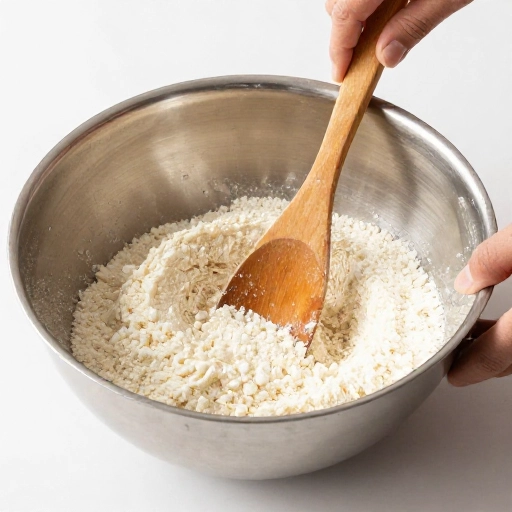
Now, mix in the cooked rice, pumpkin puree, and turmeric if you’re using it. Stir everything together well. Let it cool completely before adding the flaxseed oil—heat can destroy those good omega-3s.
Portion it out into containers and refrigerate. I usually make a big batch on Sunday and it lasts all week. For freezing, just pop individual portions in freezer bags.
Feeding Guidelines & Tips for Success
Start slow! Mix a little of this new food with your dog’s current diet for the first few days. I do 25% new, 75% old, then gradually increase over a week. This prevents tummy upsets.
For portion sizes, a good rule of thumb is about 1/2 cup per 10 lbs of body weight per day, divided into two meals. But every dog is unique—Bella needed a bit less because of her slowed metabolism. Watch your pup’s weight and adjust accordingly.
I also add a vet-recommended multivitamin to make sure she’s getting all her nutrients. Homemade diets can lack certain minerals, so that extra step is huge.
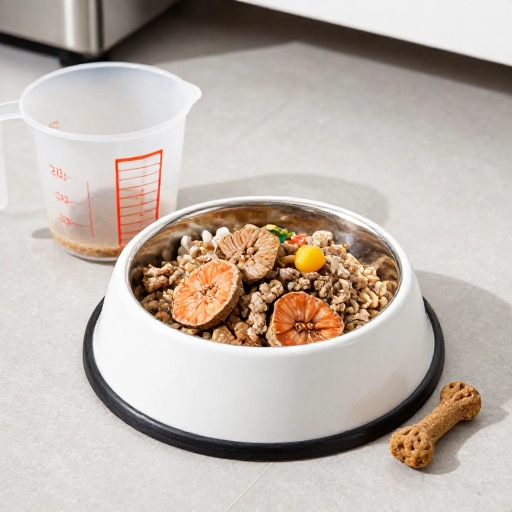
Conclusion: A Little Effort Goes a Long Way
Switching to a homemade diet for Bella wasn’t just about food—it was about giving her comfort and control. Seeing her wag her tail more, have steadier energy, and enjoy her meals again made every minute in the kitchen worth it.
Remember, this is a journey. Don’t stress if the first batch isn’t perfect. Your dog will feel your love in every bite, and that’s what truly matters. Start small, stay consistent, and lean on your vet for guidance.
You’ve got this, and your furry friend is lucky to have you fighting for their health.

Frequently Asked Questions
Can I use beef instead of turkey?
Yes, but go for extra lean beef (90/10 or leaner). Cushing’s dogs do better with lower fat, so trim any visible fat before cooking.
How long does this food keep in the fridge?
About 4-5 days in an airtight container. I freeze half the batch so it stays fresh longer. Thaw in the fridge overnight before serving.
Do I need to add supplements?
I recommend asking your vet about a balanced supplement. Homemade diets can be low in calcium and certain vitamins. A good multivitamin made for homemade feeding fills those gaps.
What if my dog doesn’t like the taste?
Start by mixing in a tablespoon of their favorite canned food or a little low-sodium chicken broth. Gradually reduce the “bribe” as they get used to the new flavor.
Can this diet help with my dog’s excessive thirst?
Many owners see improvement in thirst and urination after switching to a low-sodium, whole-foods diet. The pumpkin and lean proteins help stabilize blood sugar, which can reduce those Cushing’s symptoms.