10 Clever Dog Fence Ideas for Problem Solvers (That Are Actually Genius)
If you’ve got a Houdini hound or a fence-jumping daredevil, you know the struggle is real. You want your pup to enjoy the yard, but you also don’t want to play neighborhood-wide hide-and-seek at 6 PM. I’ve been there—staring at a fence line, wondering where my little escape artist found that one weak spot.
Well, after years of trial, error, and a few “how did she do that?!” moments, I’ve rounded up the ten smartest, most creative fence fixes for problem-solving pet parents. These aren’t just basic panels; these are clever hacks that work with your yard, not against it.
1. The Invisible Trench Barrier (The Digging Solution)
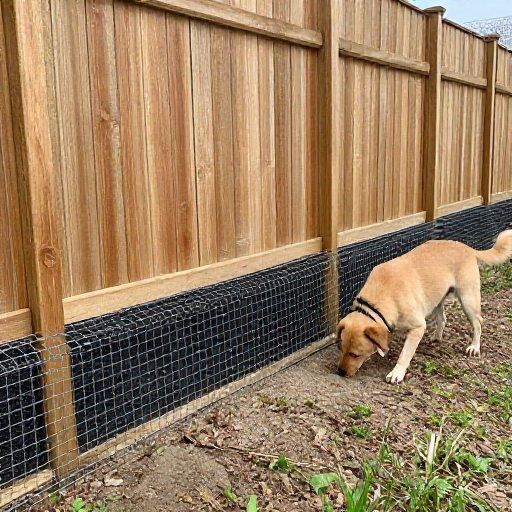
If your dog is more mole than canine, they’re probably digging their way to freedom. The easiest fix isn’t to yell “no” but to physically block their path. Instead of a deep concrete pour, use an L-shaped footer. You can buy metal or plastic mesh that attaches to the bottom of your fence and extends outward underground.
Lay this mesh flat on the ground about 1–2 feet inside your yard. Fill it with dirt or mulch. When your dog digs down, they hit the mesh and give up. It’s a simple, non-visible solution that saves your lawn and your sanity.
2. The Roller Bar Top (For the Climbers)
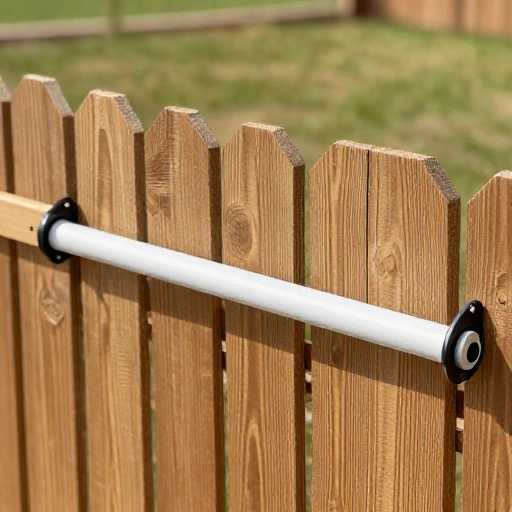
Some dogs don’t dig; they scale. For those agile athletes, a flat fence top is just a launching pad. The clever trick? Install a free-spinning roller bar along the top edge of your fence. When your pup gets their paws on it, the bar spins, and they can’t get a grip.
You can buy metal or PVC pipe kits that attach to the top of existing fence posts. It looks a bit industrial, but it’s a lifesaver for Huskies and other jumping breeds. They learn quickly that the fence is a “no-grip zone.”
3. Double-Fence Corridor (The Runway Trick)
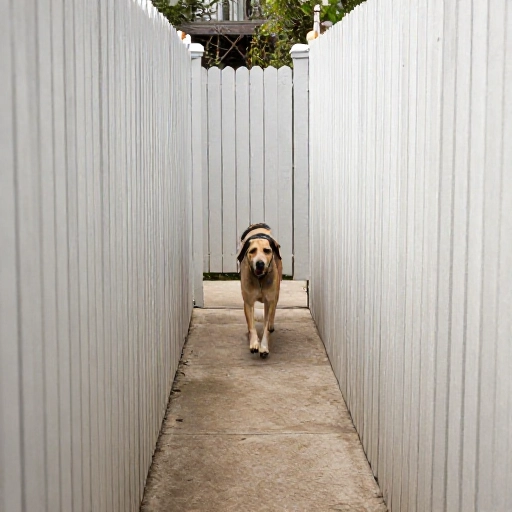
This is my favorite for dogs that pace and jump. Instead of one fence, install a second, shorter fence (about 3–4 feet high) about 3–4 feet inside your main fence. This creates a “corridor” or buffer zone between your dog and the outer boundary.
Most jumpers need a running start to clear the main fence. With this corridor, they can’t get the speed they need to launch. Plus, it gives them a cool little path to patrol that feels like a game, not a prison.
4. The Window Panel (See-Through Privacy)
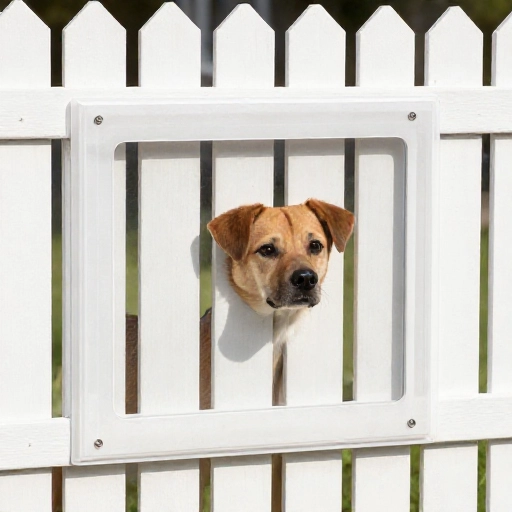
Dogs often bark and bolt because they see things on the other side. Blocking the view is a classic solution, but a 100% solid fence can make your yard feel like a box. The clever middle-ground is installing a “window” in the surrounding fence.
Cut a hole (or leave a gap) and install a clear plexiglass panel or a heavy-duty mesh. Your dog gets to watch the world go by without feeling trapped, which actually reduces the urge to escape. It’s a win-win for their mental stimulation and your peace of mind.
5. The Tension Wire (The Anti-Bend Hack)
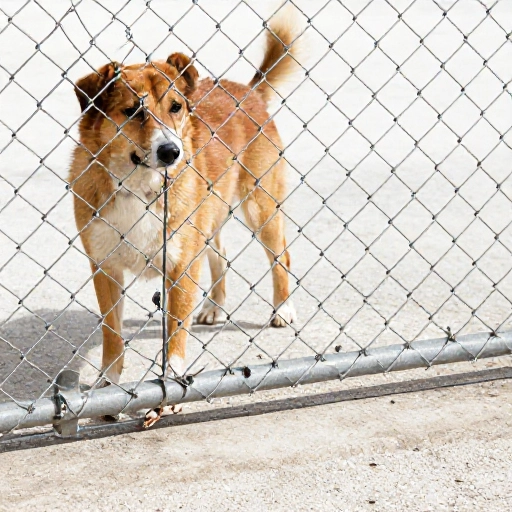
For wire fences, pushing through is the issue. Dogs are smart; they find a spot and shove their nose through until the gap widens. A simple fix is to weave a tension wire horizontally through the fence line, or attach a cable to the bottom of the fence.
This prevents the bottom of the fence from being pushed up. For extra security, run a second wire higher up. It’s a cheap, DIY fix that works wonders for stubborn nose-pushers. I’ve found that using coated cable is easier on their noses and yours.
6. The Planter Box Barrier (The Pretty Escape Route)
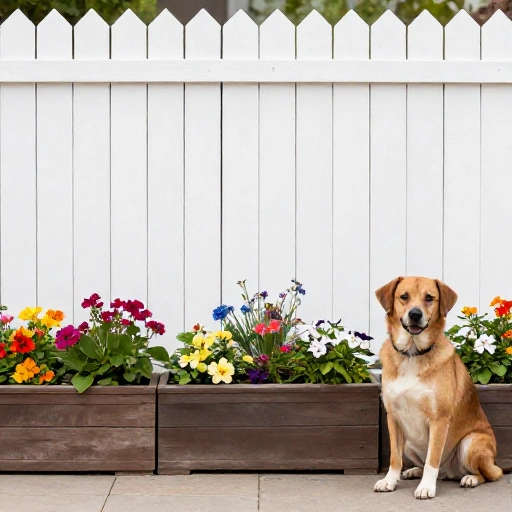
Why just block a jump when you can make it beautiful? If your dog uses a specific piece of furniture or a slope to vault over the fence, place large planter boxes or heavy decorative rocks right in that spot. It’s not a fence, but it’s a physical obstruction that removes their launching pad.
Choose big, sturdy ceramic pots or wooden planters that they can’t knock over. Plant some thorny bushes (like rose bushes or holly) along the fence line. The thorns are a natural deterrent that most dogs will quickly learn to avoid.
7. The PVC Roller Pipe (The DIY Slider)
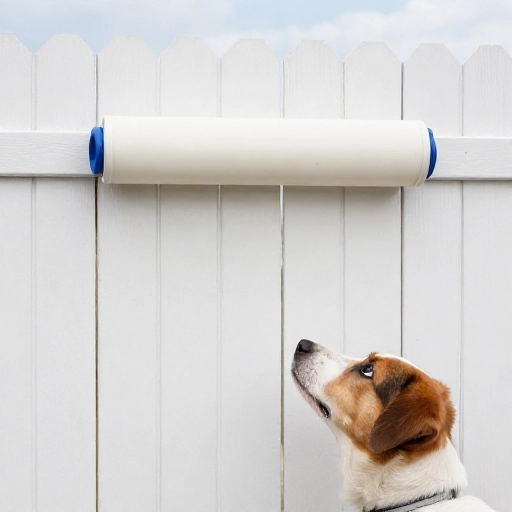
This is a budget version of the roller bar. Take a long PVC pipe, cut it to the length of your fence section, and mount it on brackets slightly away from the top edge of the fence. As the dog tries to hook their paws over, the pipe spins.
This works best on chain-link fences. You just need a drill and some basic brackets. It’s an afternoon project that will have your dog looking at the fence like it’s a magic trick. The spinning motion is disorienting and discourages them.
8. The Tarp Clip System (The Temporary Fix)
For renters or folks who need a quick fix, this one is a lifesaver. If your dog is jumping a low spot or a gate, use heavy-duty tarp clips to attach a piece of canvas or vinyl tarp to the fence. Make it tall enough to obscure the view.
It’s not the prettiest solution, but it works in a pinch. The tarp flaps in the wind and blocks the visual trigger that causes the jumping. It’s perfect for a weekend trip or while you save up for a permanent solution. Just make sure the clips are strong enough to hold in heavy wind.
9. The Post-and-Rail Mesh (The No-Climb Design)
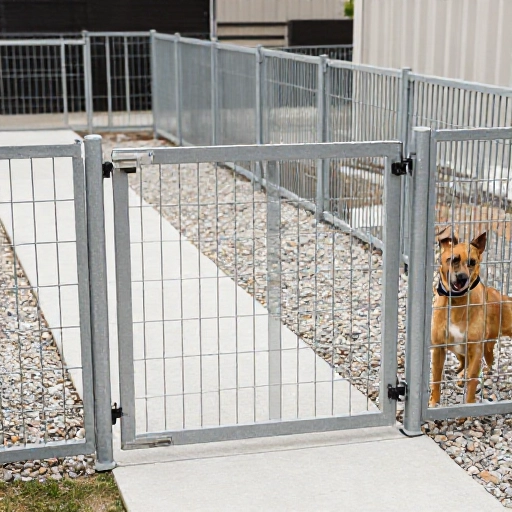
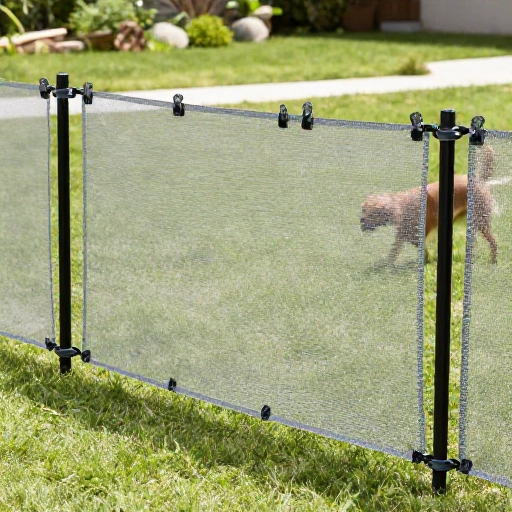
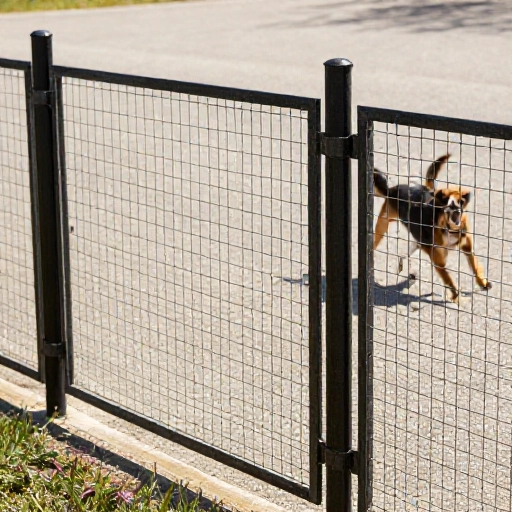
Some dogs can climb chain-link like it’s a ladder. The secret is to change the fence material to something with no footholds. Use a smooth, horse-safe vinyl fence or solid wood planks. If you must use wire, go for a welded wire mesh with small openings.
The smaller the grid, the harder it is for them to get a toehold. I switched to a 2″x2″ grid and my climber gave up immediately. It’s a bit more of an investment, but it’s a permanent fix that keeps your dog safe and your fence looking clean.
10. The Overhang Net (The Leaning Deterrent)
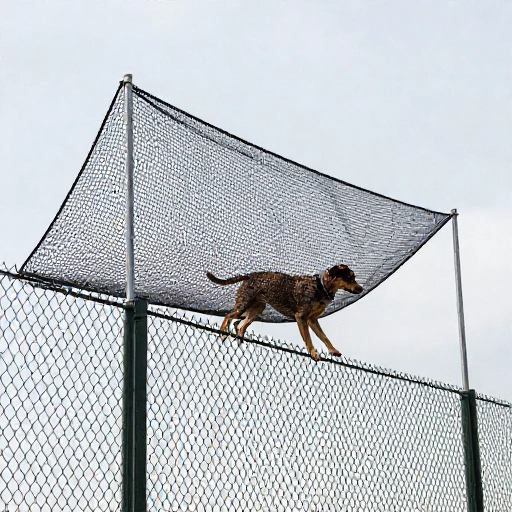
If your dog is a “leaner” who pushes until the fence bends, consider adding a net overhang. Attach poles to the top of your fence that angle inward at a 45-degree angle. Then, attach netting or wire to these poles. This creates a “cage” effect that makes it impossible to climb or lean over.
It looks a bit like a tennis court, but for problem dogs, it’s the ultimate escape-proofing. It’s also great for dogs that jump and hang on the top rail. The overhang blocks their path and they fall back into the yard, safe and sound.
Final Thoughts: The Smart Fix Wins Every Time
Escaping isn’t about being naughty; it’s about instinct. Your dog sees a squirrel, a neighbor, or just feels the urge to run. By using one of these clever hacks, you’re not just blocking them—you’re outsmarting the behavior. You’re giving them a safe space to be a dog, and you get the peace of mind knowing they’re not going anywhere.
Pick the one that matches your dog’s specific escape style. If they dig, go for the trench. If they climb, go for the roller. You’ll thank yourself later when you’re relaxing on the porch instead of chasing them down the street. Your yard should be a sanctuary for you and your furry best friend.
Frequently Asked Questions
Q: What is the cheapest dog fence solution?
A: The tarp clip system or the tension wire are the most budget-friendly. Both are DIY-friendly and require minimal materials. They’re great temporary fixes.
Q: Will these ideas work for small dogs too?
Absolutely. The window panel and planter box ideas are perfect for small breeds that get “fence frustration.” It’s more about blocking the visual trigger than physical height.
Q: Are invisible electric fences a good alternative?
They can work for some dogs, but they don’t stop determined dogs from bolting after prey. The physical barriers on this list are more reliable and don’t cause the anxiety that shock collars can.
Q: My dog only escapes when I’m inside. Why?
That’s usually a boredom or separation anxiety issue. Try giving them a puzzle toy or a bone to distract them when you head inside. The roller bar or overhang will still help in the meantime.
Q: How high should my fence be for a jumping dog?
Most dogs can jump 3–4 times their height. If you have a 60-lb dog, a 6-foot fence is usually the minimum. But adding a roller bar is often more effective than raising the fence height.